
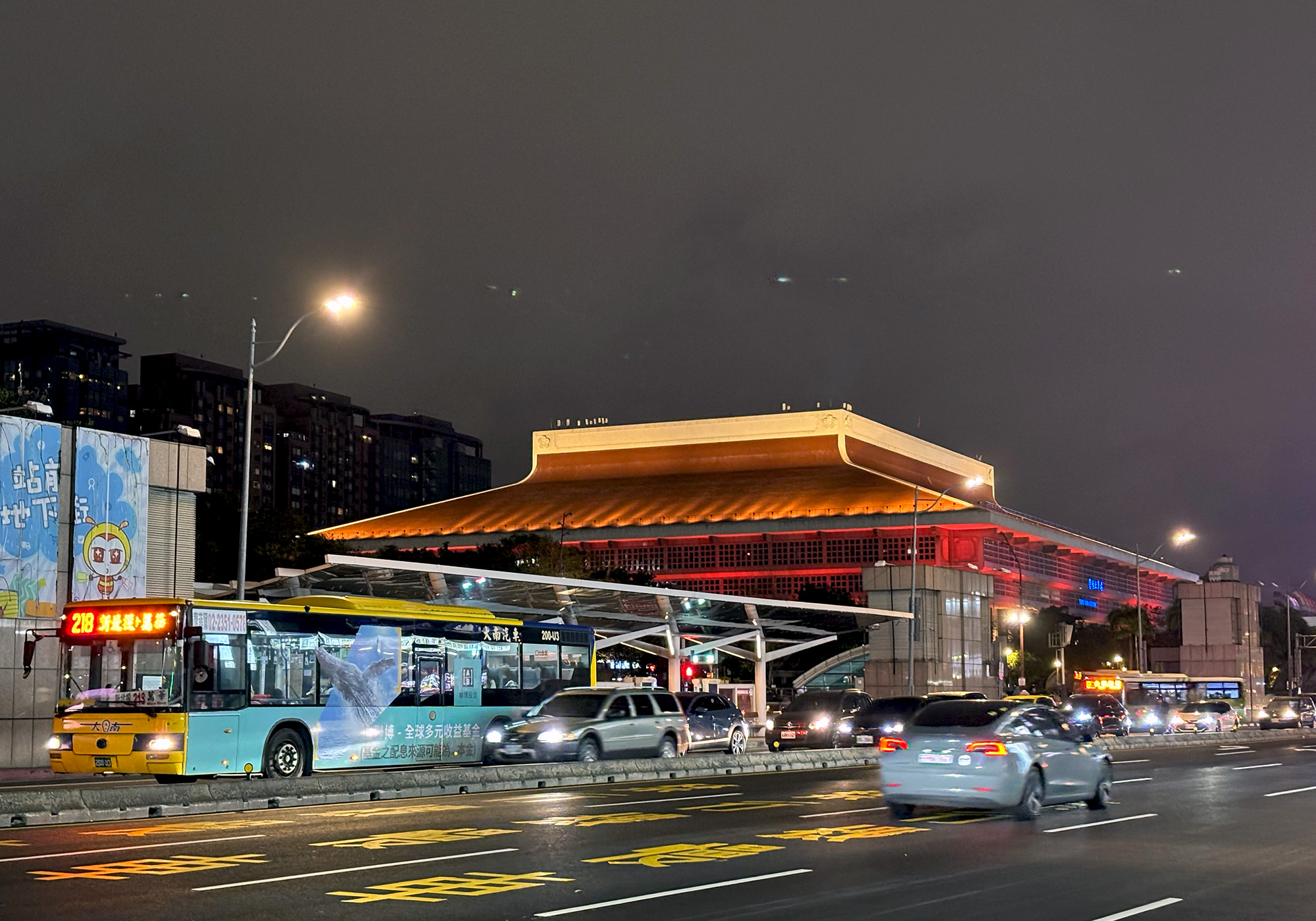
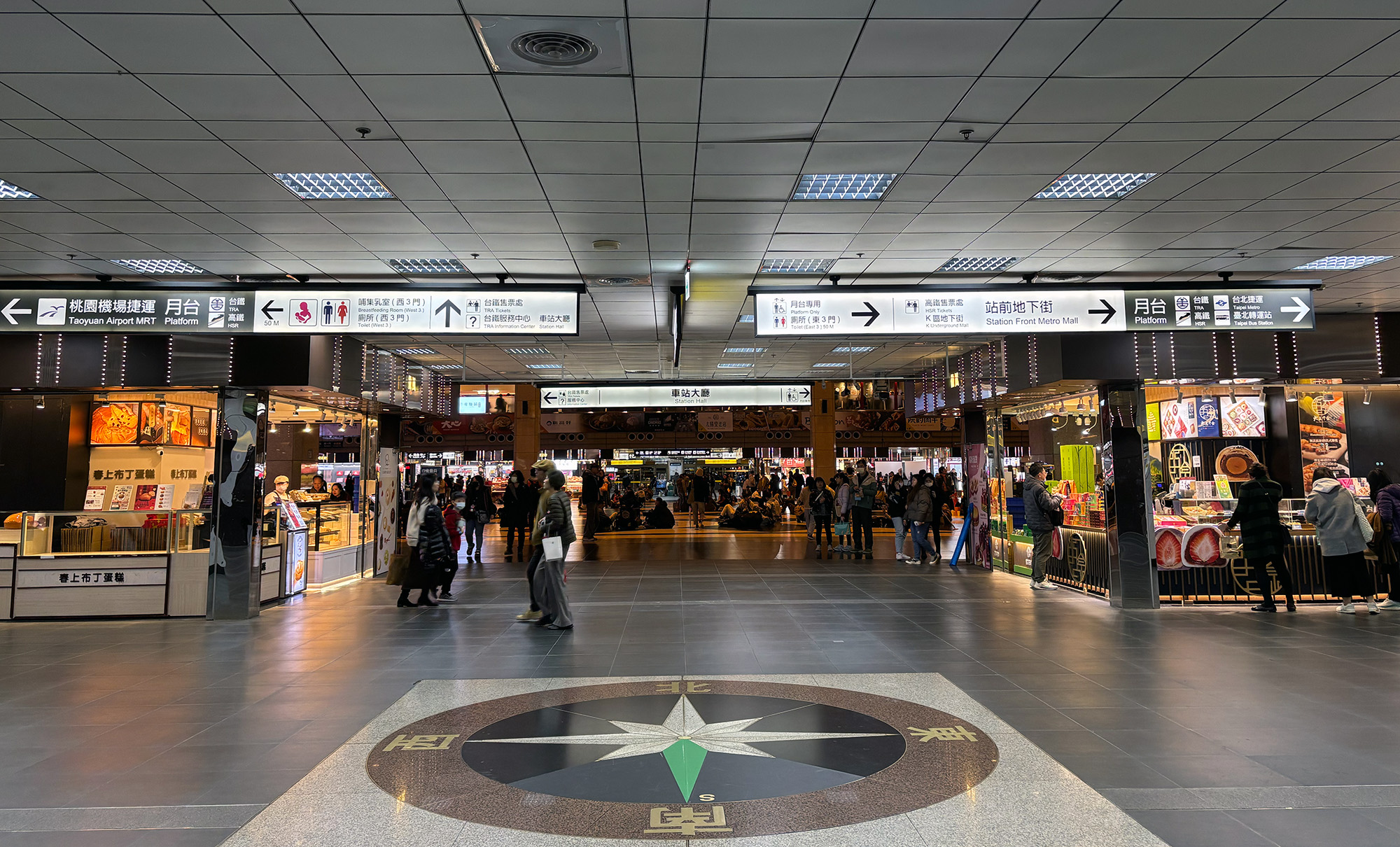
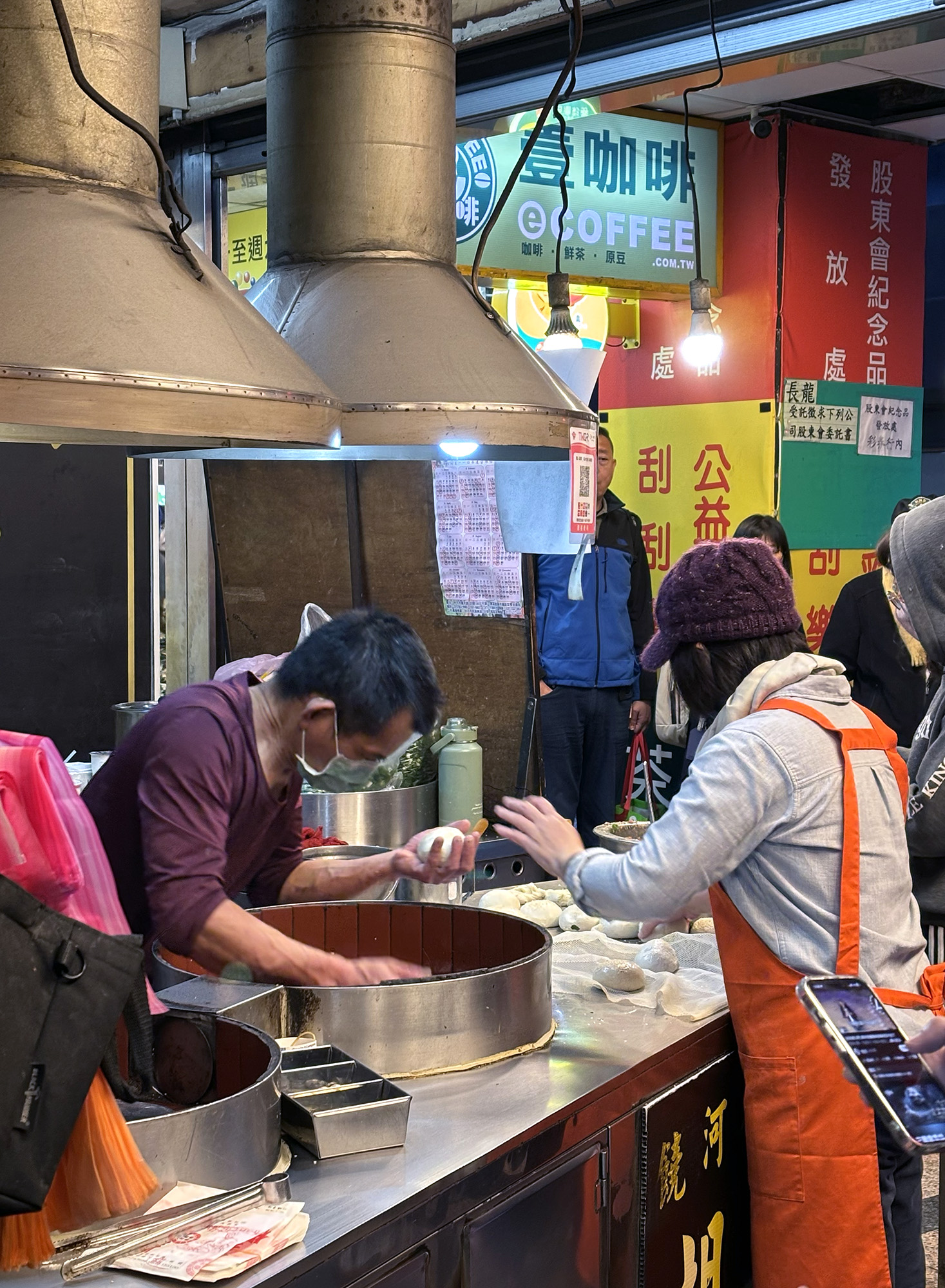
Finding my way out of Taipei Main took a lot longer than expected. Not because there was any shortage of signs, but because I was constantly distracted by the number and sheer variety of eateries crammed into that station. And when you’re as hungry as I was, being spoiled for choice is not necessarily a good thing. Not to mention the massive FoMO that comes with it. Instead, I soldiered on to my hotel, walking past a corner Portuguese egg tart stand, and meters away, a family-run business hawking irresistible pepper buns. No matter what I’d end up eating that night, I knew I was in for a treat. Taiwan had already found a way to my heart.
Wayside Treats and Walking Streets
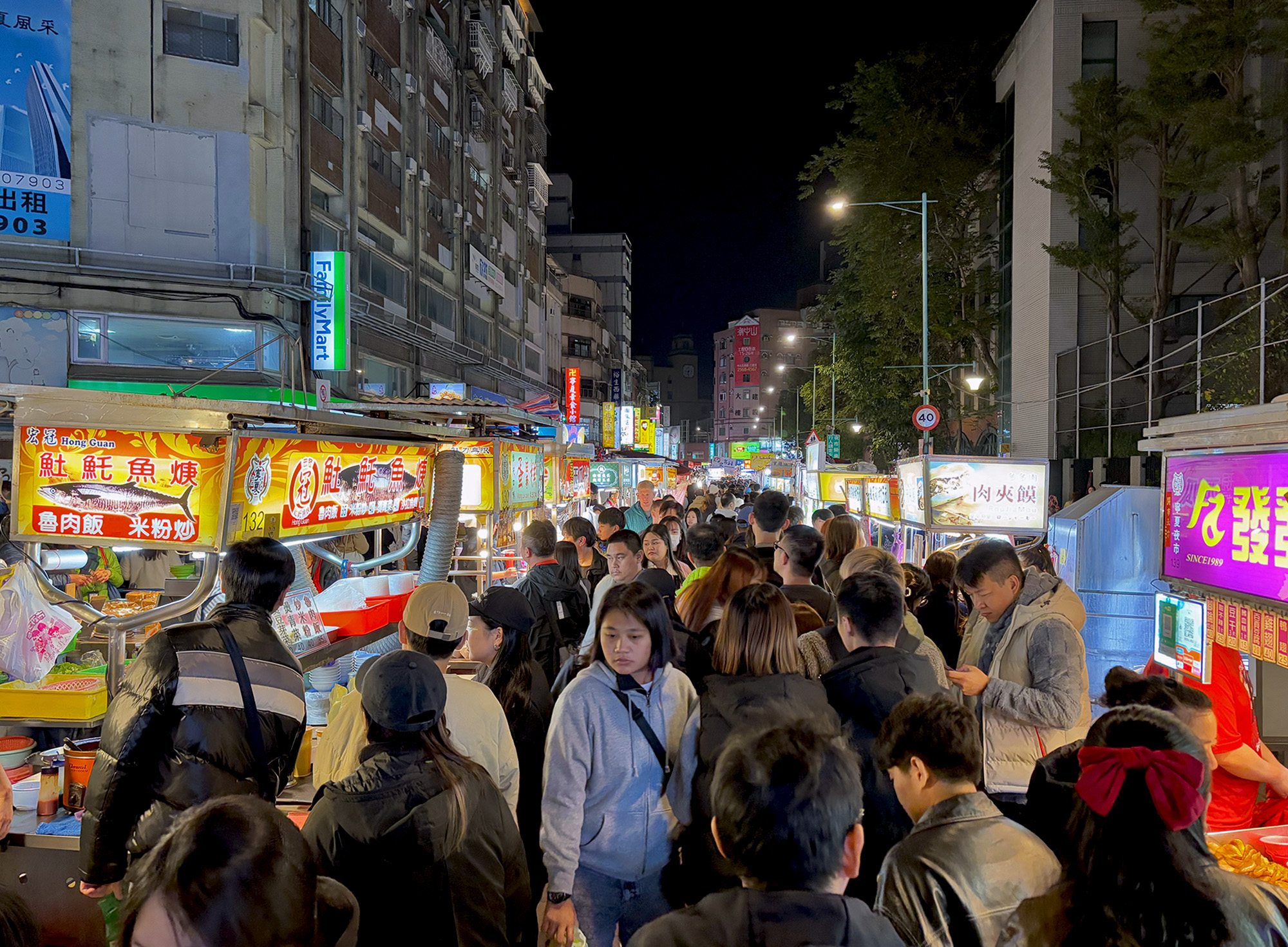
The Raohe Street Night Market is where I ended up on my first night, and despite patronizing several vendors there – everything ranging from crispy doughnuts to grilled king oyster mushrooms – I barely got through half of it. The night market on Raohe Street traces its origins to a collection of food stalls centered upon a house of worship, and is one of over a dozen such markets spread across the length and breadth of Taipei; each one a fascinating peek into Taiwanese food culture.
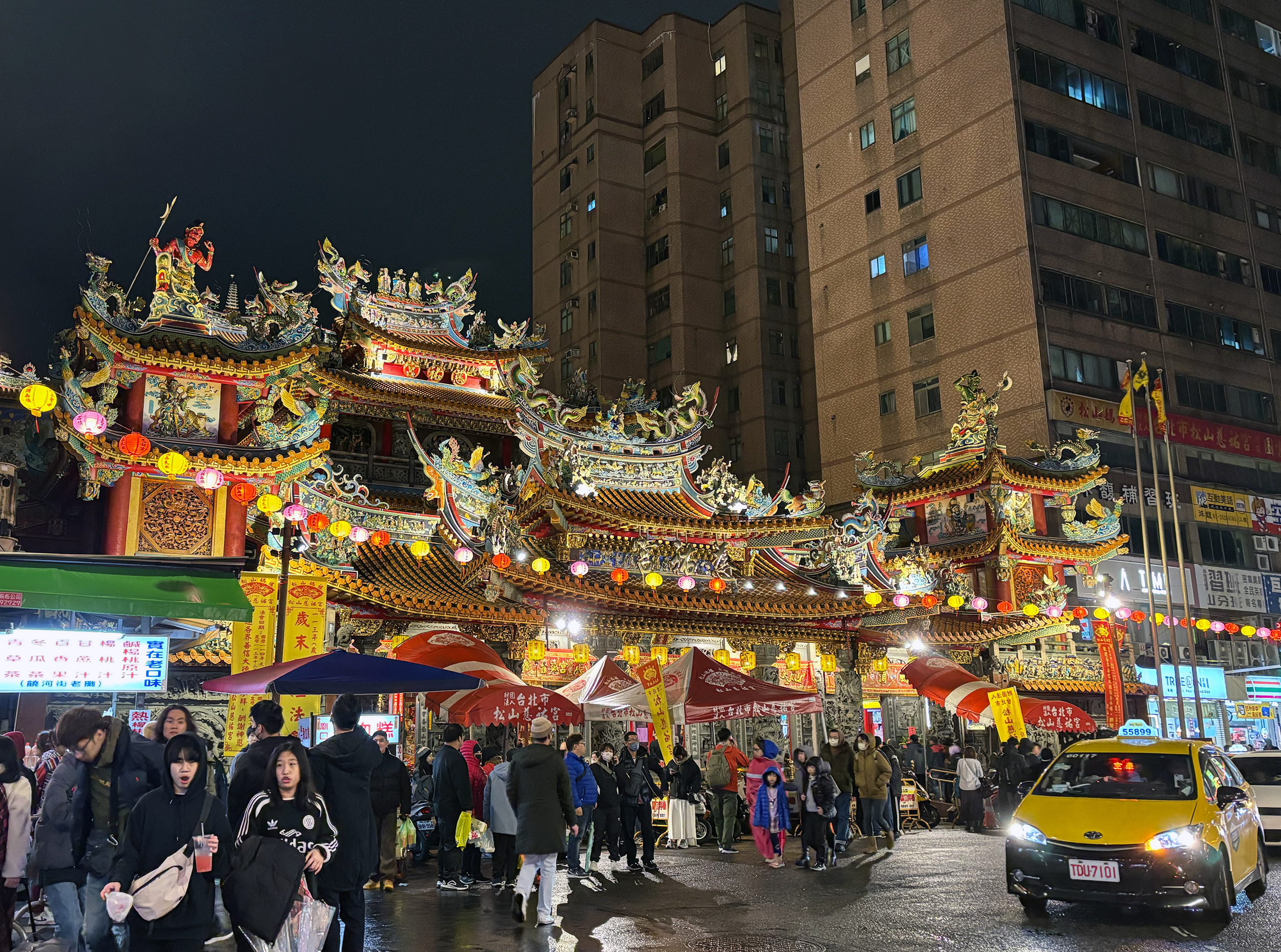

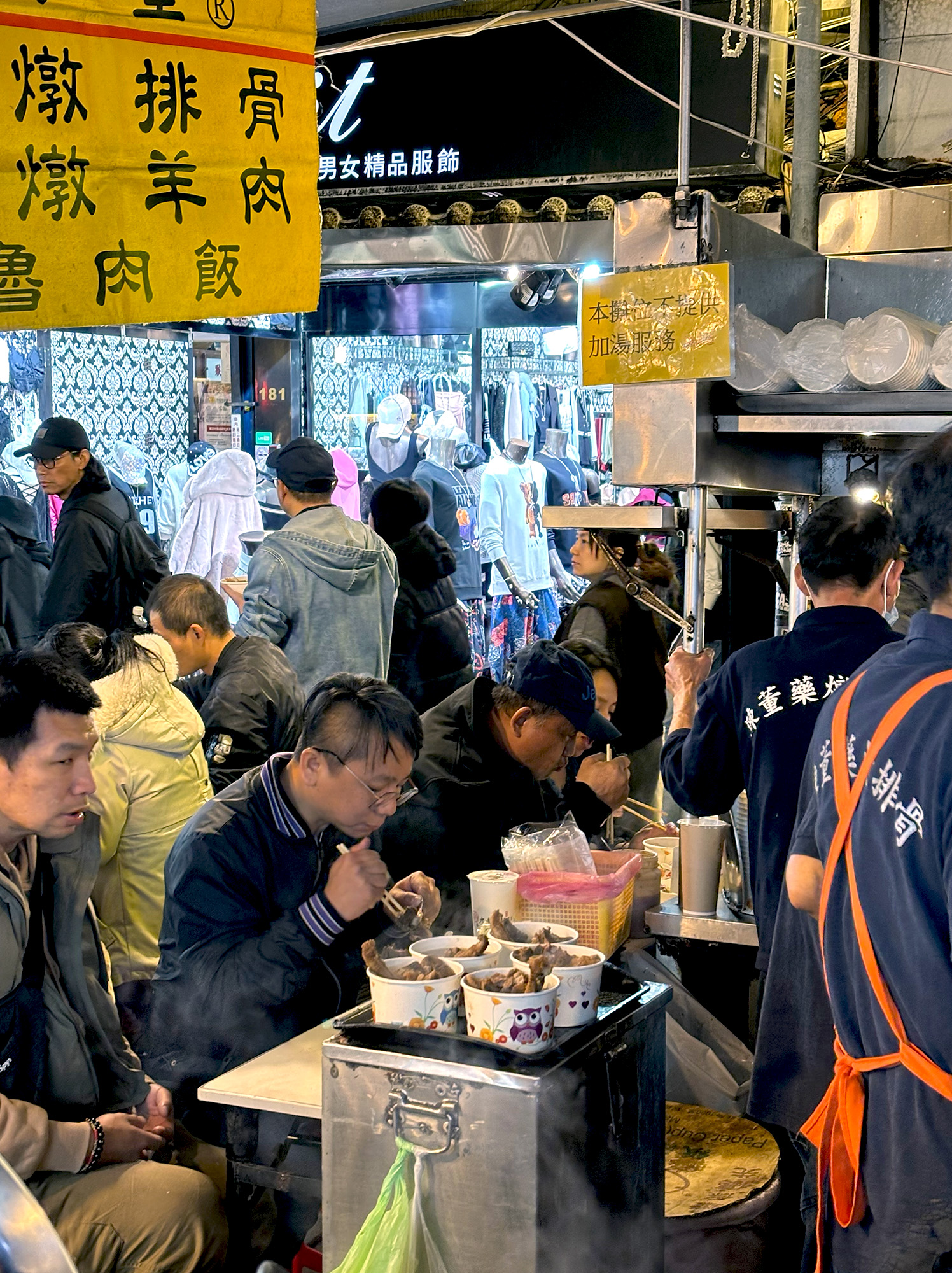
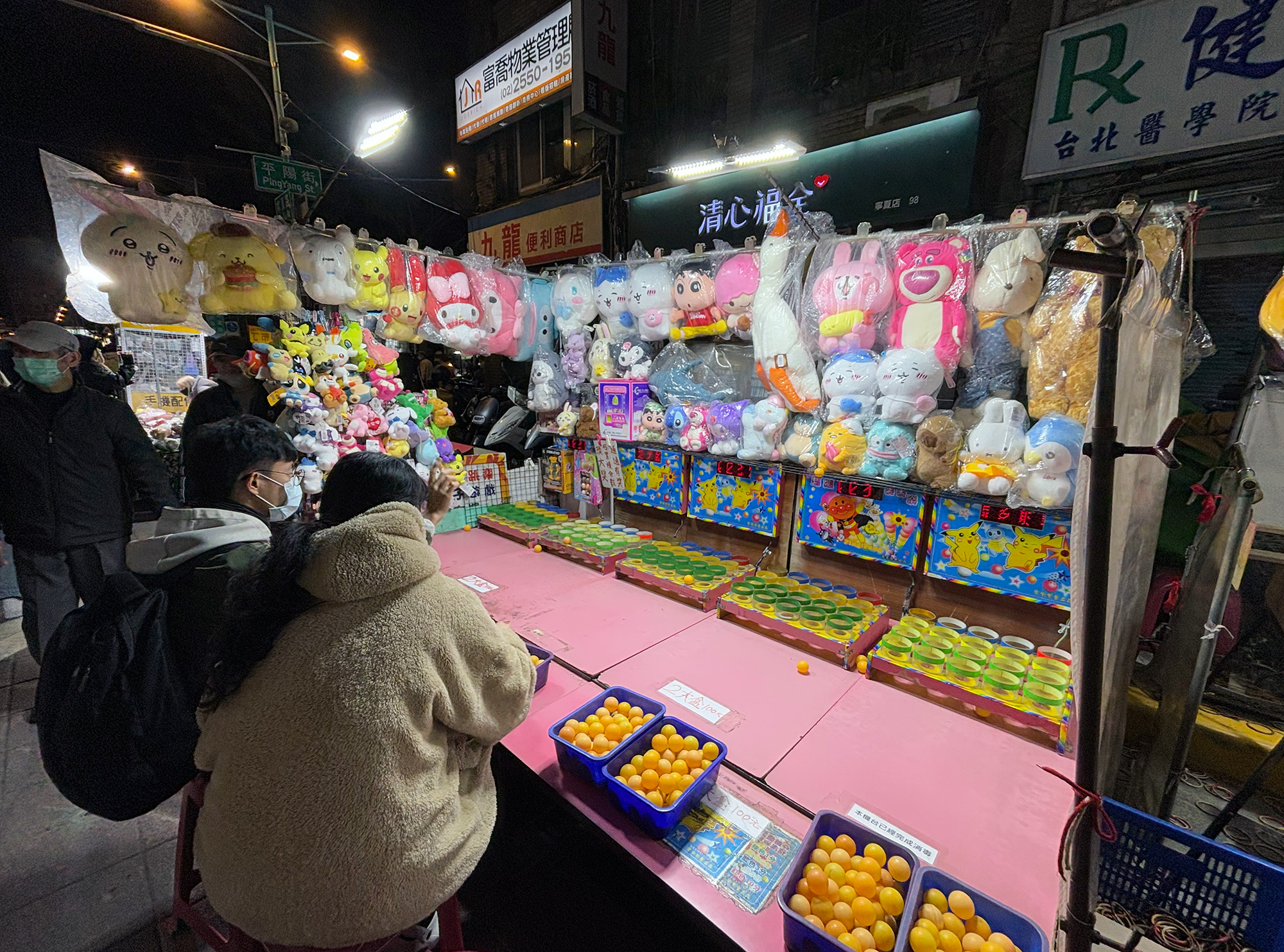
As the name would suggest, night markets typically set up in the evening, instantly transforming traffic-laden streets into pedestrian havens. Locals throng them nightly, as do visitors, making them some of the most popular attractions in the city. Expect crowds, a certain degree of chaos (there are pop-up game stalls in the middle of it all), a plethora of enticing aromas, and food offerings covering the gamut – from the bizarre to the “not for the faint of heart“, and everything that’s guaranteed to delight, in-between.


Parks of Substance
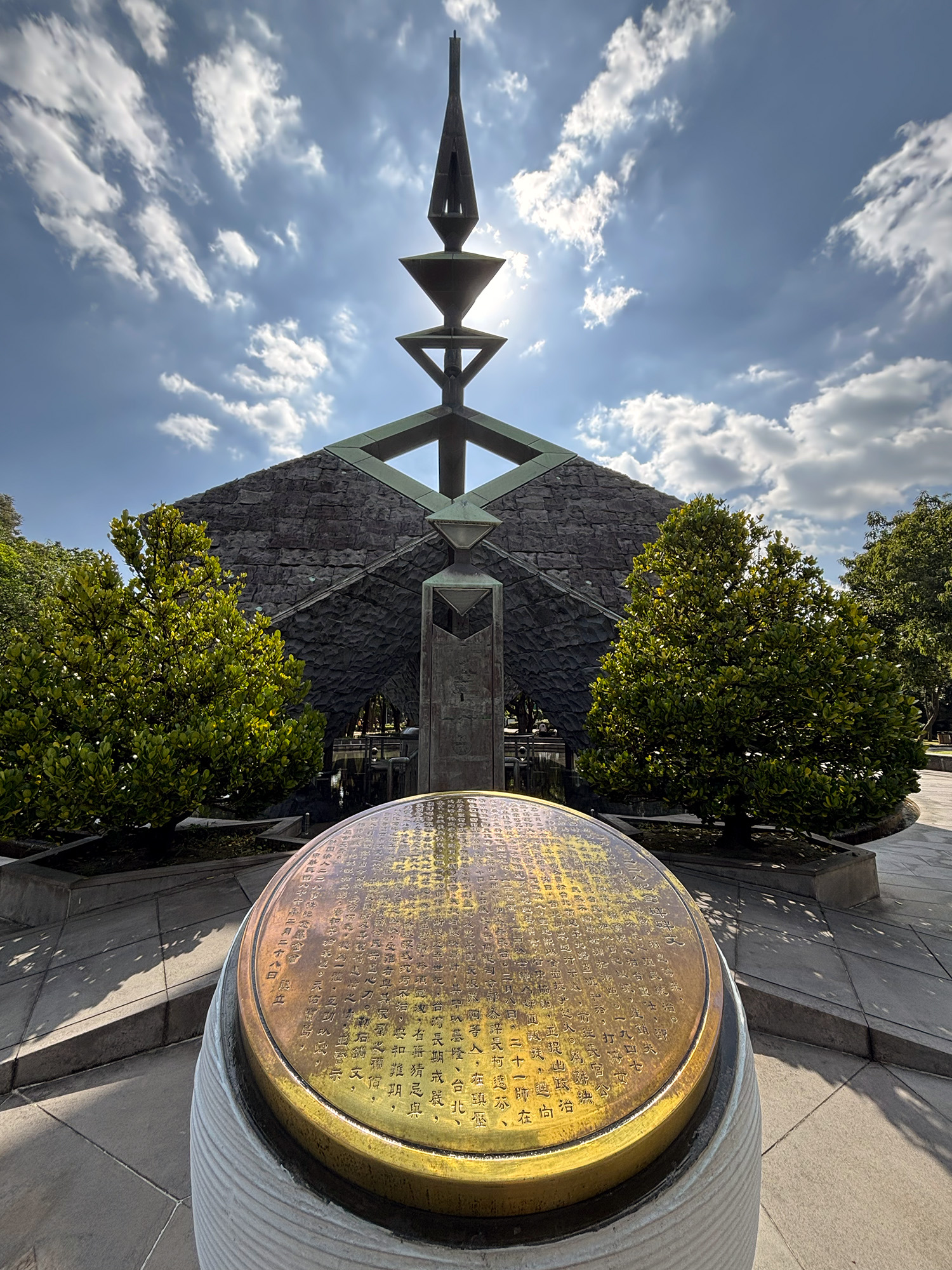
With a population of 2.5 million spread over ~100 square miles, Taipei has a fairly built-up urban environment. Despite that density though, there are the occasional pockets of green within its urban core, and as is the case with Liberty Square – home to the Chiang Kai-shek Memorial – a large open space for public gatherings as well. To the north of that square sits, perhaps, a far more significant place of remembrance, 228 Memorial Park. A historic site and green space, the park is most notable for a monument to the victims of the anti-government uprising of February 28, 1947, from which it derives its name. Not only is it a mini-oasis in the center of the city, but it also gives one an insight, however cursory, into the struggles and sacrifices the people of this tiny nation have endured.
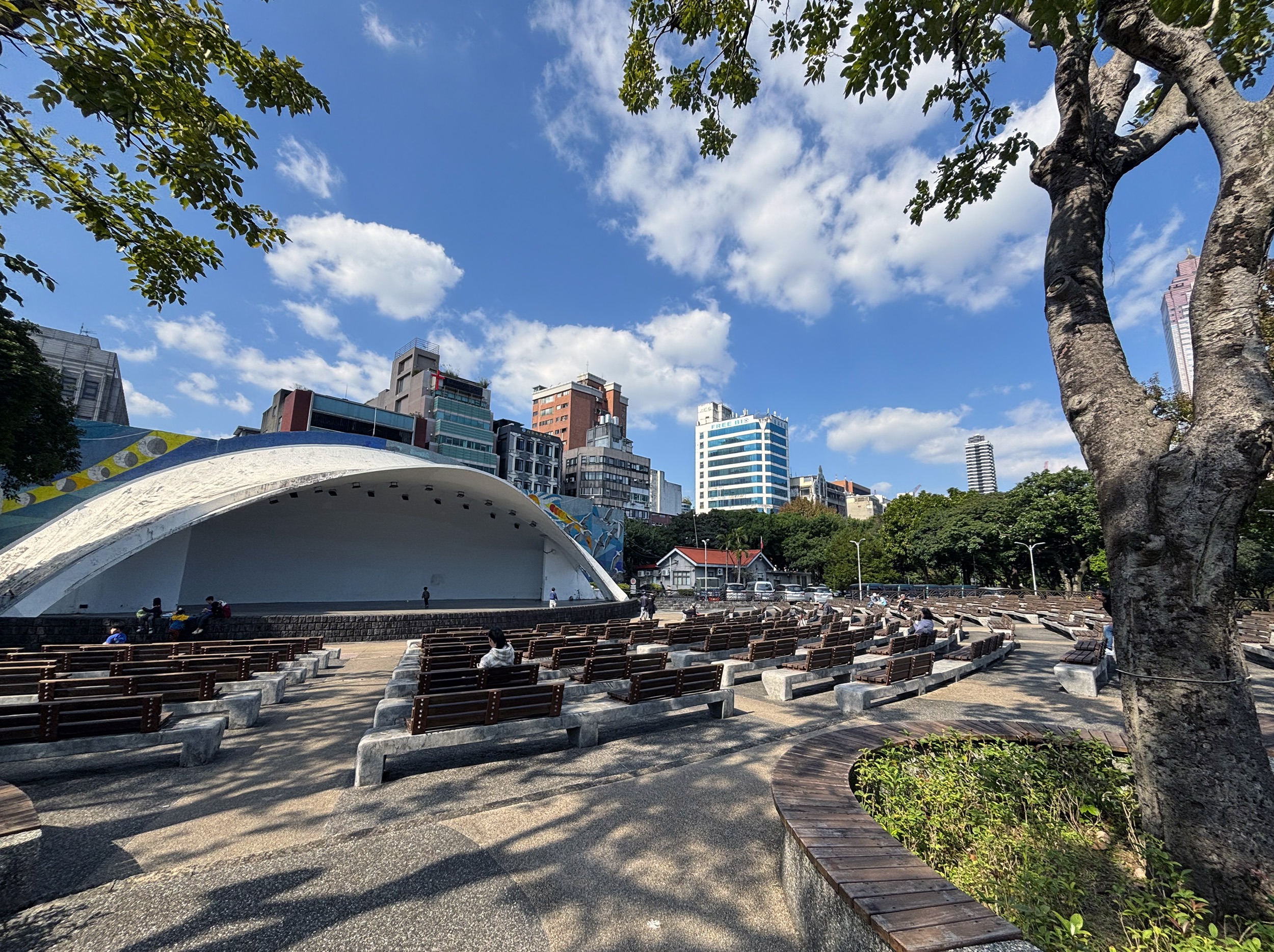
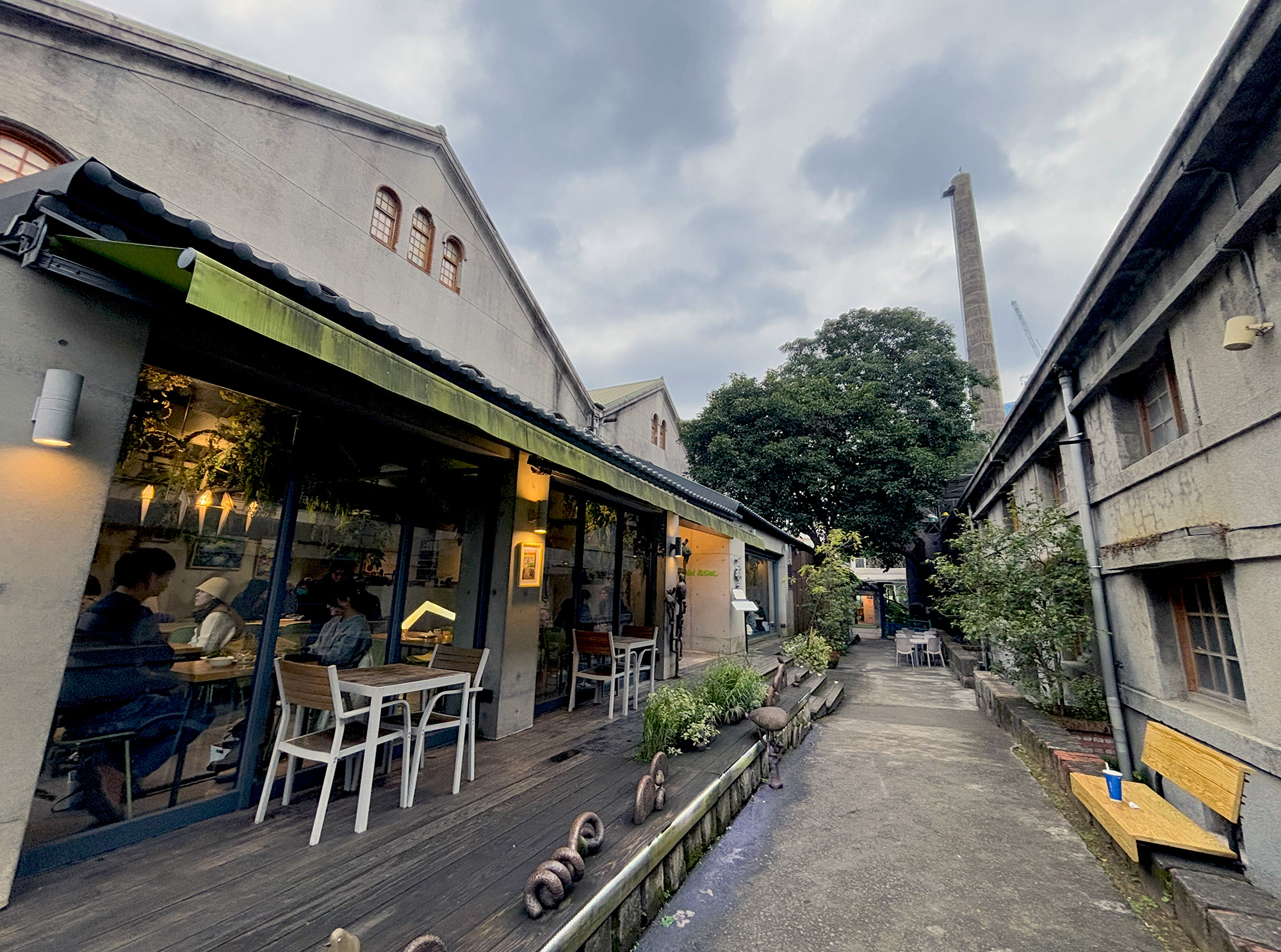
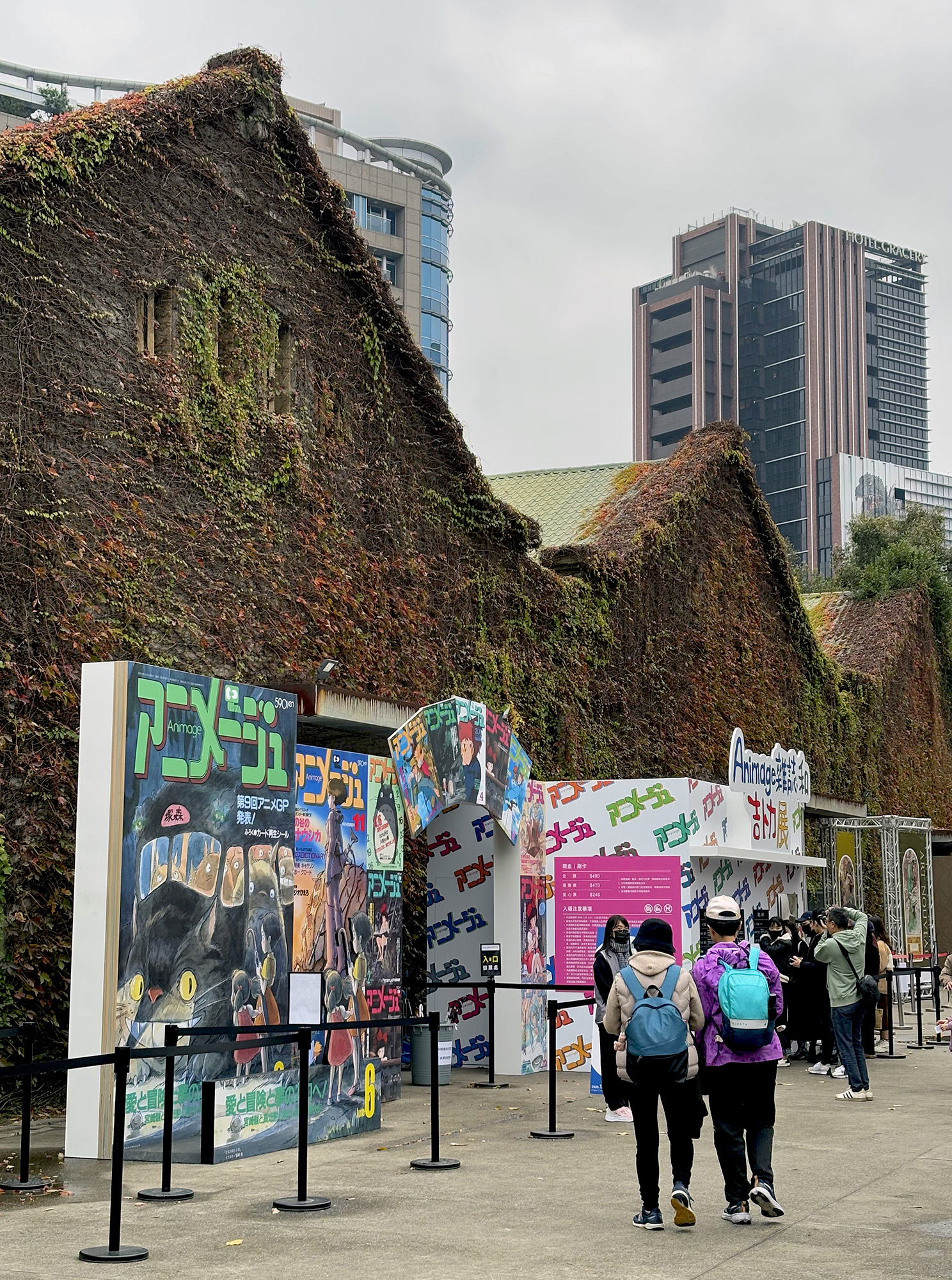
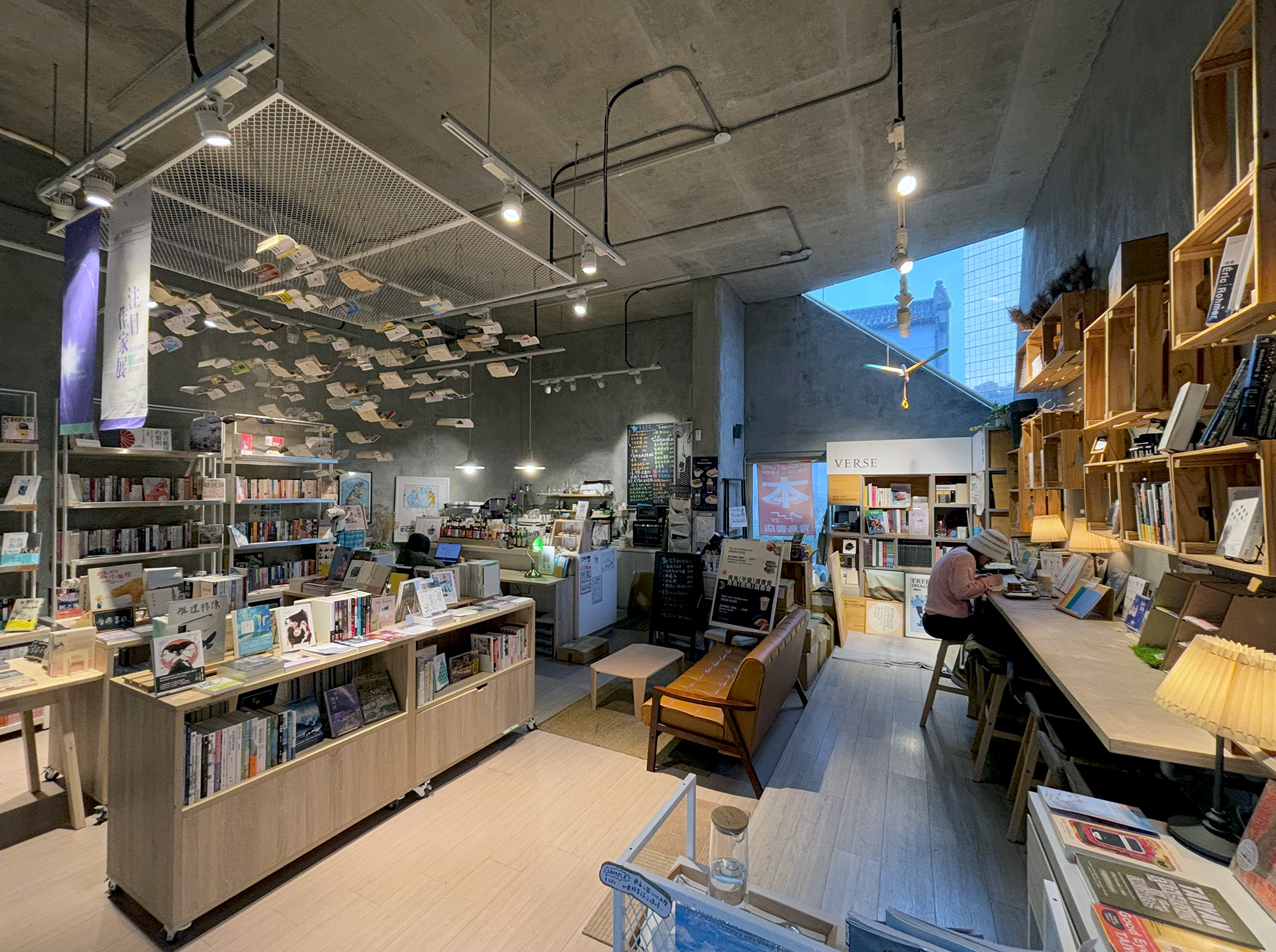
There are parks and then there are Creative Parks. Across the city, former industrial sites from the Japanese-era – think distilleries, tobacco factories, and the like – have been repurposed into cultural hubs today, all while staying true to their original aesthetic. Home to galleries, book stores, cafes, art installations, theater productions and performances, and, as one would expect, an accompanying roster of solid food and beverage establishments, the residents of Taipei are blessed with more than a handful of these true gems of urban transformation.
Din Tai Daan
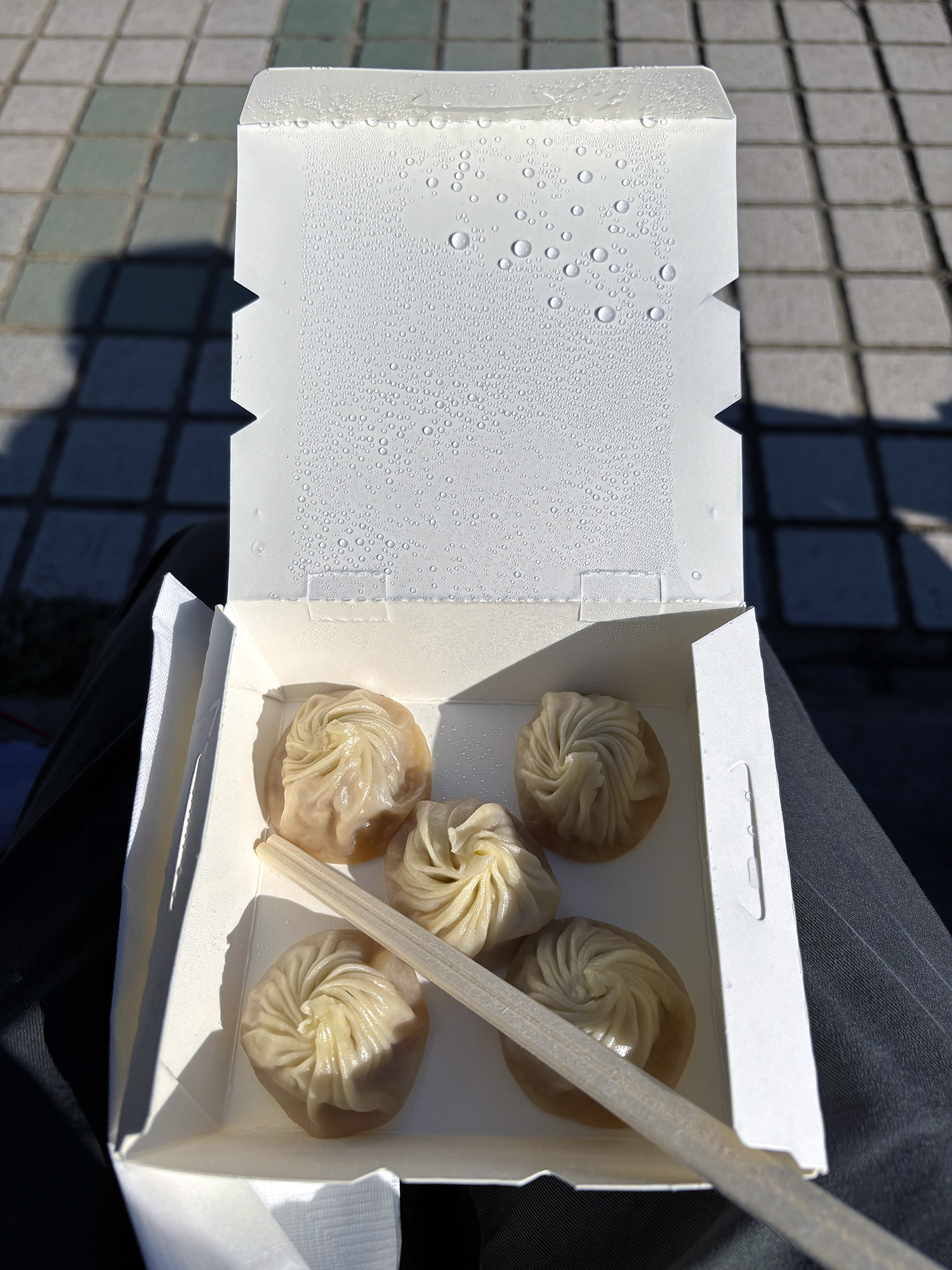
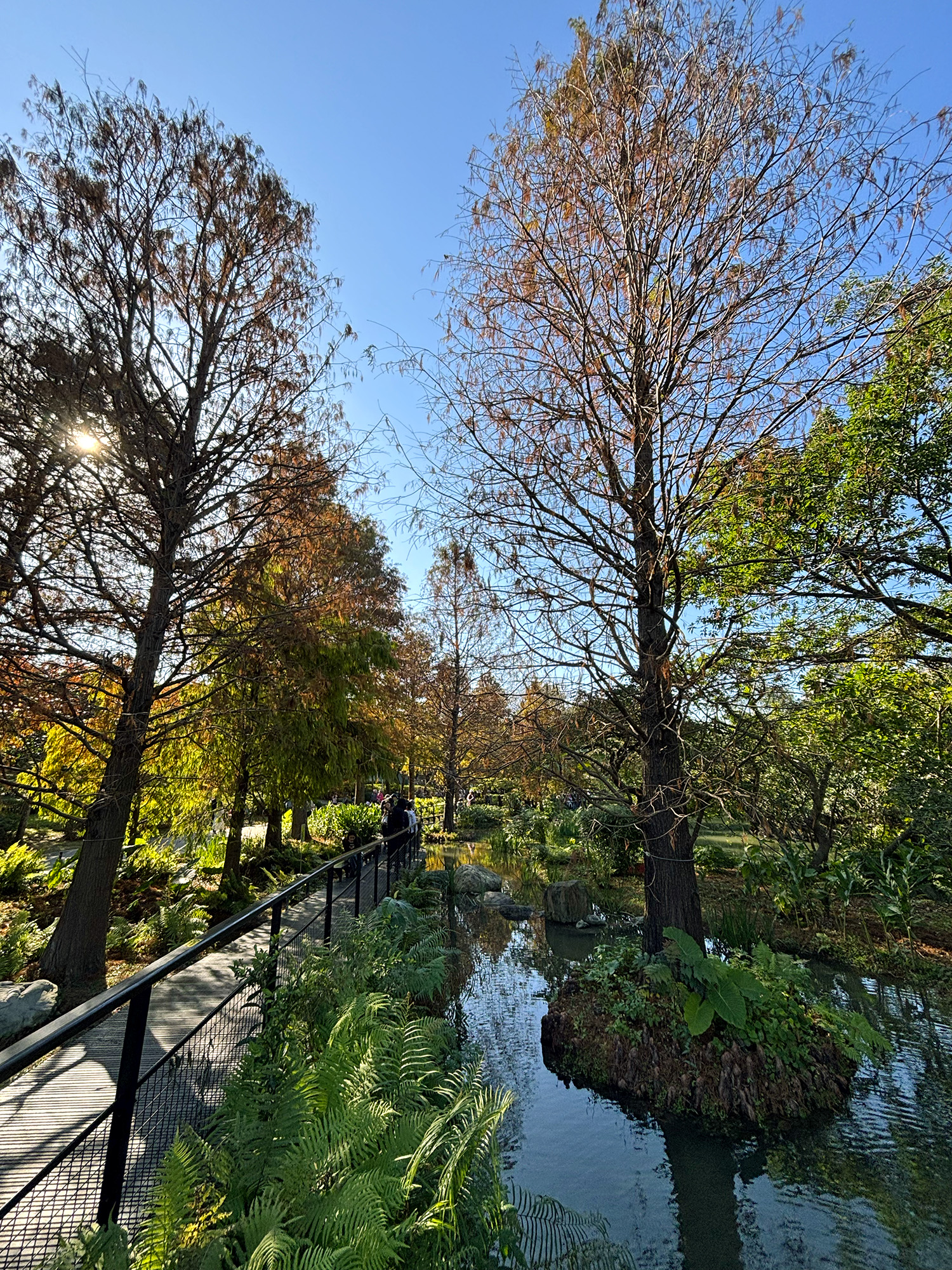
I had first attempted to eat there in the summer of 2019 while on a visit to Beijing, but the wait to get in was just too long. The legendary Din Tai Fung, a hugely successful global chain today, with 170 branches in 14 countries (and counting), including a recently opened mega-location in the city I call home, had eluded me since, and over the years, perhaps eased out of my imagination. But here I was in Taipei, the very city that gave the brand its start, back in 1958. So off I went to their original hole-in-the-wall location on Xinyi Road, only to realize it was take-out only. A bit of a disappointment, but at least there was no wait, and so with two neatly-packed boxes of xiao long bao in tow, I walked over to neighboring Daan Forest Park, beaming with an air of achievement.

An Ode to 101
The city of Taipei sits in a basin, bounded on the west by the Tamsui River, and surrounded on three sides by mountains. Combined, the riverfront and those mountains provide plenty of recreational opportunities, particularly in the Sishou Mountain Citizen Forest Area, to the city’s southeast. Within the Sishou Hills, the hiking trail up Xiangshan or Elephant Mountain (named so because its shape resembles an elephant’s trunk) is one of the most popular; the well kept and extremely lush trail reminiscent of the much coveted urban hikes of Hong Kong. The six-hundred feet climb ends with breathtaking views of the triangle-shaped Taipei Basin, and its crowning glory, the 1667-foot tall Taipei 101 tower.

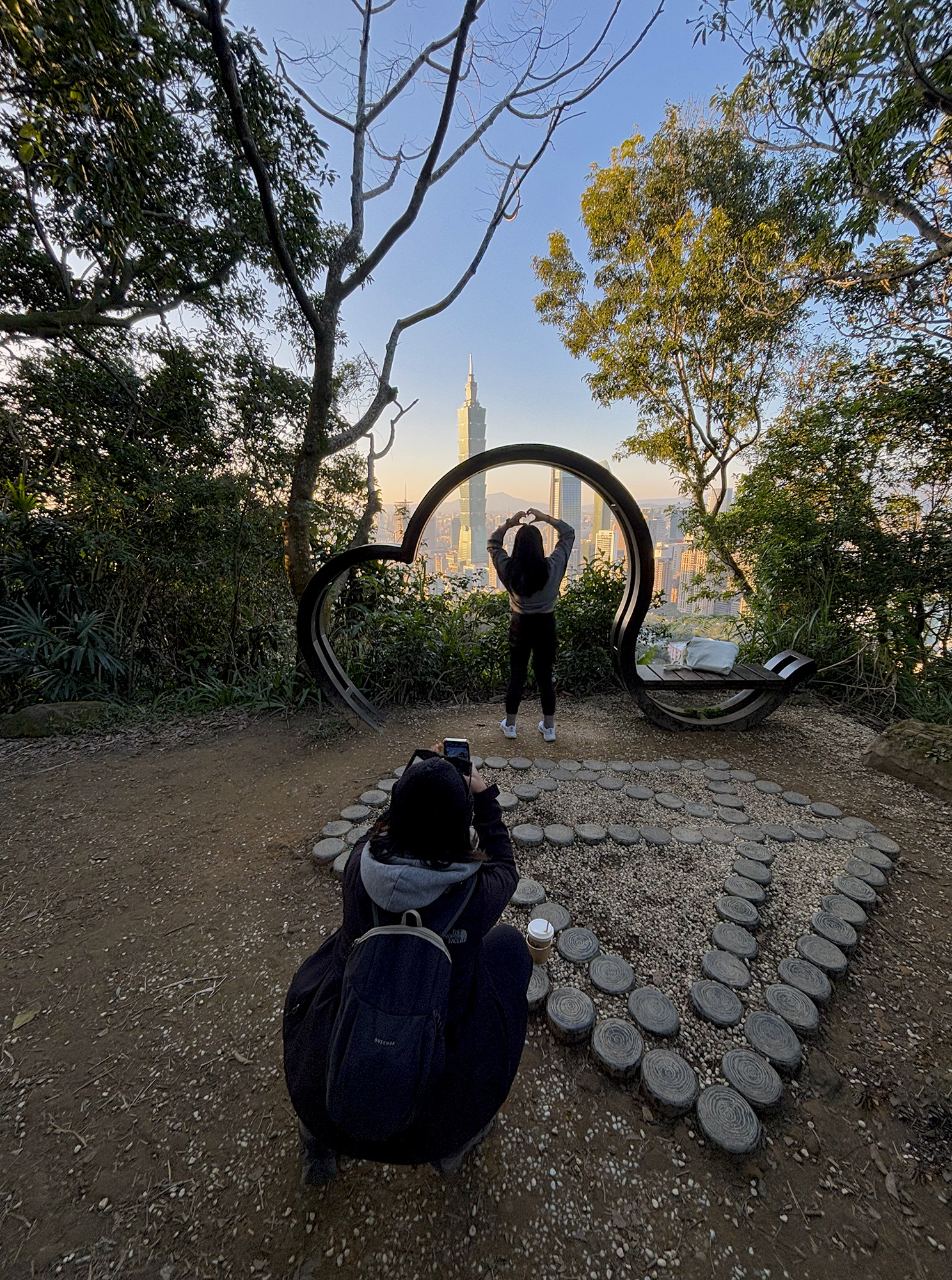

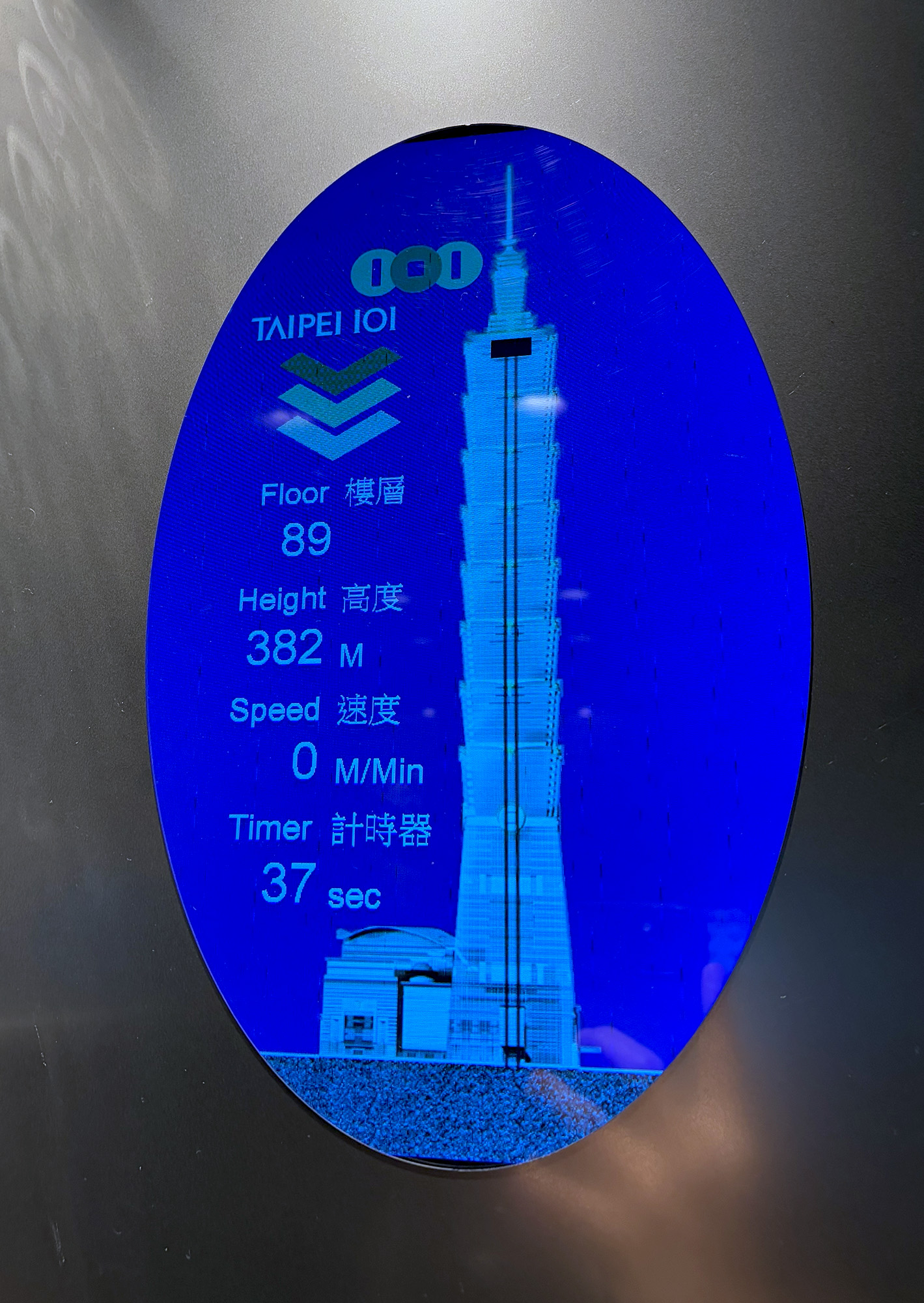
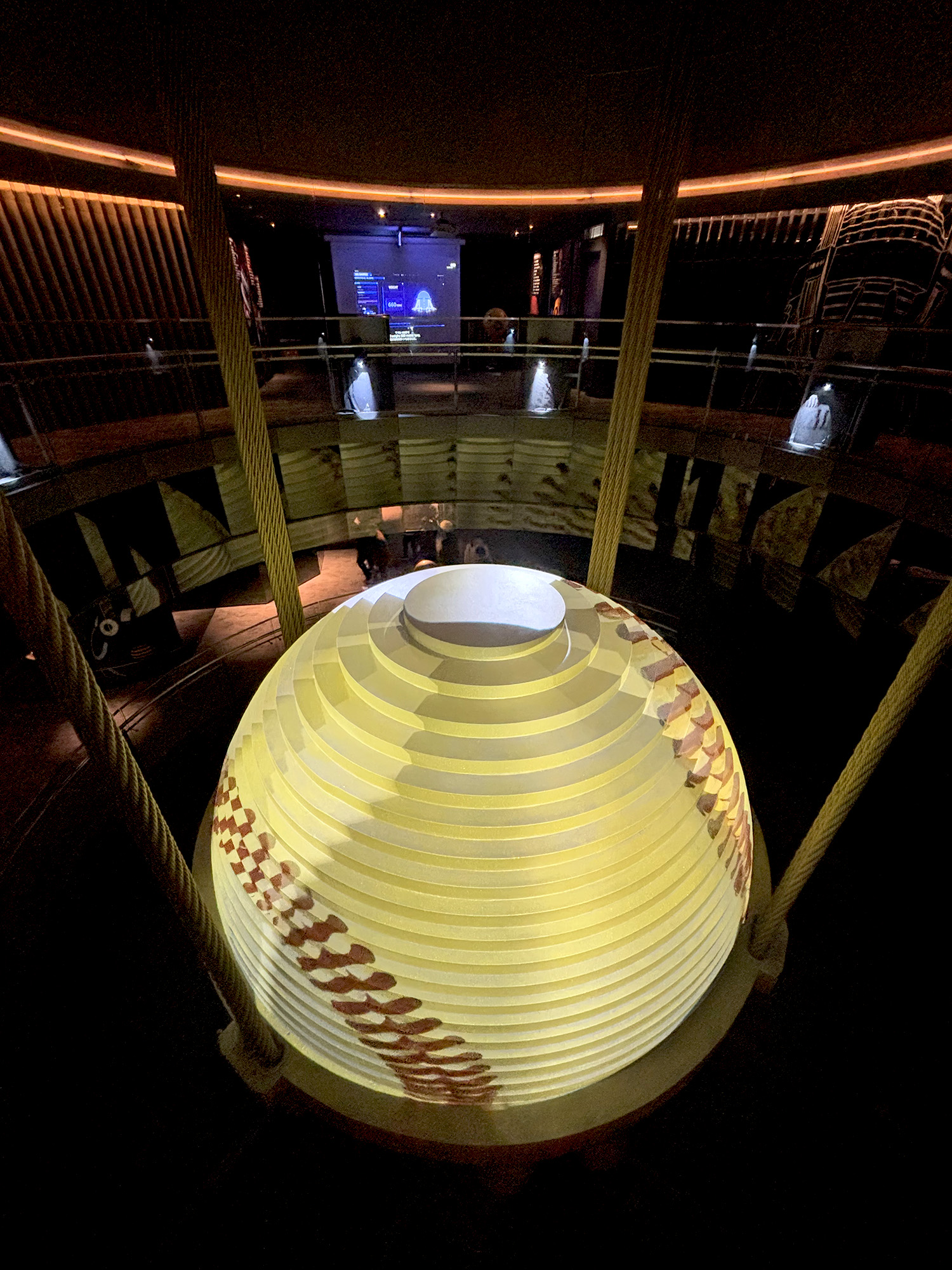
I still recall the day Taipei 101 dethroned the Petronas Towers in Kuala Lumpur, only to lose out a few years later to the Burj Khalifa. Over two decades old, it’s only the 11th tallest in the world today, but still manages to holds its own, what with its unique stacked-pagoda shape, or the world’s largest tuned mass damper, which weighs a staggering 660-tons, and is suspended across four floors. Despite the overcast conditions the day I visited, I ended up making the pilgrimage to its 89th-floor observation deck, just to have the satisfaction of riding, what is still, one of the fastest elevators in the world.

Confucius Say
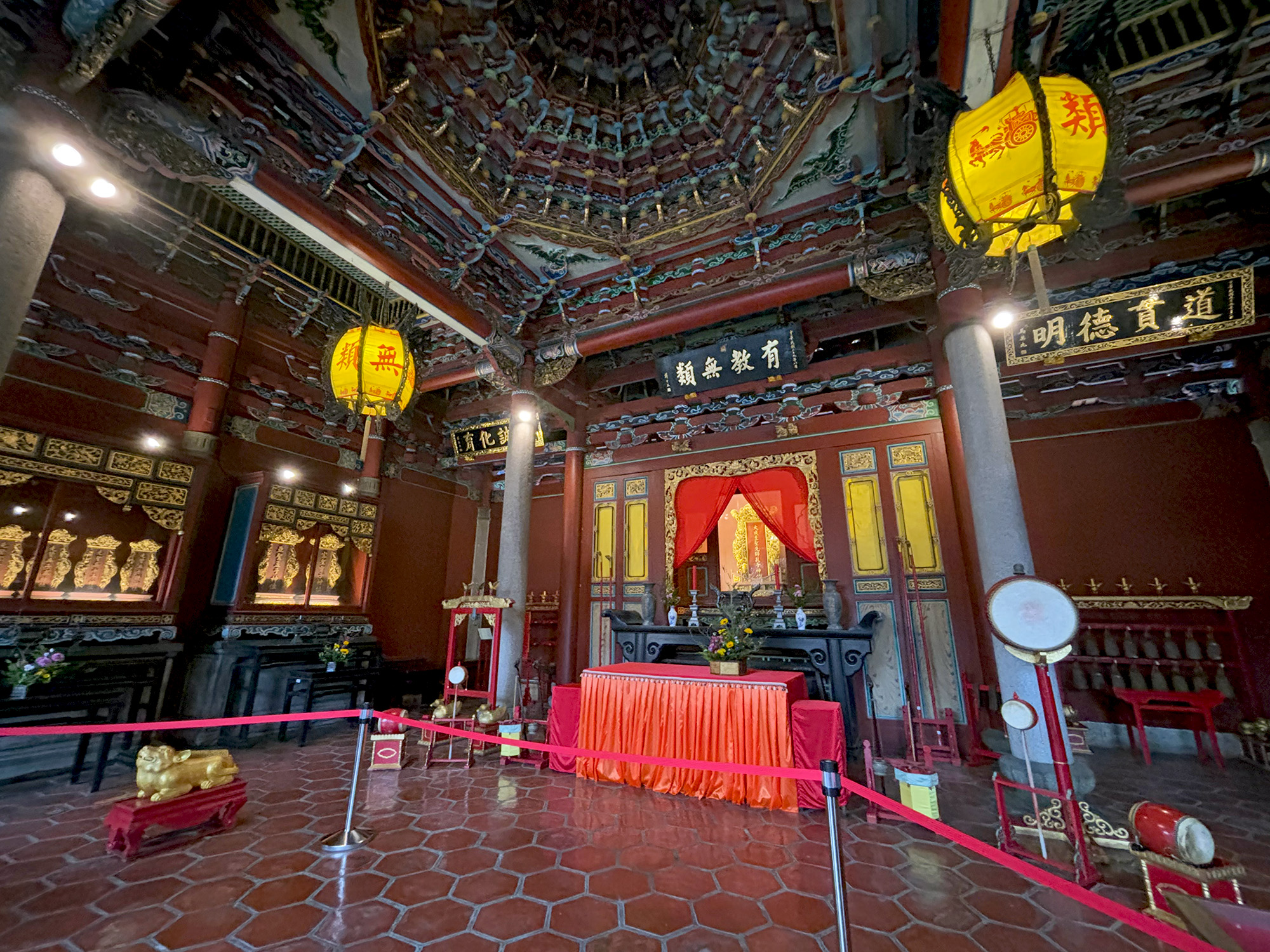
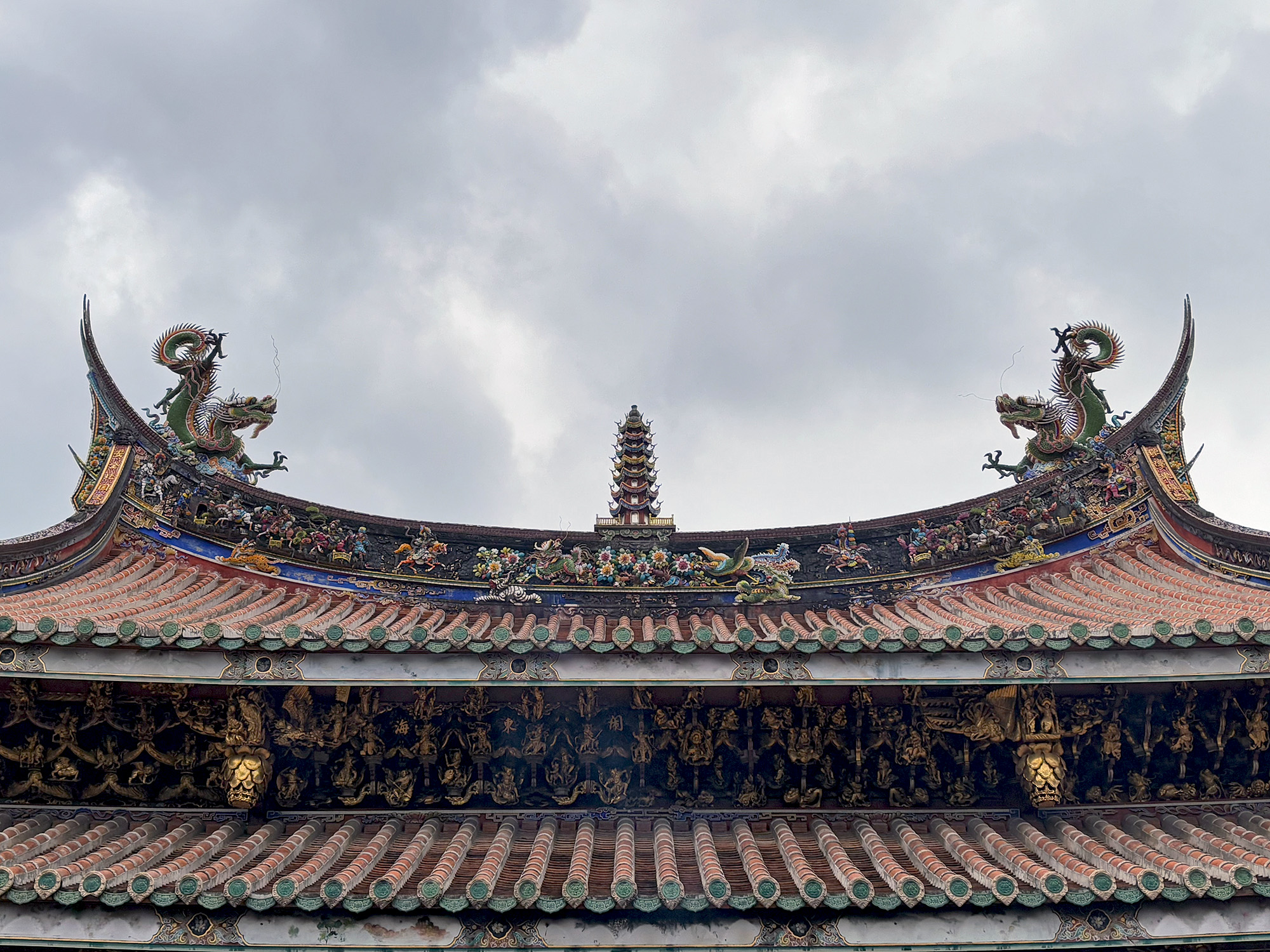
There’s the modern face of Taipei that’s hard to ignore, but there are also pockets of the city that appear lost in a time capsule. Like Dihua Street, with its lower-profile streetscape of baroque and Fujian-style buildings, or those grand colonial relics in central Taipei, built during the Japanese occupation, and beautifully kept up all these years later. The Dalongdong District in northwestern Taipei is another standout. Once the city’s historic heart, this laid back, largely working-class neighborhood, is home to two famous houses of worship; the Baoan Temple, dedicated to Taoism, and the Taipei Confucius Temple. While both are definitely worthy of a visit, if only to admire their exquisite 19th-century workmanship (the Baoan Temple is the older of the two), the one dedicated to Confucius is perhaps more engrossing. The free entry there comes with a handy multilingual brochure, and informative galleries within the temple complex that explain in fairly simple language, the Six Arts of Confucius. I walked away a tad bit more knowledgeable, and with a souvenir to boot; a traditional red envelope or hóngbāo, with the Chinese characters for “happiness, health and peace” hand-painted on it.


A Matter of Convenience
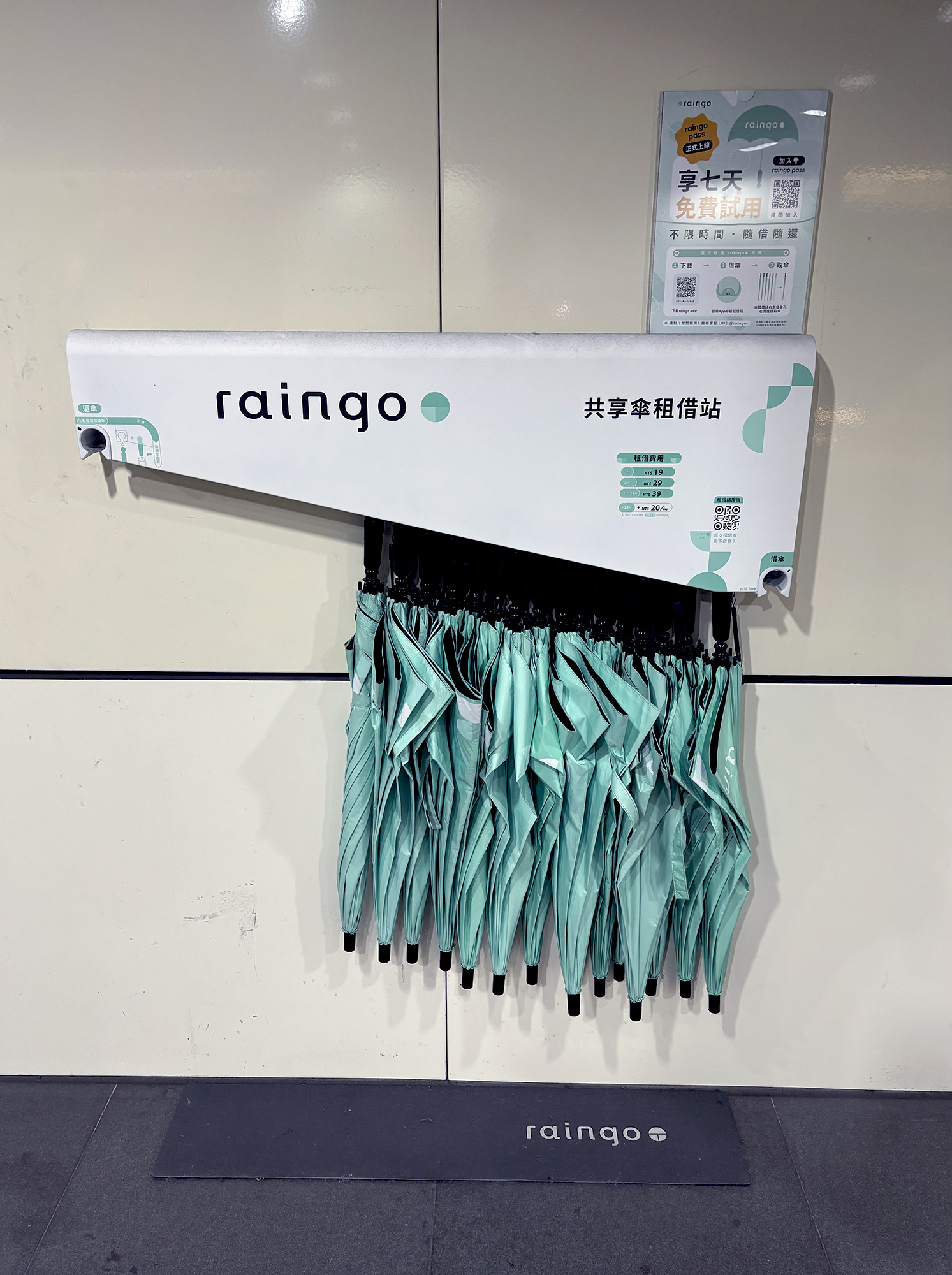
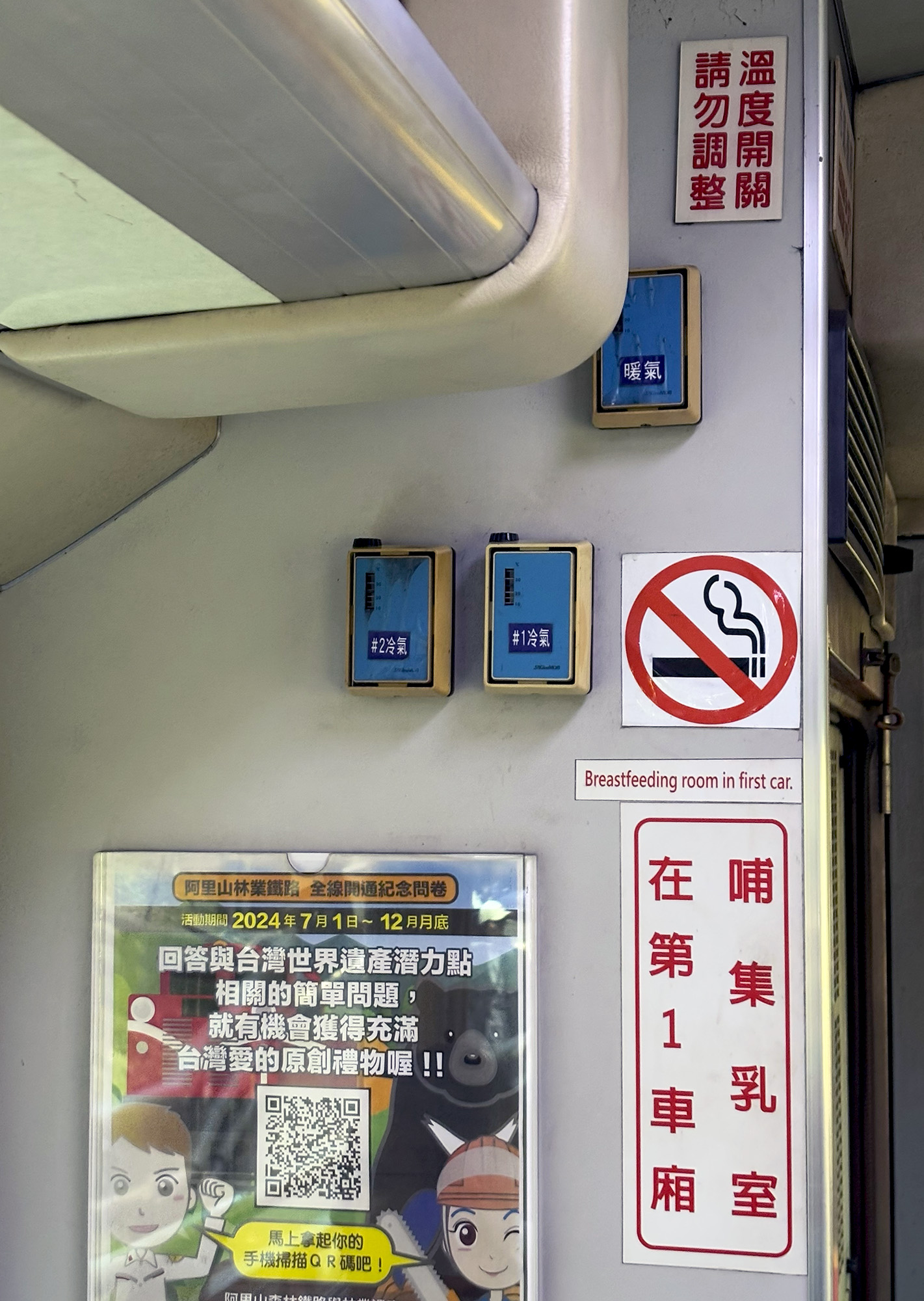
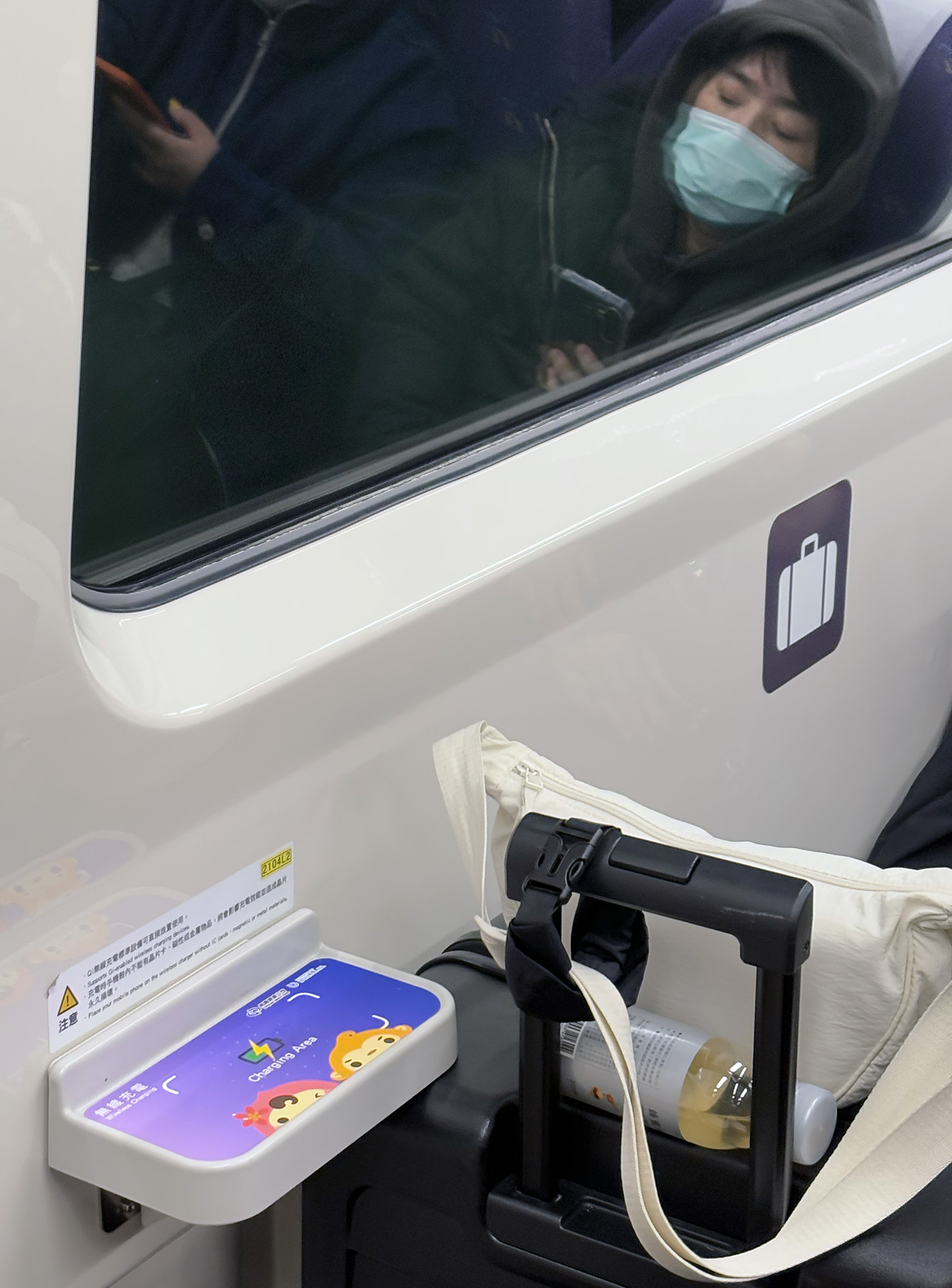
They say god is in the details, and in Taiwan those details often manifest in the least expected places. Just consider some of these. For a city that averages almost 200-days of rain, a shared umbrella rental service, located at the entrance and exits of practically every metro station. Little baskets by the side of your seat at a cafe, for placing your bag. Public urinals that auto flush before and after each use. Individual, rentable work pods at metro stations, in case you’re running late and need to get on that Zoom call at any cost. Heated toilet seats (granted, they got that from the Japanese). A pair of shorts for use, and a tote bag to put your footwear and trousers in, while getting a foot massage. Earmarked spaces in train carriages for breastfeeding mothers. A separate panel in elevators for wheelchair users. Drinking water coolers that dispense both hot and cold water. And for every other whim and fancy, an ample peppering of Seven Eleven’s and Family Marts, open all hours and stocked to the hilt. Taiwan is the kind of country that leaves you wondering, what did they not think of?

Metro for the Metropolis
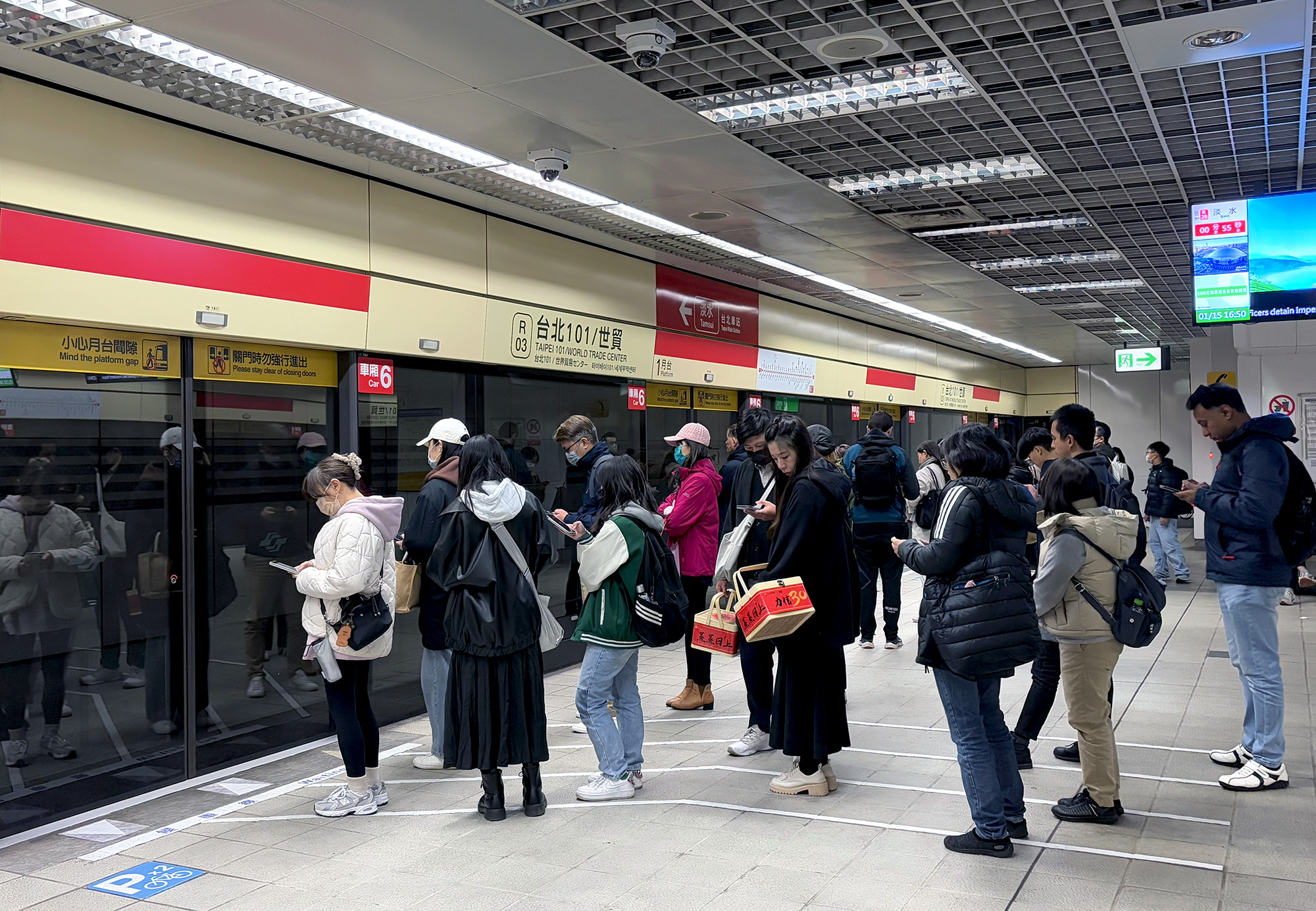
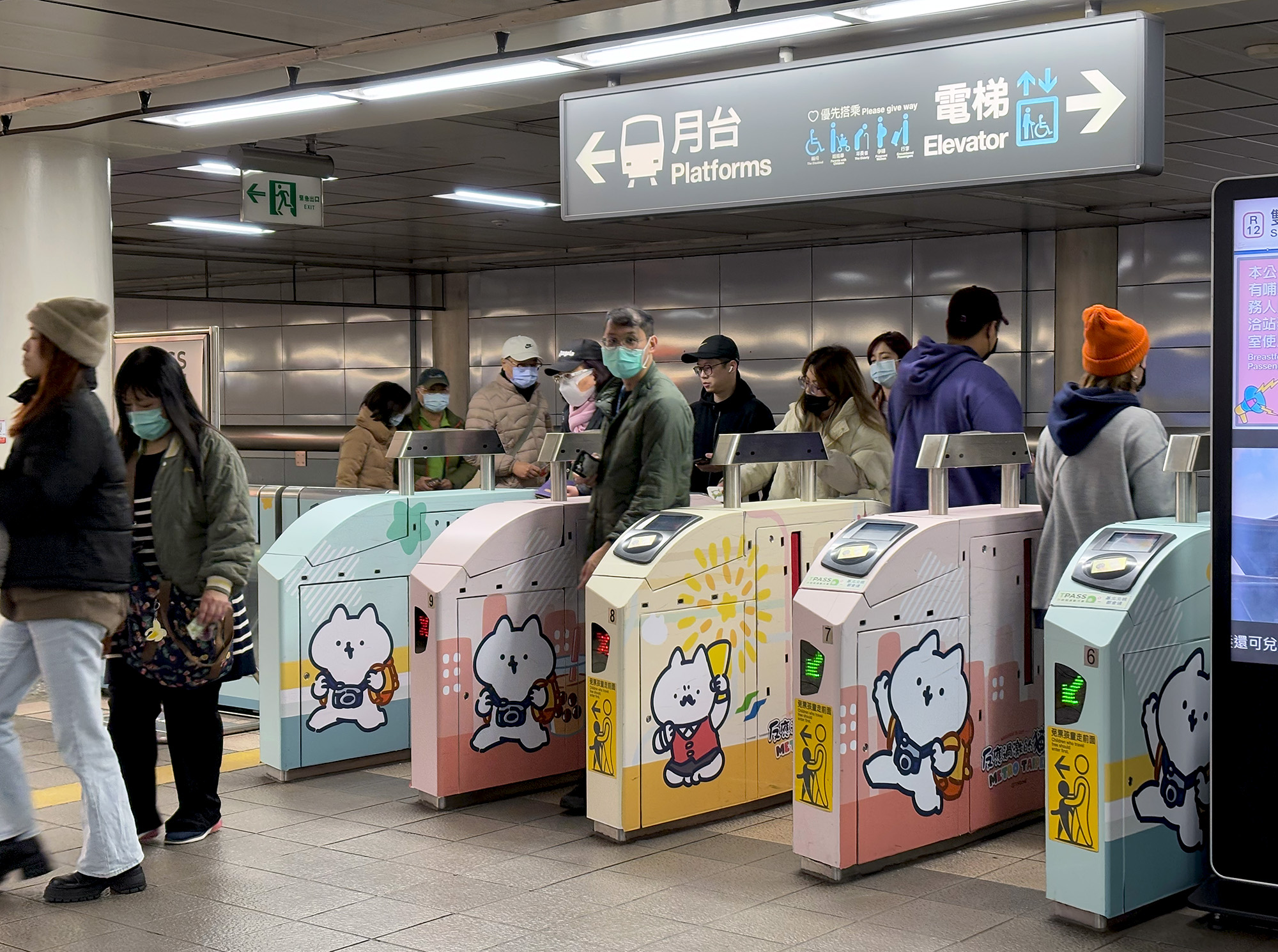
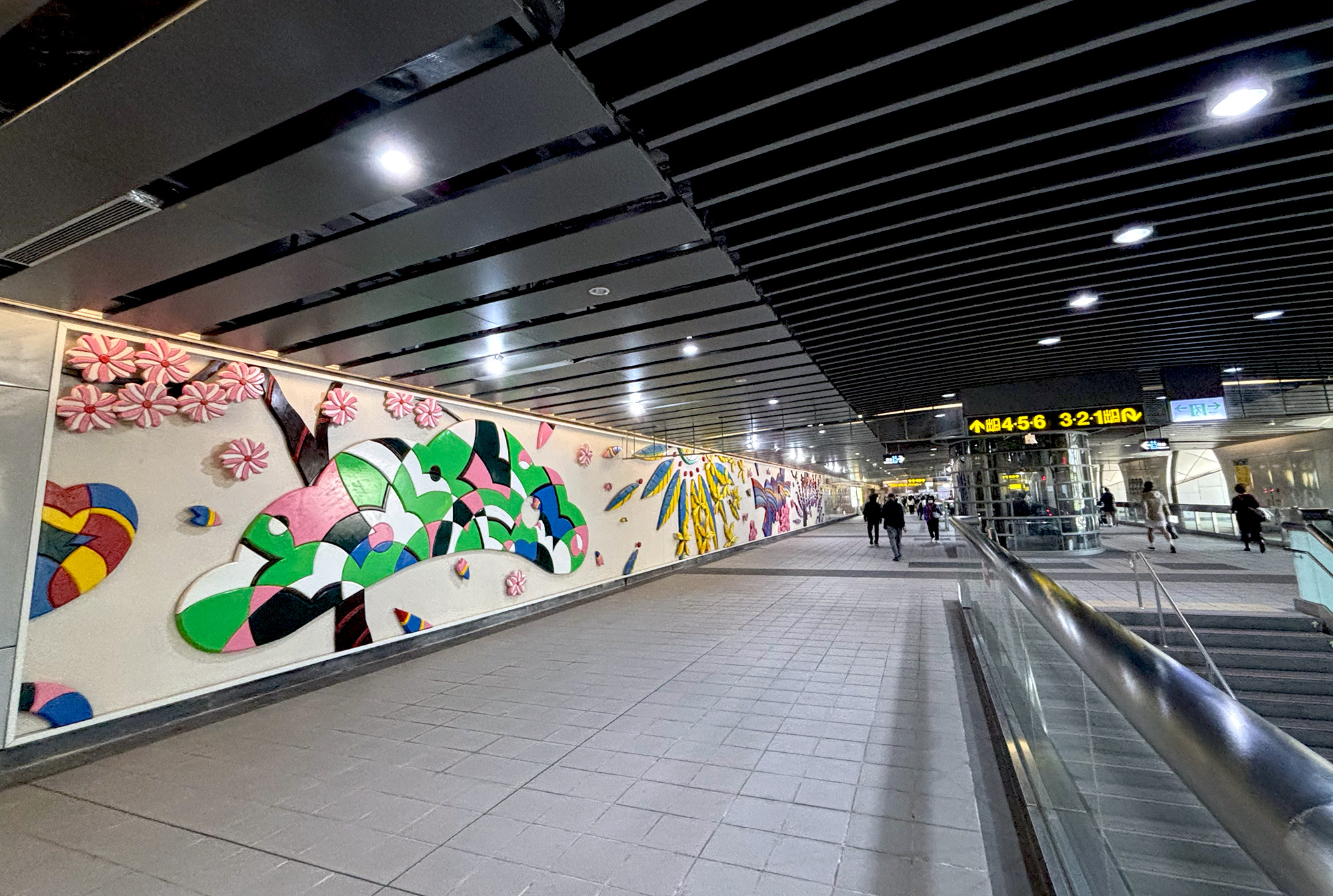
Speaking of convenience, and without further ado, let’s talk trains. First, a shoutout to the Taipei Metro. One of the best kept and most efficient rail transit systems I’ve had the pleasure of riding, not to mention how incredibly reasonable it is, especially when compared to other first world cities. Just under three decades old, it’s exceptionally easy to use, with well-designed stations, top quality trains, and high-frequency service. Essentially, everything one would expect from a solid transit system. Less than a hundred route miles in length, the Taipei Metro is definitely not amongst the largest metros out there, but it does move an impressive number of people nonetheless, and much credit for that goes to the high levels of consideration amongst the city’s commuters. It’s also very easy on the eyes – think Hello Kitty-themed turnstiles and vibrant station murals – and with arrival melodies and chimes similar to the Tokyo Subway, soothing on the ears too. Did I mention just how convenient it is?
The Little Red Train to Wonderland
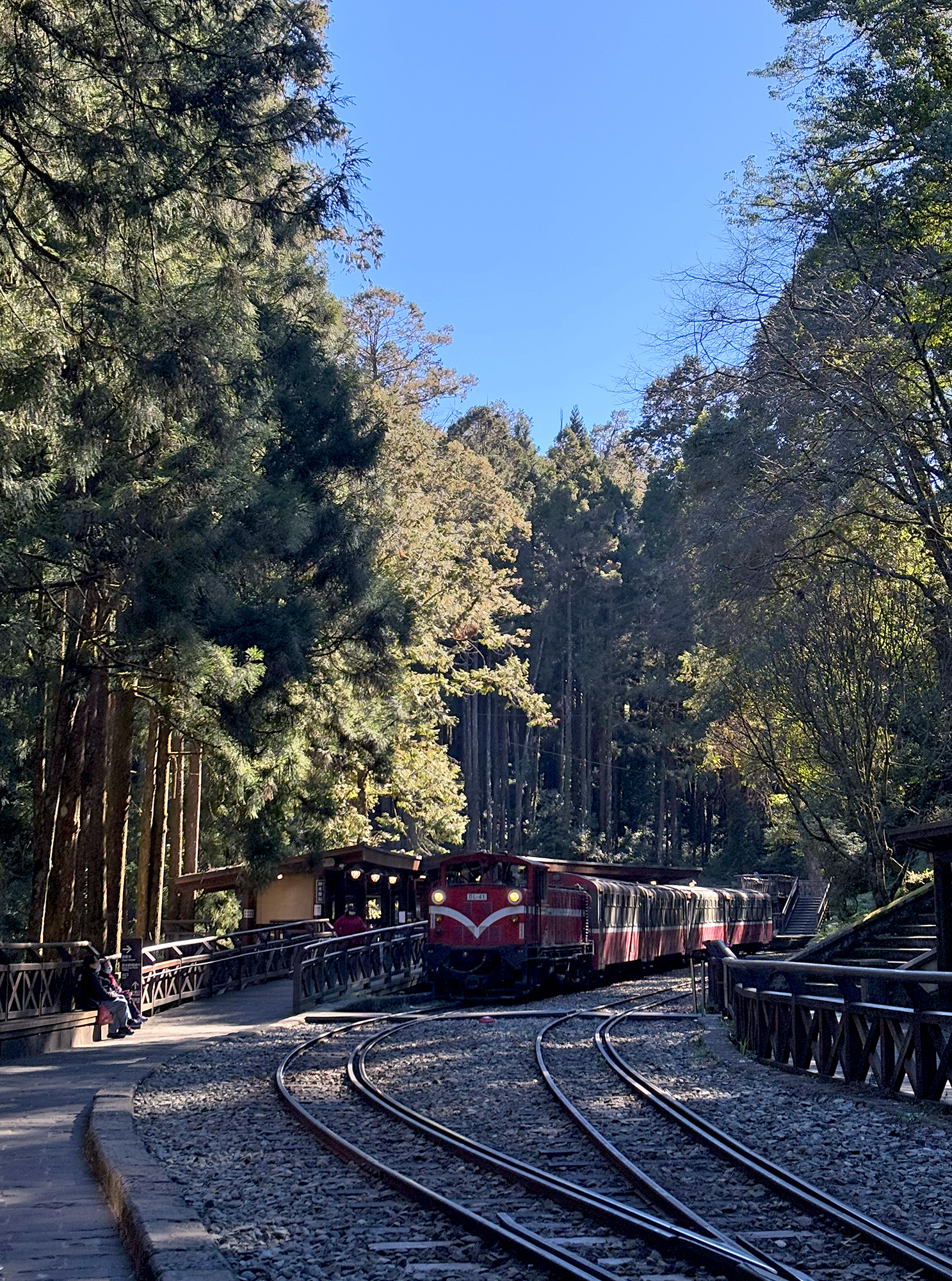
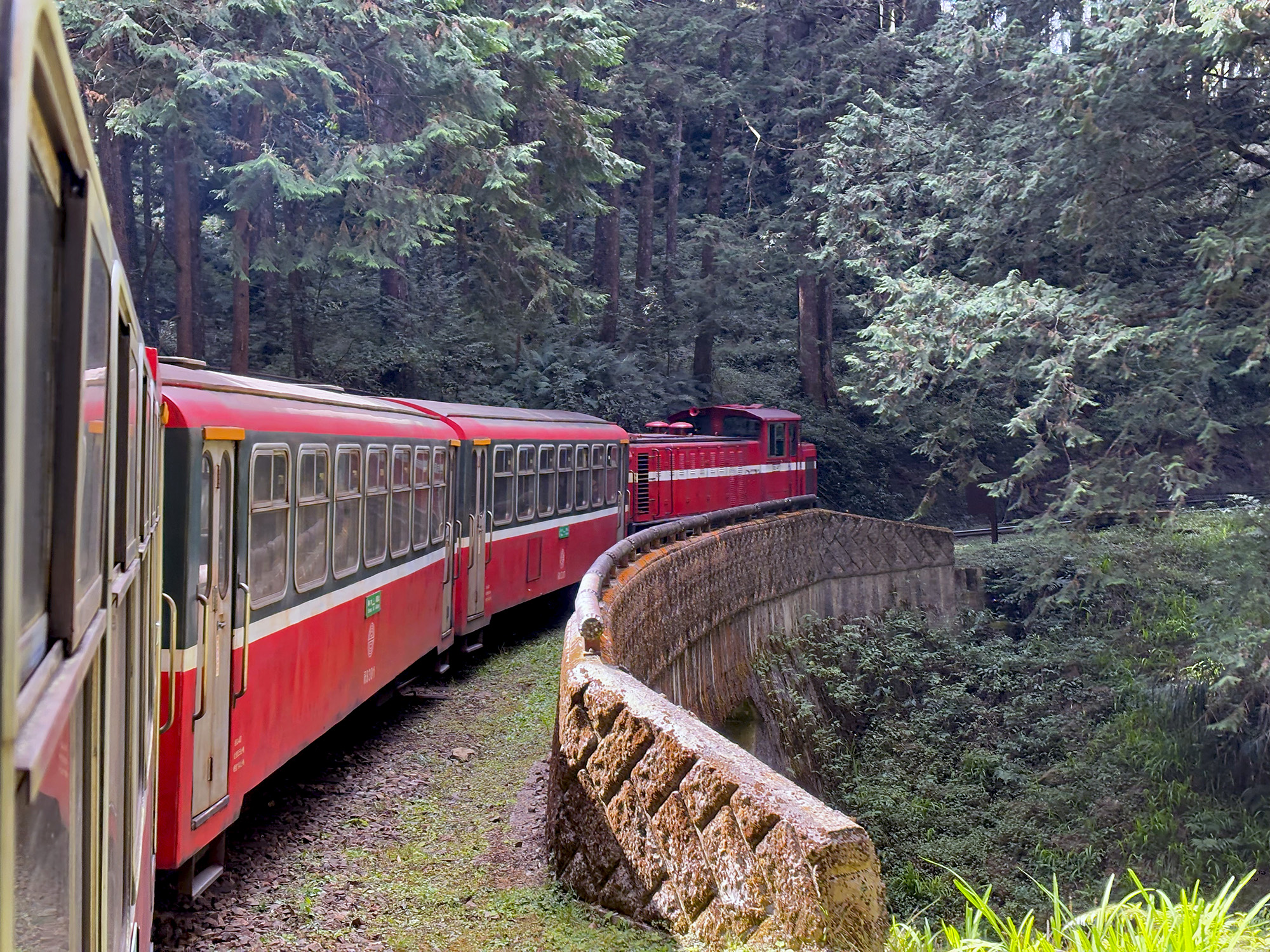
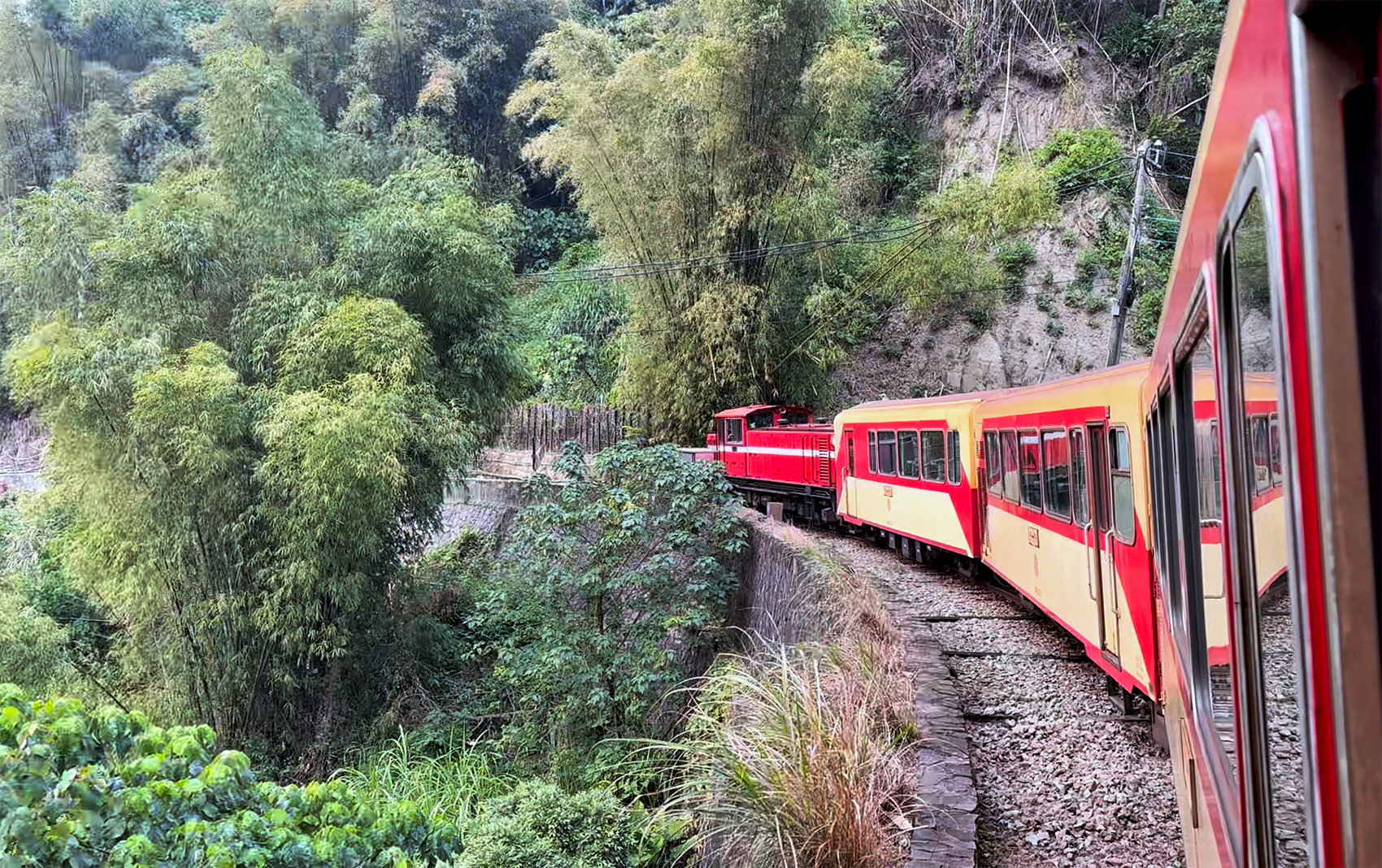
There are no overnight sleeper trains in Taiwan – not surprising given the country’s size – but the rail system there is an interesting one nevertheless, featuring conventional and high-speed rail, a mix of track gauges, a handful of bucolic branch lines, and, among other aspects of note, a robust catering service centered on Bento! Taiwan is also home to the Alishan Forest Railway, a wonderfully scenic narrow-gauge railway that climbs from the southern city of Chiayi, practically at sea-level, to just over 8000-feet (2350-meters) in the mountains. And I have no qualms in admitting, it was one of my primary reasons for visiting Taiwan. The entire length of the 44-mile (71-km) line reopened in the late summer of ’24, after a series of typhoons and earthquakes had wrecked havoc along its route, so I definitely lucked out visiting the country when I did.
Completed by the Japanese in 1912 to serve the logging industry, the route of the Alishan Forest Railway traverses a multitude of climate zones, starting out with spindly palms and thick groves of bamboo for company, weaving past terraced tea gardens as it climbs higher, and finishing up amidst an impenetrable cover of conifers. Along the way, the train crosses almost 80 bridges (a vast majority of them wooden), negotiates multiple switchbacks, climbs gradients as severe as 6.2%, and cuts through 50 tunnels. Eleven of those tunnels lie within a 3-mile section known as the Dulishan Spiral, where the track crosses over itself ten times, gaining 734-feet (233 meters) in the process, and in doing so, sailing right into the record books for being the world’s longest railway spiral. If there weren’t enough about this railway for me to love already, it’s also reminiscent of India’s Kalka – Simla Railway, one of my favorite narrow-gauge lines growing up.

The Gentle Giants of Alishan
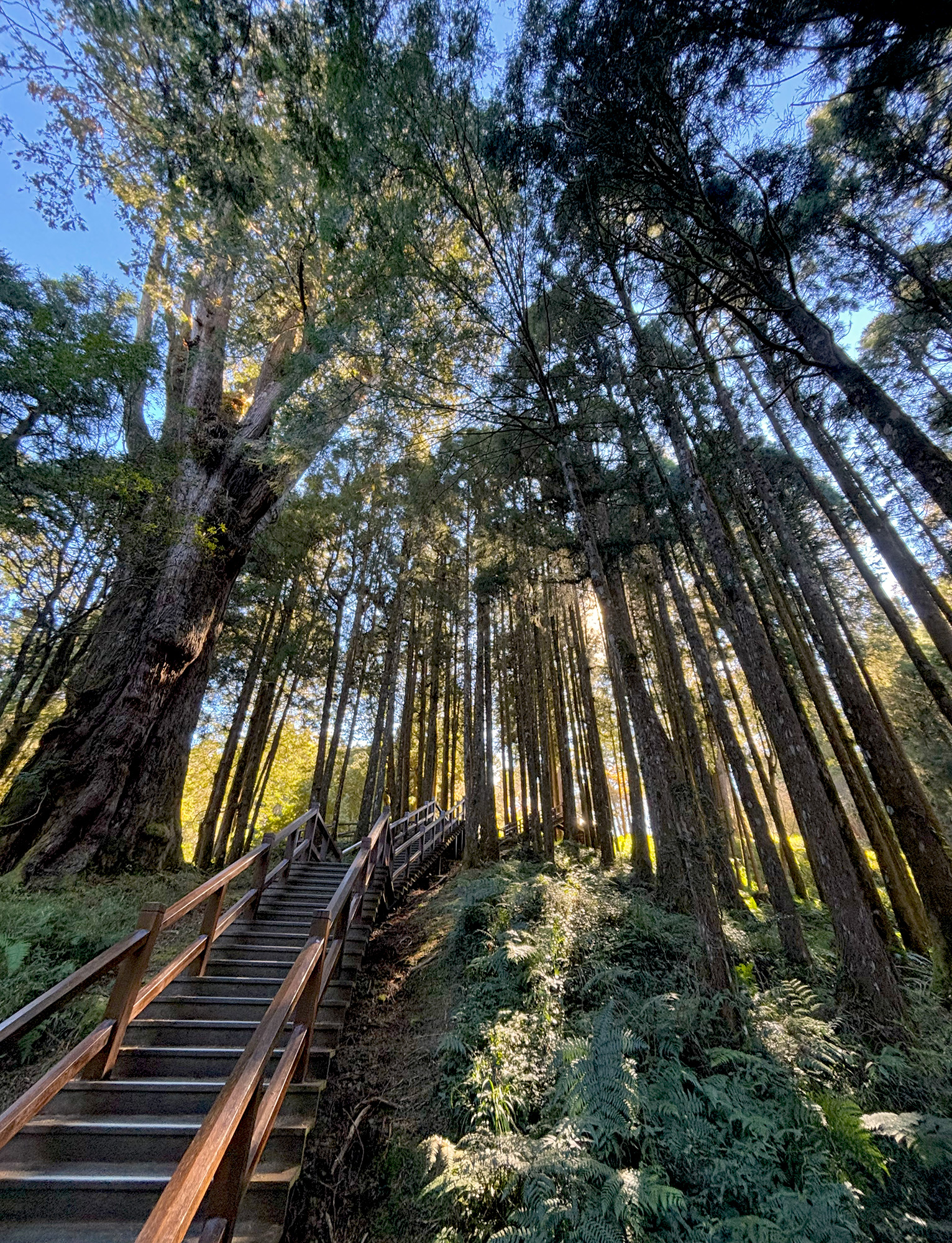
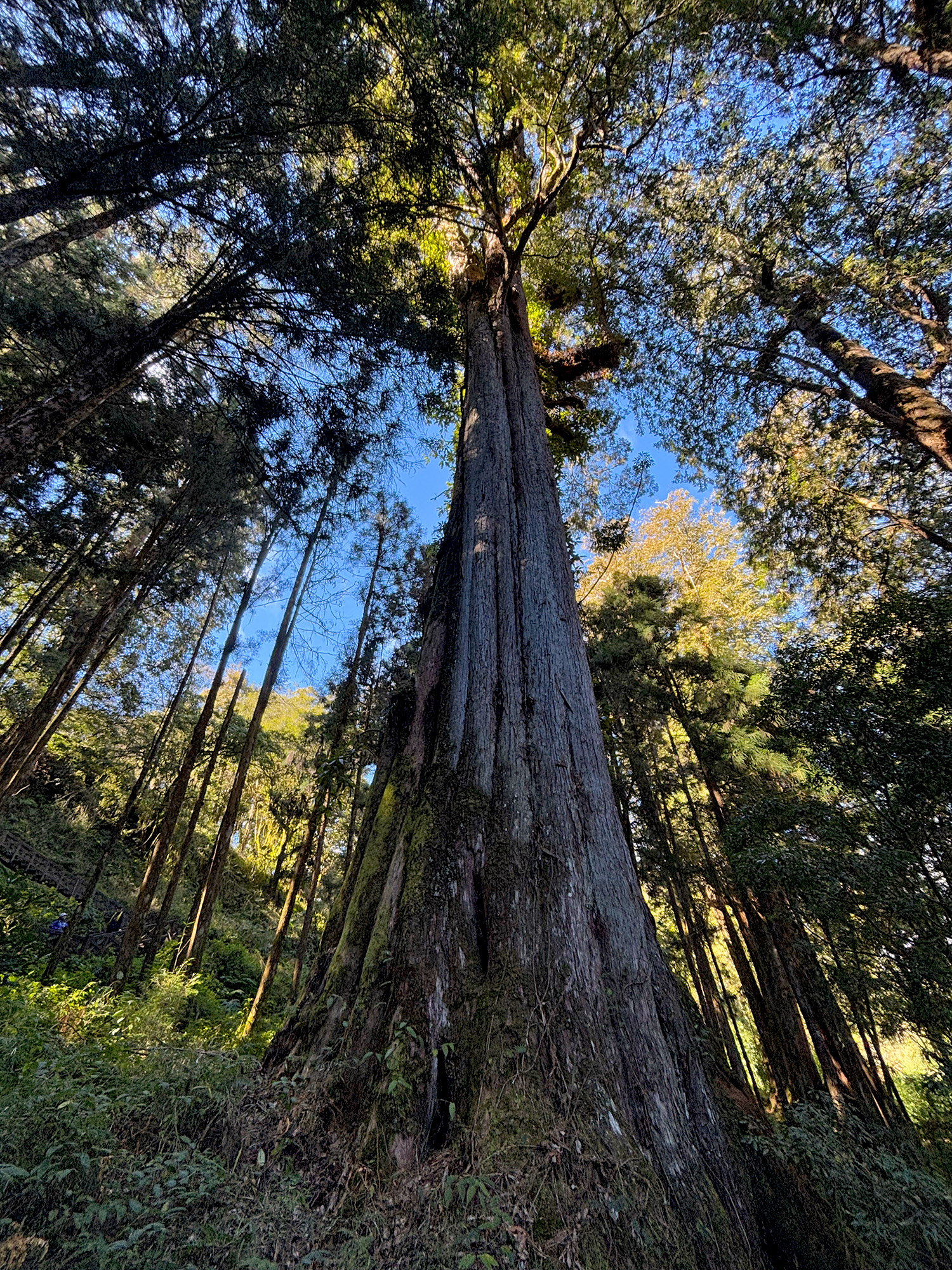
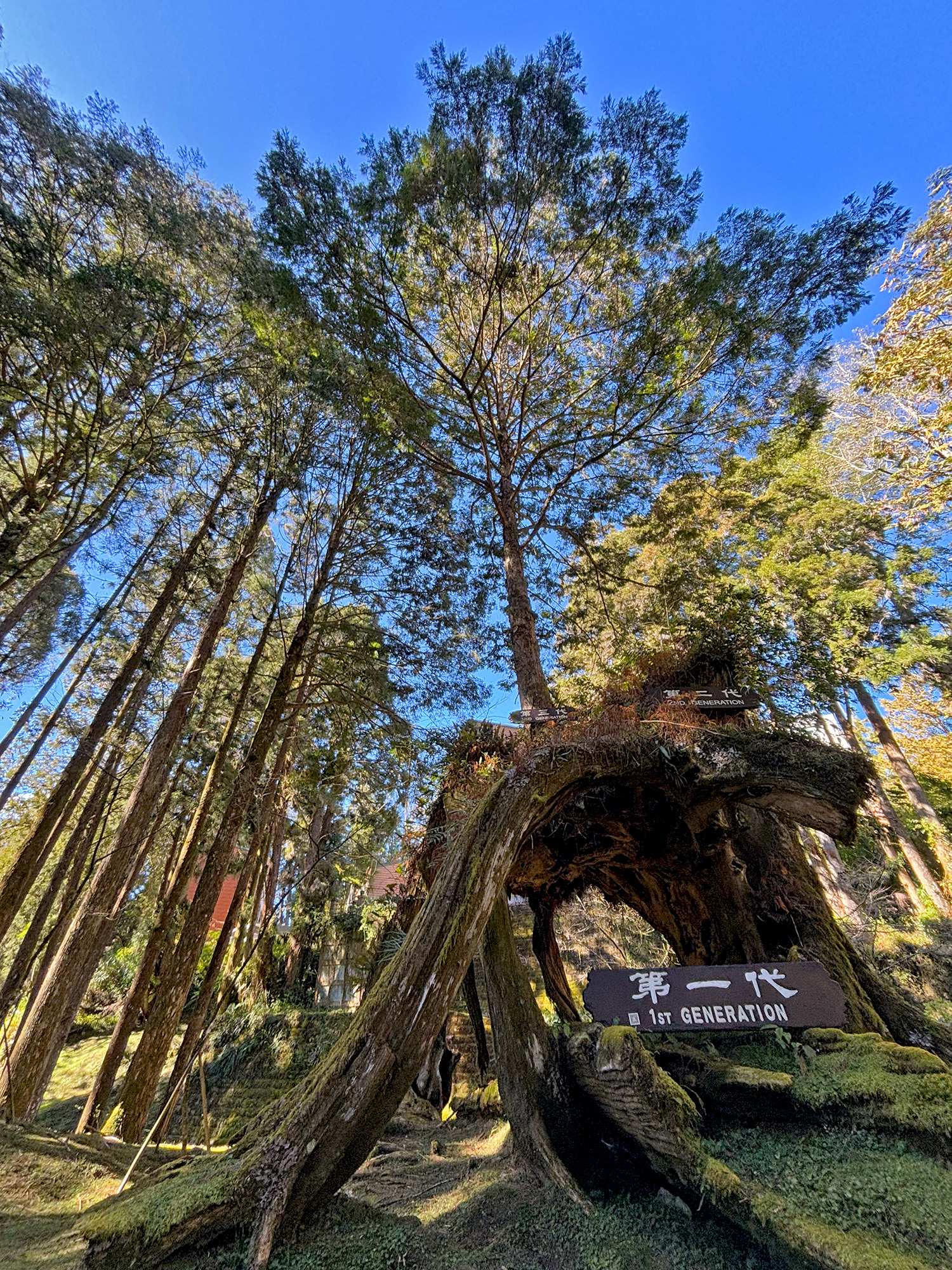
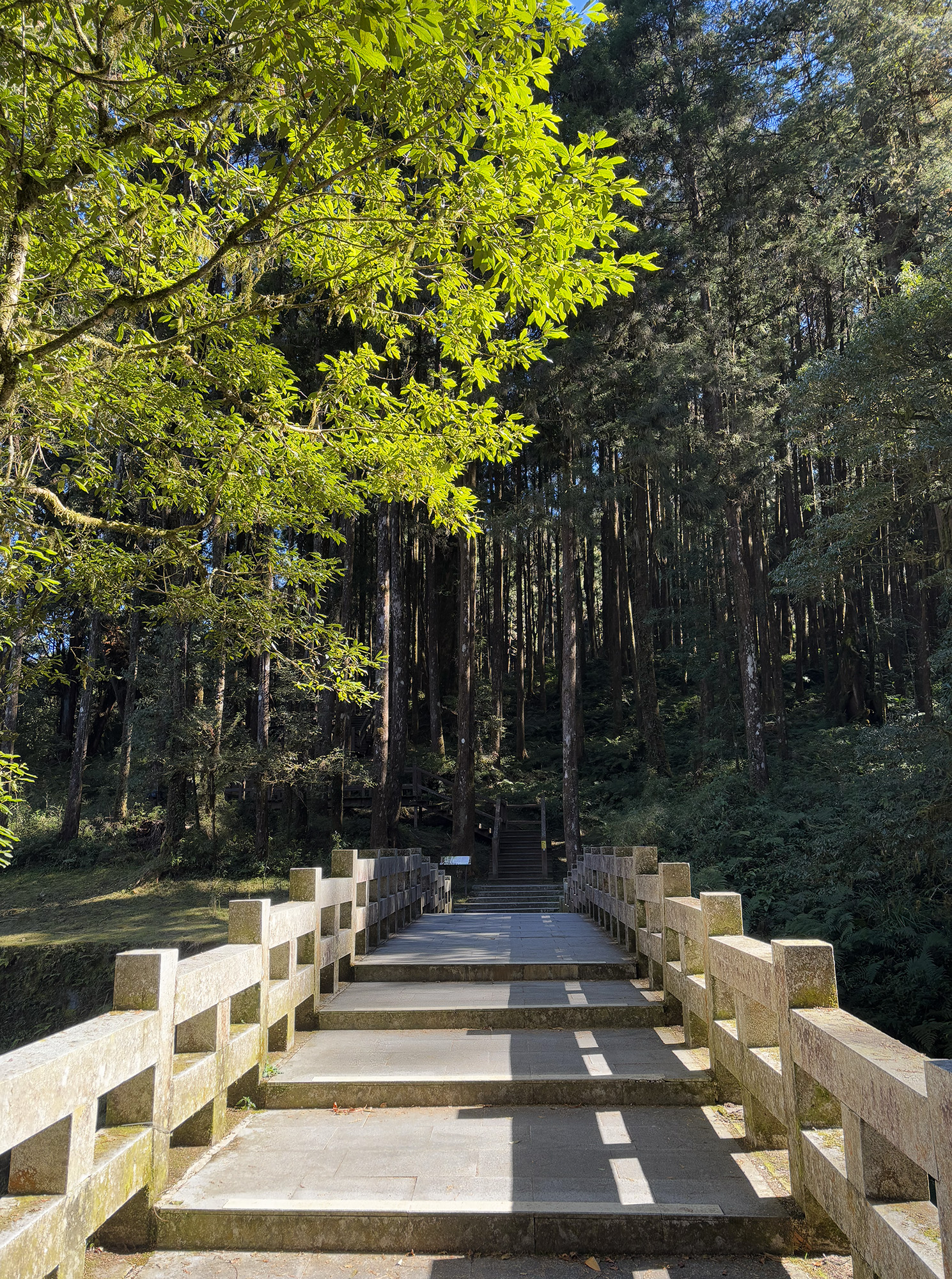
When I was headed to Taiwan, I had no idea just how lofty the little island nation was. Turns out, it has the highest density of mountains in the world, with almost 300 peaks hovering above the 3,000-meter mark. Amongst them is Yushan or Jade Mountain, East Asia’s tallest, clocking in just shy of 13,000-feet (3,950-meters). Impressive for a country that’s about a tenth the size of Japan. Five thickly forested mountain ranges cover over 70 percent of the country’s landmass, one of them being the Alishan Mountain Range, which the namesake railway serves. The Alishan Mountains are not as tall as some of Taiwan’s other mountain ranges, but that lack of altitude is more than made up for by one of the oldest ecosystems in the country. Within the Alishan Forest lie two of the world’s six species of cypress, the Formosan Cypress and Taiwania. Together, they constitute some of the tallest – rising to a height of 160-feet (50-meters) – and by far the oldest trees to be found in Taiwan, with several of them over a thousand years old. In Taiwan, where giant cypress trees are considered sacred, the name Alishan roughly translates to ancestral mountain. In India, the word in Hindi has a very different meaning, translating to “luxurious” or “stately”; perhaps a more accurate summation of these truly majestic beings.

Alishan Forest Railway, practical information: The railway provides service on a variety of routes, the longest of those being from Chiayi to Alishan. Tickets can be booked online, with sales beginning 14 days in advance, but your chances of securing a seat are a lot higher if you travel downhill. For the Sunrise Train to Zhushan, tickets can be booked online or bought in person the morning of departure. Likewise with the Shuttle Trains that run throughout the day to Zhaoping and Shenmu, both stations providing visitors access to the many hiking trails within the Alishan National Scenic Area.
A full set of pics from the Alishan Forest Railway and my time in Taiwan can be seen on my Flickr.
 brat's ramblings