
It’s not often that a single destination coaxes me to put out an album in excess of a hundred images. Oaxaca (pron. Wah haa kuh) did precisely that. Long on my list of places to visit, the southern Mexican state of Oaxaca, and in particular, its namesake capital, turned out to be one of the most photogenic locales I’ve ever set foot in. It helped, of course, that I was there with a friend who’s a keen photographer, and that our visit was timed around the state’s Carnaval celebrations. Through our packed four-day itinerary, Oaxaca plied us with endless charm.
Día Uno
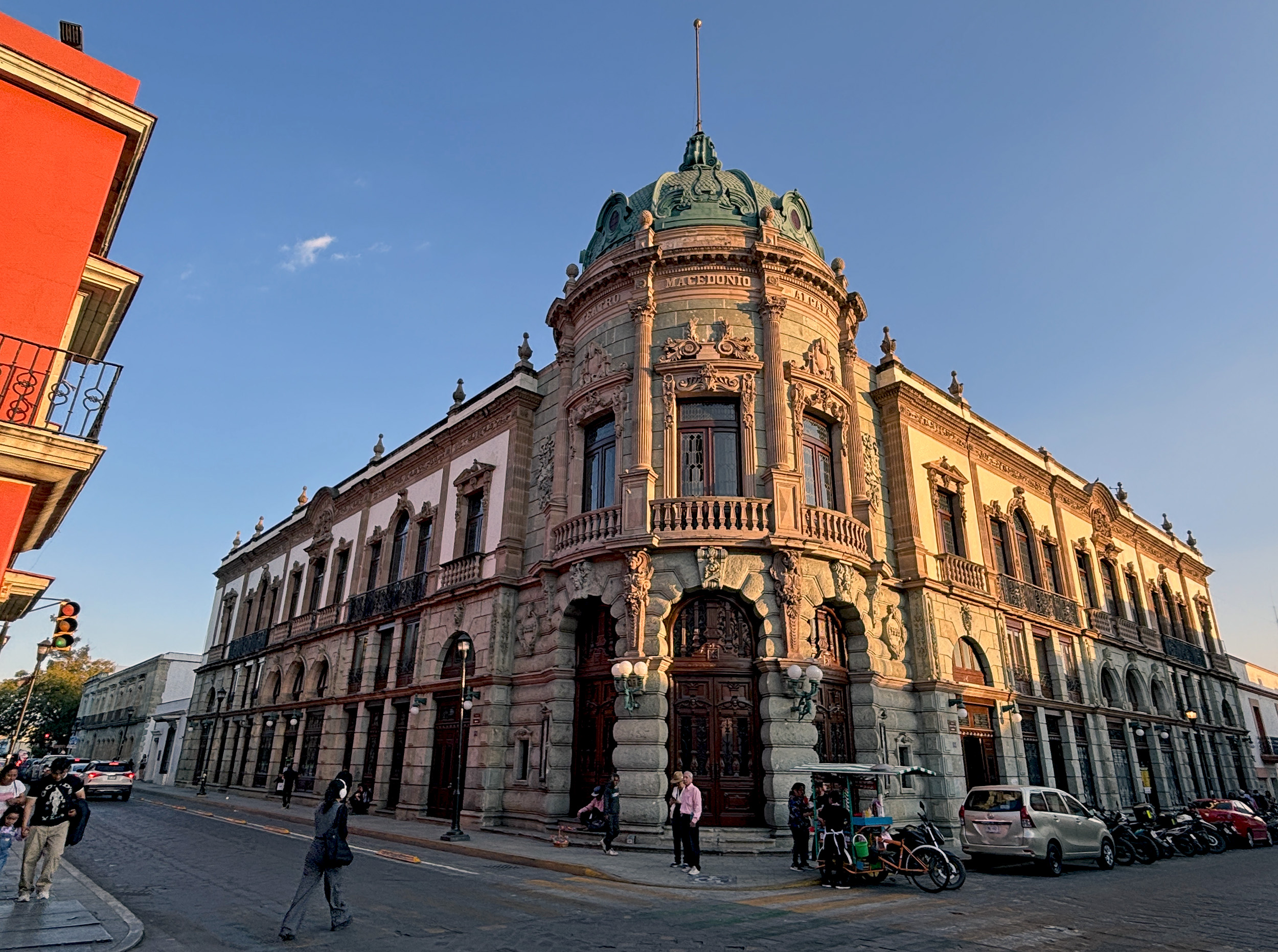
A treasure trove of colonial-era architecture, Centro — the historic city center of Oaxaca — has been a world heritage site since ’87. Within it lie grand monuments, religious and cultural institutions, lively plazas, and a plethora of cafes, restaurants and bars; all woven together by a maze of narrow cobblestone streets. Add to that an art-filled streetscape, and a backdrop of mountains, and you have a city center that’s justifiably worthy of envy.
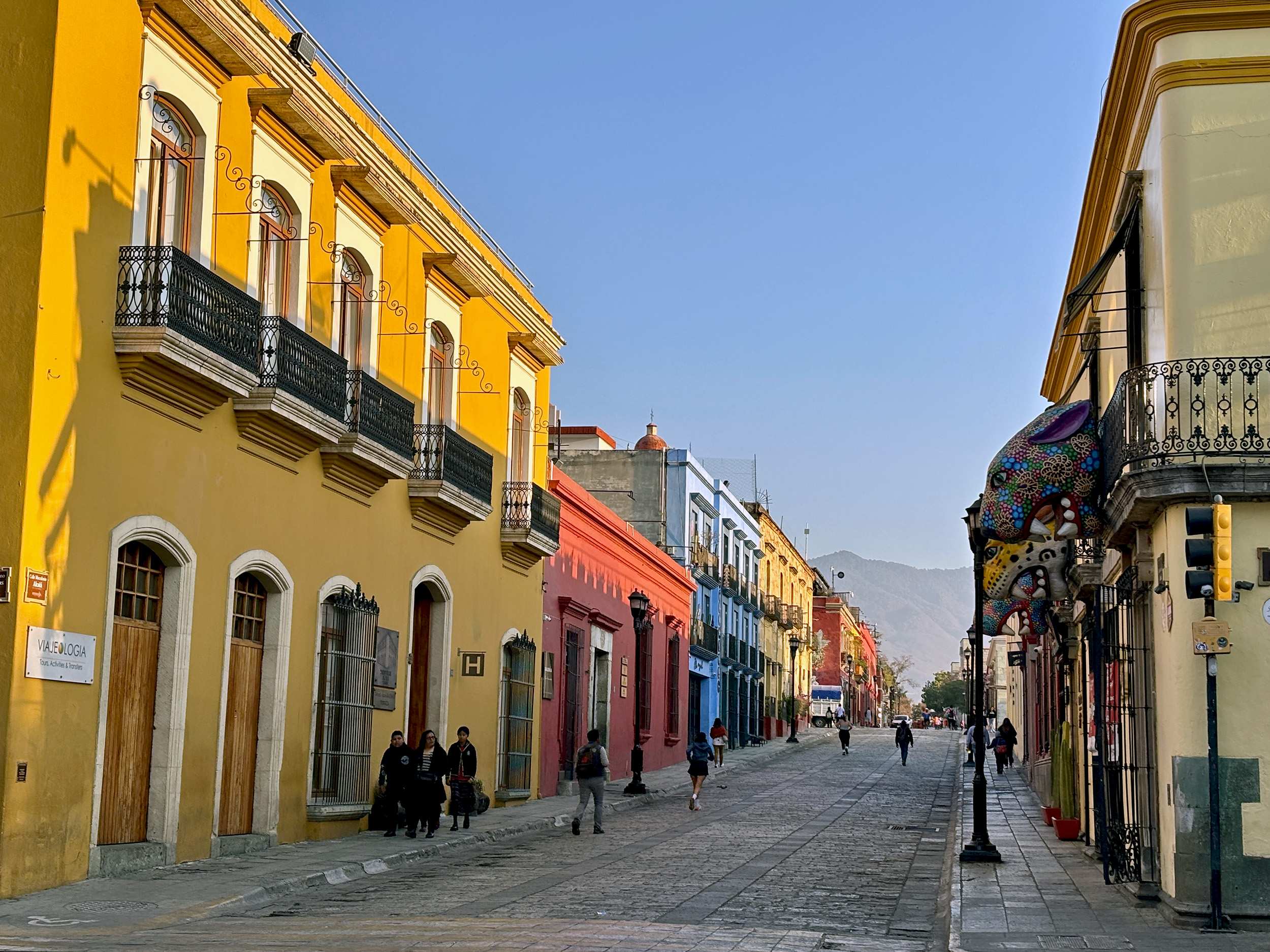
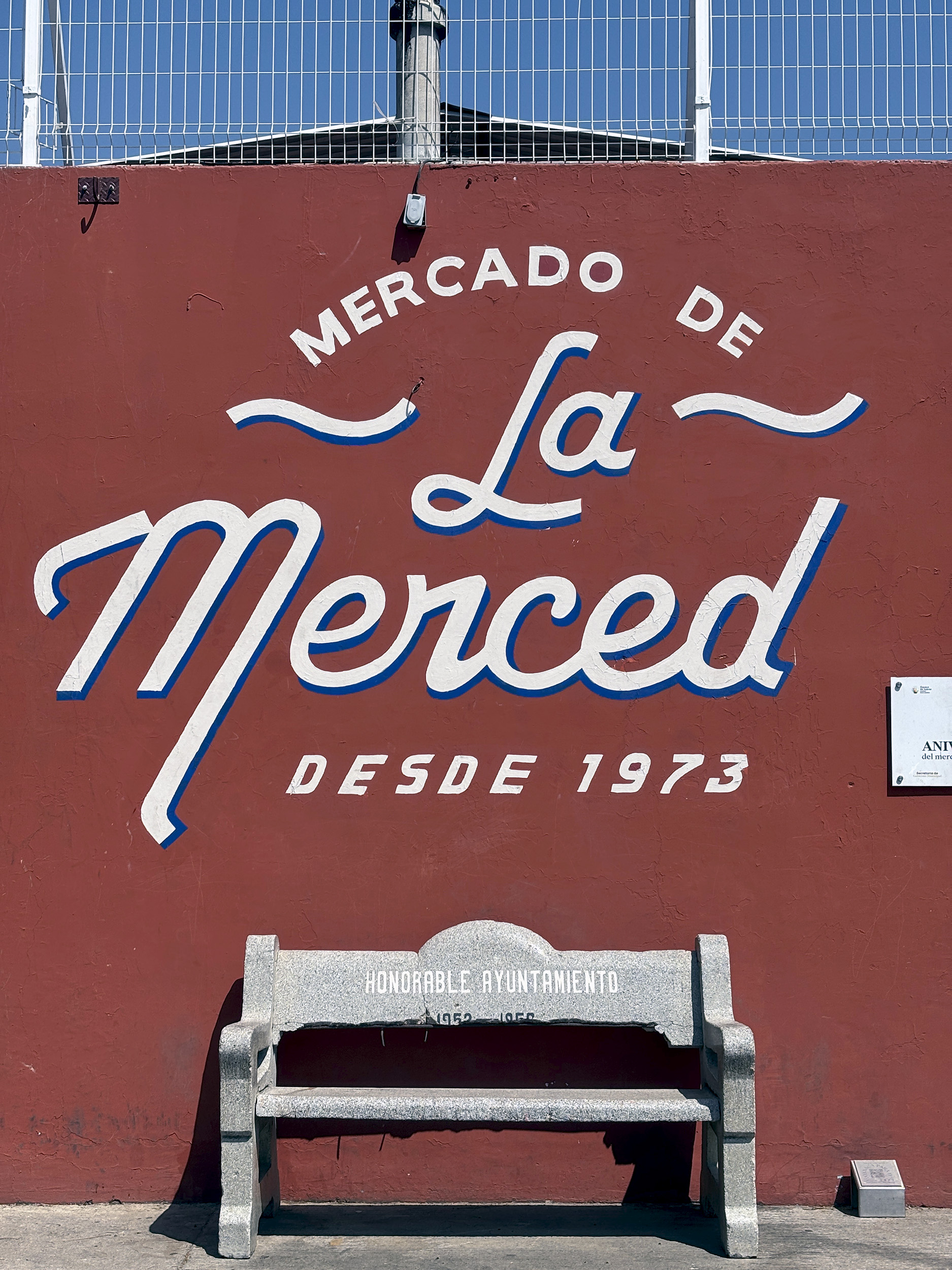
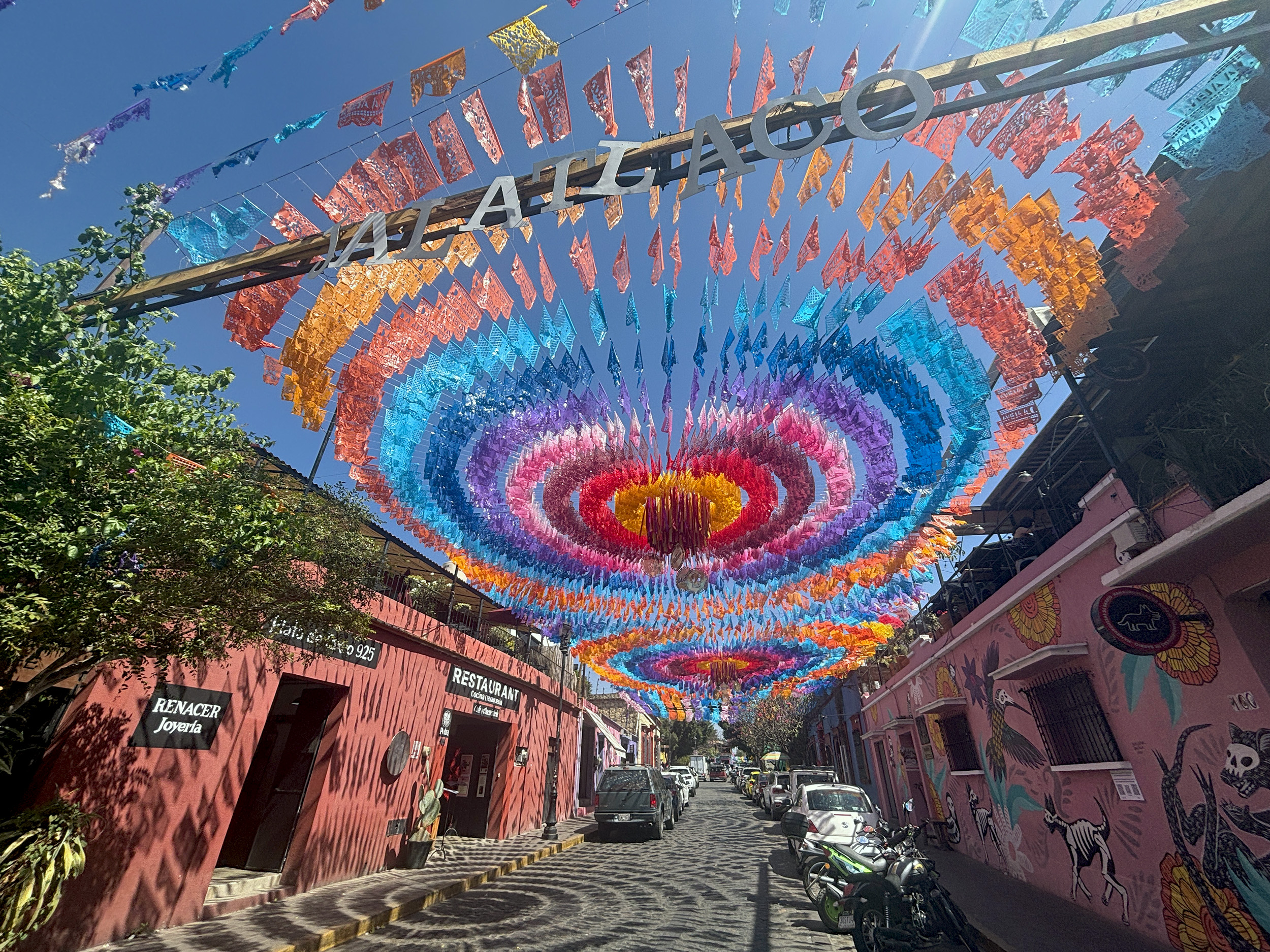
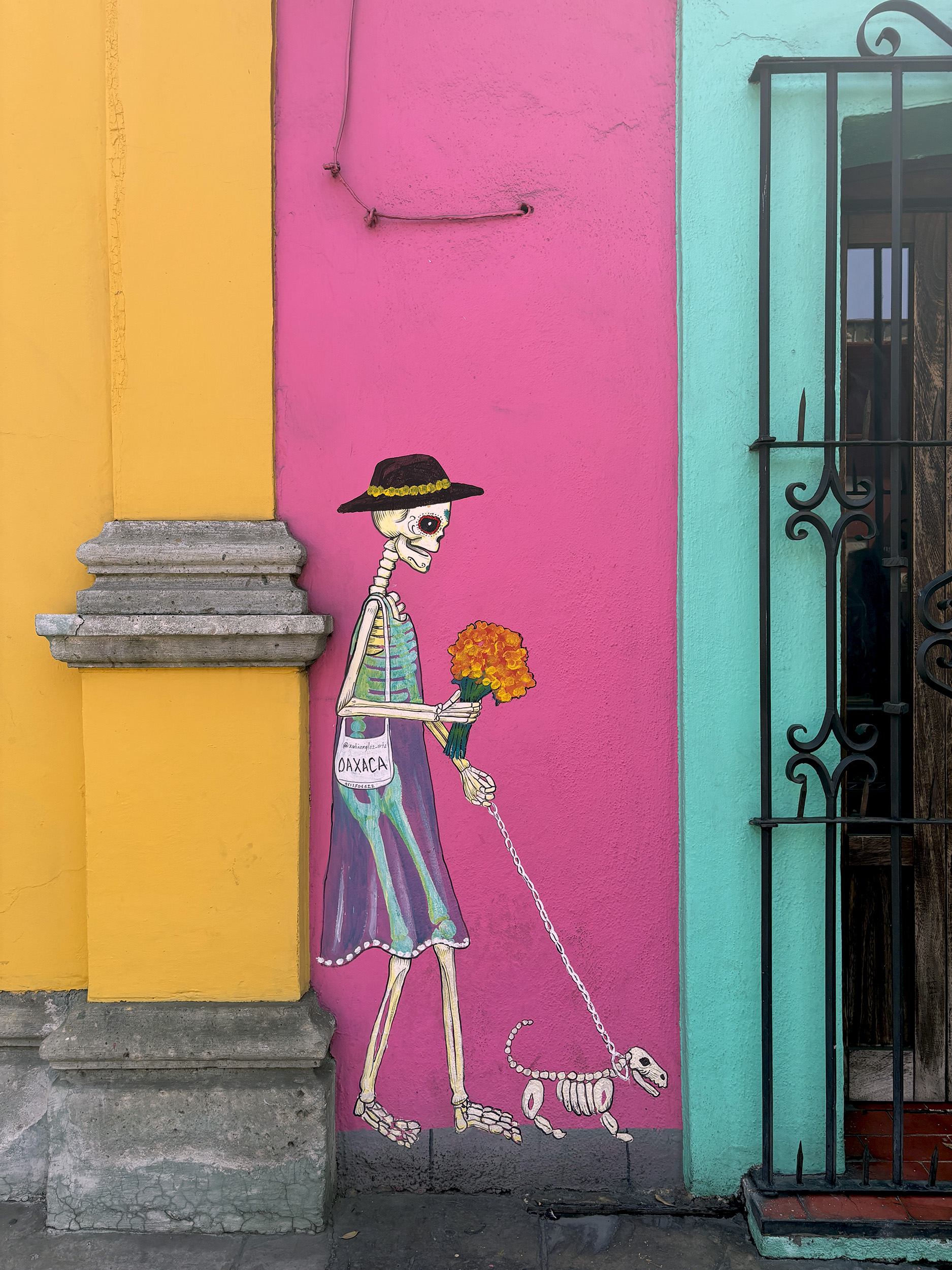
At the northern edge of Oaxaca Centro sits Mercado de la Merced, a covered marketplace, and one of three that lie within the city center. At a food stall in the market, a lunch order of assorted memelas is TP and my first real introduction to Oaxaqueño cuisine. Exiting the market from its north side sets us down in the neighborhood of Jalatlaco, one that’s replete with murals and colorful facades, brimful of hip cafes, and evidently, the barrio of choice for coastal expats. Back in Centro, we sample tejate, a beverage from pre-Hispanic times, across from Templo del Carmen Alto. An artisans market lines the plaza adjacent to the church, and across from the holy site stands a storied culinary institution, high on our ever-expanding list of places to try.
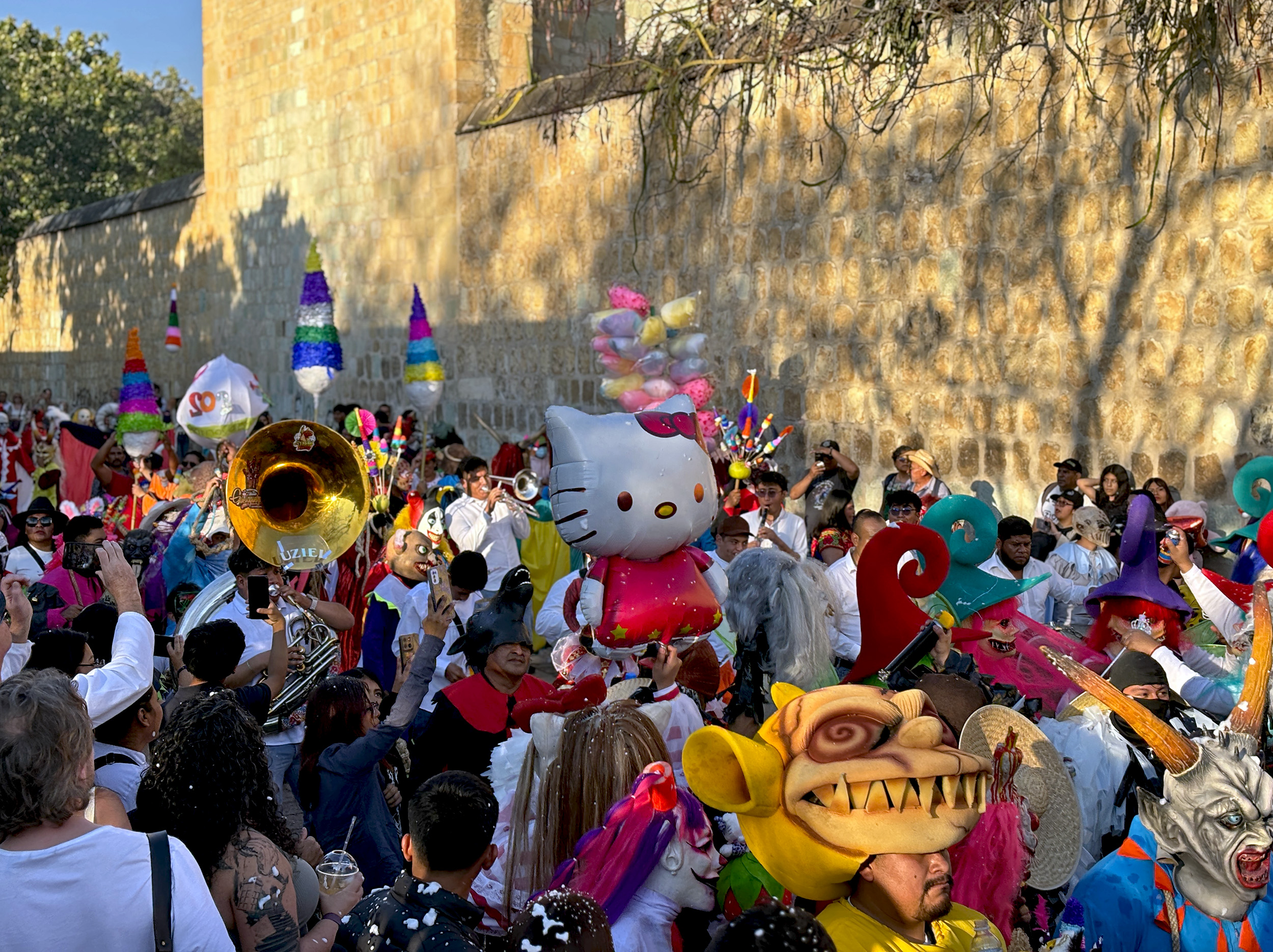
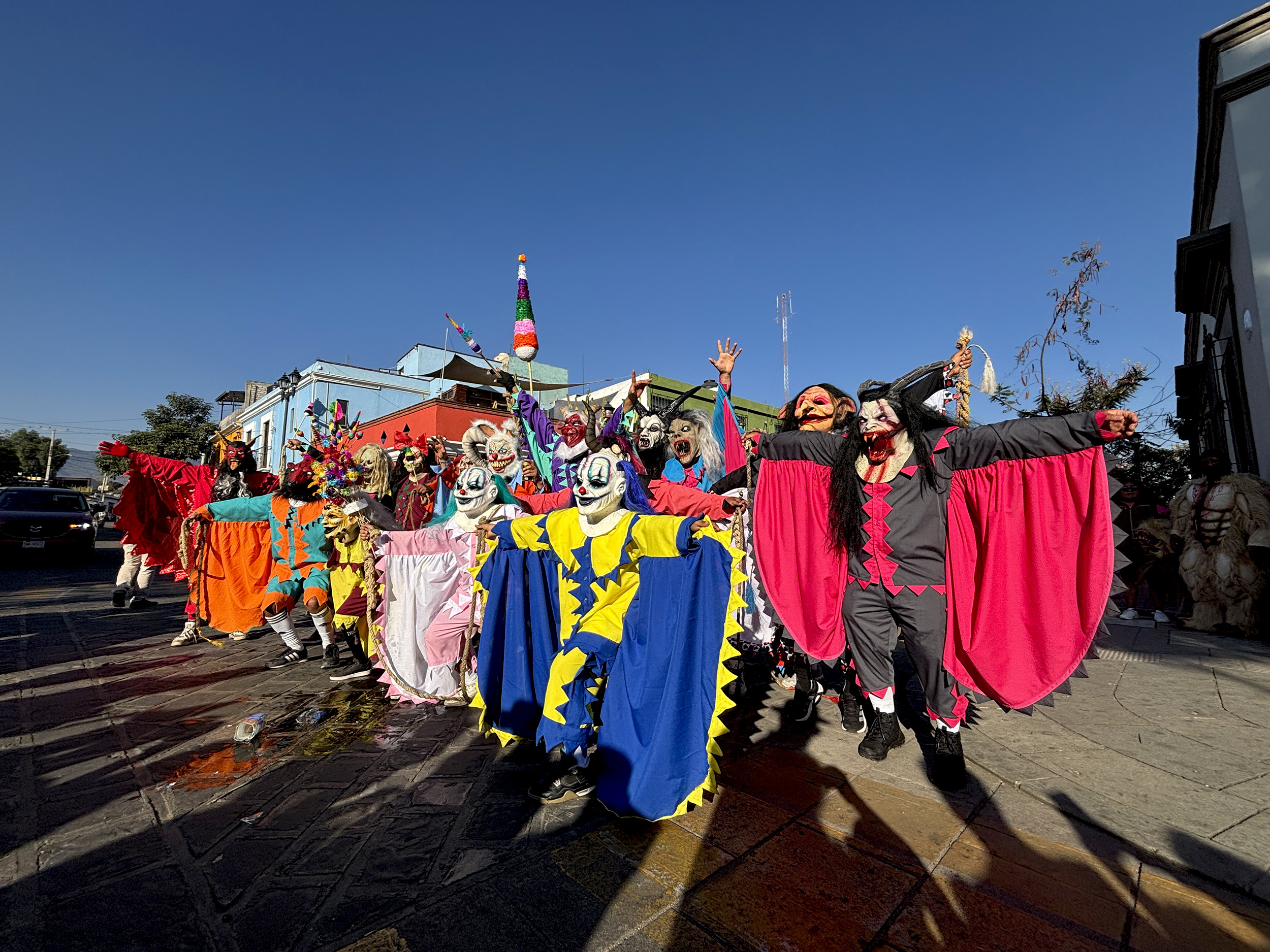
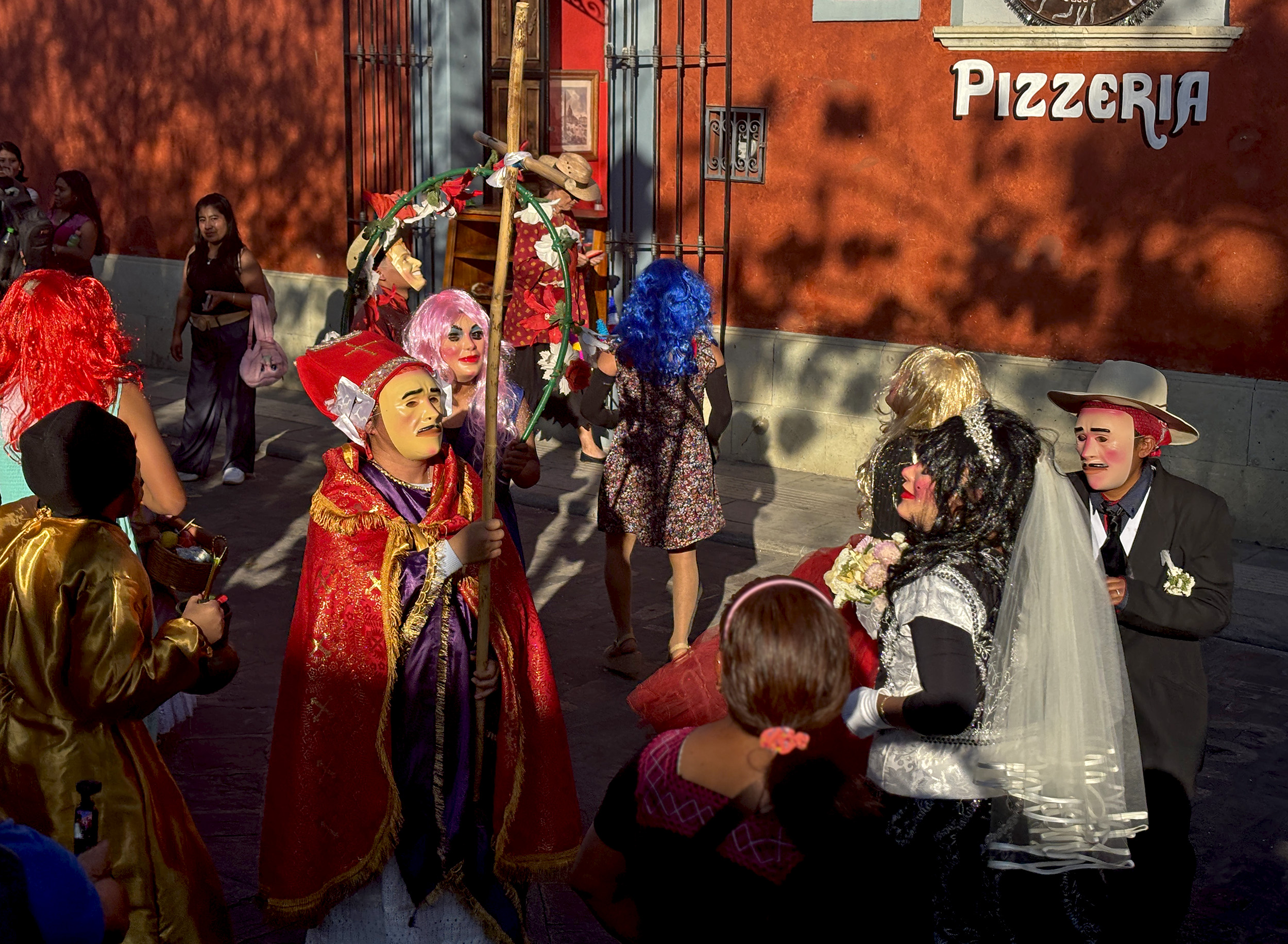
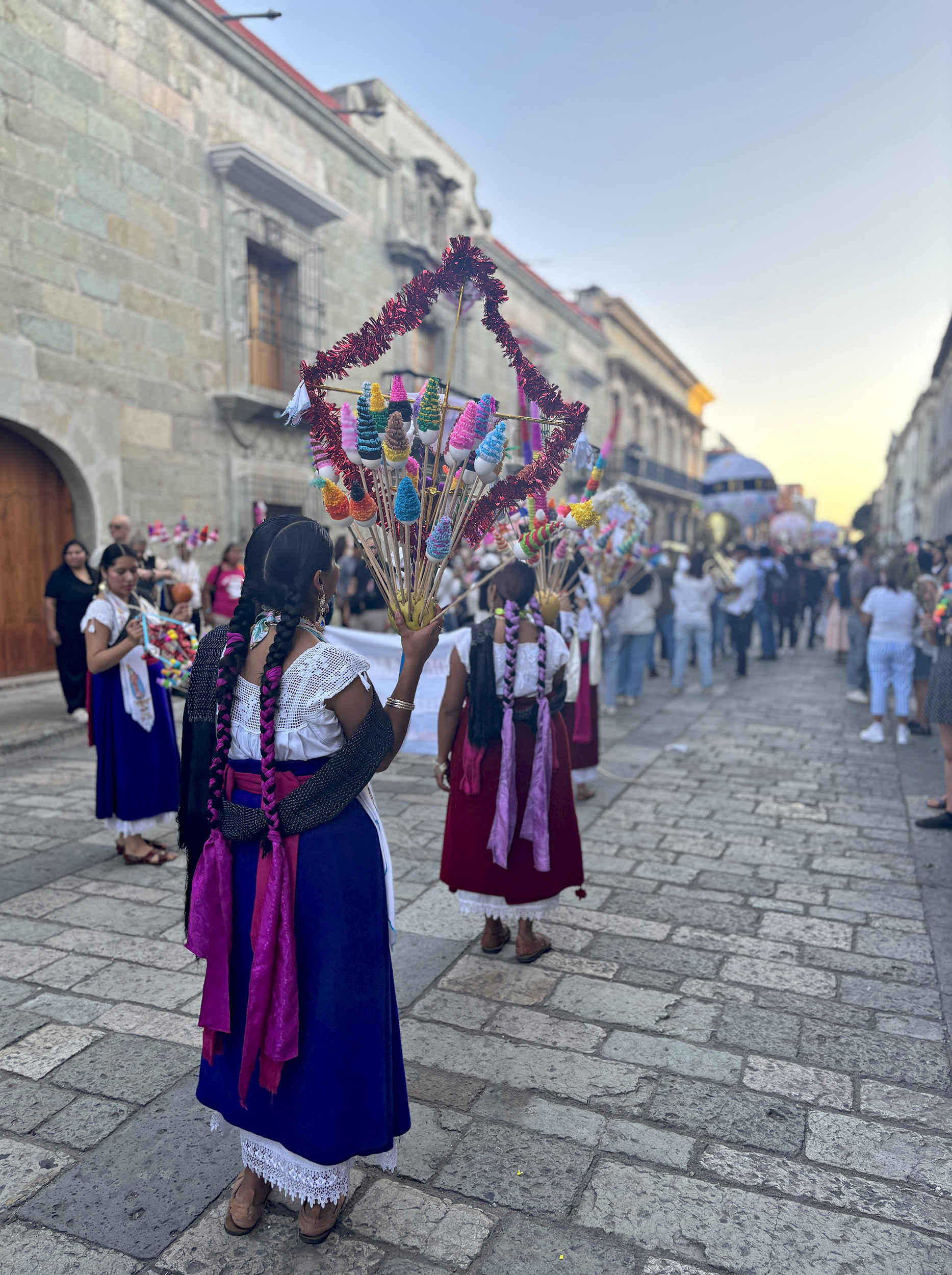
The grand parade of Oaxaca’s Carnaval brings together delegations from across the state. It kicks off on the northern edge of Oaxaca Centro closer to sundown, and after a brief detour to our hotel, TP and I are back to join in on the shenanigans. The light is simply magical as parade participants — in their vibrant and varied costumes — pose to every photographer’s delight. Multi-hued jumpsuits, animal head masks, piñatas, dancers in traditional garb, painted egg shells, colorful tinsel, and a mock wedding party, all coalesce to make their way through Centro. Mezcal is handed out in shot glasses to parade spectators, already dizzy from the sights and sounds of this fantastical mass of humanity. The parade continues through the city center, before ending at Zócalo, the city’s main square. TP and I dutifully follow along, till the camera batteries and our own stamina run out.
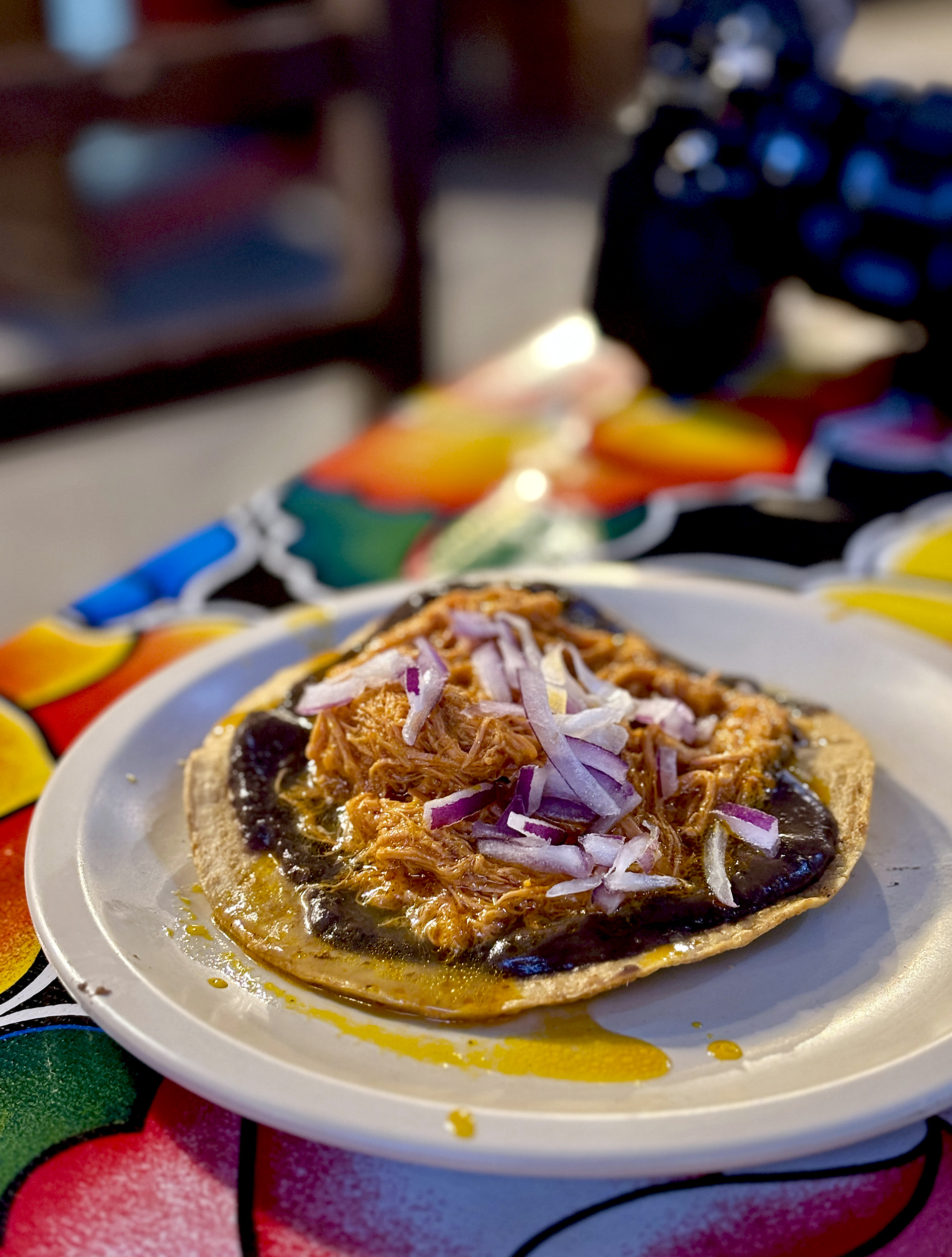
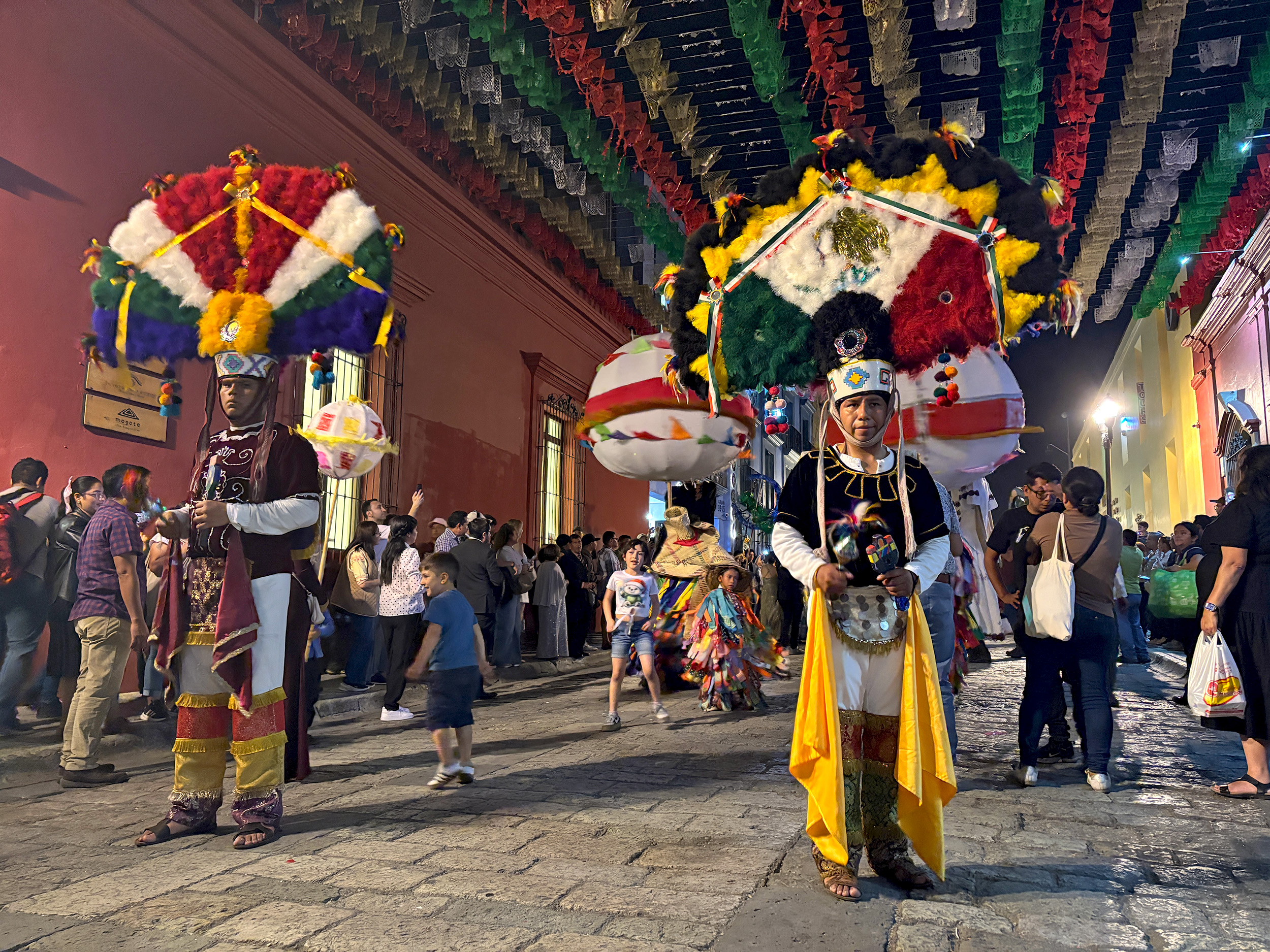
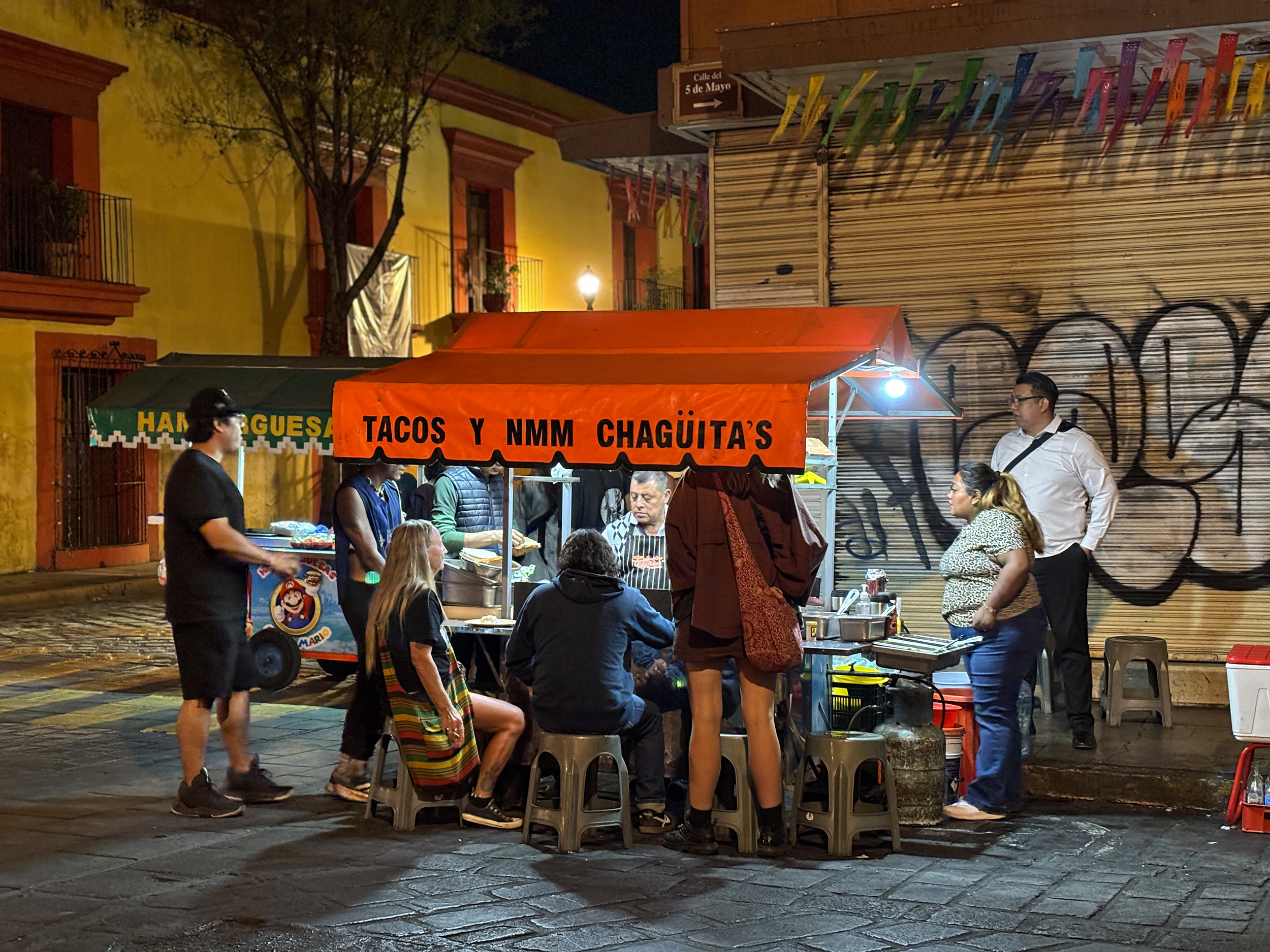
At Tlayudas Las Animas, we sample their main offering for the first time. Often referred to as Mexican pizza, tlayudas are large, thin and crispy corn tortillas, typically topped with beans and protein, and Las Animas does a stellar job of it. On our way back to the hotel, we run into another wedding party — a real one this time — the procession led by two men sporting an elaborate, feathered head dress, symbolic of Zapotec culture. Not entirely satiated with the meal we just had, TP decides to make a pit stop at the very popular Taqueria Chaguita’s, a food cart that sets up each night down the block from our hotel. Five tacos are ordered. I barely have room for one.
Día Dos
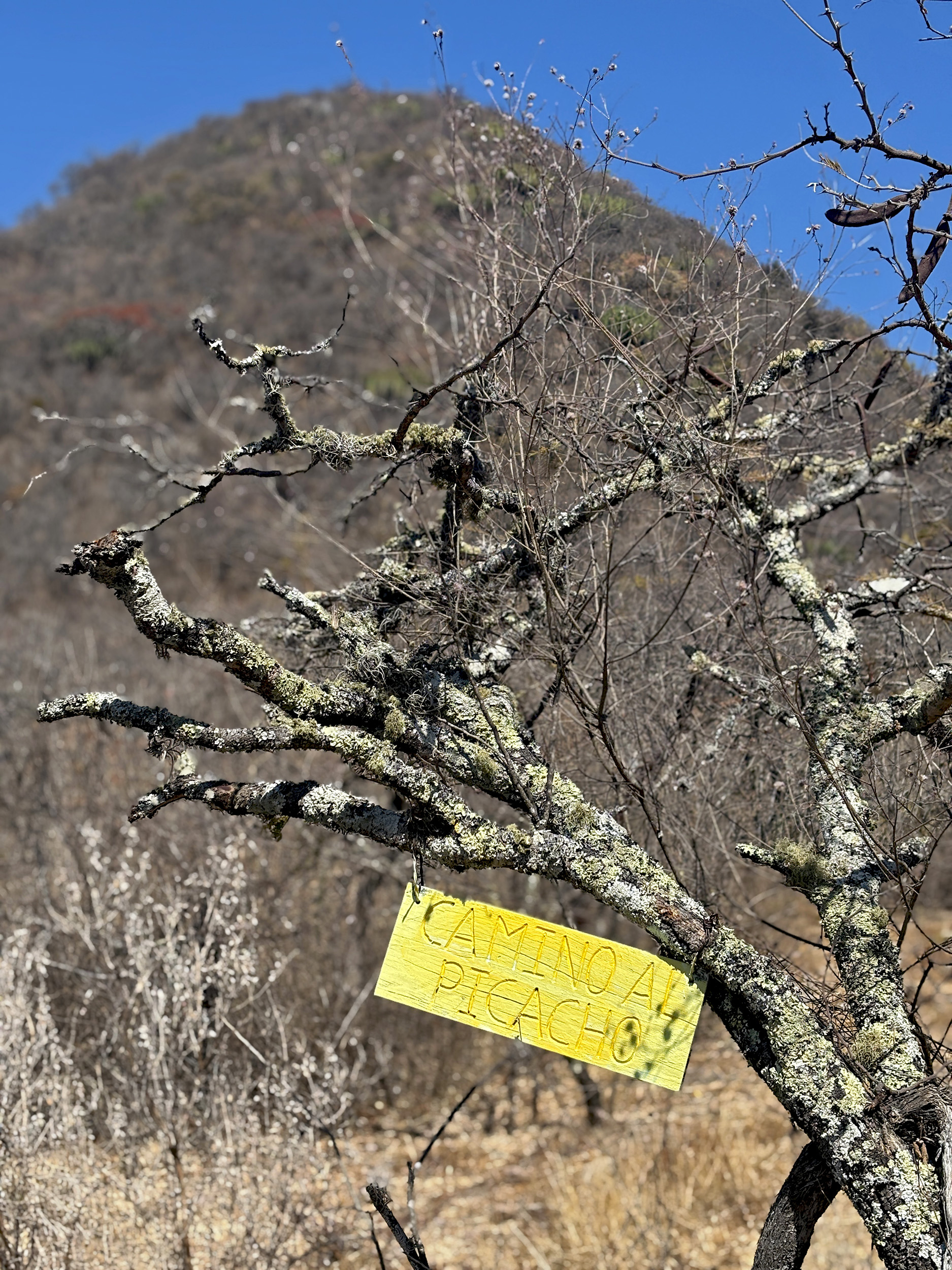
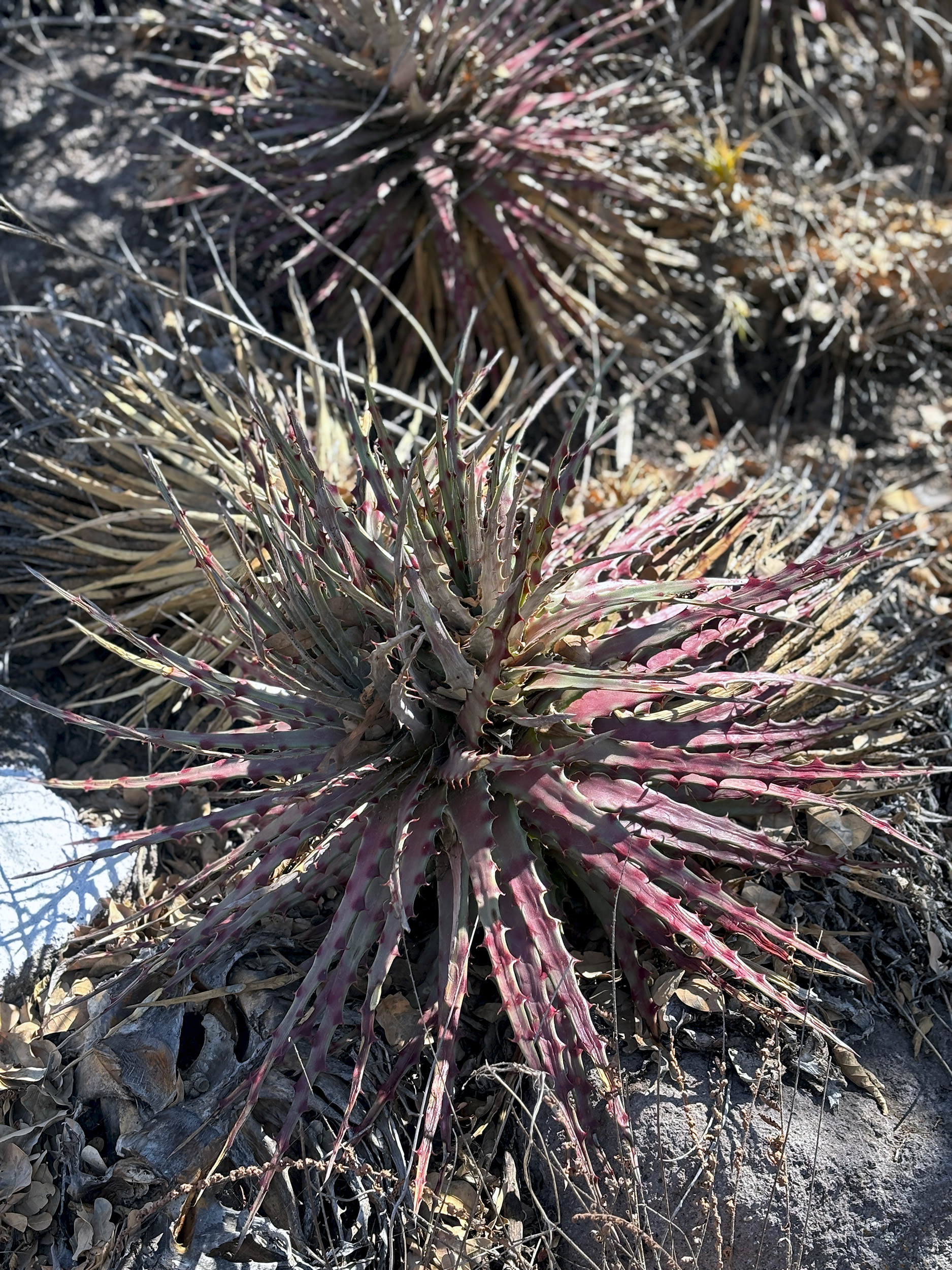
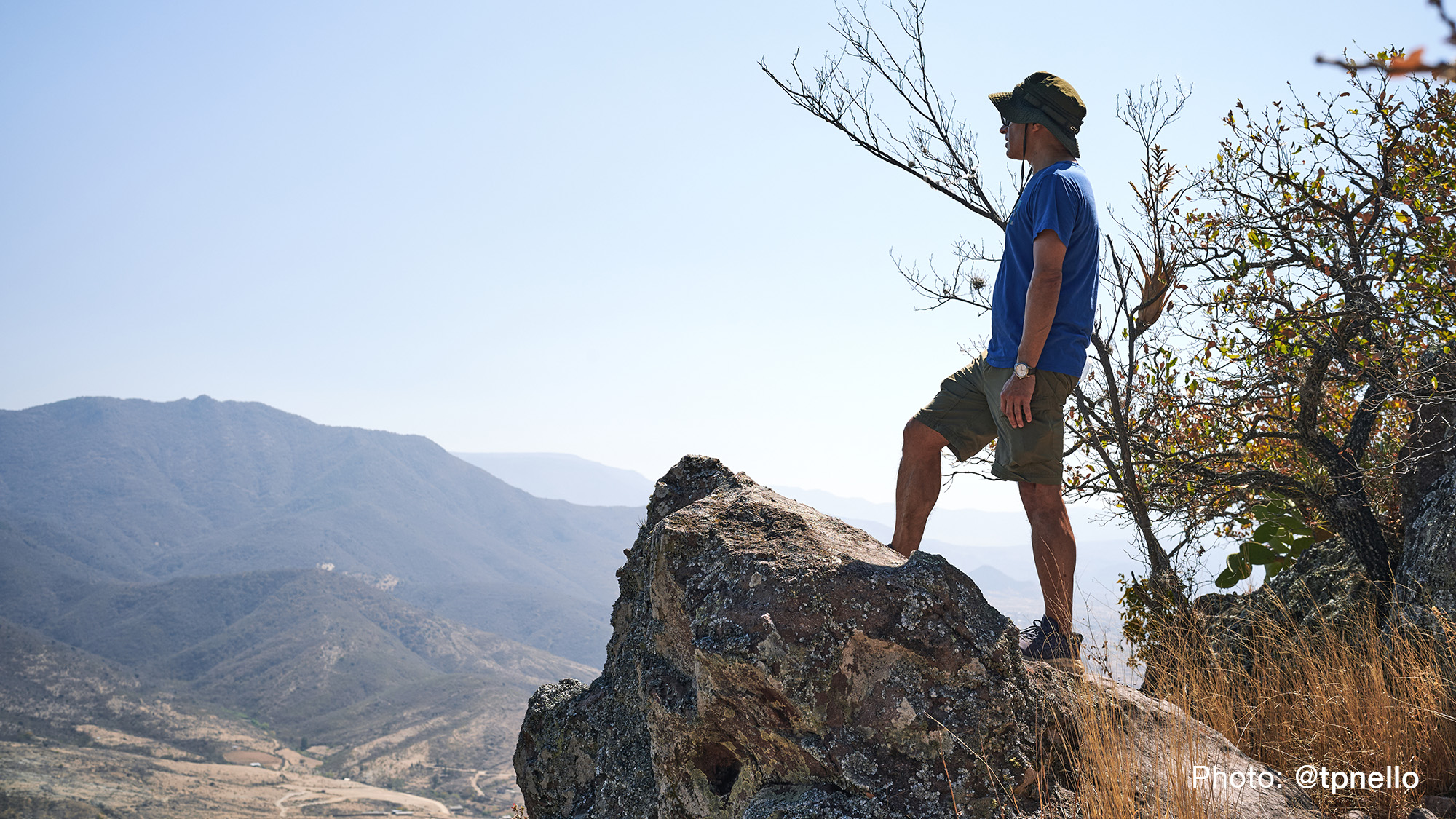
Attributed yet again to Oaxaca, mole negro is perhaps one of the most sophisticated sauces within the pantheon of Mexican cuisine. Combine that with the velvety texture of perfectly steamed masa, and you have a tamale to beat them all. With a serving each for breakfast at Las Quince Letras, we commence day two. The village of Teotitlán del Valle lies less than 20-miles east of Oaxaca. It’s known for its textiles, woven in the traditional Zapotec-style, but we drive right through it till the trailhead for Camino El Picacho; an out-and-back trail, about 3-miles in length. Arriving there later than planned, with the sun scorching over the Sierra Juárez mountains, we begin a somewhat foolhardy ascent, with dangerously low reserves of water. From the summit, sprawling views of the Tlacolula Valley below make it all worthwhile, and in less than half the time it took to get up the mountain, we’re back at the trailhead, racing towards habitat for some much needed agua!
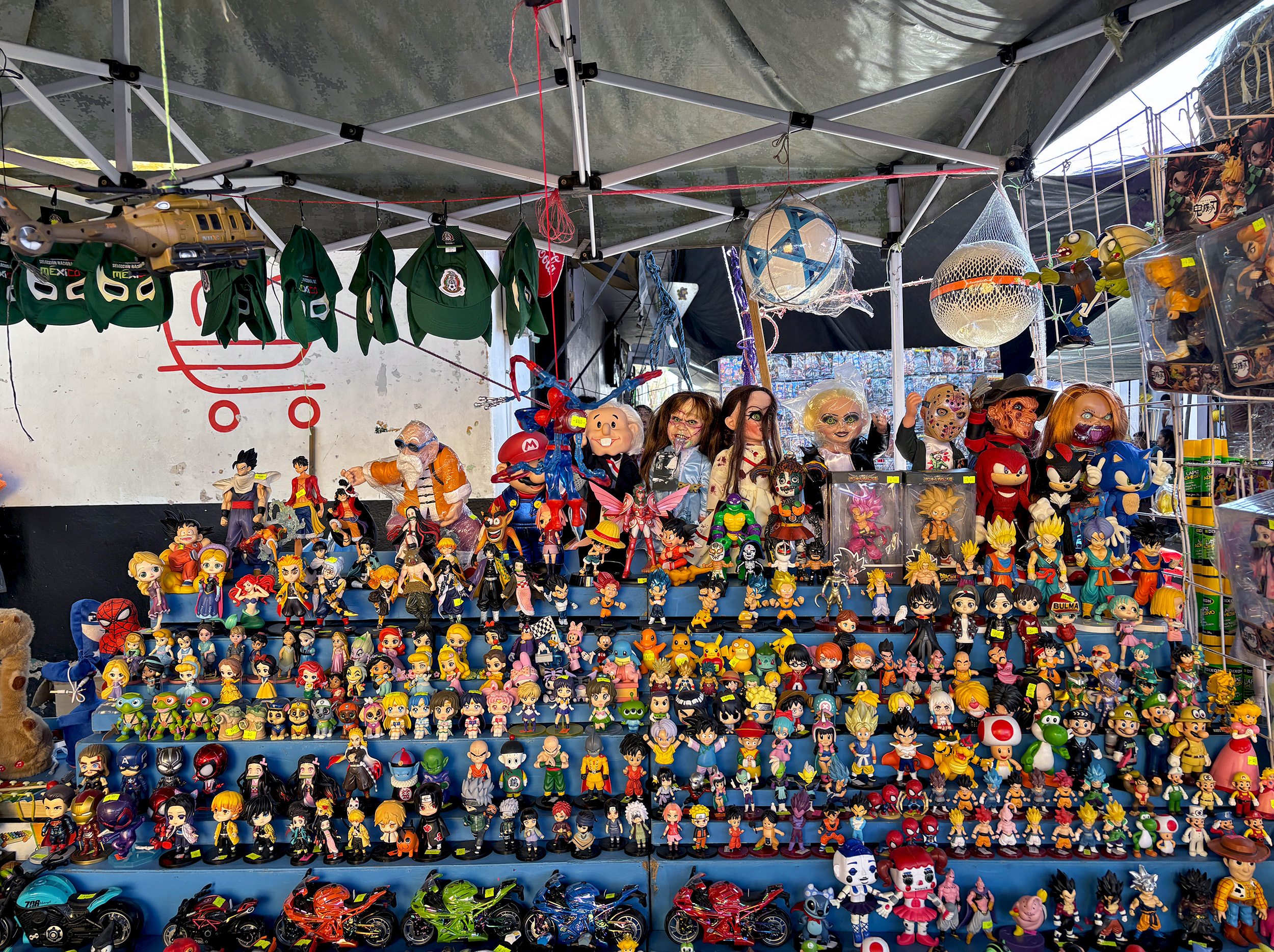
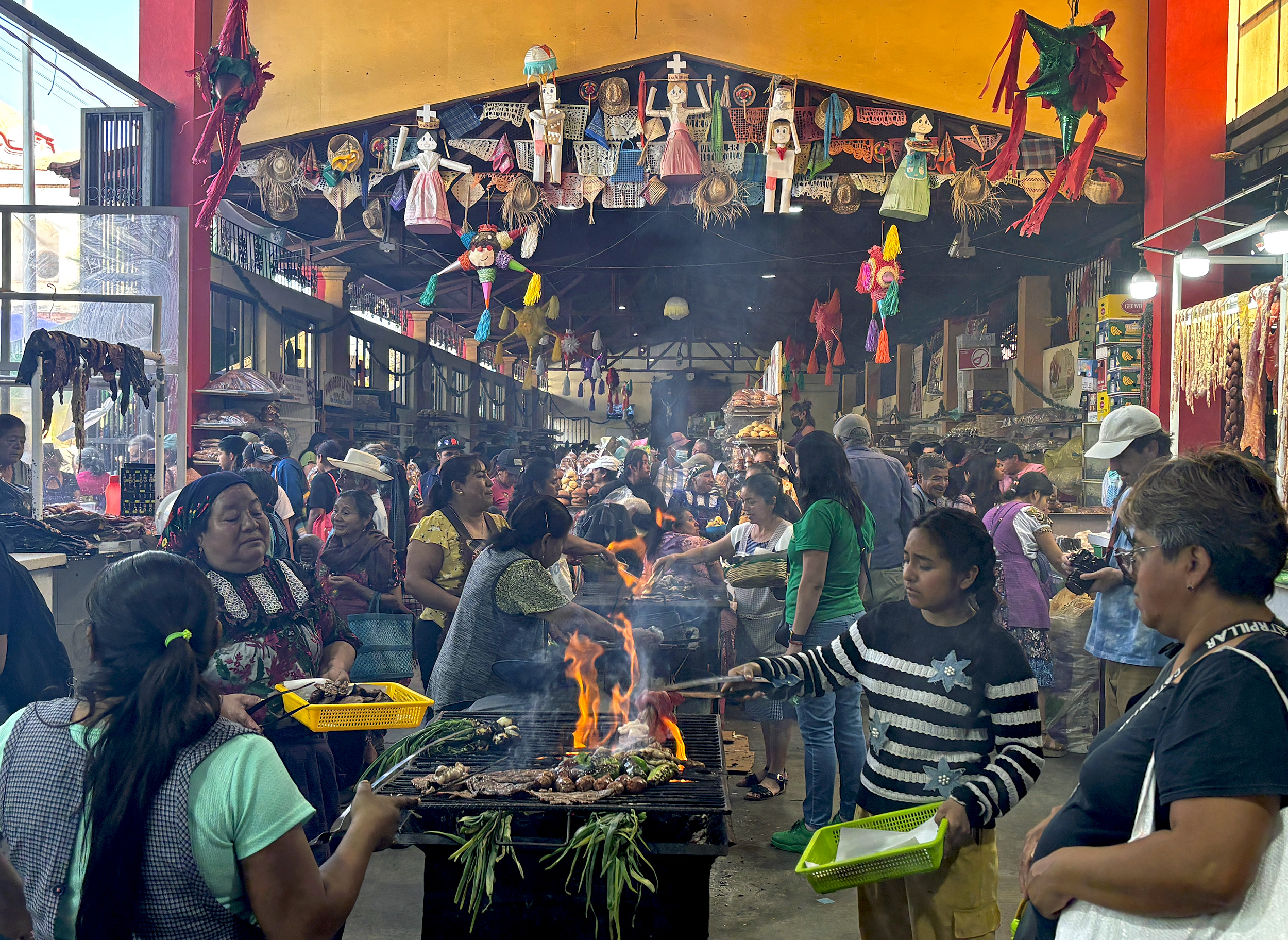
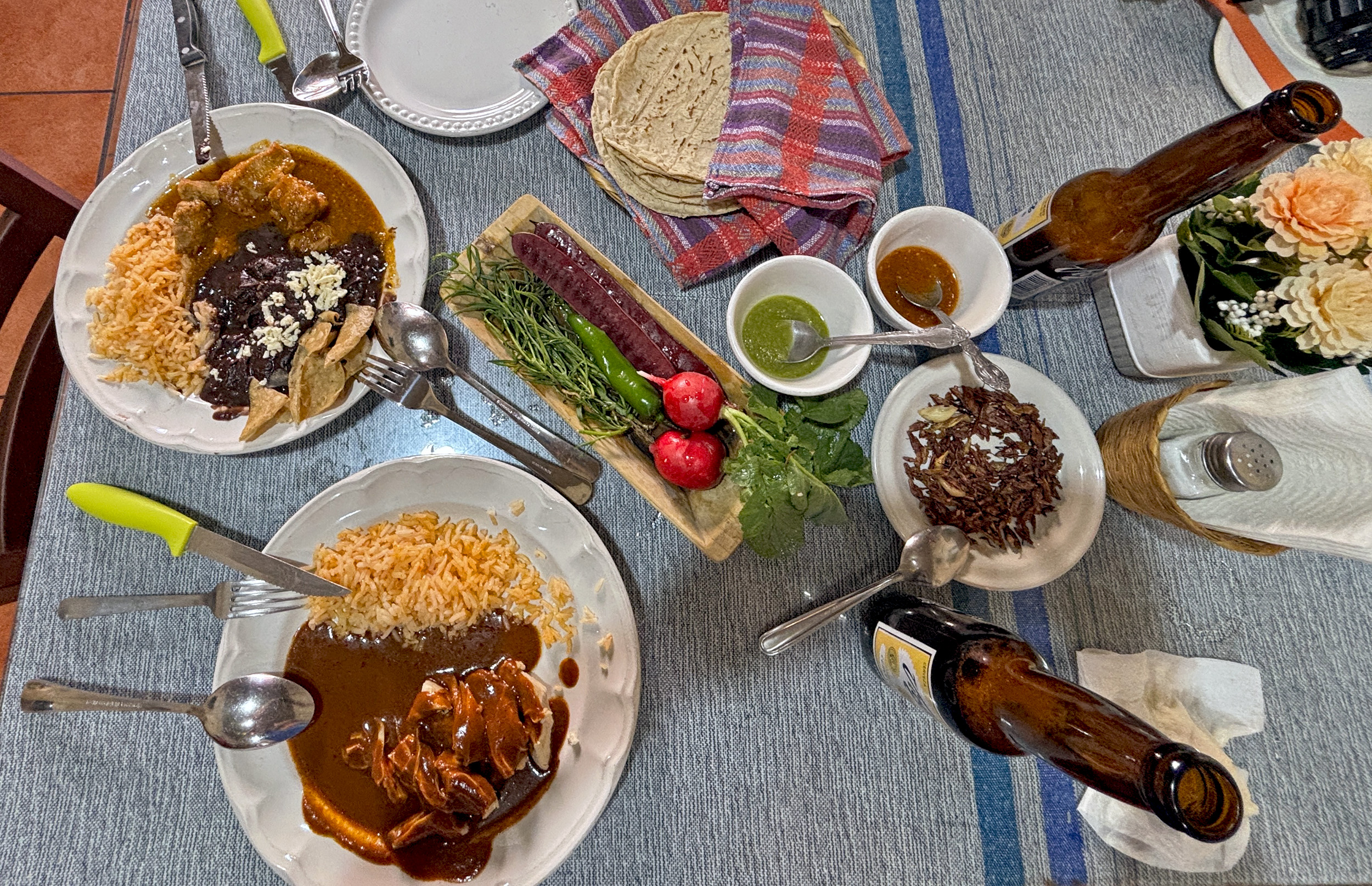
Tlacolula de Matamoros, the main commercial center for the Tlacolula Valley, lies a little further east of Teotitlán del Valle, and is best known for its weekly open air market. The vendors — mostly indigenous folk from around the valley — congregate here each Sunday to hawk their many wares; fresh produce, poultry, action figures, trinkets, sandals, household items, you get the gist! In a section of the covered marketplace, customers purchase meat from butchers on both sides of an aisle, and in the center of that very aisle, the protein is cooked on back-to-back grills, all of them worked by women. The aromas are simply intoxicating, and the visuals, entirely mesmerizing. TP makes a meal of it, figuratively. At the homely Comedor Mary — located within the mercado — we’re treated to an absolute feast by the convivial proprietress, which includes a sampling of tepache, a traditional fermented drink, and the surprisingly delicious snack of chapulines, or toasted grasshoppers. Mezcalitas, handed out gratis by Mary, round out an exceptional afternoon.
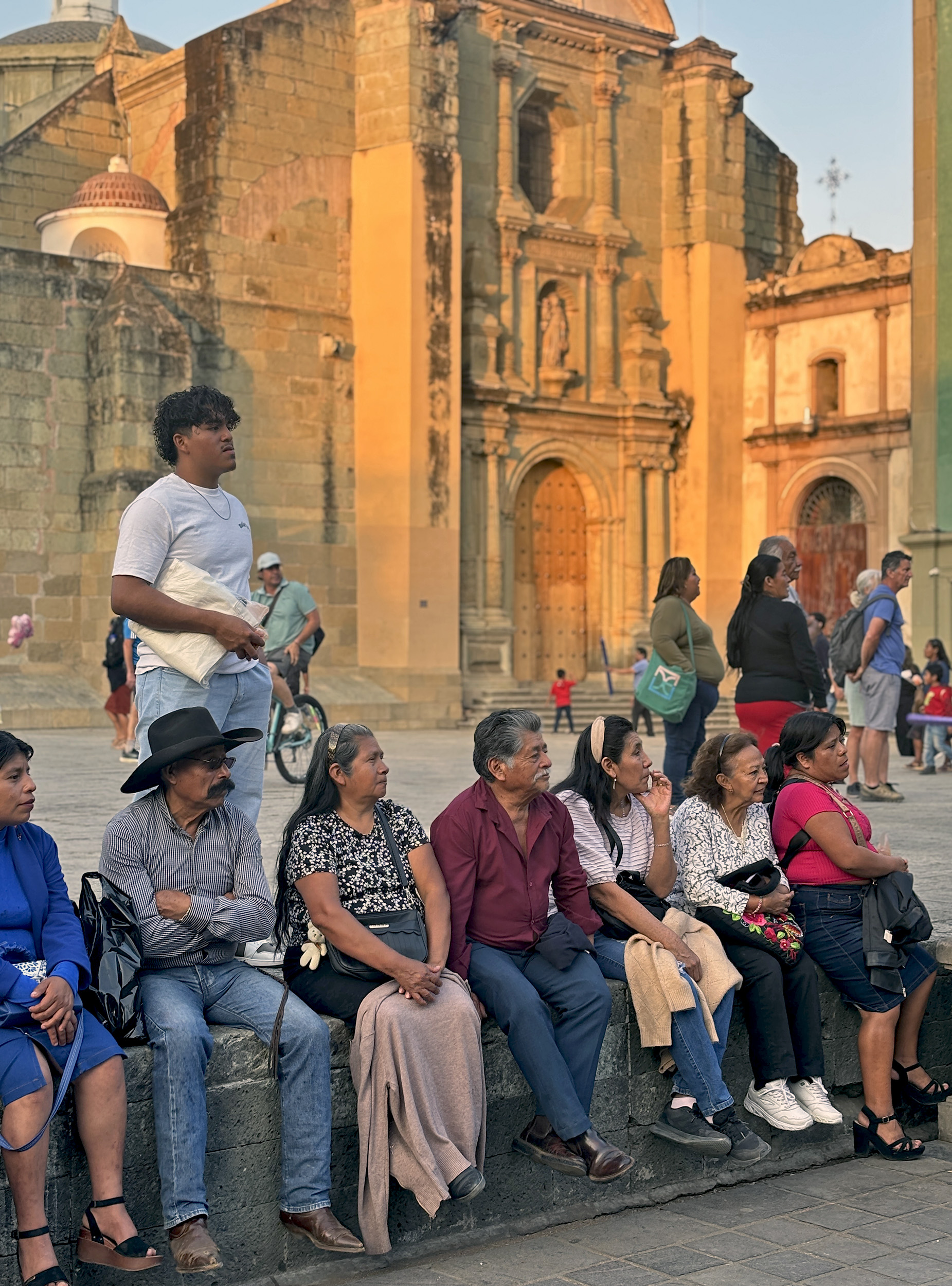
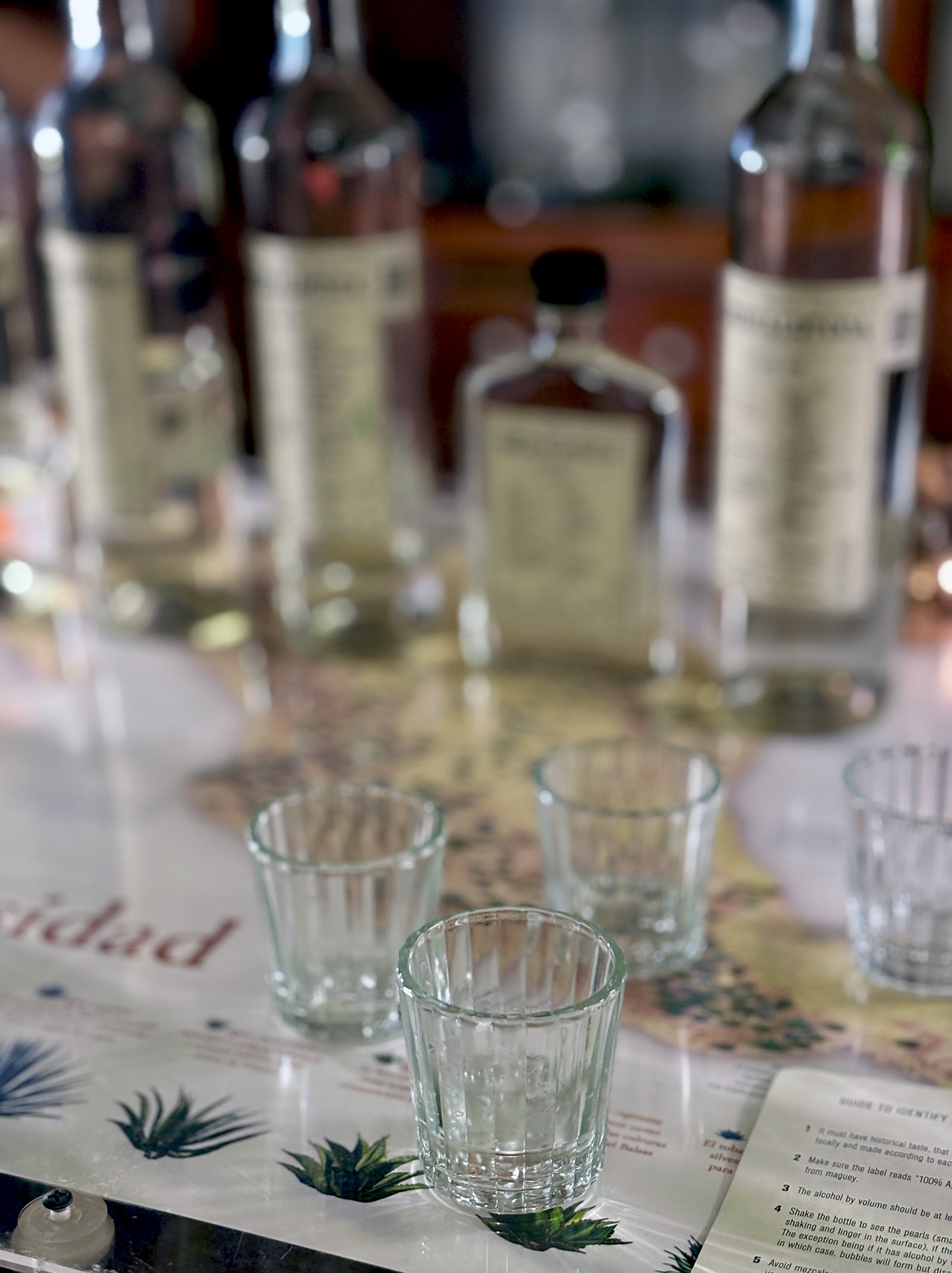
In the shadow of Oaxaca Cathedral, locals gather each evening on the Zócalo, for an impromptu dance party. Hoping to get some magic hour shots of the church’s baroque facade, TP and I show up there just in time, staying till the festivities conclude. About a half mile east of the Zócalo lies Mezcaloteca, one of many purveyors of Mezcal, in what is undoubtedly the capital of the much-coveted spirit. At a pre-arranged tasting here, we try five varieties of rare Maguey, the type that would never see the light of day on a store shelf. As delightful and unique as each tastes, especially so for a long-time Mezcal fan as myself, it is the understanding — while the brain is still not entirely foggy — of what goes into the production of this spirit, that really gives me a new found respect for it. For sustenance, we head towards Parque Llano, which sits on the border of Jalatlaco and Centro, and is abuzz with activity at this hour, well-supplied with food vendors of every calling. Of the many taco carts to be found in Oaxaca, Tacos del Llano only doles out one variety — tasajo — a type of dry-cured beef, that is a staple in these parts. Hardly ones to complain, we proceed to order a half dozen of them.
Día Tres
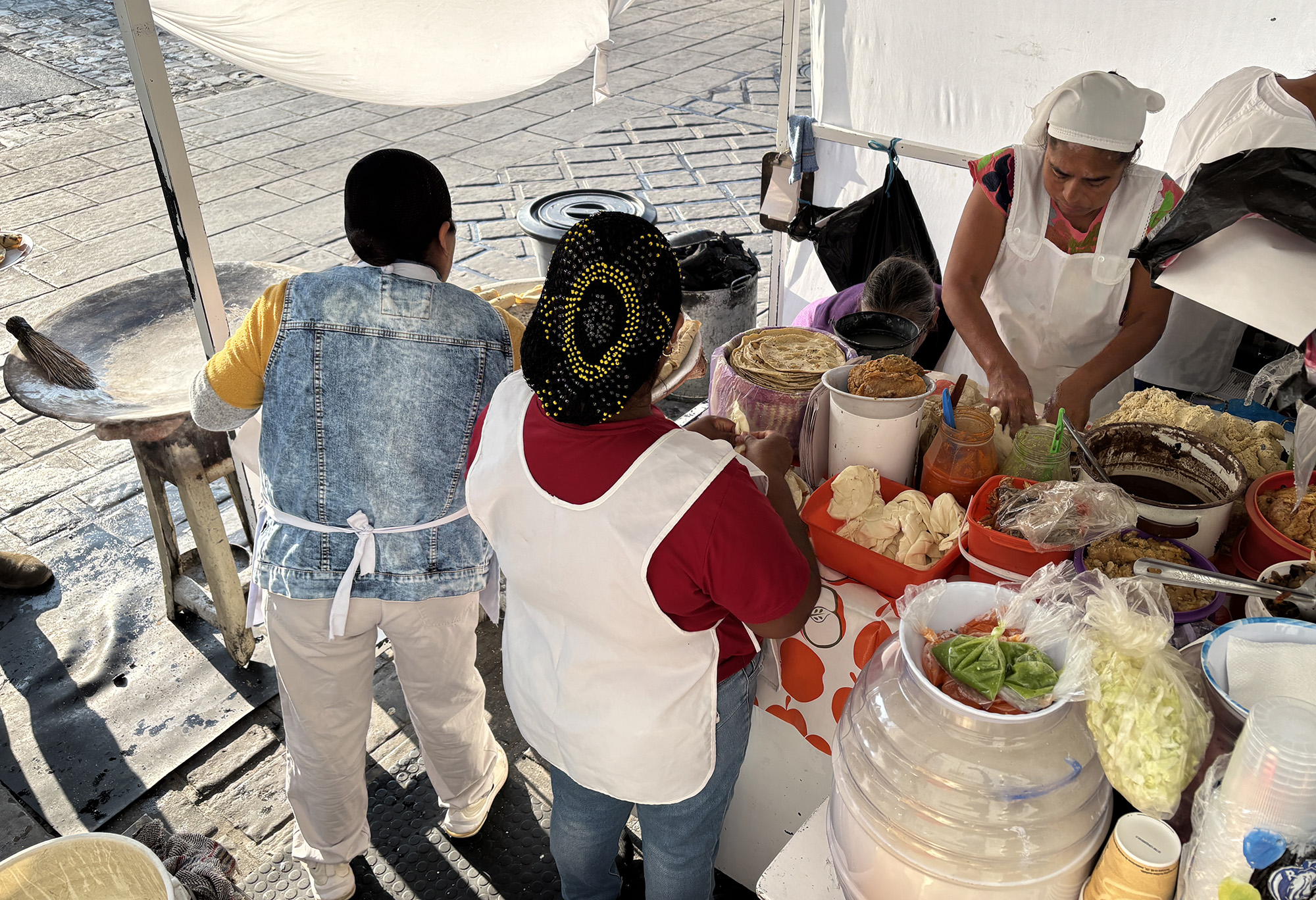
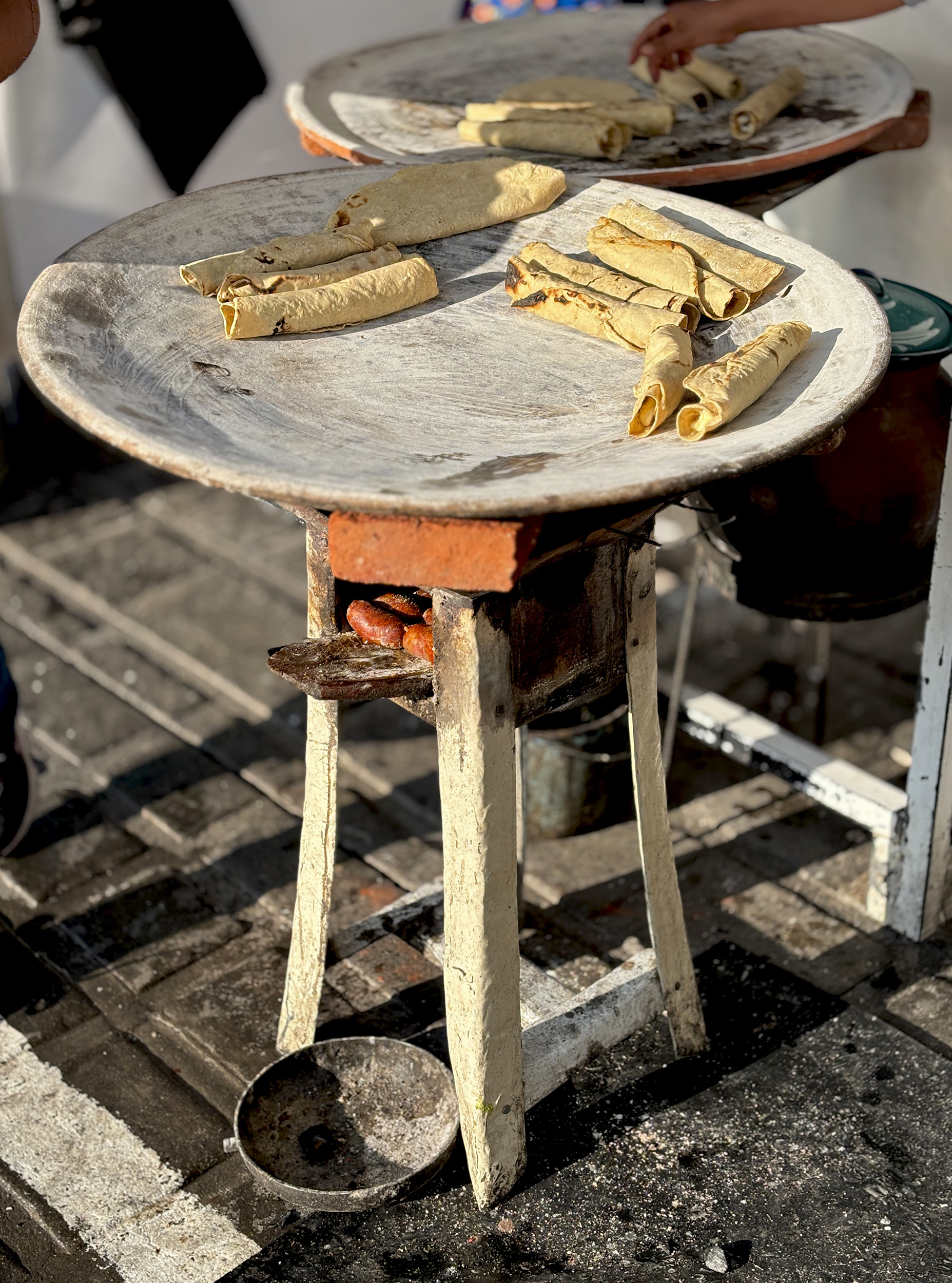
In Oaxaca, breakfasts are typically accompanied by hot chocolate or chocolate de agua (read, no milk), and occasionally with café de olla or coffee brewed with spices. Both are worthy pairings to the fabulous breakfast tacos at Tacos del Carmen, a tiny taco shack, where the tortillas — prepared entirely from scratch — and the well-worn comal, are in the capable hands of an all-women team. Located right across from and named after the Church of Carmen Alto, a visit here is the closest one gets to a sacred morning ritual.
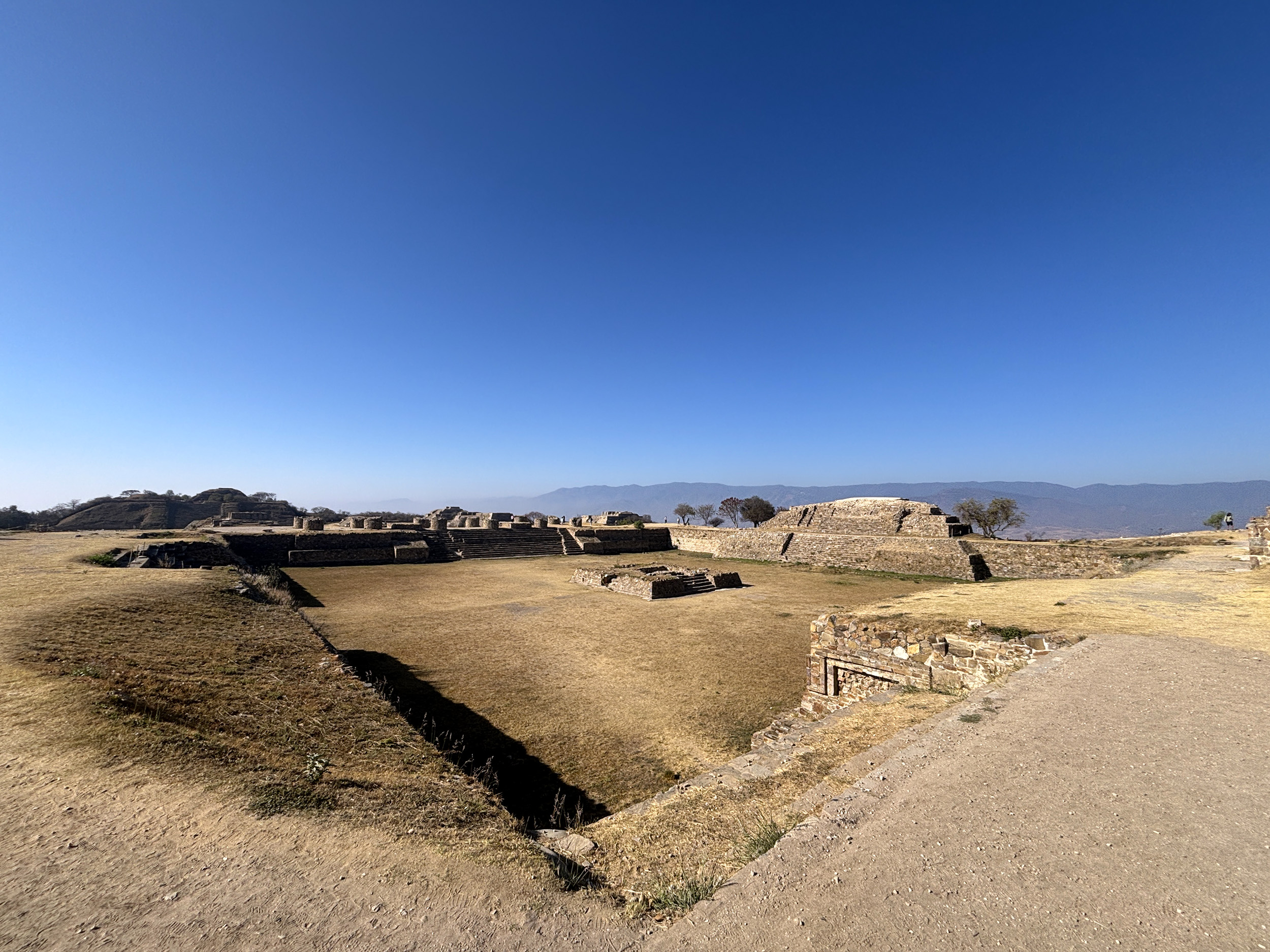
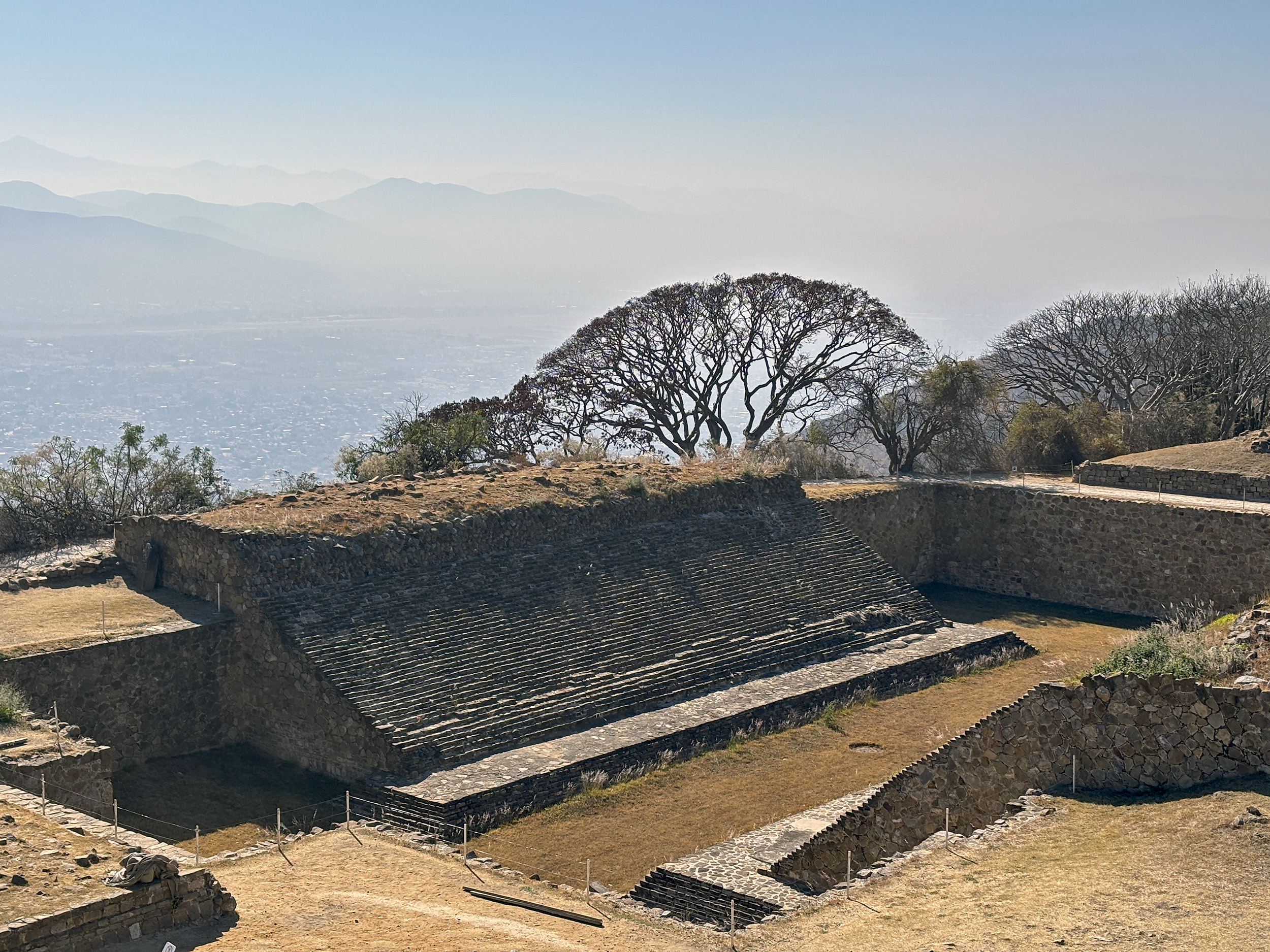
While the city of Oaxaca was founded by the Spanish in the early 16th-century, Pre-Hispanic peoples have existed in the region for well over a thousand years. The remains of their civilization make up a sprawling archaeological site today, barely 6-miles east of Centro, albeit at a considerably higher elevation. One of the earliest cities of Mesoamerica, Monte Albán served as the nerve center for the Olmecs, Zapotecs and Mixtecs, and all these years later, the imposing ruins of their settlement continue to hold their own in a seismically-charged zone — testament to just how evolved those civilizations were. The expansive site merits at least a half day’s worth of exploration, but between our morning taco excursion and our rental car cutoff, we’re forced to make do with a lot less.
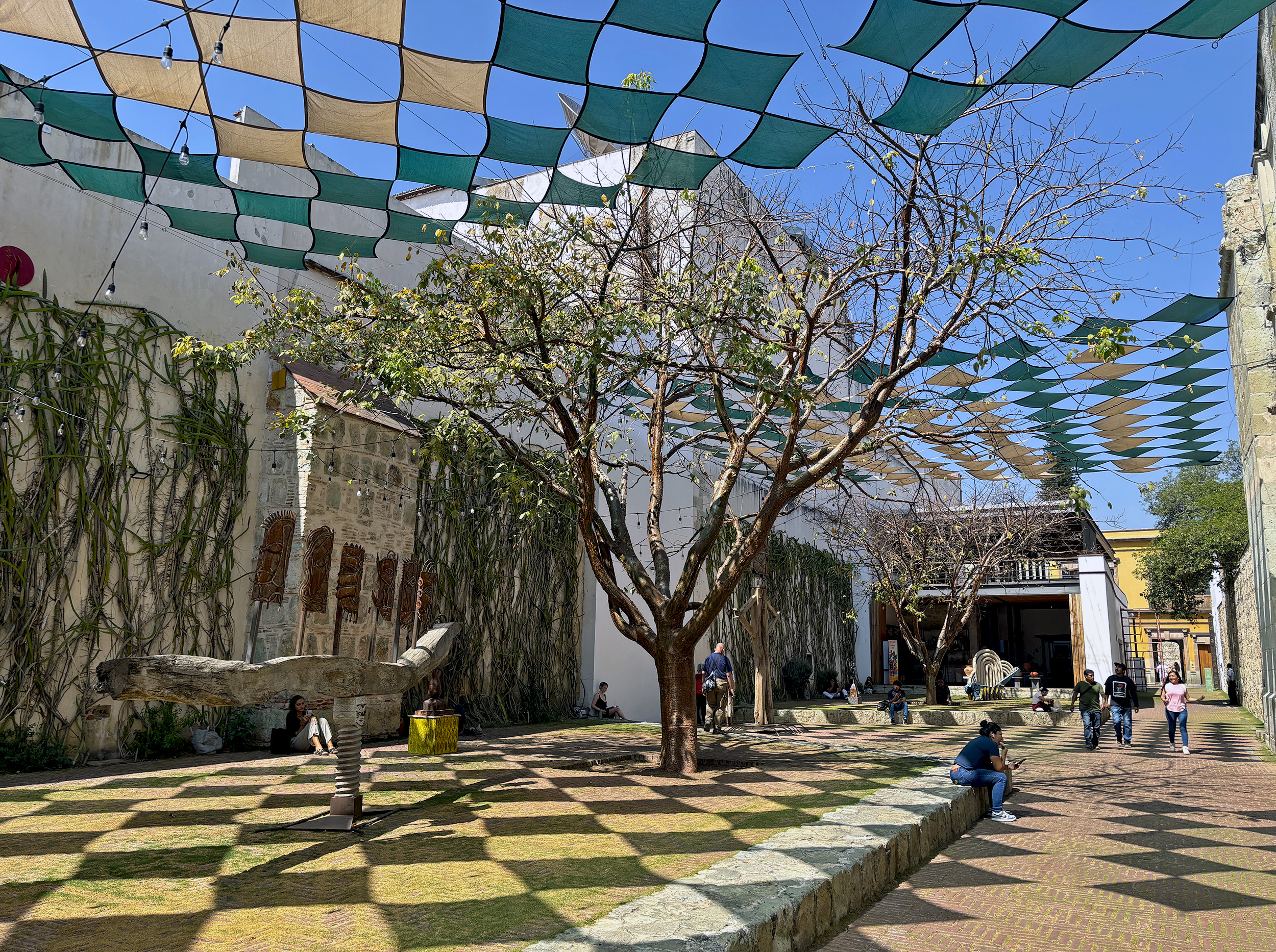
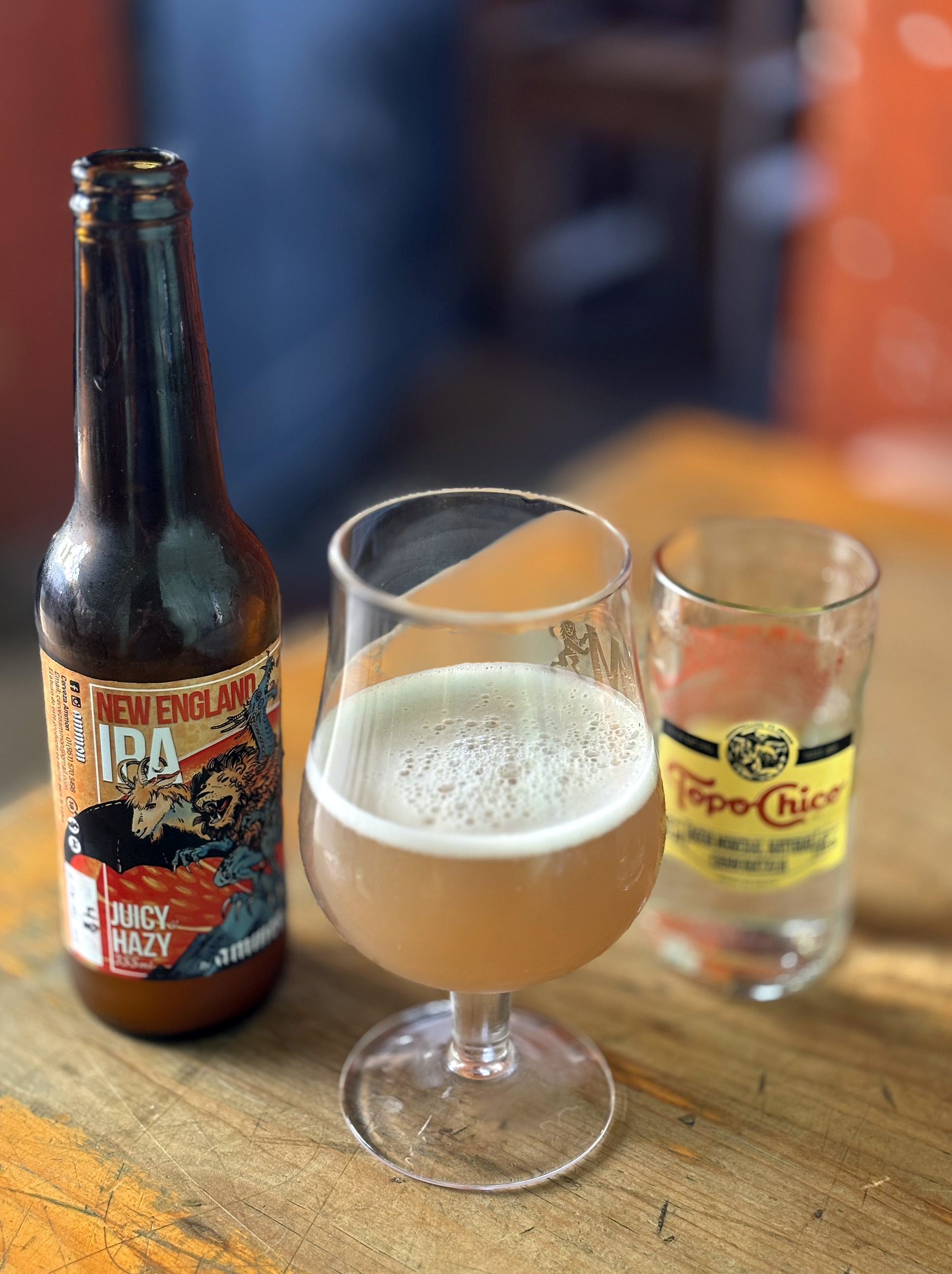
Back in Centro, TP sets off to get his tattoo, while I wander around the historic city center some more. A quick peek inside the textile museum is followed by an overpriced but much needed cortado at the very swish Muss Café, and then, courtesy of an unplanned detour, I chance upon Centro Cultural San Pablo — a former convent, brilliantly repurposed into a thriving arts and cultural space. I catch up with TP for a late snack at Boulenc, an institution renowned for its breads and pastries, boasting a rustic, sunlit courtyard, grammable avo toasts, some choice people watching, and even a selection of Mexican IPAs.
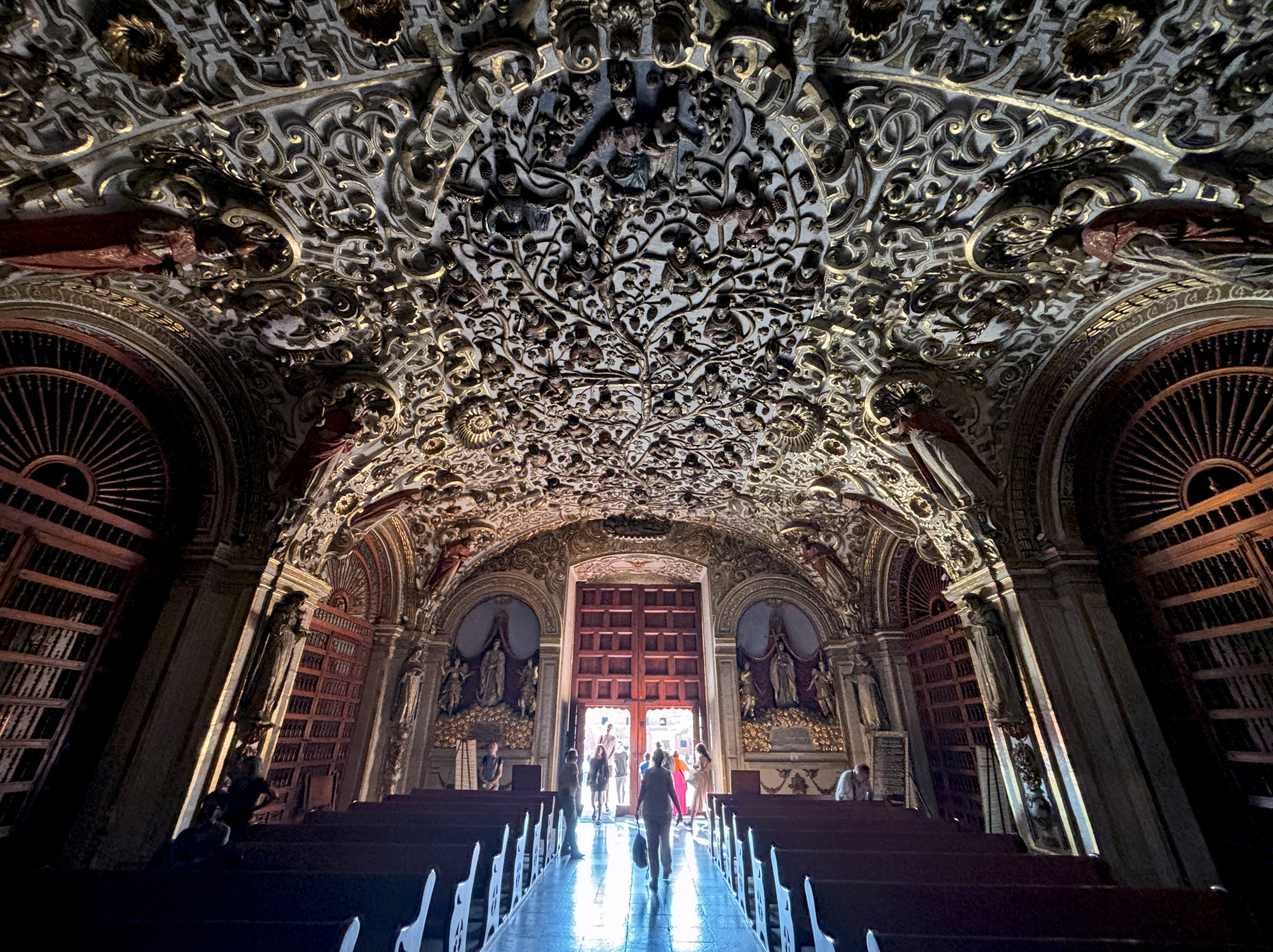
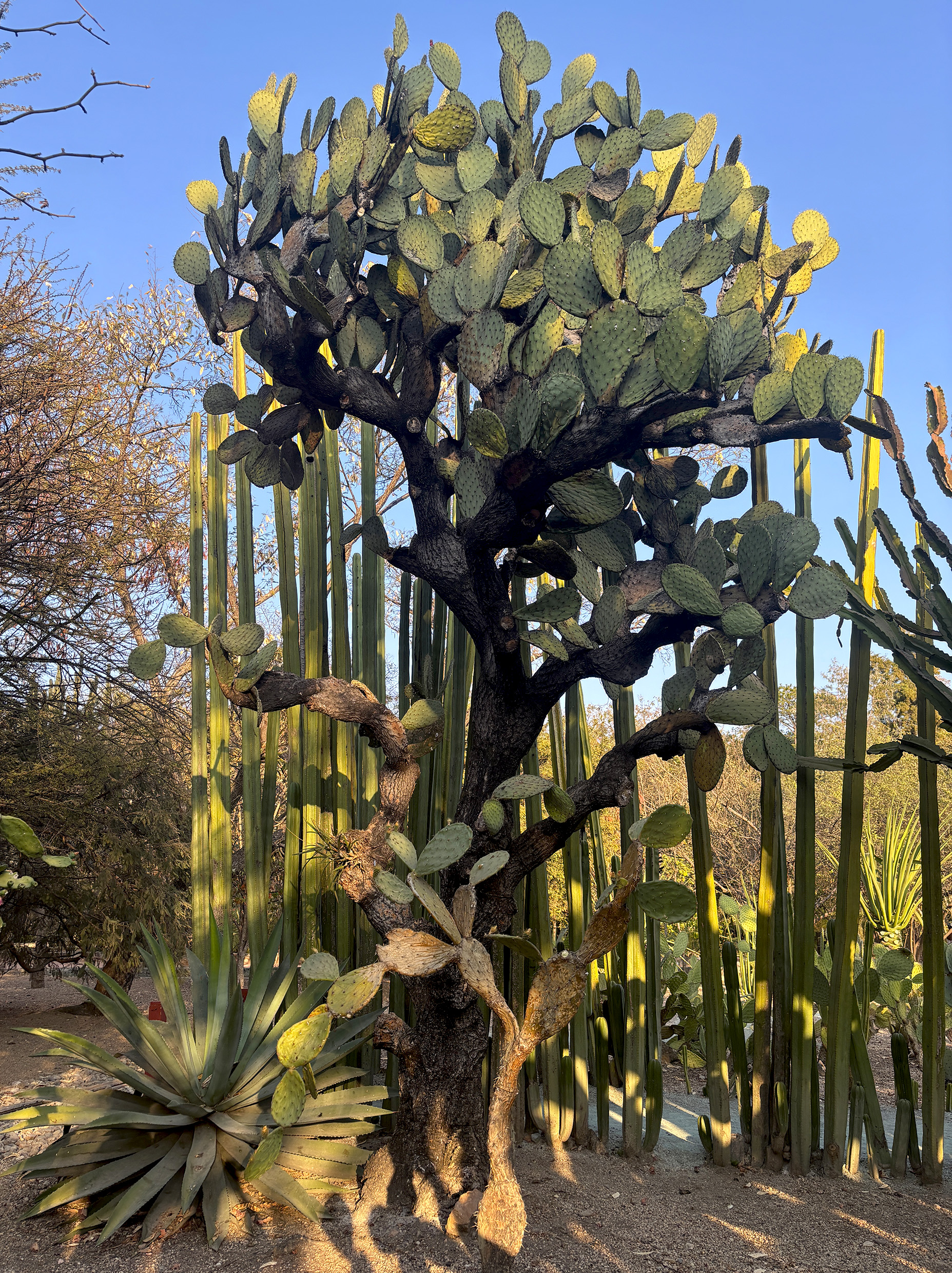
One of the best known painters to come out of Mexico, Franciso Toledo was a Oaxaca native, and a Zapotec descendant. Not only did he contribute immensely to the world of art, he was also instrumental in setting up the botanic gardens in his hometown. Showcasing the incredible biodiversity of the entire state, the botanic gardens are located on the grounds of a former military barracks, with free guided tours offered at fixed times of the day. TP and I show up with plenty to spare for the last evening tour, and taking advantage of that, duck into the adjacent Church of Santo Domingo for a look-see; the church’s not-too-shabby Spanish Baroque exterior almost no match for its exquisitely embellished interior. At Criollo, on the edge of Centro, we close out day three with a fancy tasting menu. Even by North American standards, it’s pricey, and although a handful of courses are exceptional, we’ve already succumbed to the flavors and charms of Oaxaca’s humble street carts.
Día Quatro
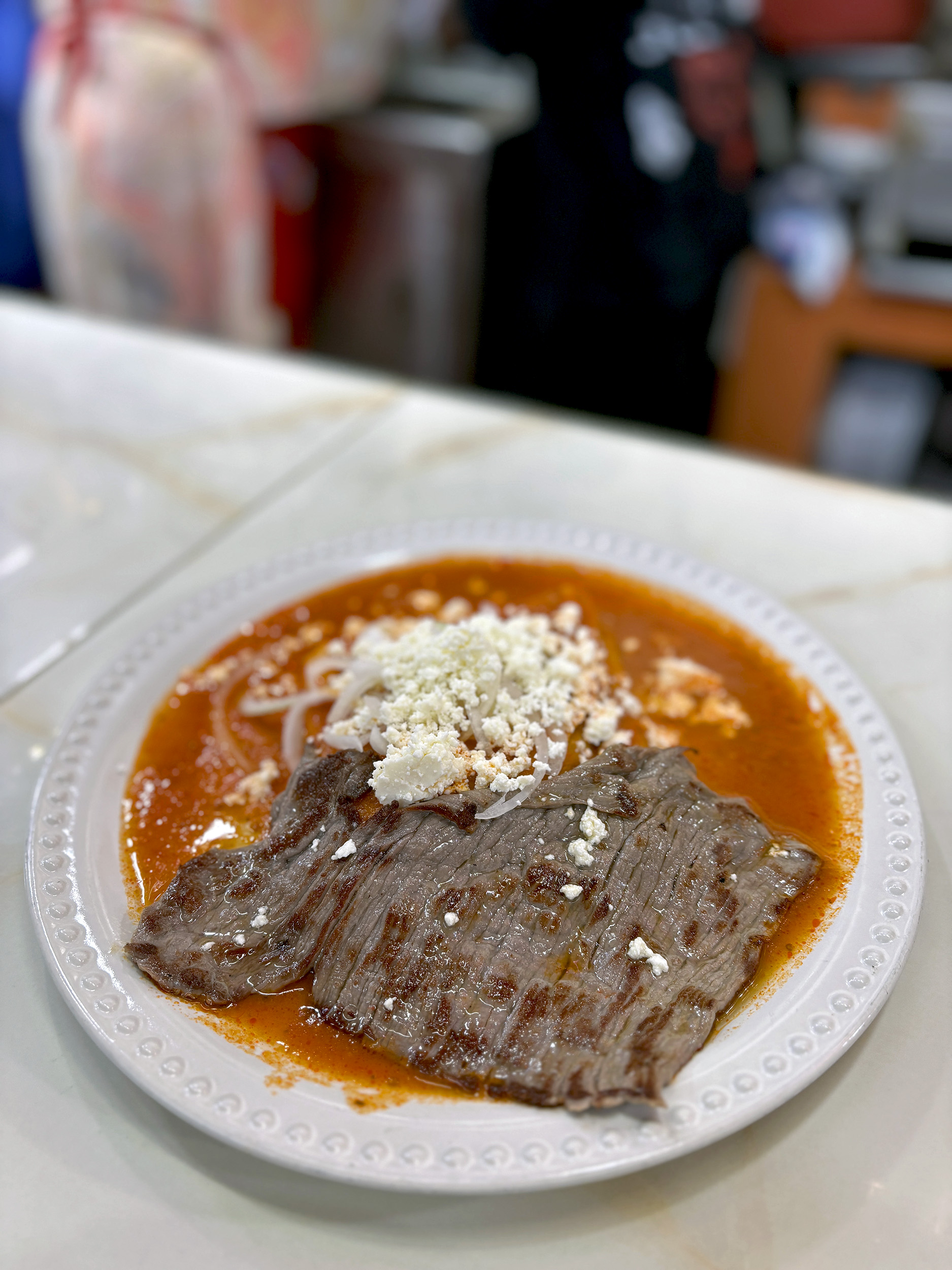
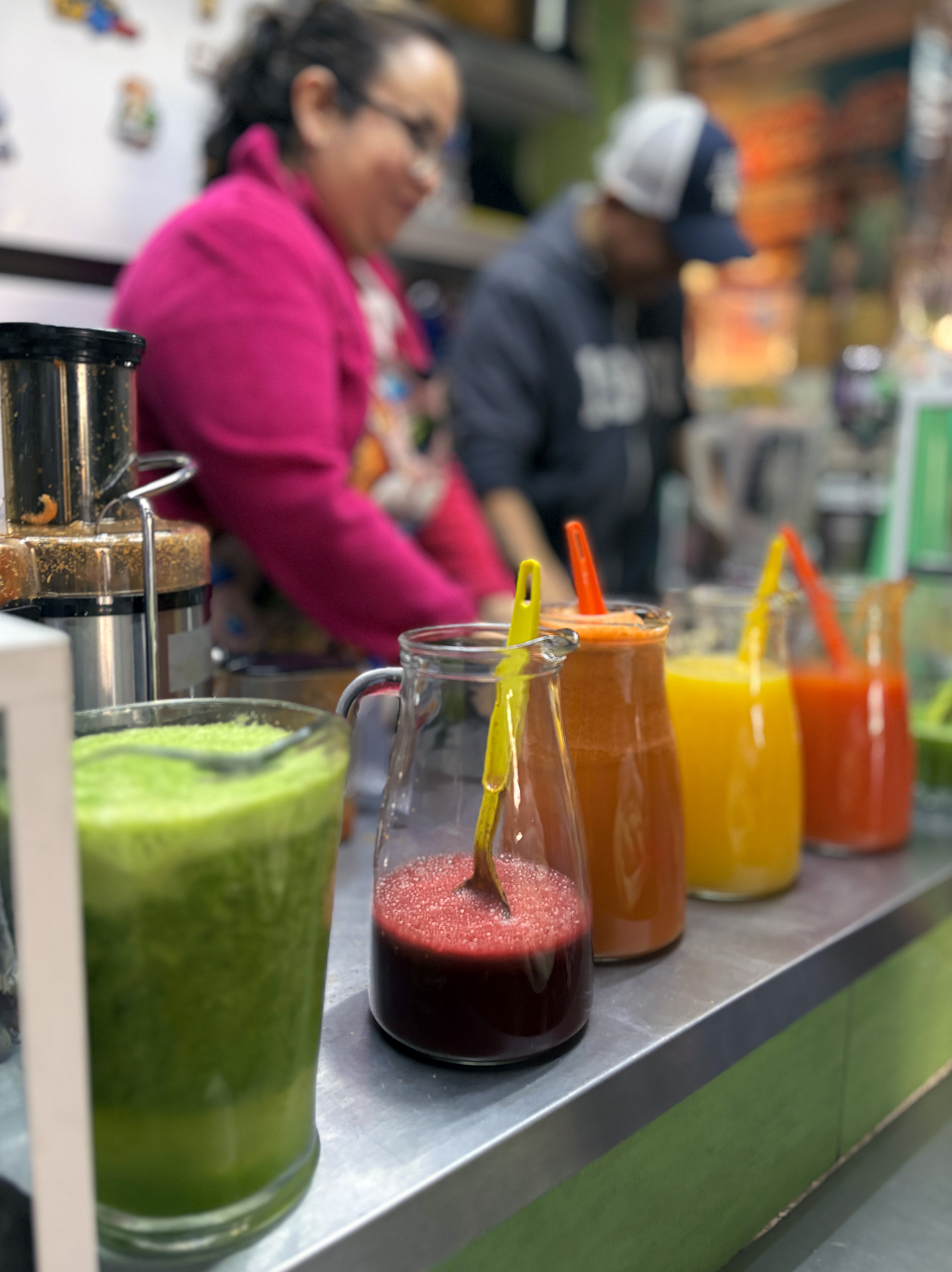
Colorful streamers adorn the innards of Mercado 20 de Noviembre, one of two covered markets located at the southern edge of Centro. The market features over 200 food stalls, a lot of them catering to just the first meal of the day — breakfast central, if you will. Not ones to skip desayuno, and underwhelmed by what our hotel had to offer, it’s our first stop before we head out for the day. San Martin Tilcajete lies 16-miles south of Centro and can be reached by frequent public buses or an inexpensive shared-cab ride. The sleepy hamlet of less than two thousand indigenous residents is inundated by visitors at various points in the year, for the many celebrations and festivals it hosts. On TPs behest, we’re here on Fat Tuesday, the final day of the Carnaval season.
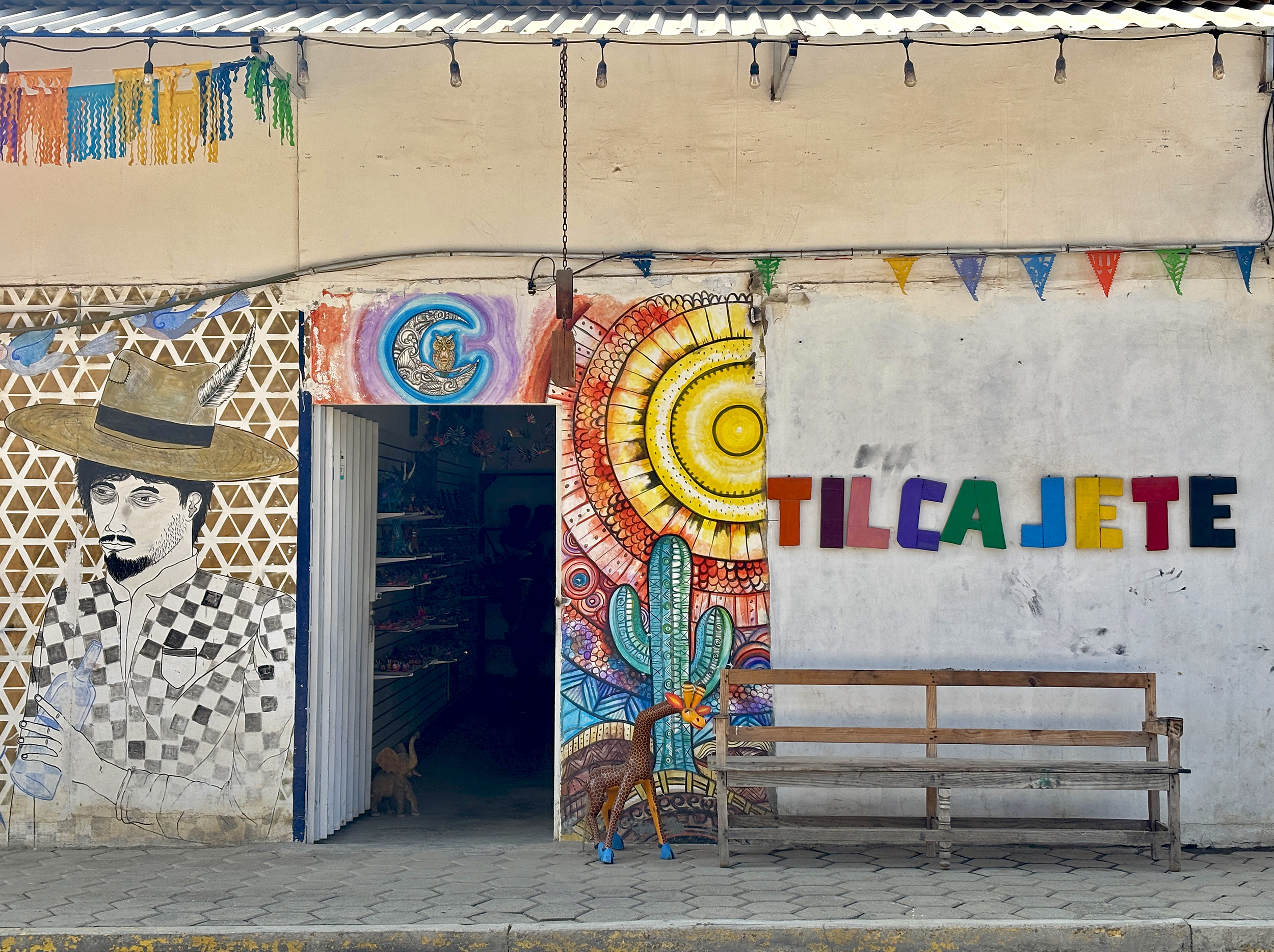
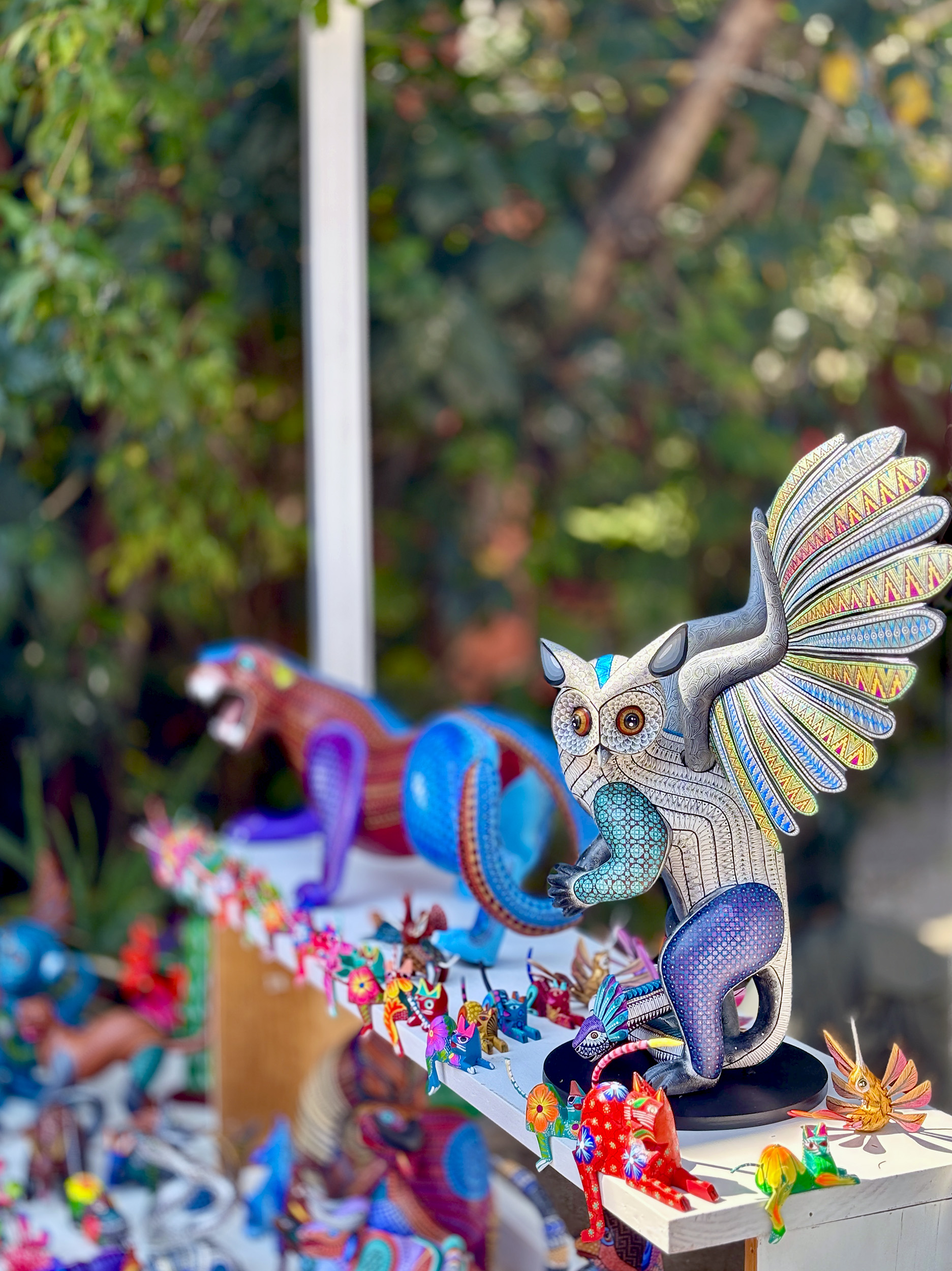
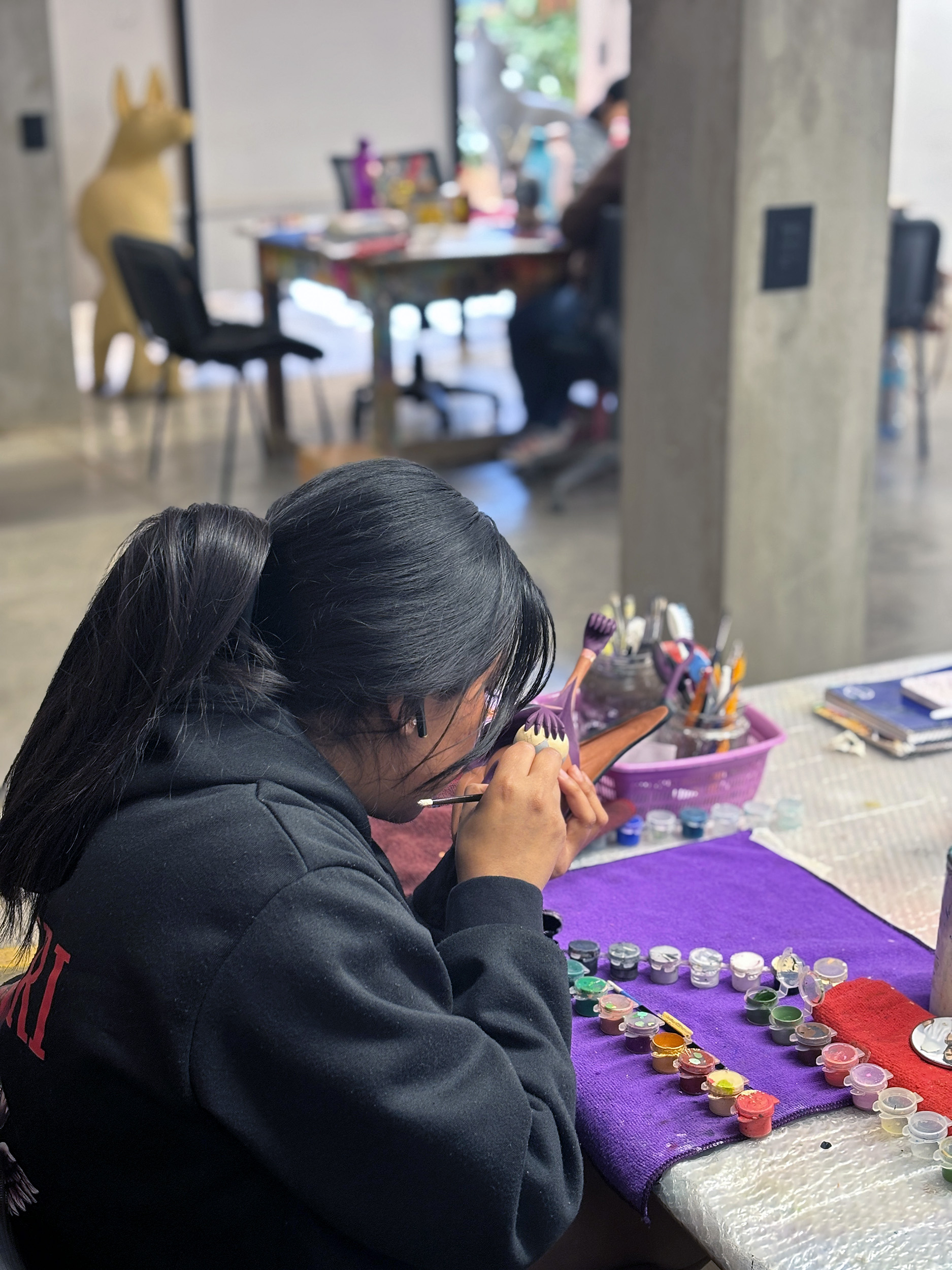
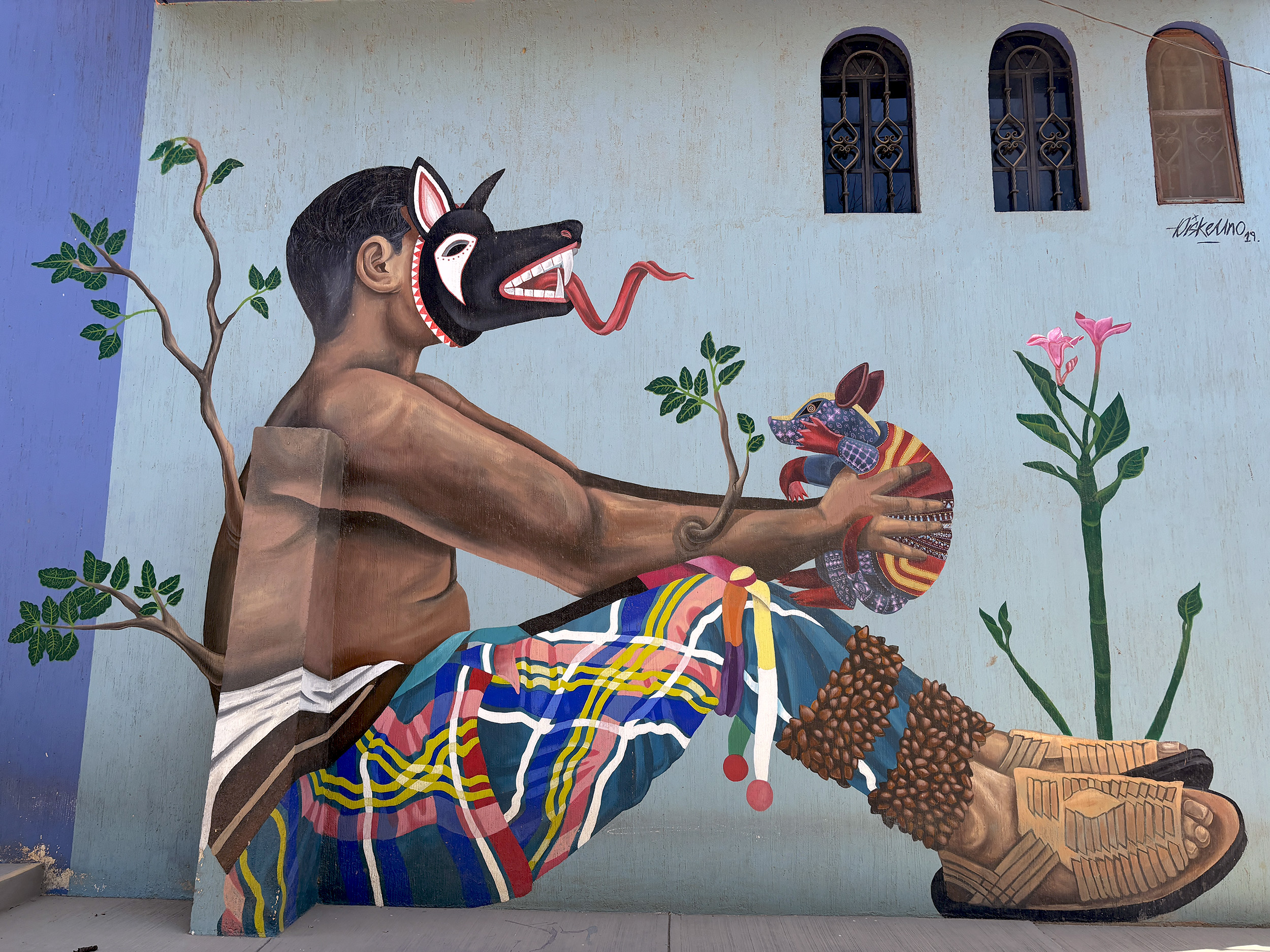
For those visiting any other time of the year, San Martin Tilcajete is a bastion of Mexican folk art, home to innumerable artisans crafting Alebrijes — wood carvings of real and fantastical creatures, painted in bright colors and designs. Amongst them is the studio of Jacobo & María Ángeles — a destination in its own right. The studio prides itself in using only natural paints and Zapotecan techniques, and offers free tours, which TP and I sign up for without hesitation. Almú, a rustic countryside restaurant, is the only eatery in San Martin Tilcajete, and lies on the outskirts of town. There, in the restaurant’s open kitchen, another all-women enterprise works their magic on multiple comals, churning out memelas, tlayudas, moles, and all things Oaxaqueño. TP and I have no choice but to take Fat Tuesday to heart.
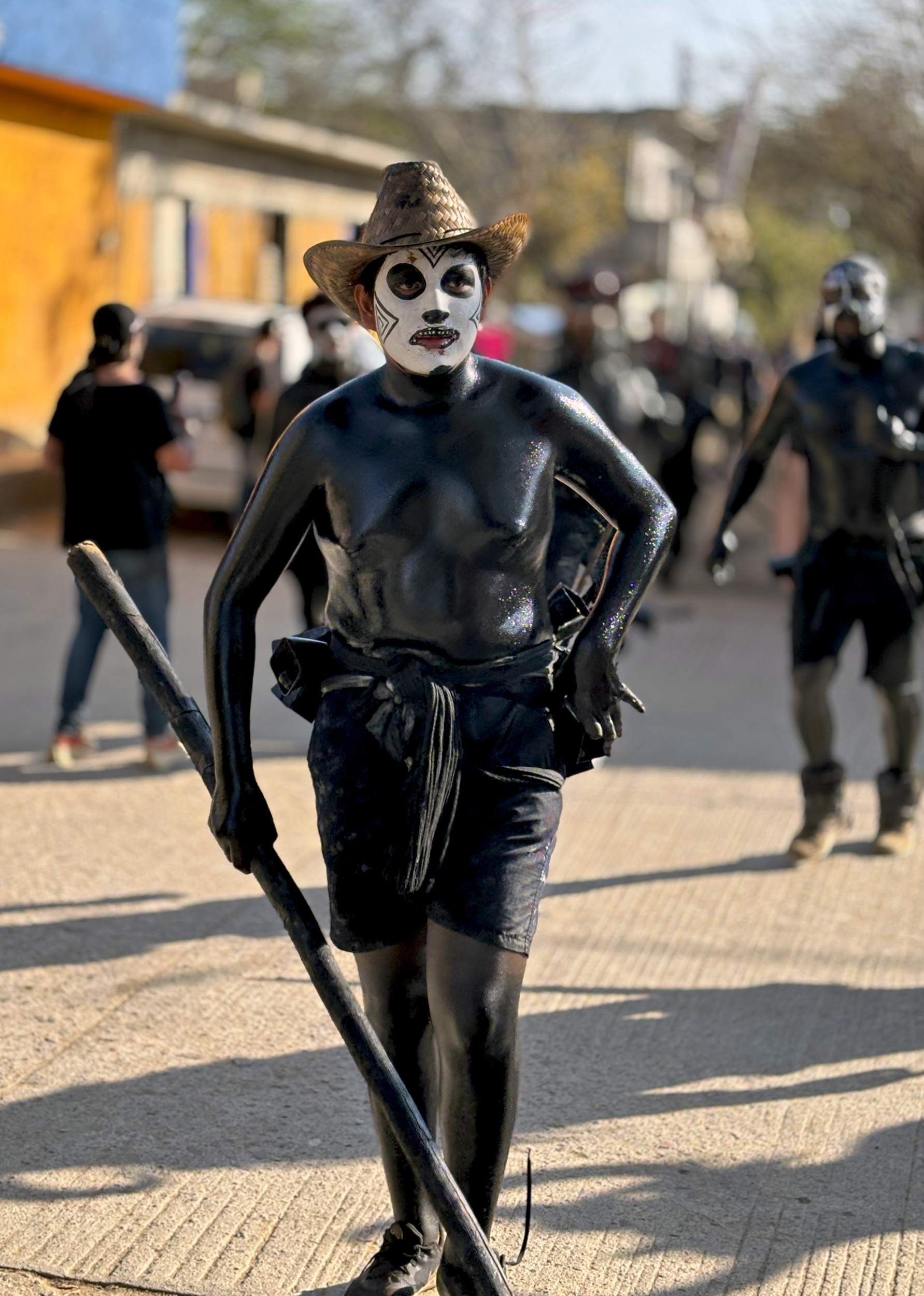
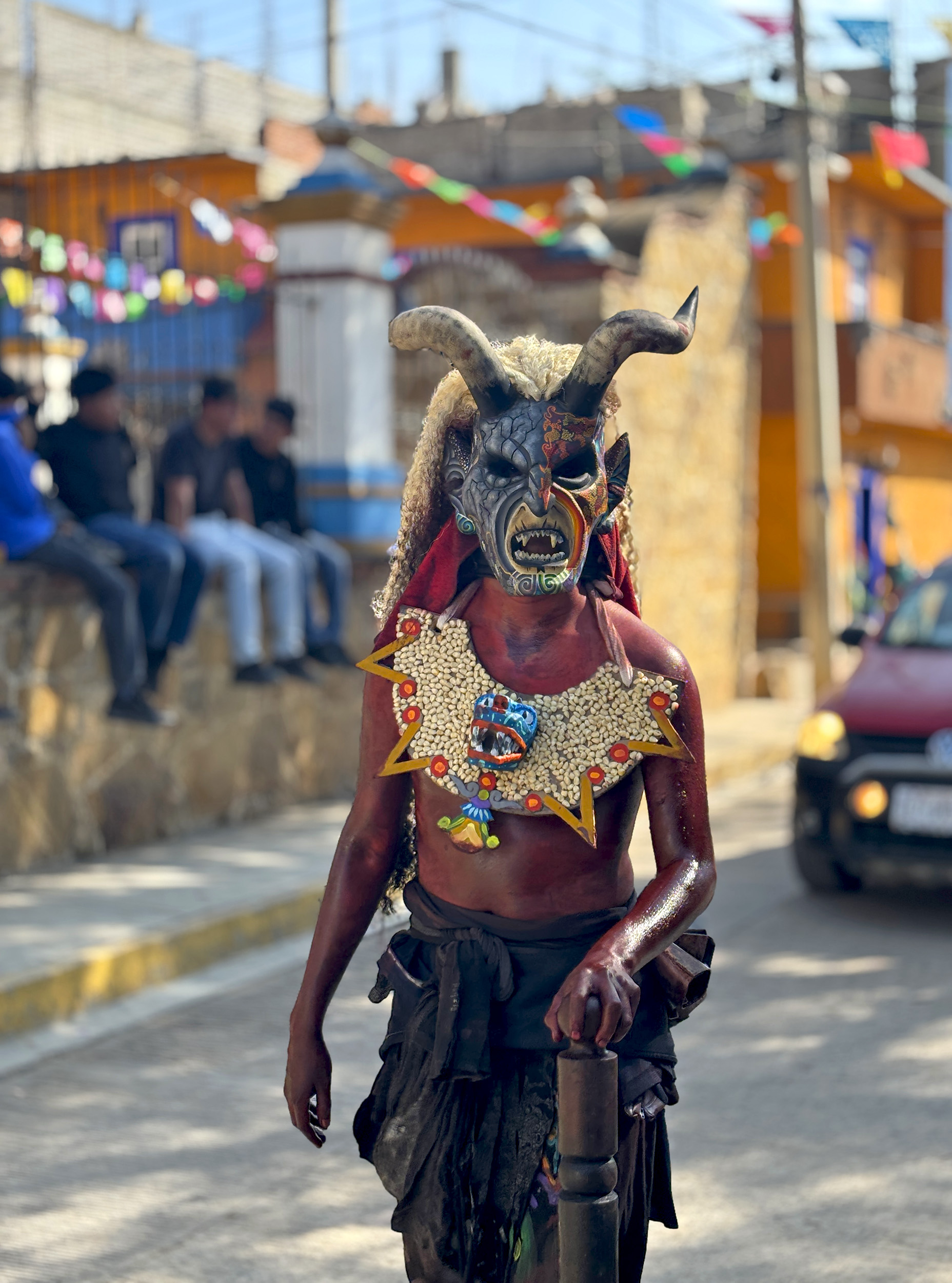
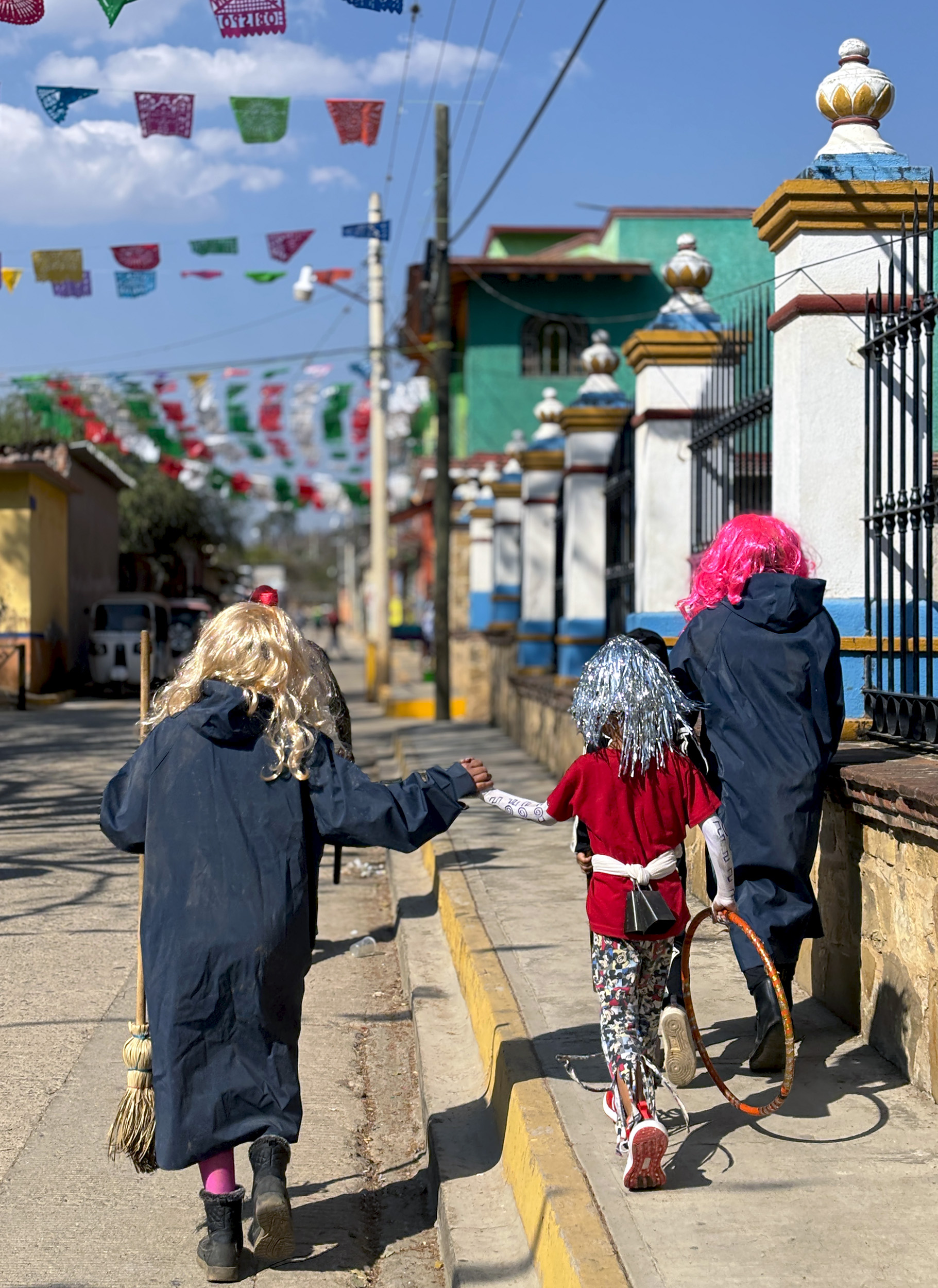
The principal actors in the Carnaval at San Martin Tilcajete are the oiled ones or Aceitados — participants coated in a dark, greasy mix of oil and charcoal. The coating effecting a full-body mask, symbolically wiping out the individuals identity. Aceitados can be found roaming the streets in groups, or individually, with cencerros or cowbells strapped to their waists, creating a proper racket, and providing ample notice to anyone unsuspecting, or as TP often was, those in pursuit of them. They are joined by other lads, women, and even children, donning hand-carved wooden masks of exaggerated faces and demonic beings — a lot of that inspiration drawn from the very art form their town is renowned for. The congregation descends on the town’s main square, parading past the perimeter of the local parish, its whitewashed facade providing a striking contrast to the mass of painted masqueraders. The party continues into the wee hours, apparently, but TP and I — already giddy from all the festive indulgence — bail well before sundown. Upon returning to Centro, a late evening walk around town segues into a relatively light dinner at the charming rooftop of Casa Antonieta, and not far from it, at In Situ Mezcalería, we sign off with a final pour of my favorite spirit.
I came to Oaxaca for the Mezcal and the food — if I were being brutally honest — but I was blown away by everything else that I saw and experienced. As I prepare to leave the Americas soon, and look back at the many amazing places I’ve had the privilege of visiting on both continents, Oaxaca will remain right up there amongst my richest travel experiences. ¡Salud!
A full set of photos from my visit to Oaxaca can be seen on my Flickr.

