
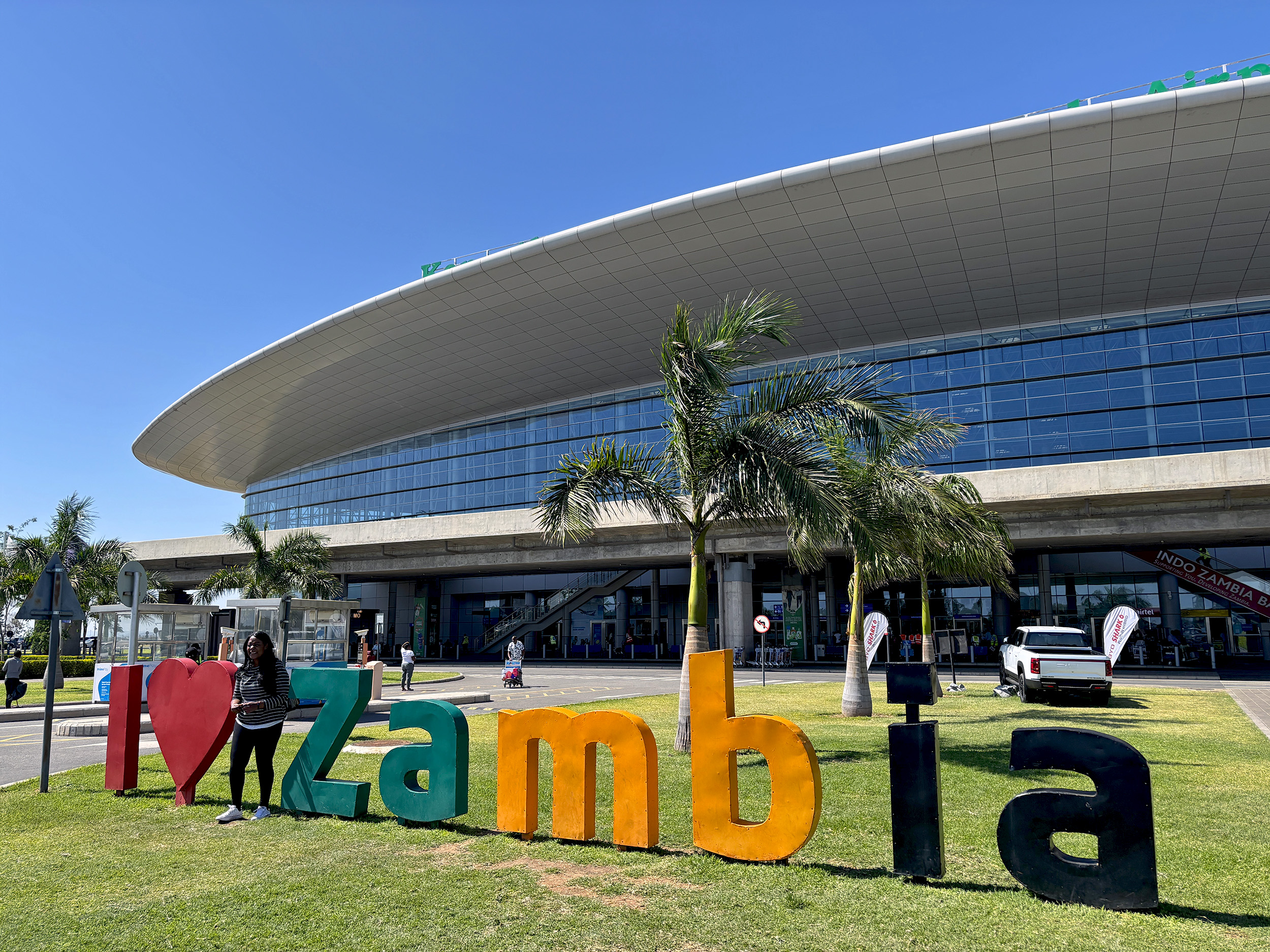
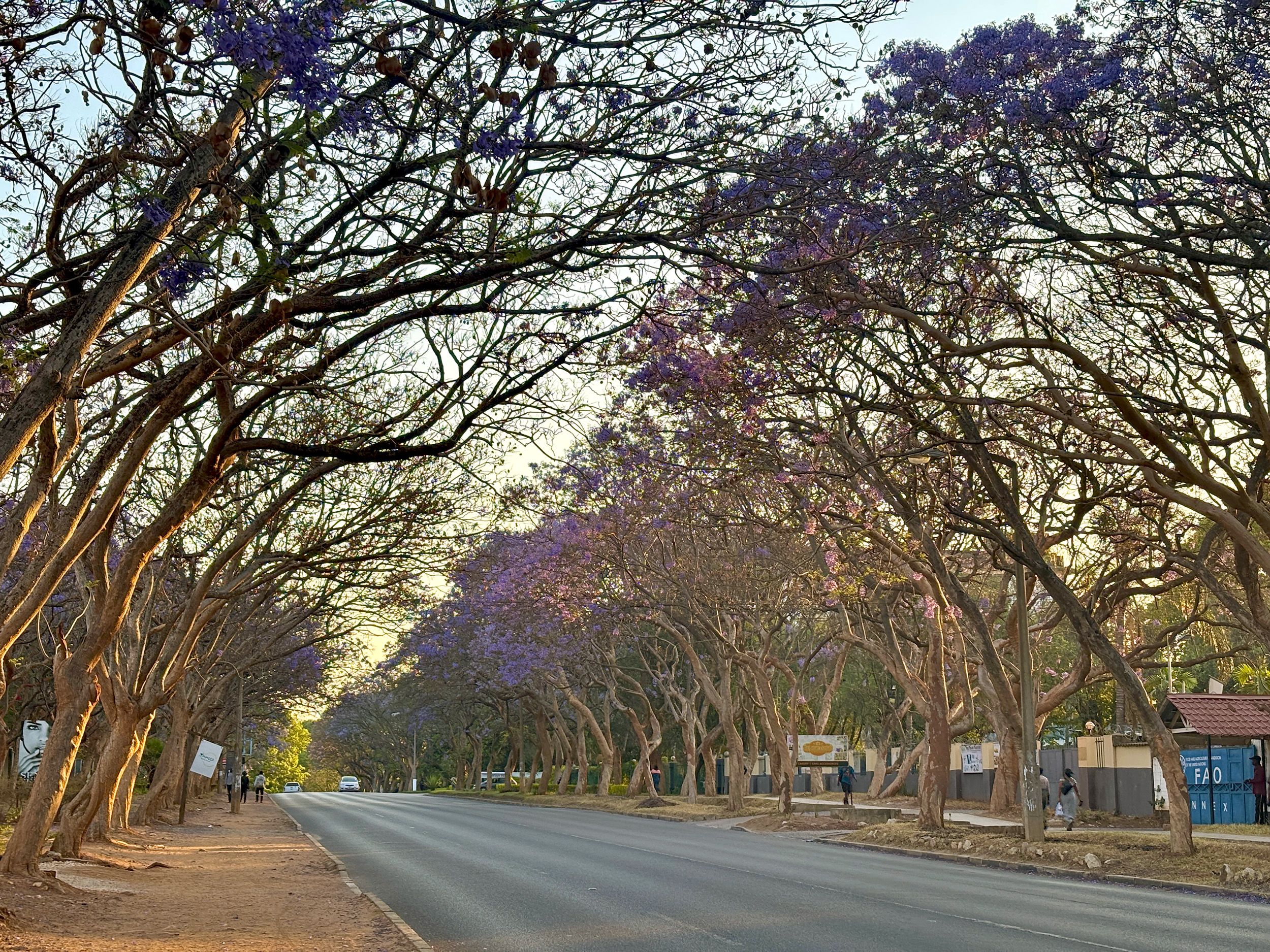
“One Zambia, One Nation” proclaimed the large sign on the highway leading south from Kenneth Kaunda International Airport. It was leftover from 2024, the year Zambia celebrated 60 years of its sovereignty. I was in Africa for my own milestone, and the Zambian capital was my first stop. With jacaranda-lined streets, and a mild climate, Lusaka was a lot more pleasant than I’d expected. It wasn’t particularly built up or congested either, and I was staying in a nice part of town too – along Church Road, at the Southern Sun Ridgeway – although I had really wanted to stay at The Pamodzi, a neighboring property, formerly run by India’s Taj group. I could always walk over and get a meal there at some point, I thought. The day ahead, in theory at least, was meant to be a relaxing one. But it was already filled with anxiety.
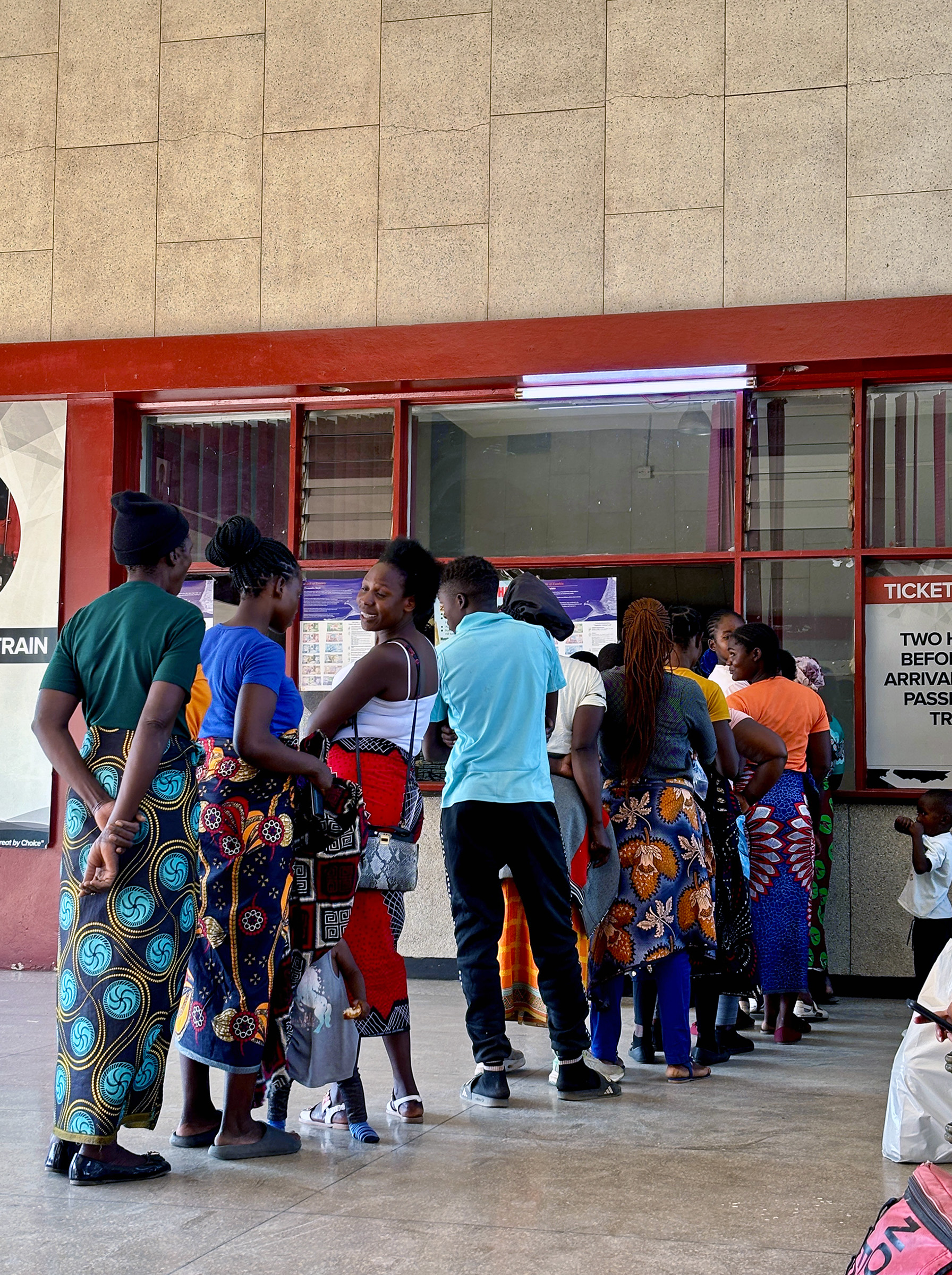
I had arrived in Lusaka on a Friday, hoping to travel the following morning on the weekly “Zambezi” down to Livingstone. The country’s rails had eluded me thus far and and I was determined to notch up some miles there. There was only one problem though. Two, actually. I didn’t have a ticket – nor was there information available on how to get one – and I had no idea when that notoriously late running train would actually show up in Lusaka on Saturday. It took three visits to the station – thankfully not far from my hotel – to secure a ticket, and an “estimate” of when the Zambezi was “expected”. It finally pulled in some 90-minutes after its estimated arrival, eventually departing past sundown, a solid 11-hours behind its originally advertised time of 736 AM.
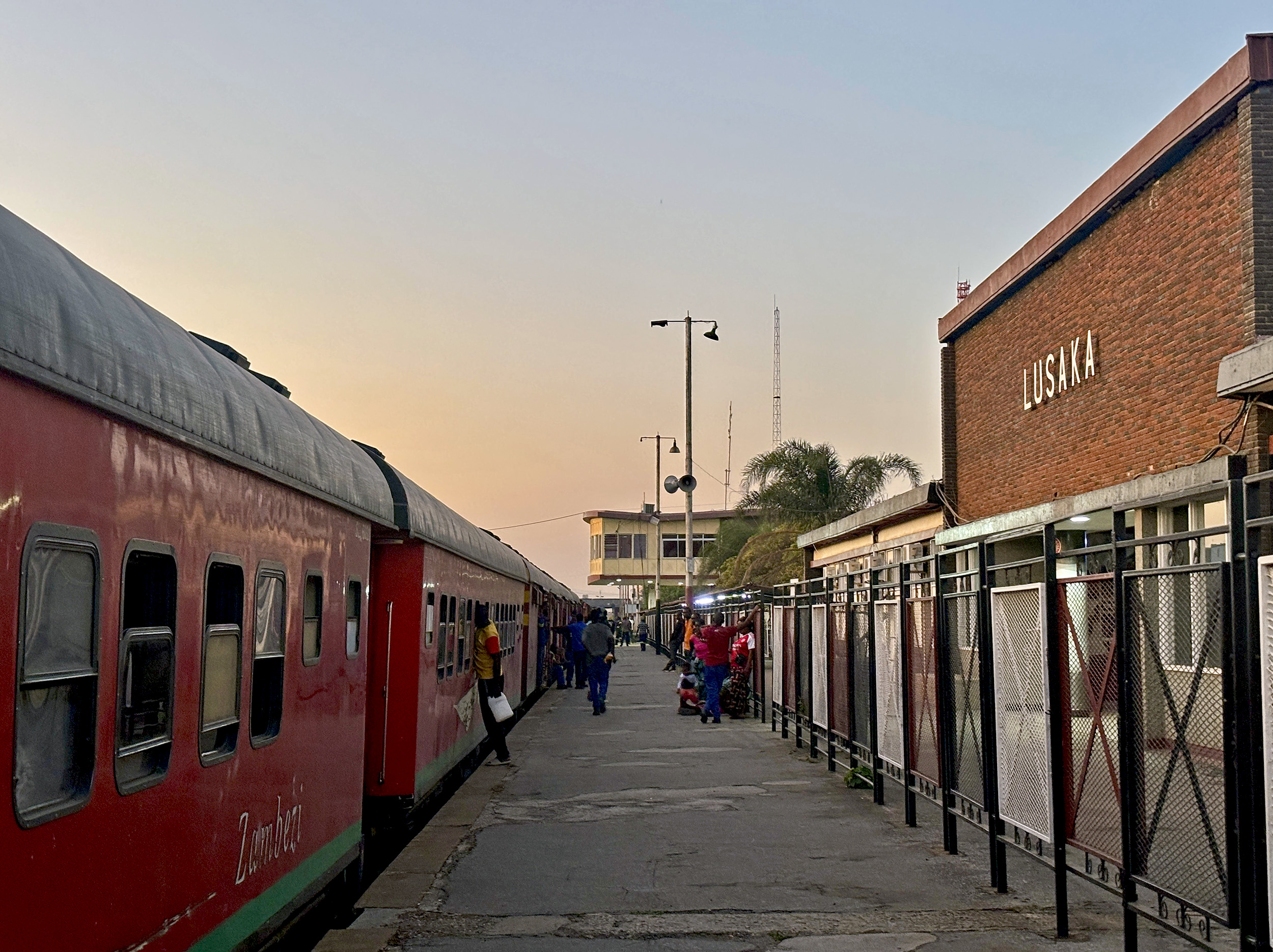
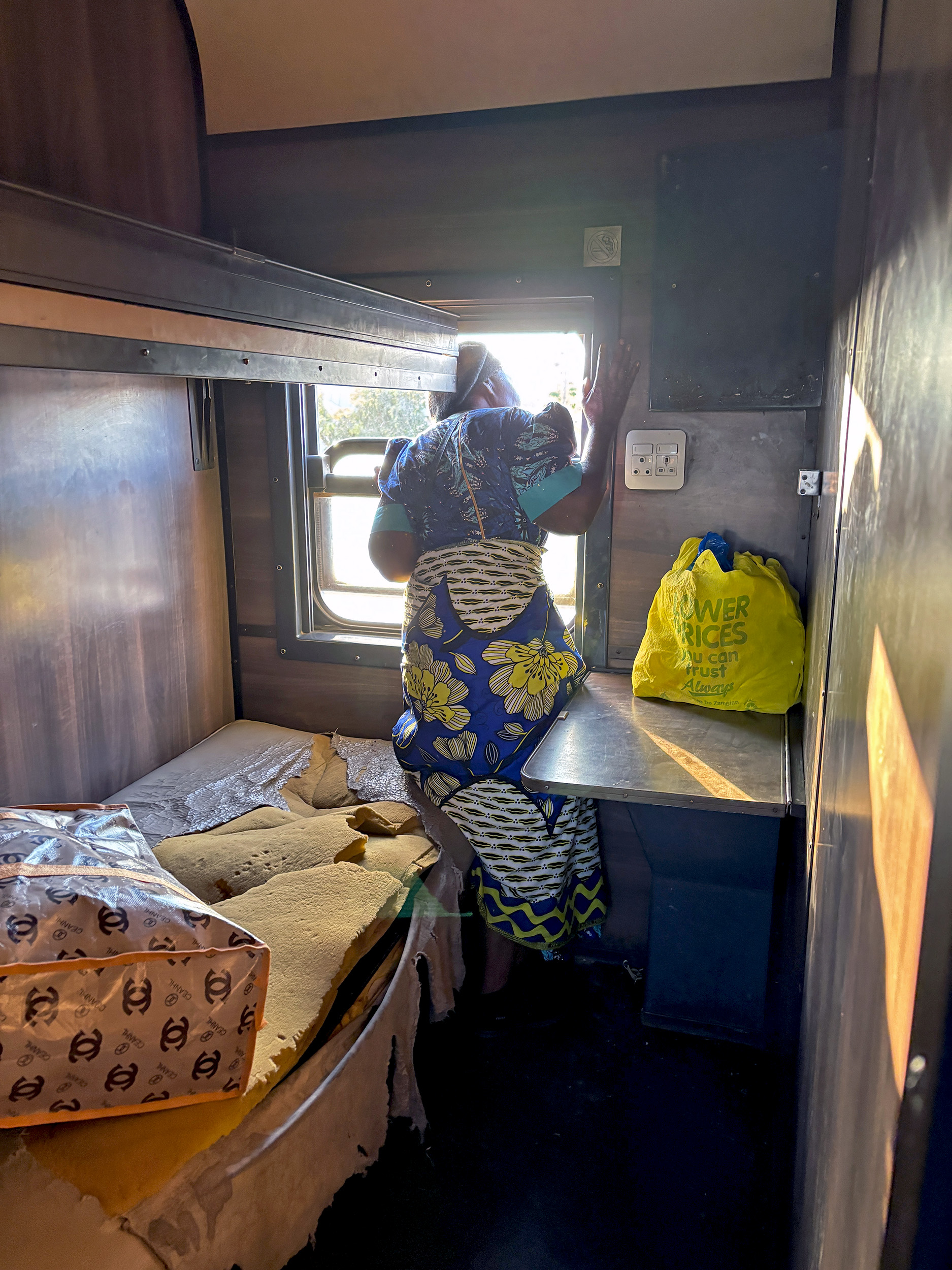
The last published reports available online dated from 2017. Travelers had described a journey on the Zambezi not to differently from the one I did in Tanzania last year. A lot had changed in eight years though, and that realization dawned on me fairly quickly. In theory, I was in a sleeper carriage, with an assigned cabin and such. But that carriage had certainly seen better days, as had the rest of the train, and perhaps, the entire Zambian Railway system. There was a laundry list worth of broken or non-functional items I could expand upon, but nothing topped a night spent without running water or working lights. Even for me, that was a first!
As challenging as the journey was from an amenities and punctuality perspective, the silver lining for me was the people I met and interacted with. Not just those on the train, but everyone outside of it too. Some of the nicest, friendliest souls I’ve encountered, period. And in a continent where that bar is already set pretty high, that’s saying something.

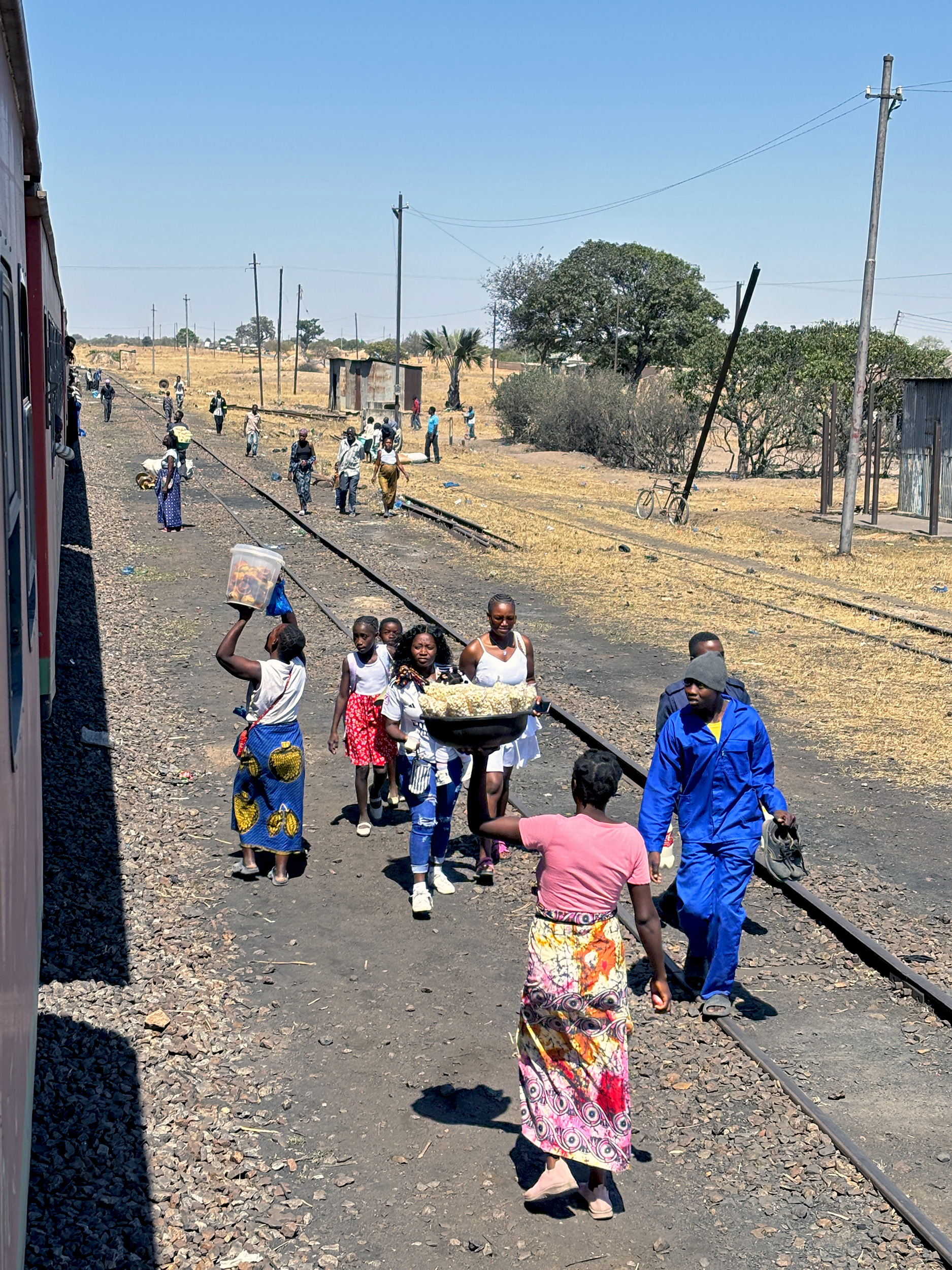
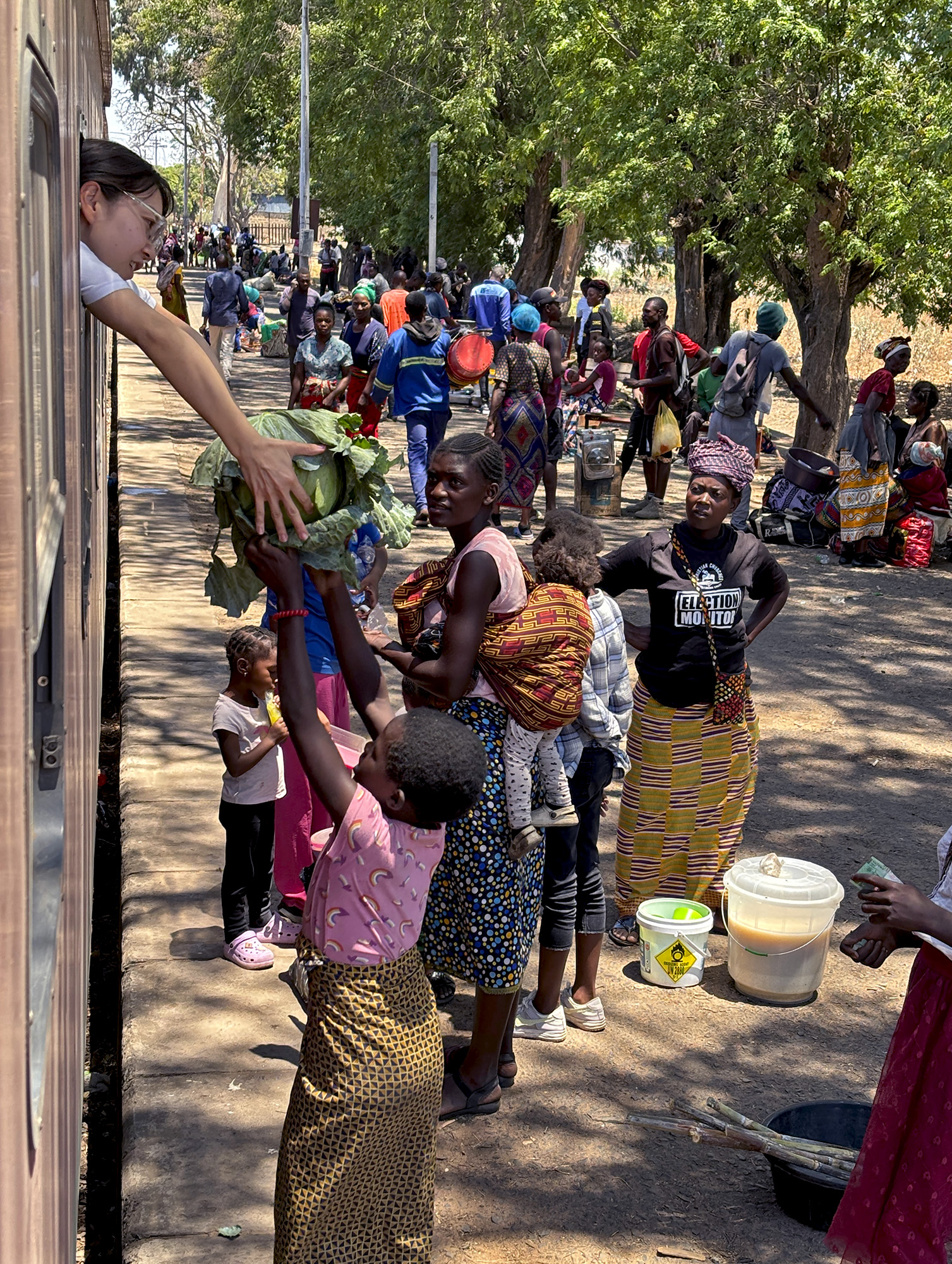
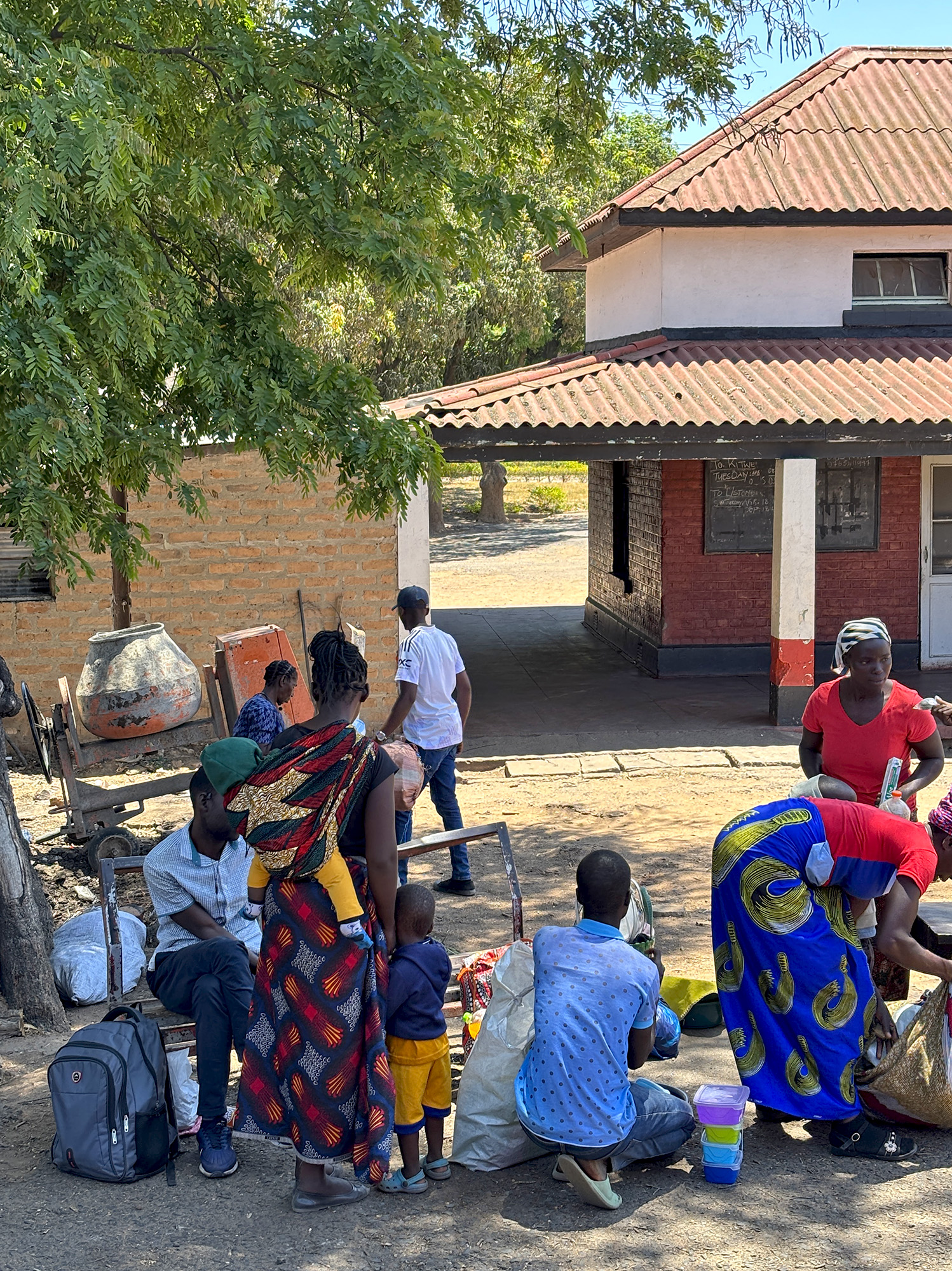
At an average elevation of 1200-meters (3900-feet), Zambia lies on the Central Plateau of Africa, so expectedly there wasn’t much variety to be had outside the window. Some low hills to our east as we got further south, but nothing else of note. At Monze, Choma and Kaloma though – our three major halts during the day – there was plenty of life and activity on the platforms to keep one enthralled. Vendors in bright chitenge skirts, their infants wrapped behind in slings, hawking everything from fresh produce to the ever-popular snack, chikanda. Toned men, across the age spectrum, loading and unloading unwieldy parcels. A labor-intensive process, I realized later, which was the cause of our endless detention at most stations. Whole families gathered, waiting to receive or send those very parcels, or see off their loved ones. In the background sat faded station boards and buildings in disrepair, the odd jacaranda behind them, sashaying in the wind.

Despite his journey halfway around the globe, RR had already beaten me to our hotel at Livingstone. I had every intention of receiving him there on Sunday evening, but my train was in no mood to cooperate, losing another 7-hours en route, and gently easing in to its terminus at Livingstone a grand 18-hours and 21-minutes late. It’s just as well I planned on that extra day. The respite at Ngoma Zonga Lodge was much needed, for another long journey awaited us.
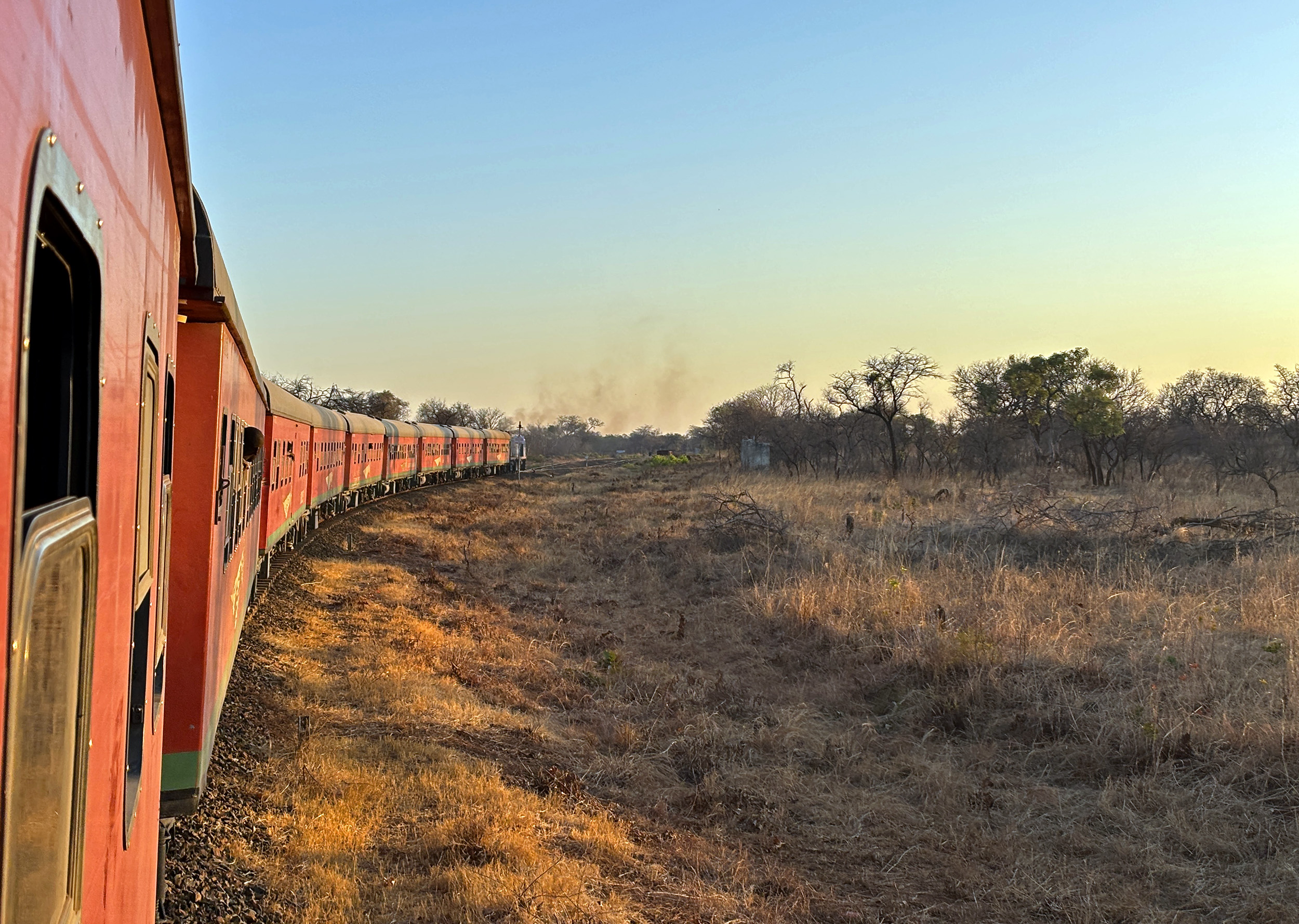

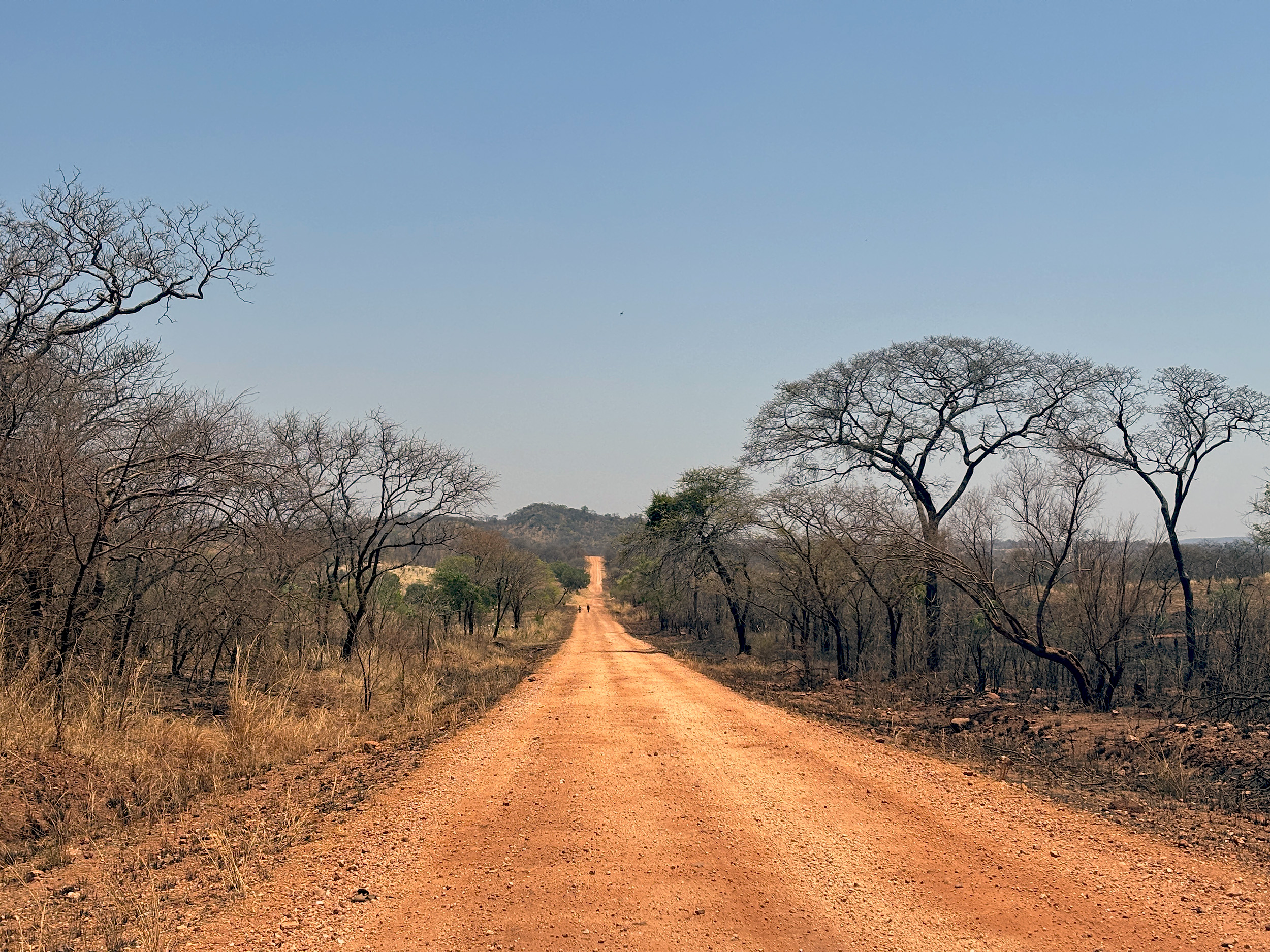
Nine hours of almost continuous driving, on mostly dirt roads – unforgiving to one’s spine or the vehicle’s suspension – is what it took to reach our camp within Kafue National Park. And with a deadline of dusk looming, we made it there just in time. Sans any hairy encounters with wild animals en route, or worse still, a flat tyre. By the time we settled in around the campfire – aperitifs in hand, and a moonlit sky for company – the pain from two arduous days of travel was quickly forgotten.
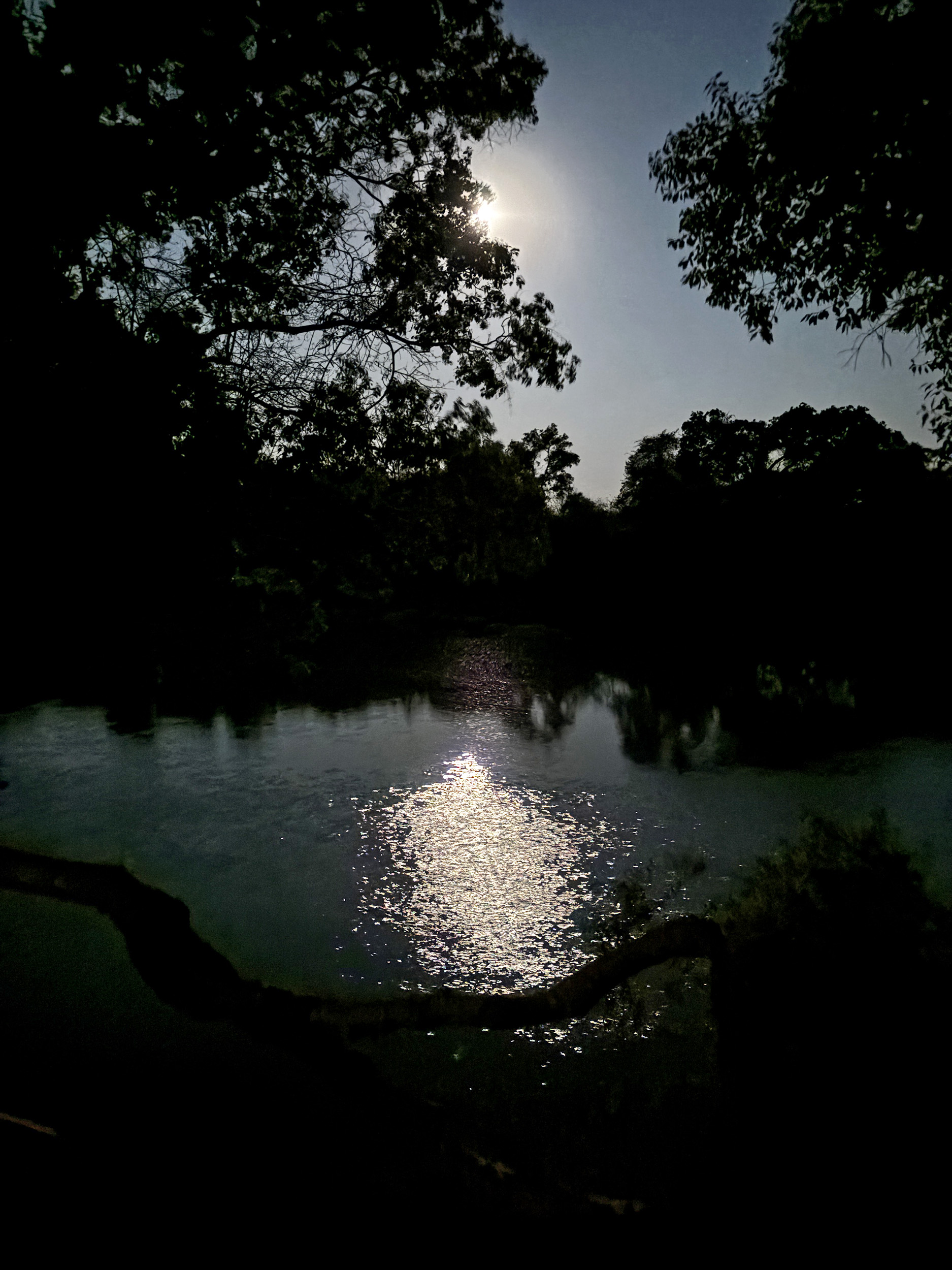
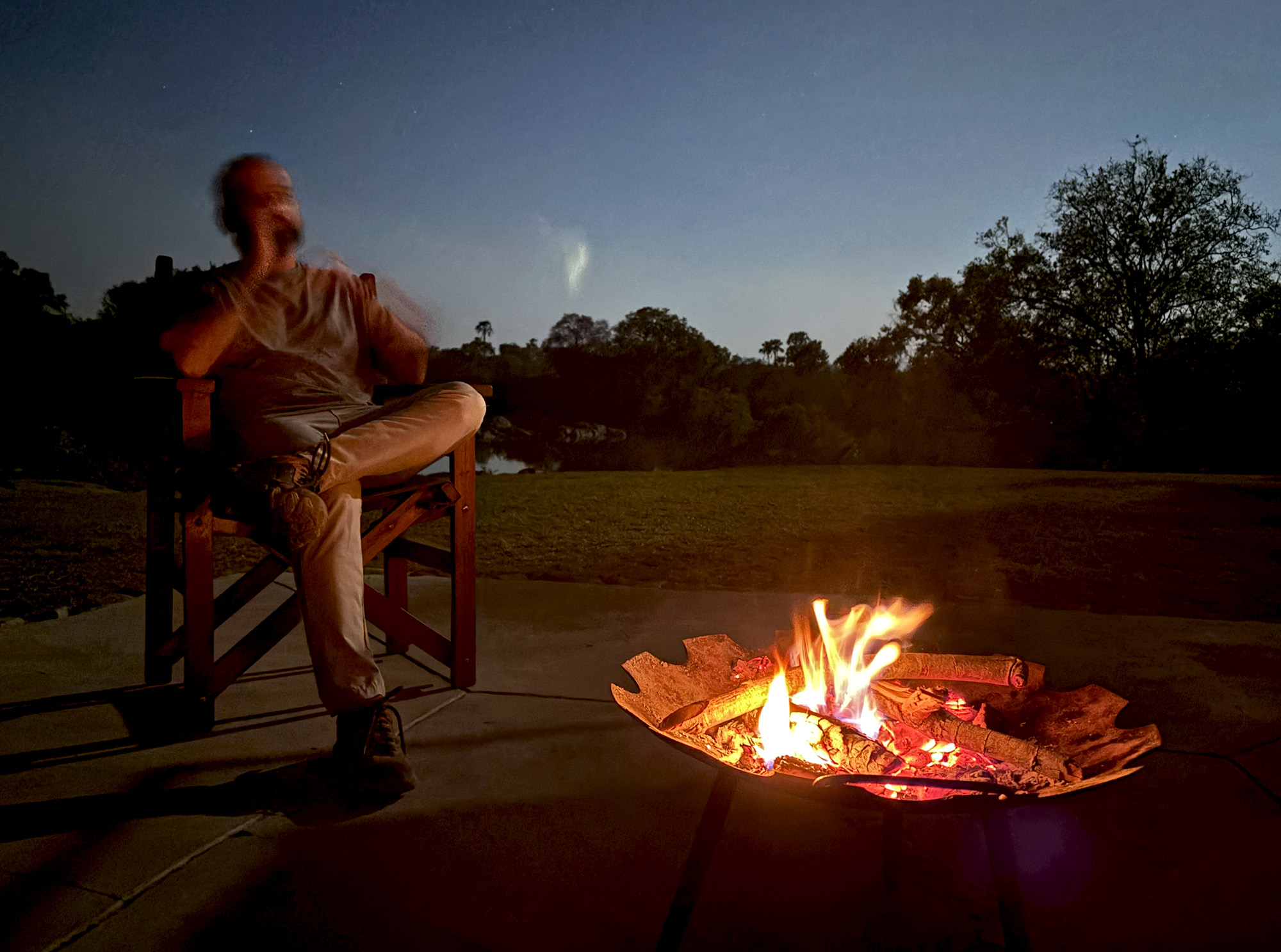
Mornings at Kasabushi Camp typically started with a guided game drive, setting off well before daybreak. A hearty breakfast followed, with mchinga chinga jam being the star on each occasion. As the day warmed, a dip in the camp’s aquifer-fed plunge pool became the norm. A post-lunch walk to keep up that step count. A little reading. Plenty of napping. Somewhere in between, a blissful open air shower. Evening tea on the deck, looking out for crocs. Occasionally, an evening safari. Twilight had us back by that campfire, sundowners on the ready, and captivating conversations to look ahead to with our superlative hosts, Tessa and Quintin. We fell asleep to the sounds of the jungle, awaking to bird song. It never got old. The decision to spend four nights there, perhaps one of the smartest I’ve made in a while.
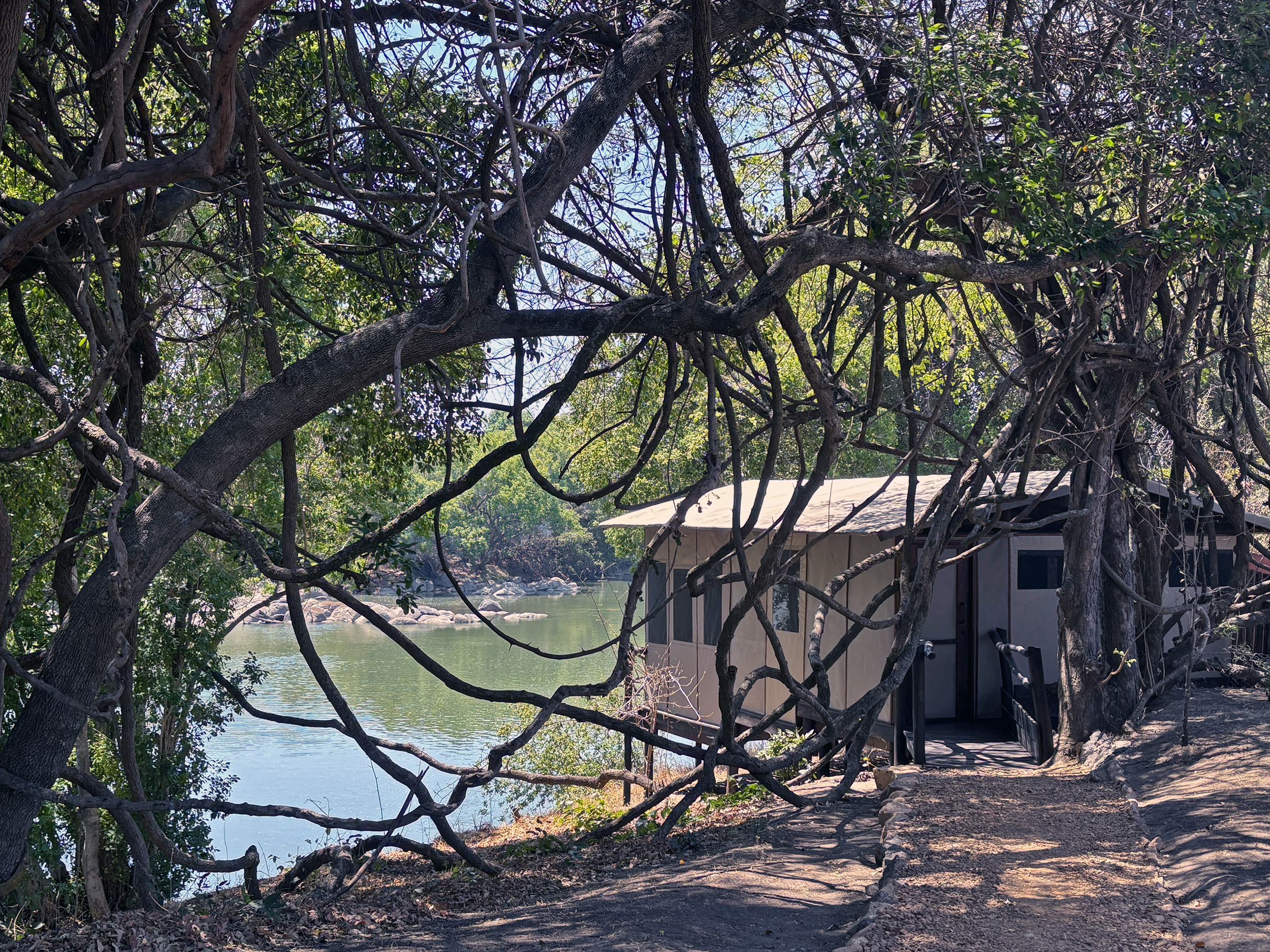
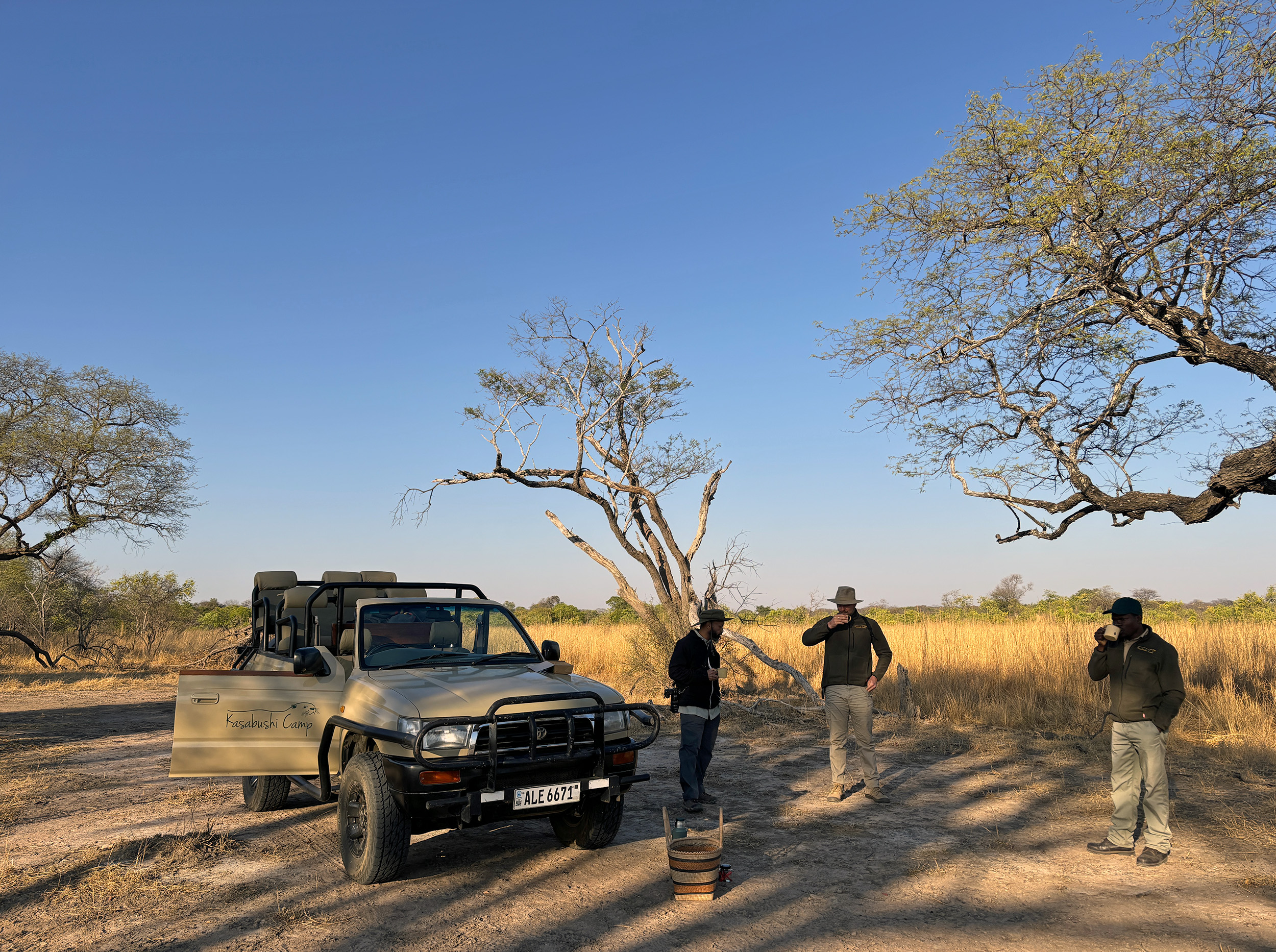
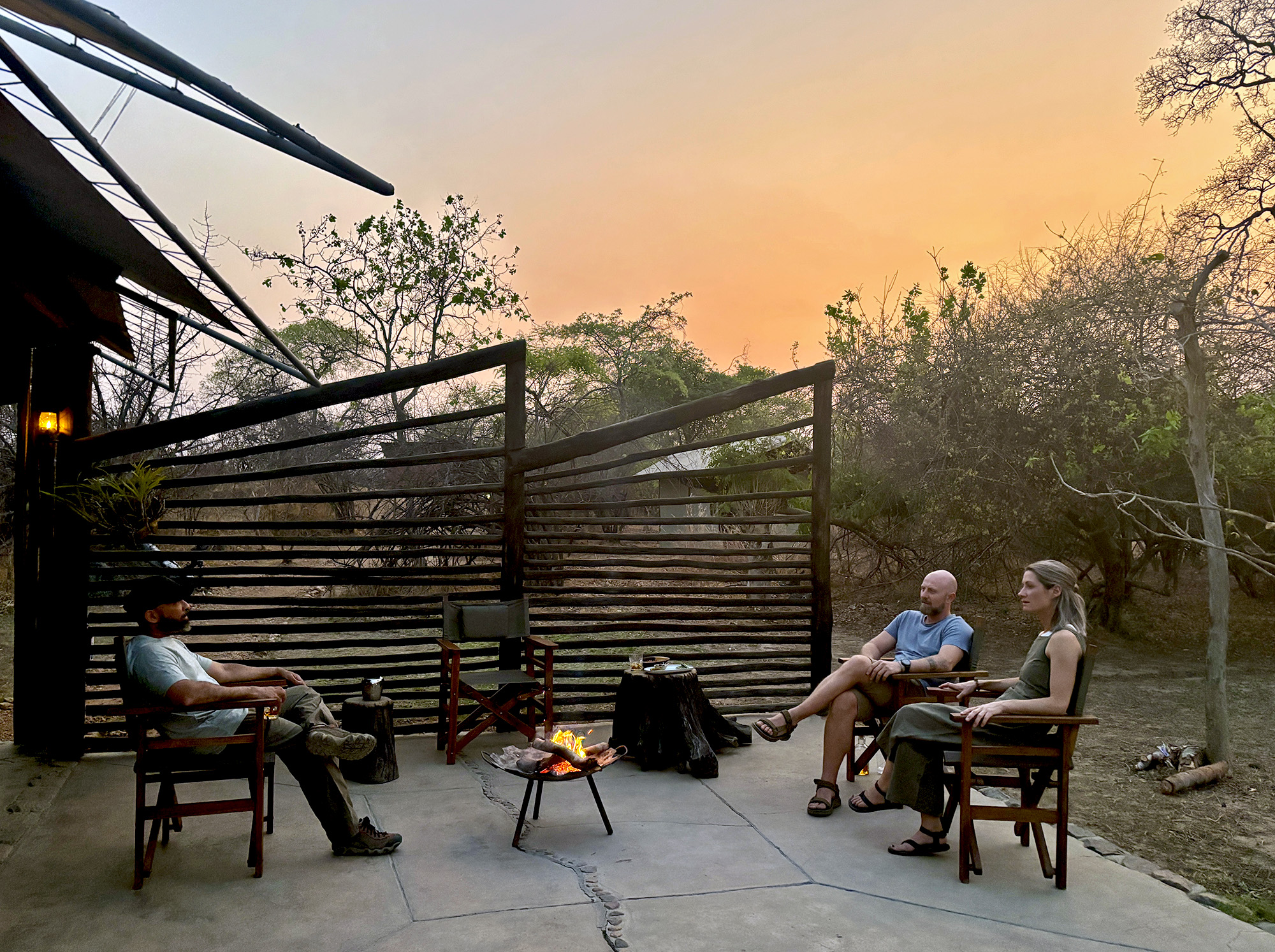
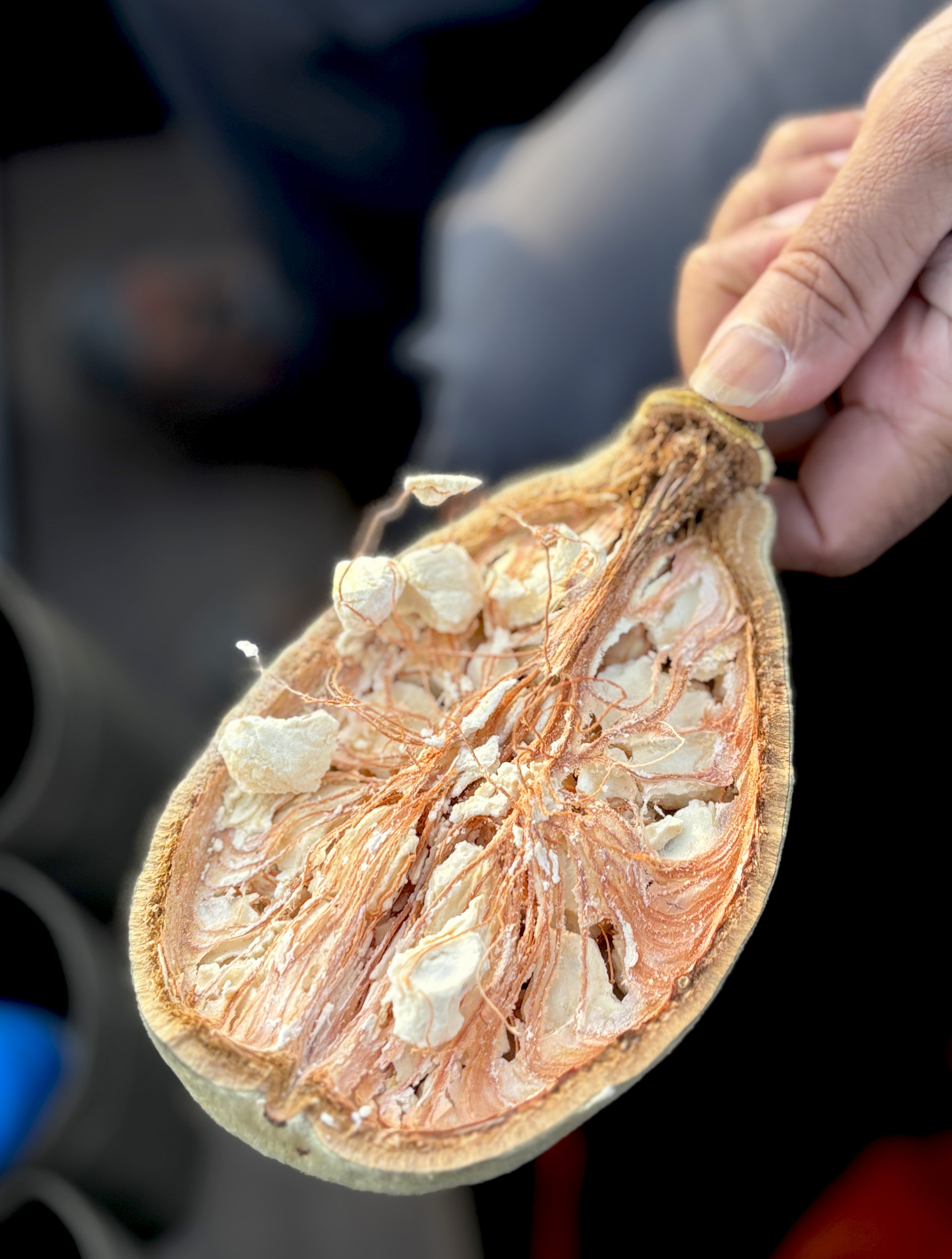
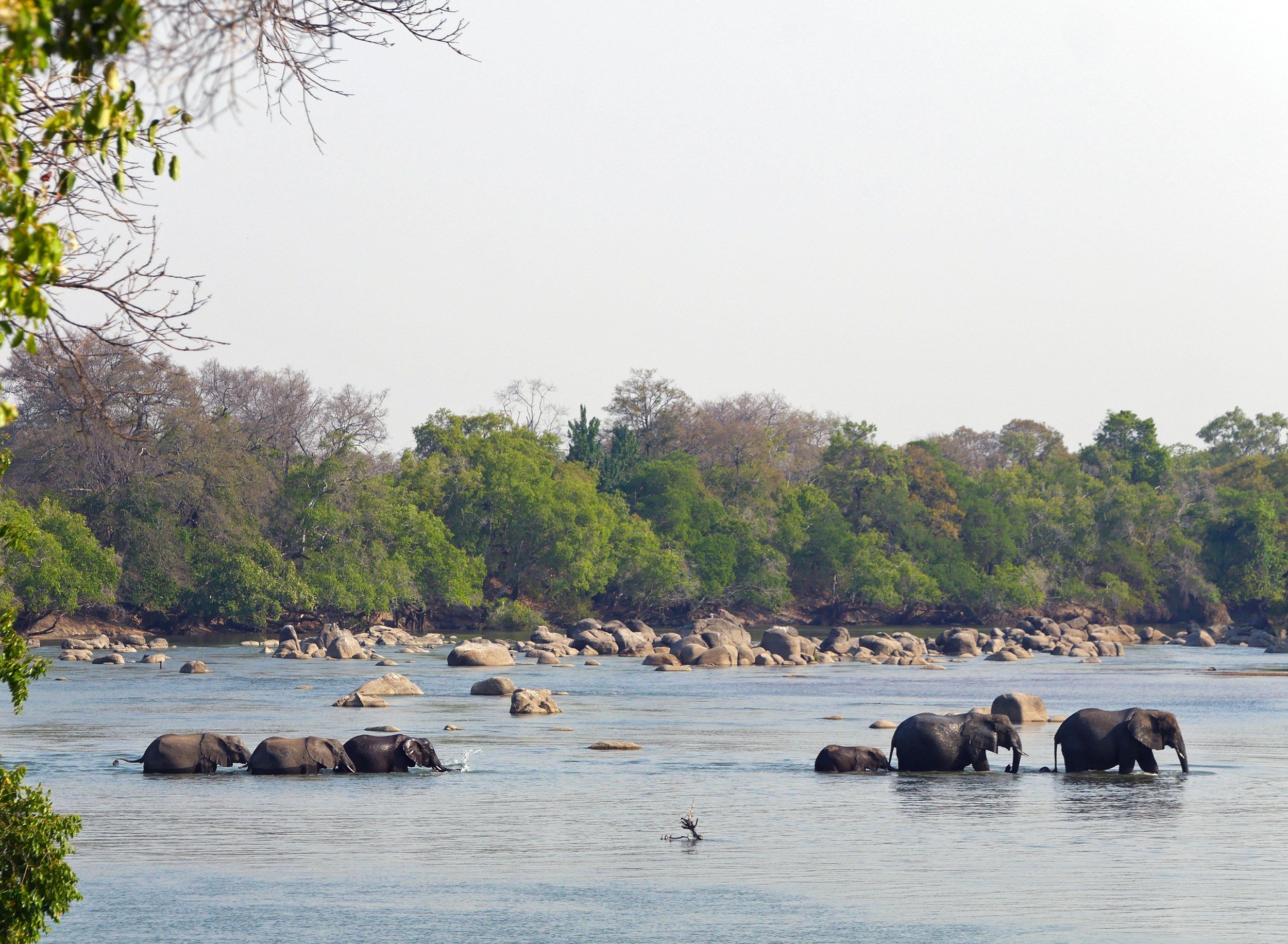
The dry season is typically the best in which to encounter big cats, but in a park the size of Kafue – Africa’s fifth largest – that can be quite a challenge. Being his first visit to the continent, RR’s disappointment at not being able to spot them was understandable. But we both agreed that the access we had while at Kafue was unparalleled. Not only were we the only guests at Kasabushi, but it took the better part of two days for us to run into another safari vehicle. Over each outing, we were privy to little nuggets, awakening in us a whole new appreciation for the wild. Why is the baobab known as the “tree of life”? What are the tell-tale signs of a rhino hideout? What keeps those tsetse flies from ticking? How are termite hills essential to our environment? What is the ring-necked dove trying to tell us? In years past, I’ve had the privilege of visiting the Mara on two separate occasions, but the time we spent in Kafue is the closest I’ve ever gotten to being in the midst of nature.

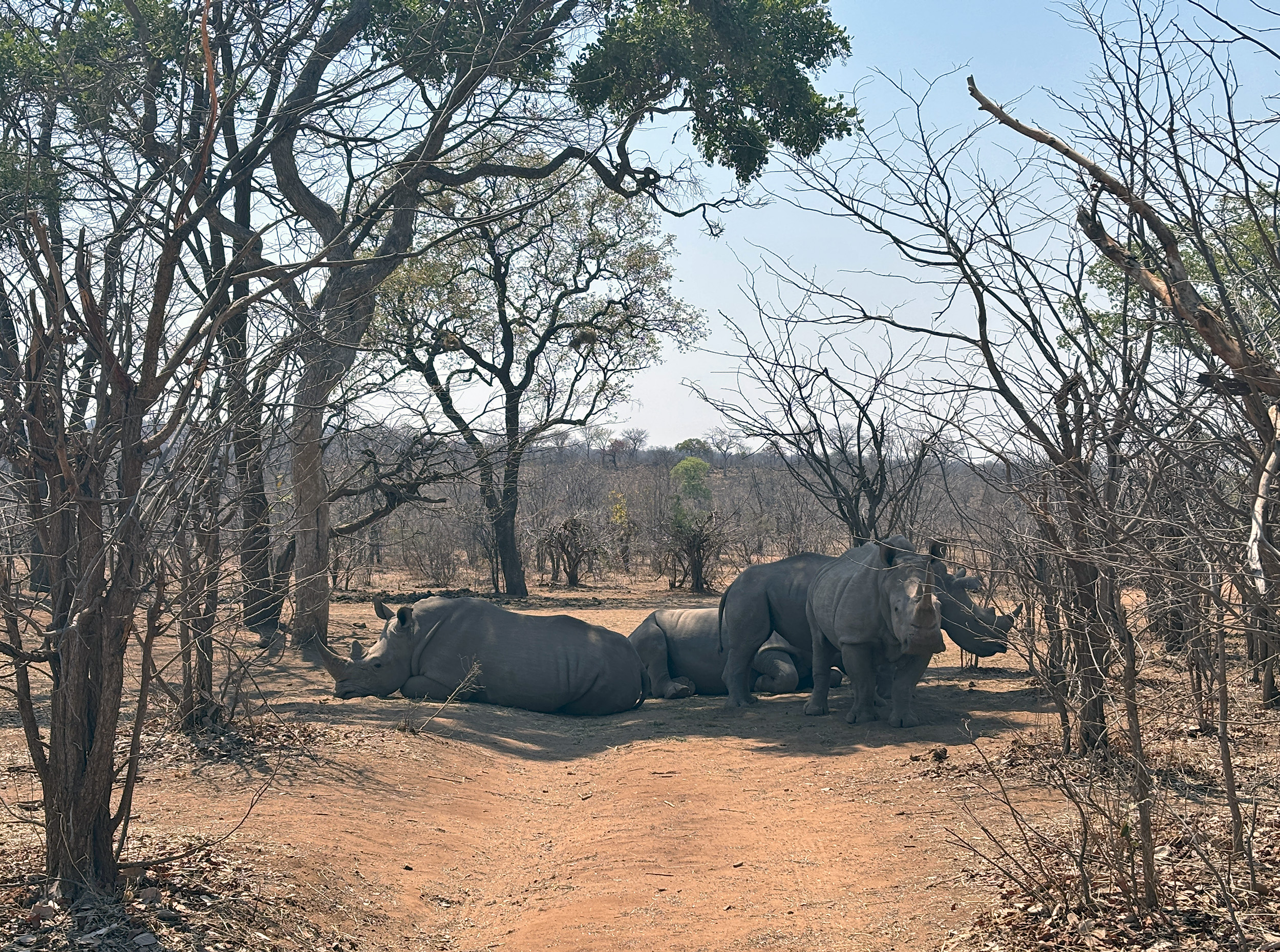
Back in Livingstone, as we awaited the arrival of the rest of our crew, we caught wind of the fact that white rhinos could be viewed in fairly close quarters at Mosi-oa-Tunya National Park. The main entrance of the park’s wildlife section sat practically across from our hotel, so the first half of our day was quickly locked down. The Railway Museum at Livingstone was next on my list – you know, the one I never got to see due to a certain train’s tardiness? I caught up right after with RR for a late lunch, where a “side” of fried caterpillars had just been ordered. Gulp!
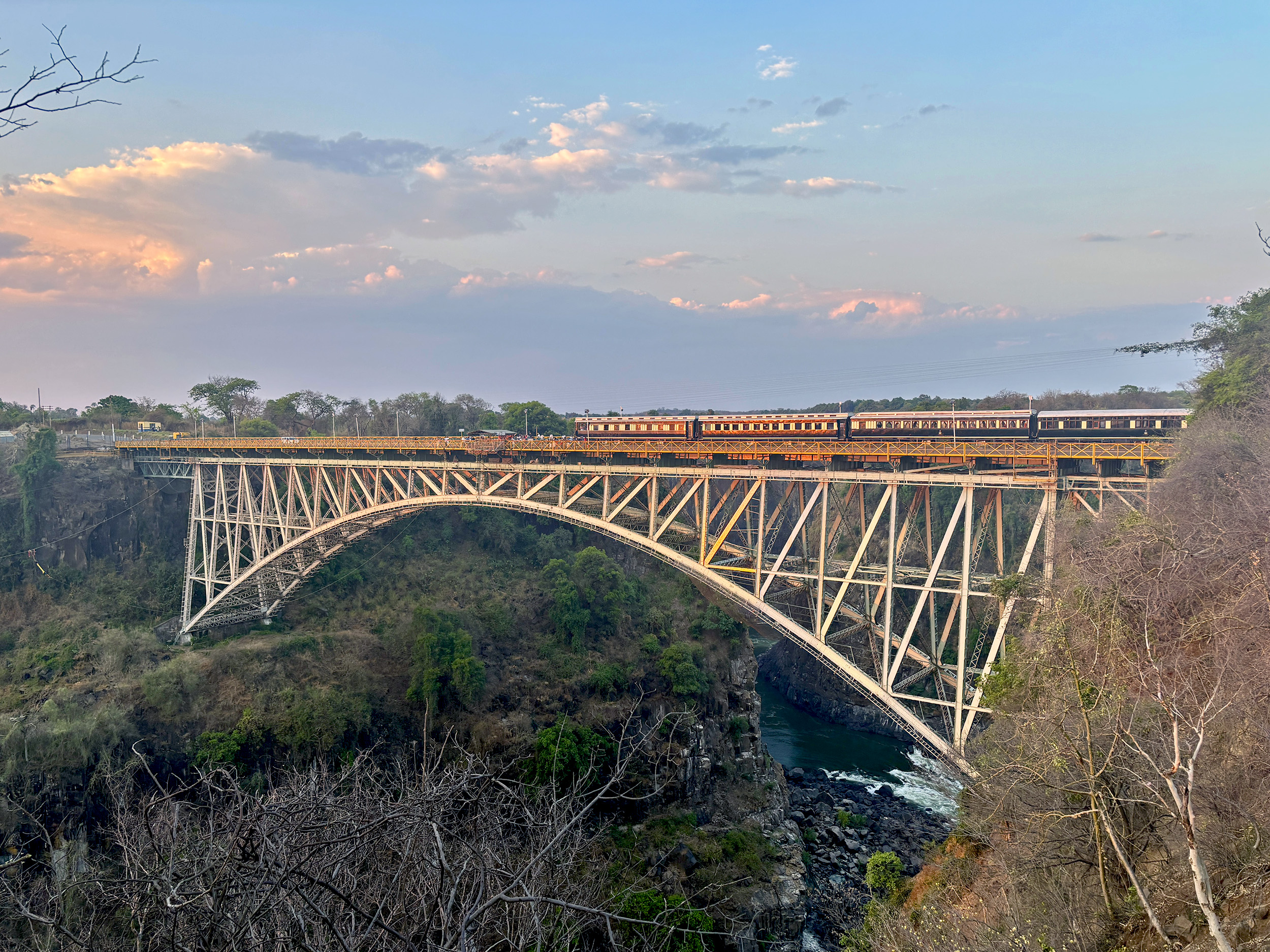
The evening saw us united with the rest of the group – NS, VB, and putting in a cameo, LB – together, the last five guests to board The Royal Livingstone Express. A rather embarrassing entry that was, but we made it all the same. Operated by Bushtracks Africa, the train comprising five heritage carriages, slowly made its way over to no man’s land – the half way point on the iconic Victoria Falls bridge, where Zambia and Zimbabwe share a border. Photo ops exhausted and overpriced souvenirs bought, the train headed back towards Livingstone, with a two hour stop en route to allow for a leisurely multi-course dinner to be served – the raison d’être for the train. Operated only twice a week, it coincided perfectly with the occasion I was in Africa to celebrate 🙂


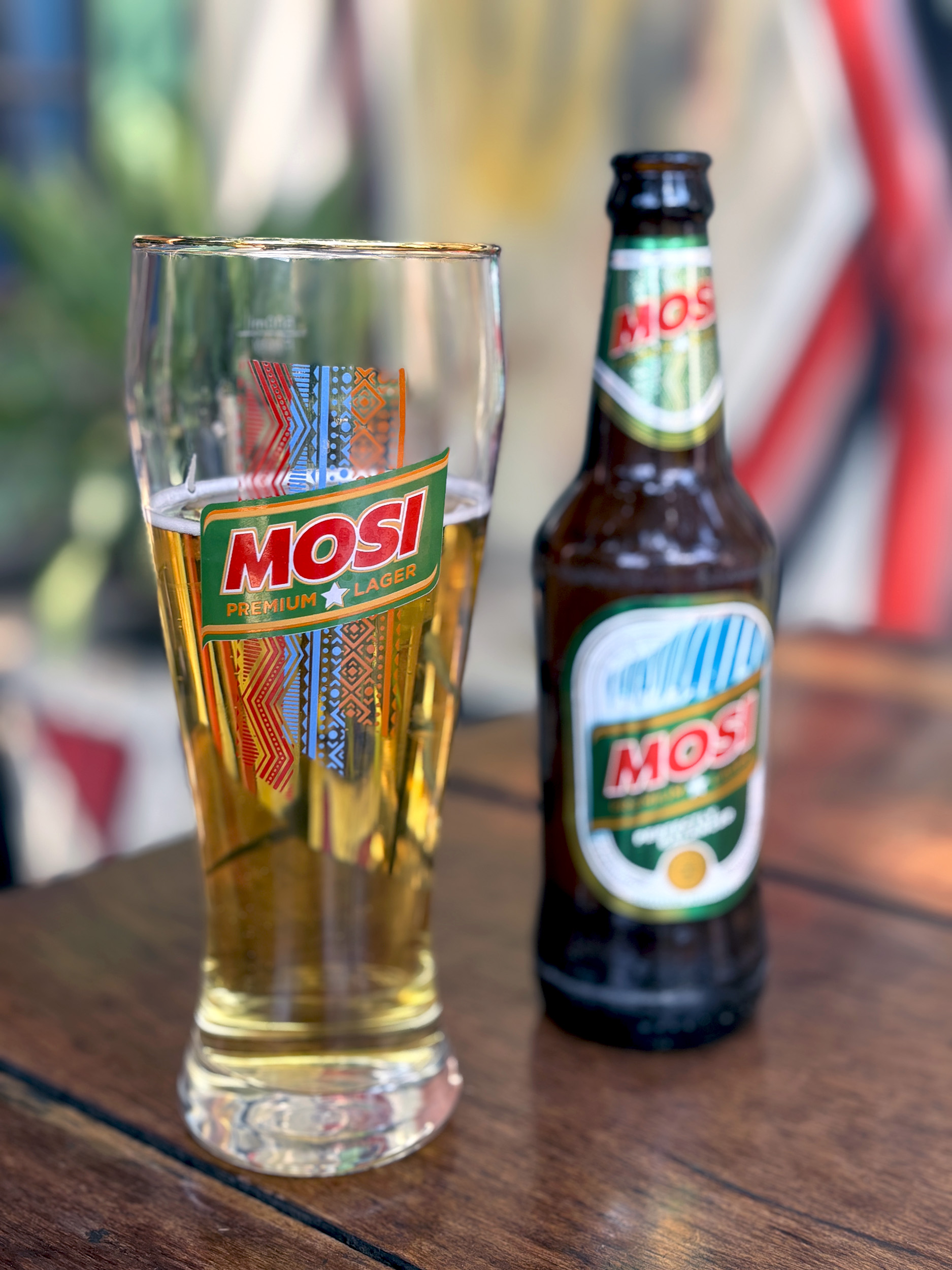
Mosi-oa-Tunya means “the smoke that thunders”, a Lozi name that is commonly used to refer to the Victoria Falls. Both Zambia and Zimbabwe boast a national park by precisely that name, each focussed on the same legendary waterfall, one of the world’s seven natural wonders. In the dry season, the Zambian side may not be the most appealing, but it definitely gives one a sense of scale of the spectacular gorge the Zambezi River empties into. Zimbabwe, on the other hand, definitely has the pick of the litter as far as views go, no matter the season. The Zimbabwean government having long recognized that fact, is unapologetic in extracting double the entry fee of its Zambian counterpart.
Over a mile in width, and over a 100-meters in height, the Victoria Falls are considered the largest sheet of falling water in the world. From a volume perspective, that’s 10-million liters a minute in the dry months, and a staggering 500-million liters in the wet. October is very much a dry month, but even so, it was a magical experience for us every step of the way. That is, until our excursion was cut short rather abruptly by a sounder of warthogs.
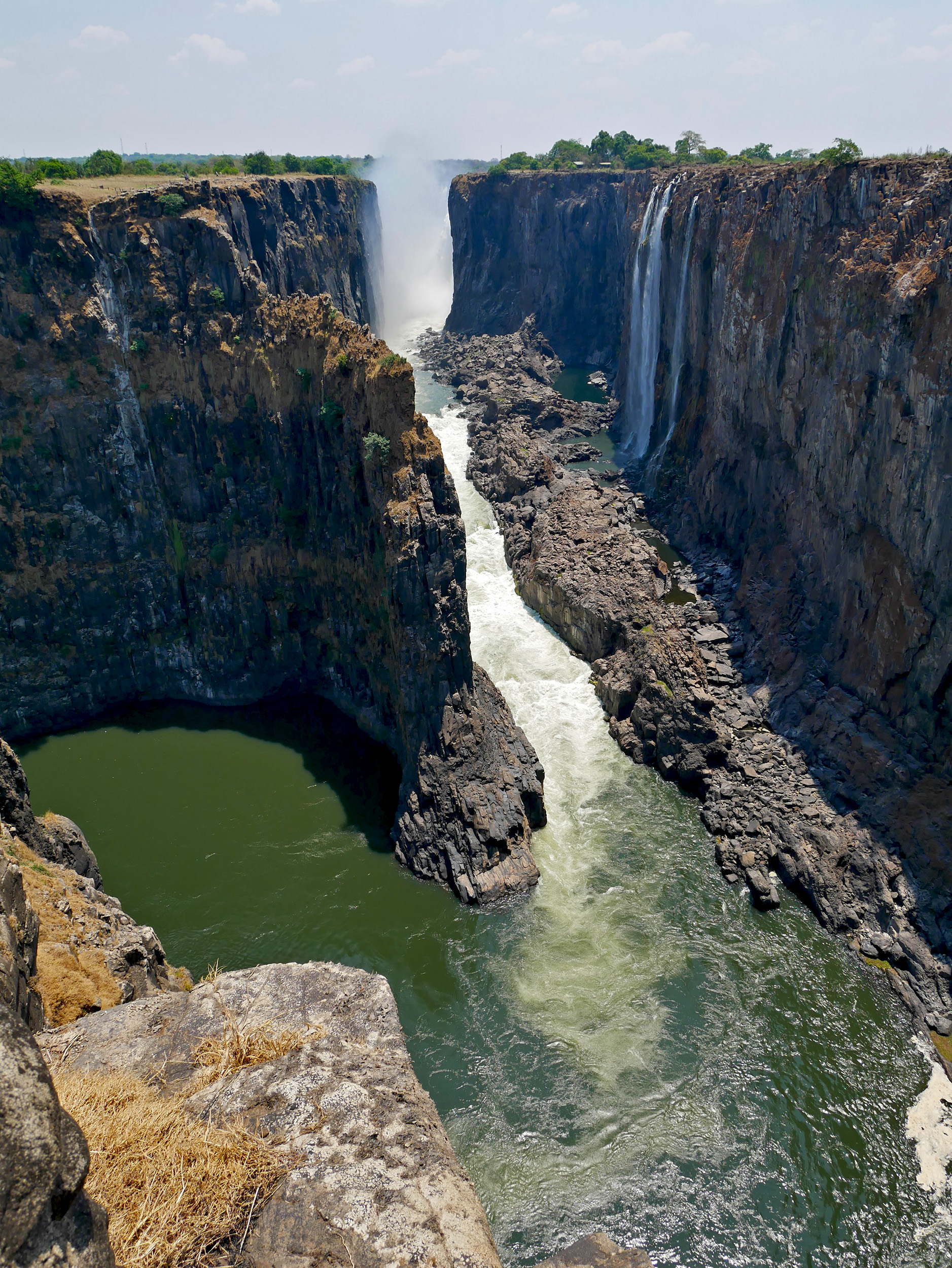
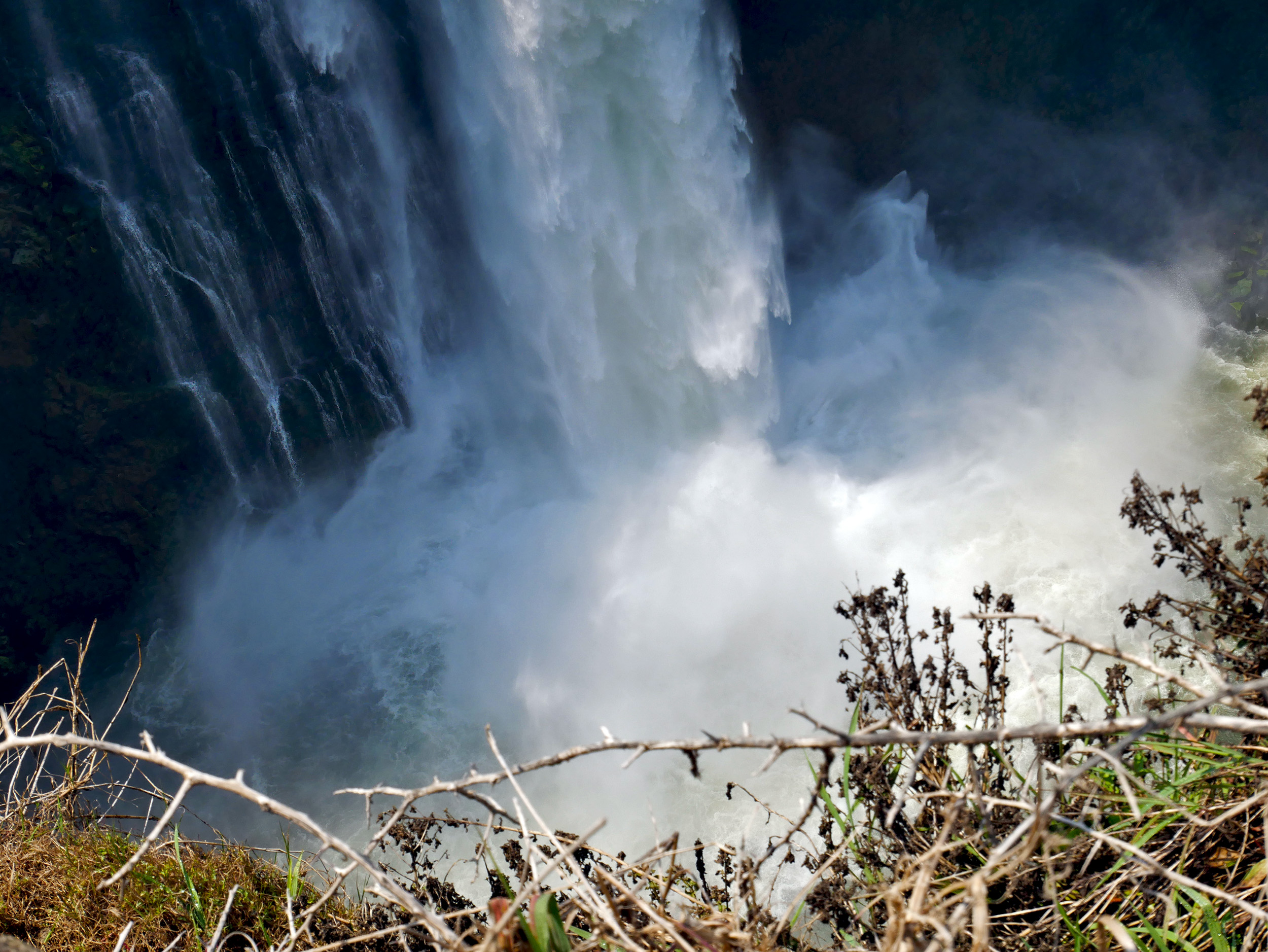
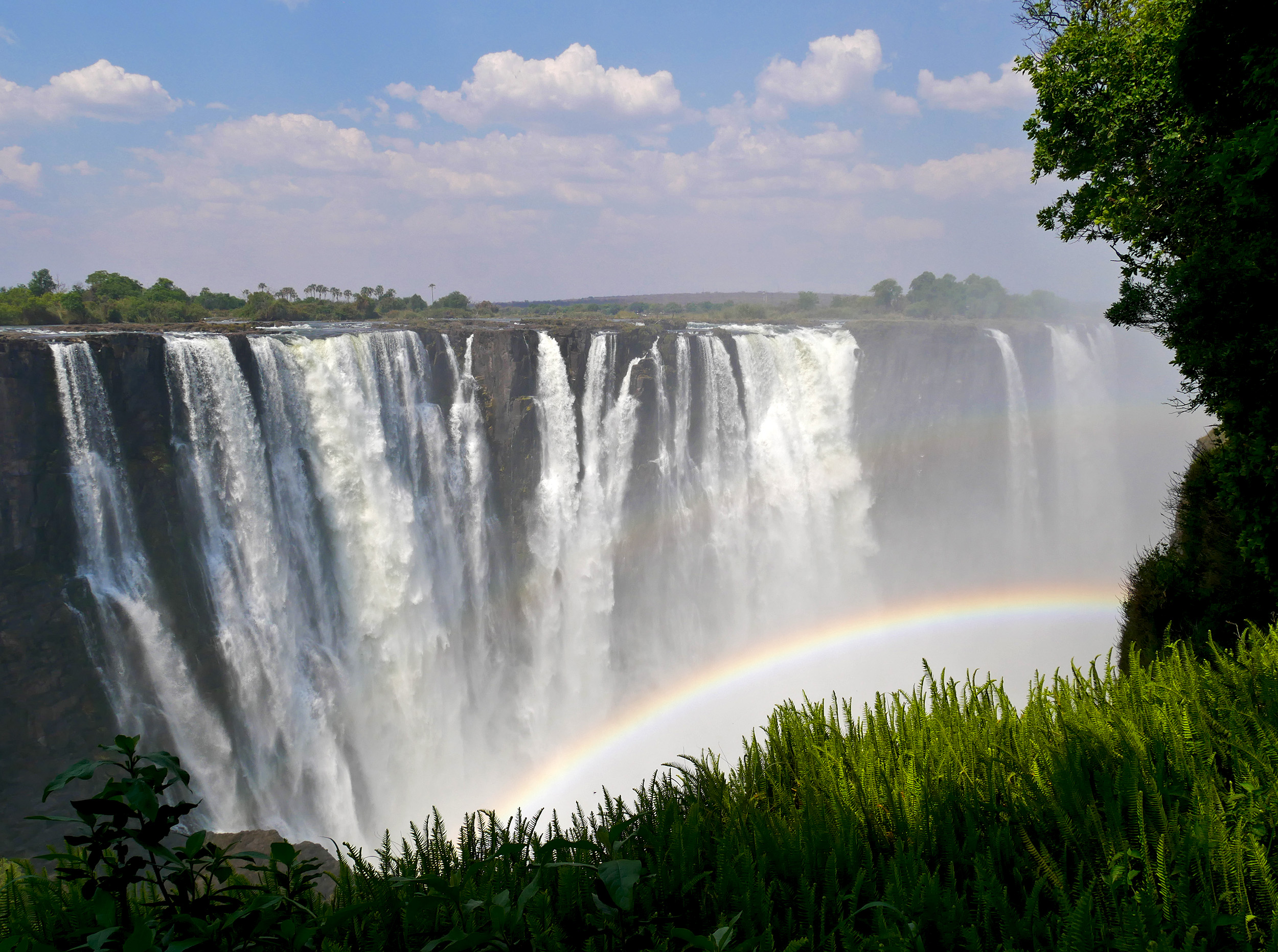
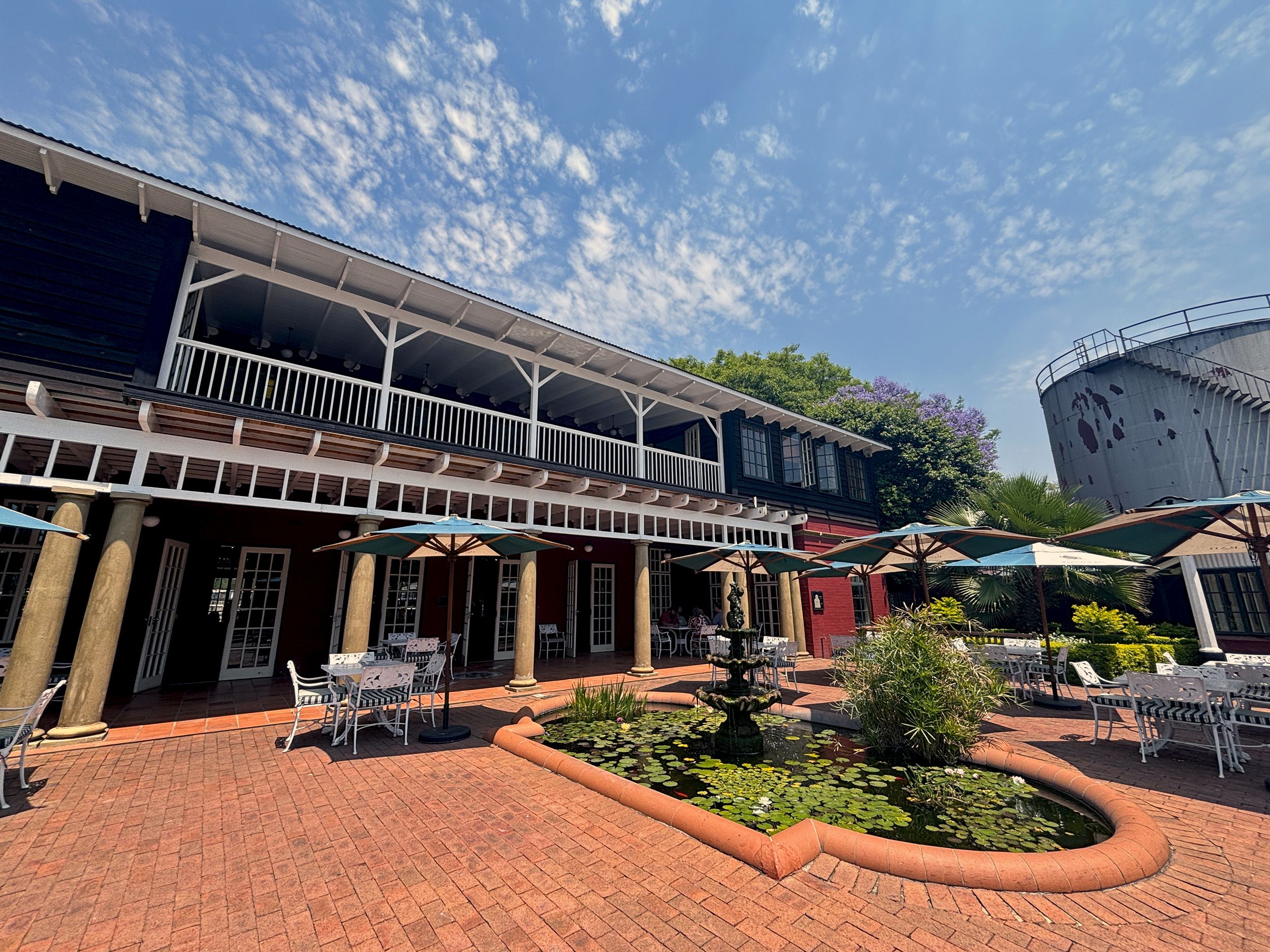
Cecil Rhodes‘ plan of building the Cape to Cairo Railway was thwarted in the early 20th-century by a combination of geography, rival imperialist ambition, and pure economics. The British only got as far as Northern Rhodesia (present day Zambia) but along the way they built transportation icons that are still revered to this day. The magnificent steel arch bridge over the Zambezi River for one, and not far from it, a splendid hotel to accommodate passengers on their then newly-built Rhodesia Railway. Considered one of the most luxurious on the continent, the historic Victoria Falls Hotel occupies prime acreage on the Zimbabwean side, offering unhindered views of the aforementioned bridge, and the precipitous gorges of the Zambezi below. The sprawling luxury property, where mongooses frolic on the greens, and a bell is rung each evening for high tea, was also the starting point of our next journey, and an introduction to the world of Rovos Rail.
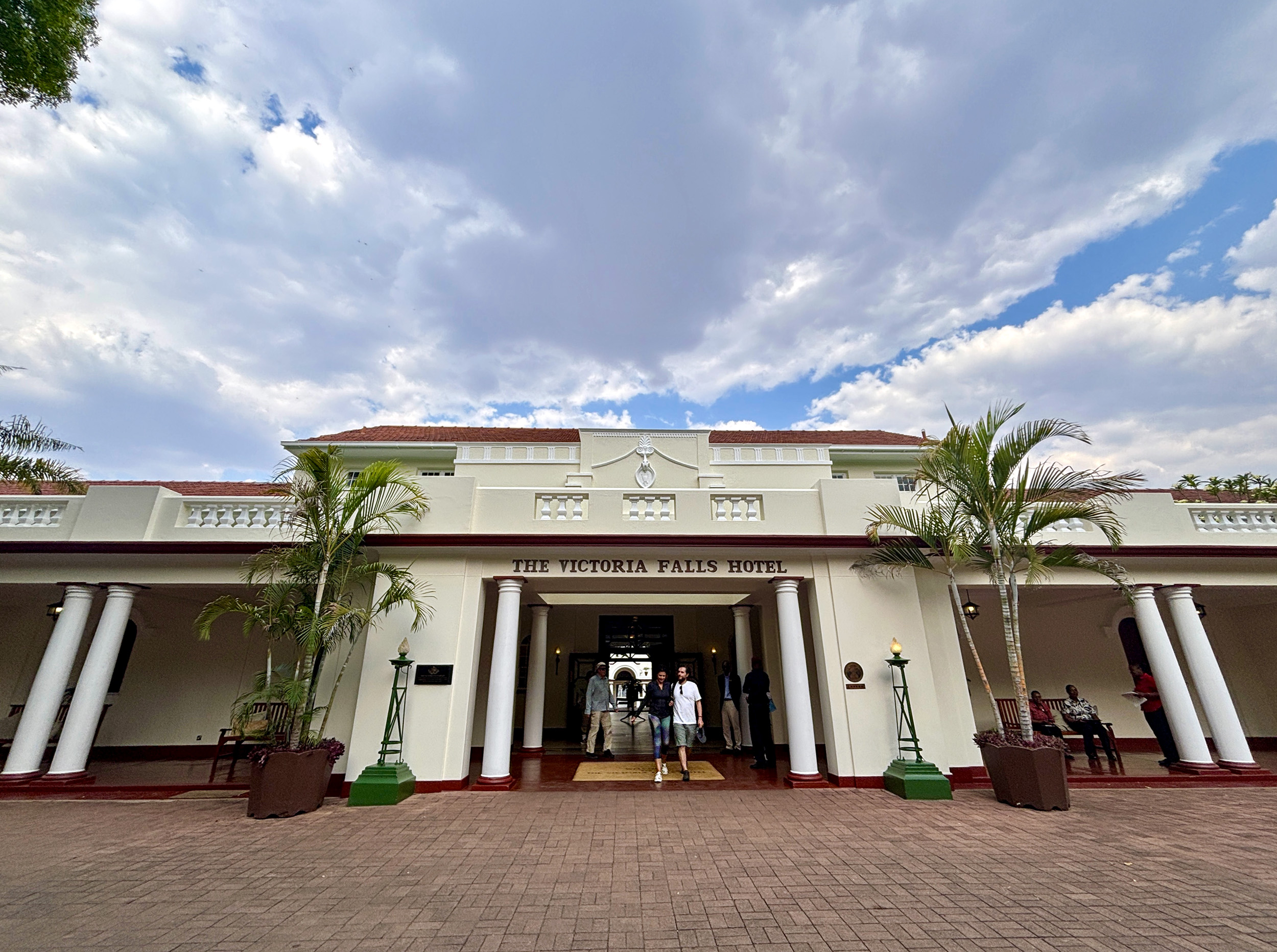
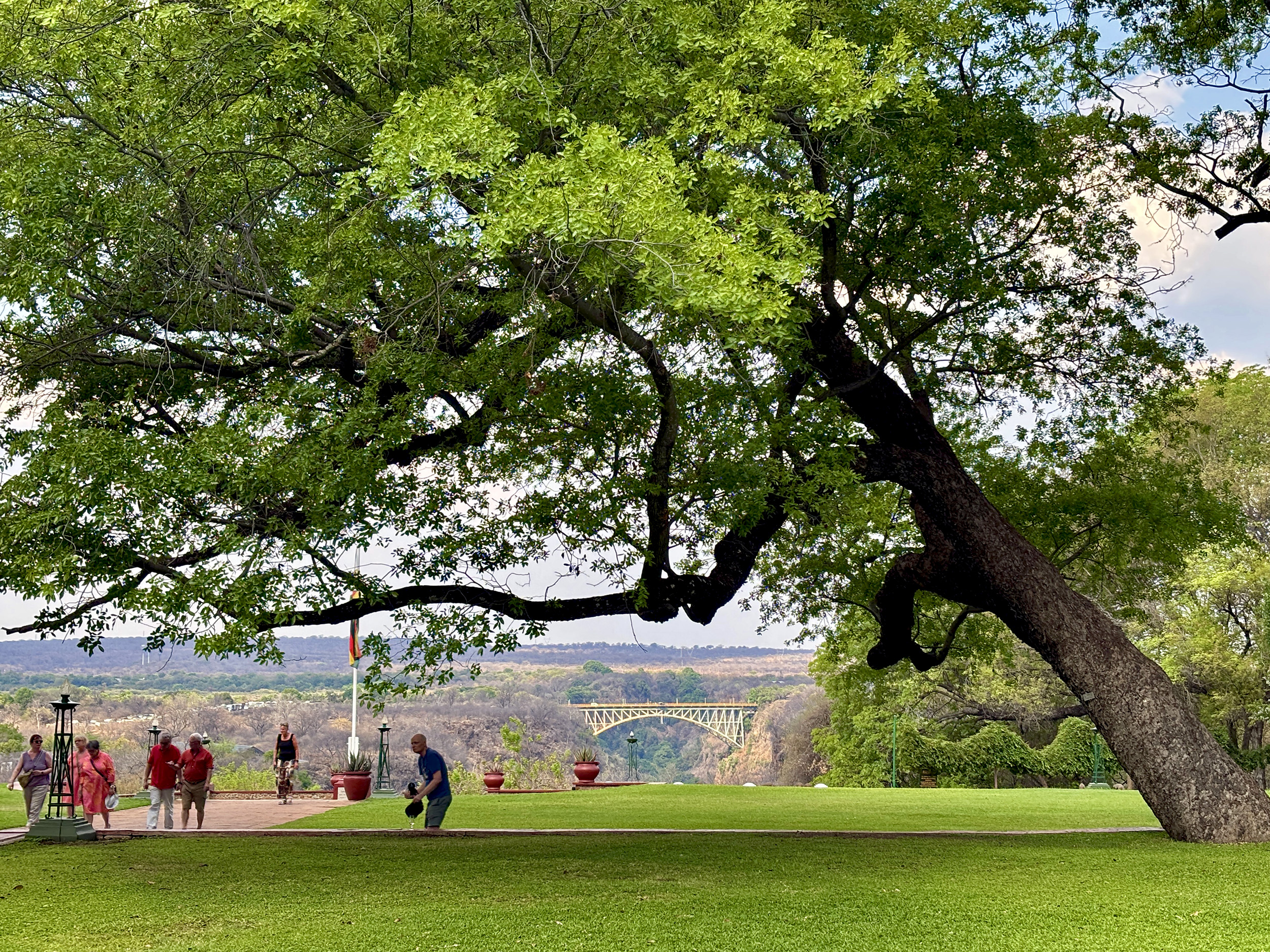
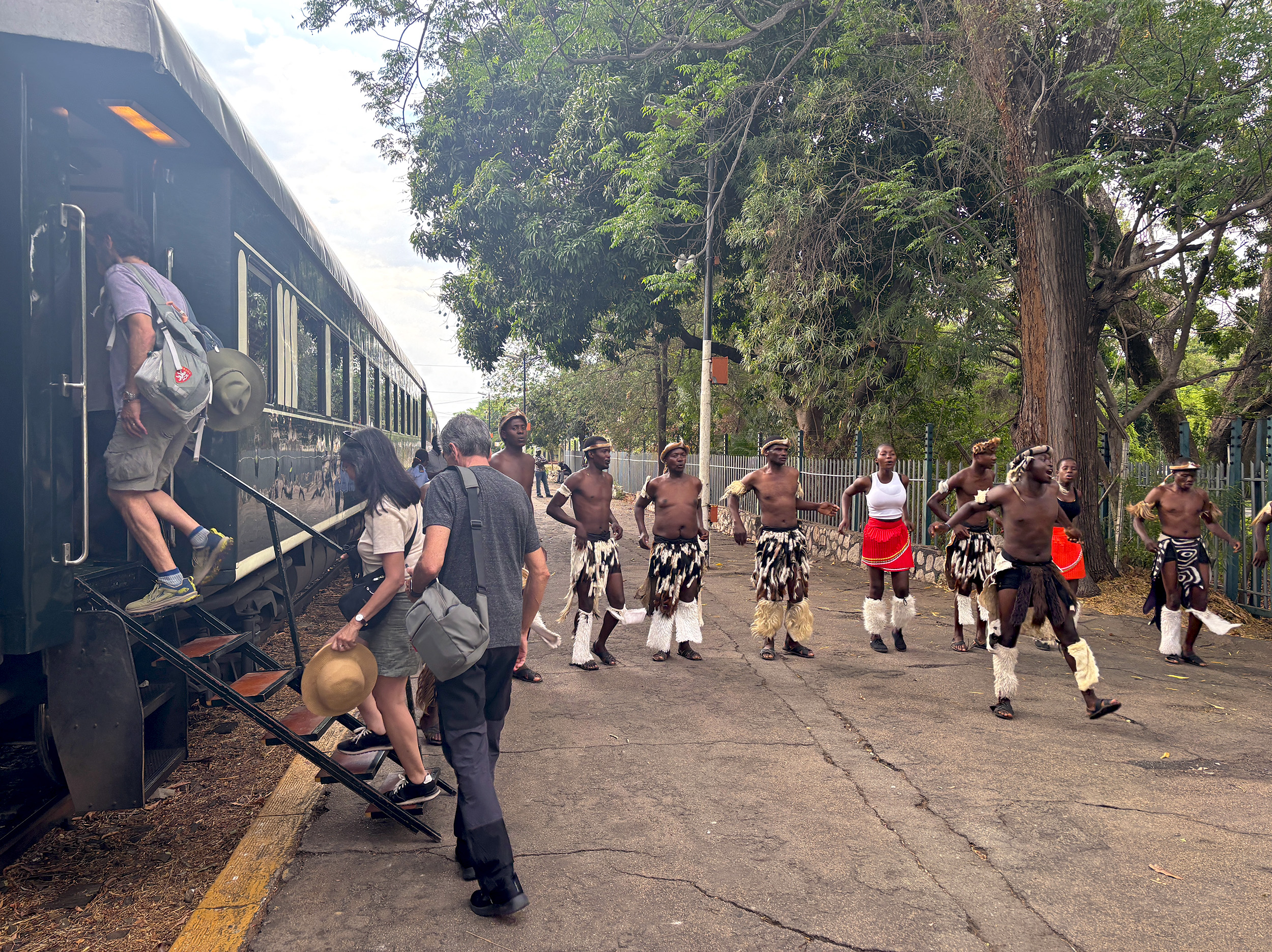
Daphne, our train manager on the 3-night itinerary down to Pretoria, introduced her team, and provided us with a pre-departure briefing. From the Rovos Rail lounge at the Victoria Falls Hotel, it was a short walk down to the platform, where we were treated to a traditional welcome. Our luggage had already been taken to our lodgings ahead of time, and just as well, for it was a long walk through narrow corridors to get to carriage 8065.
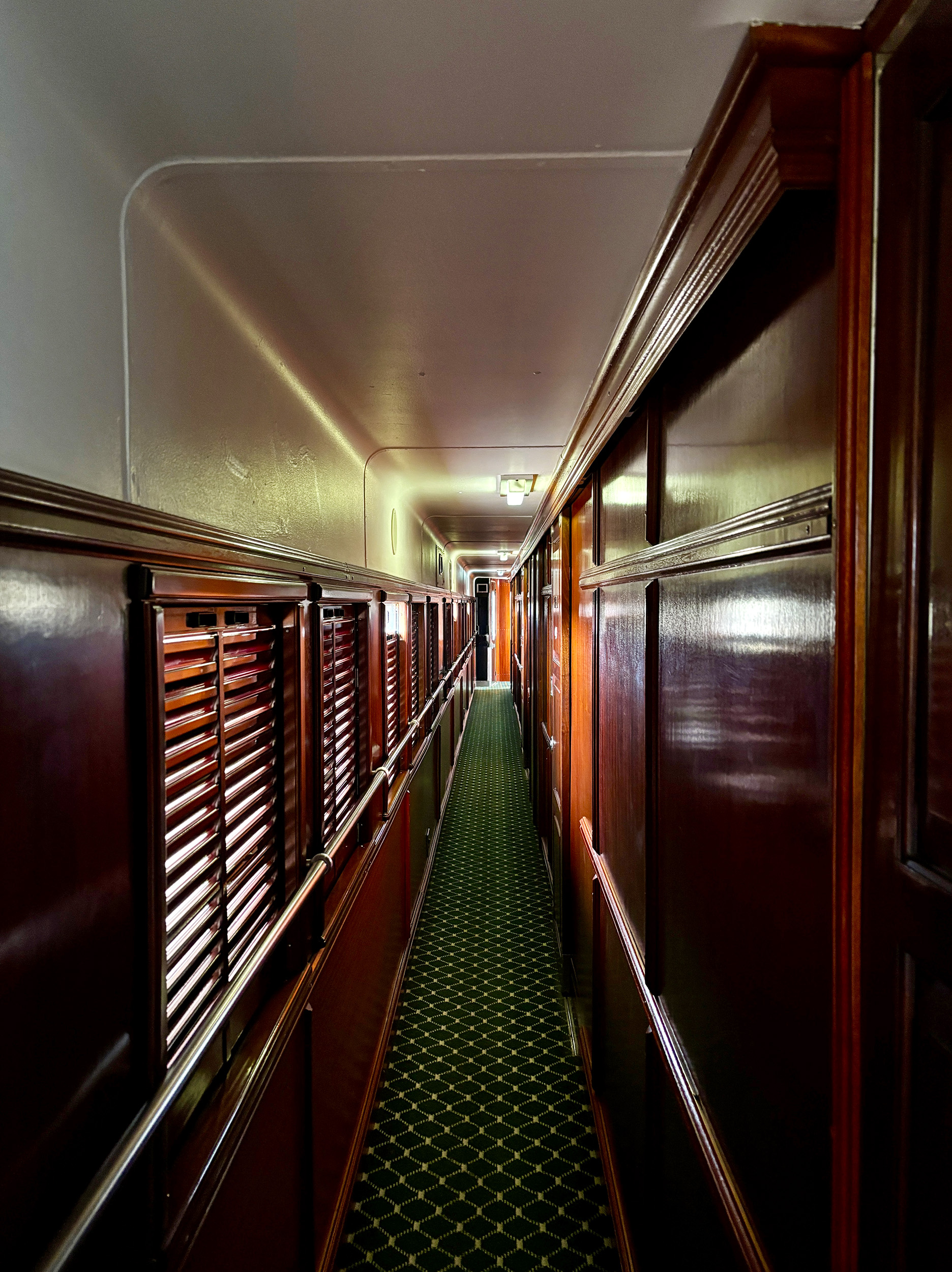
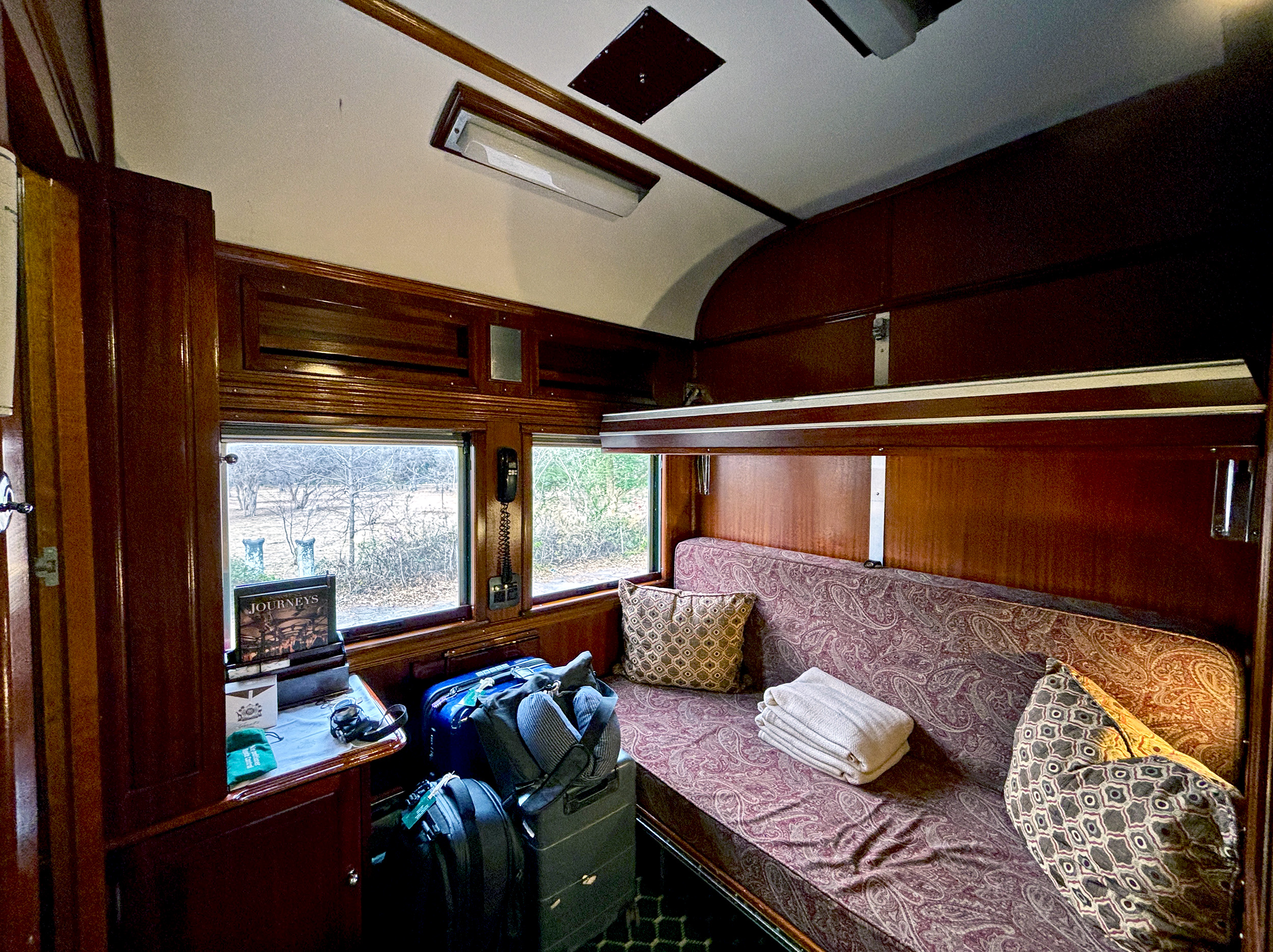
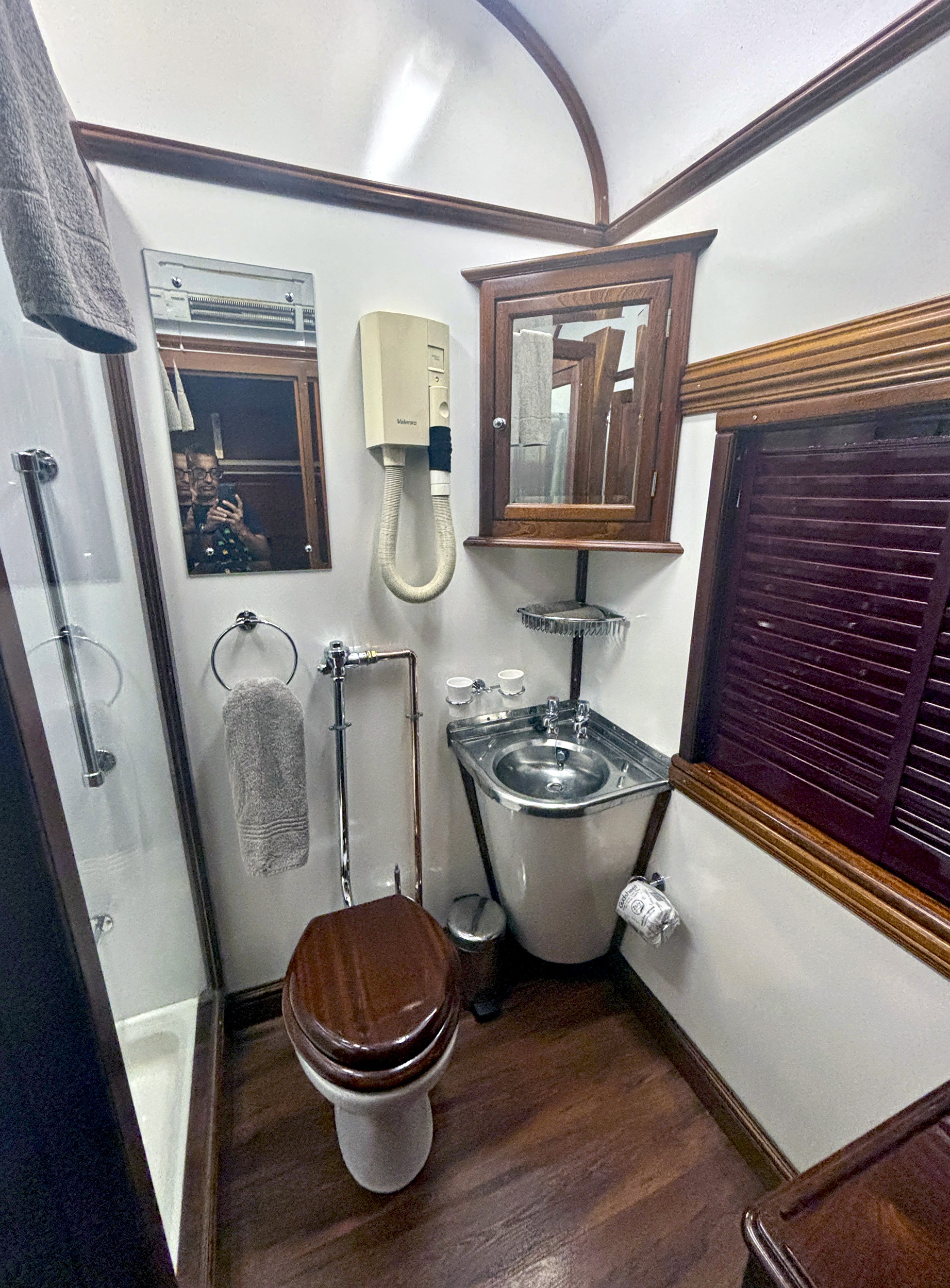
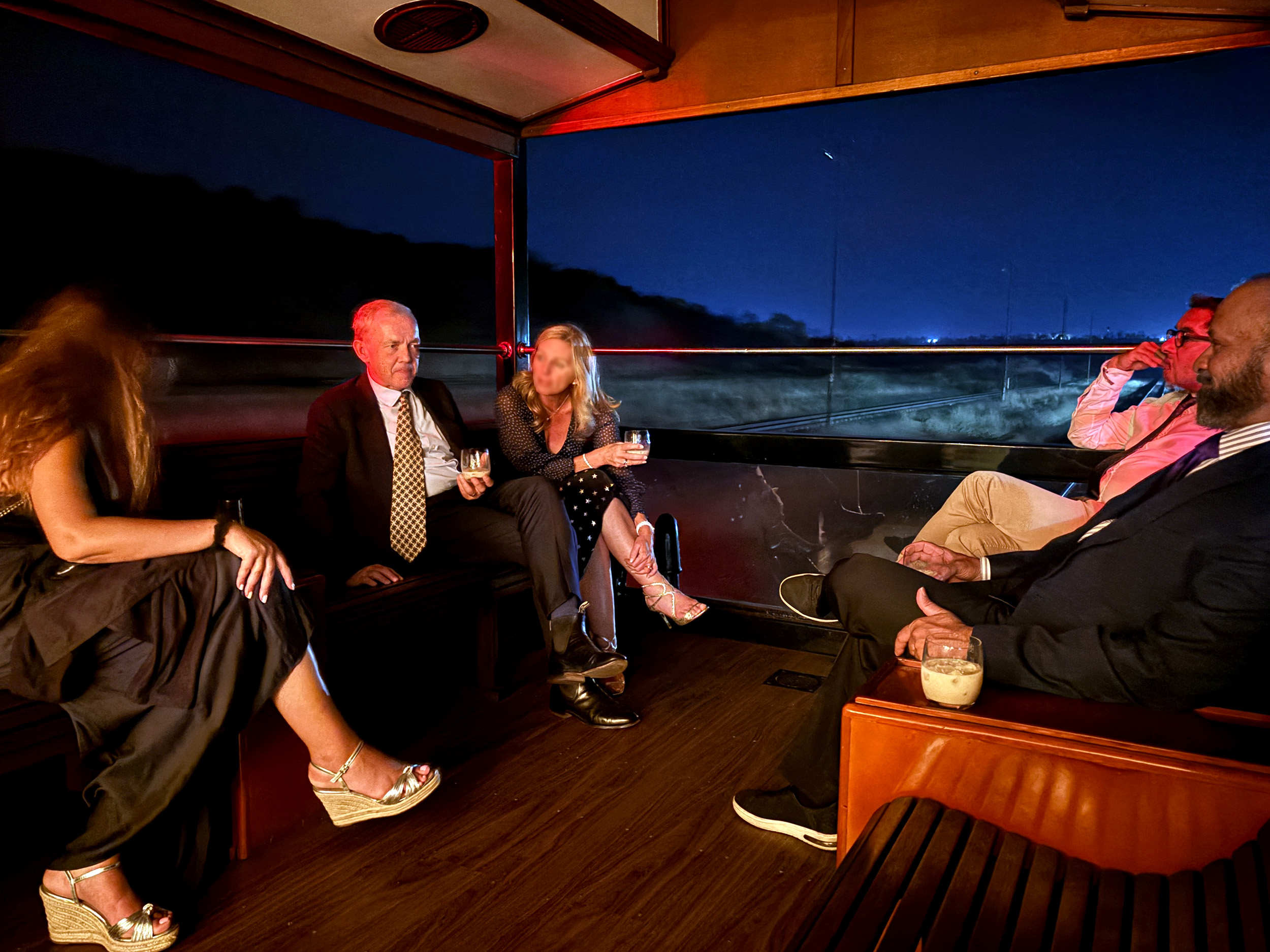
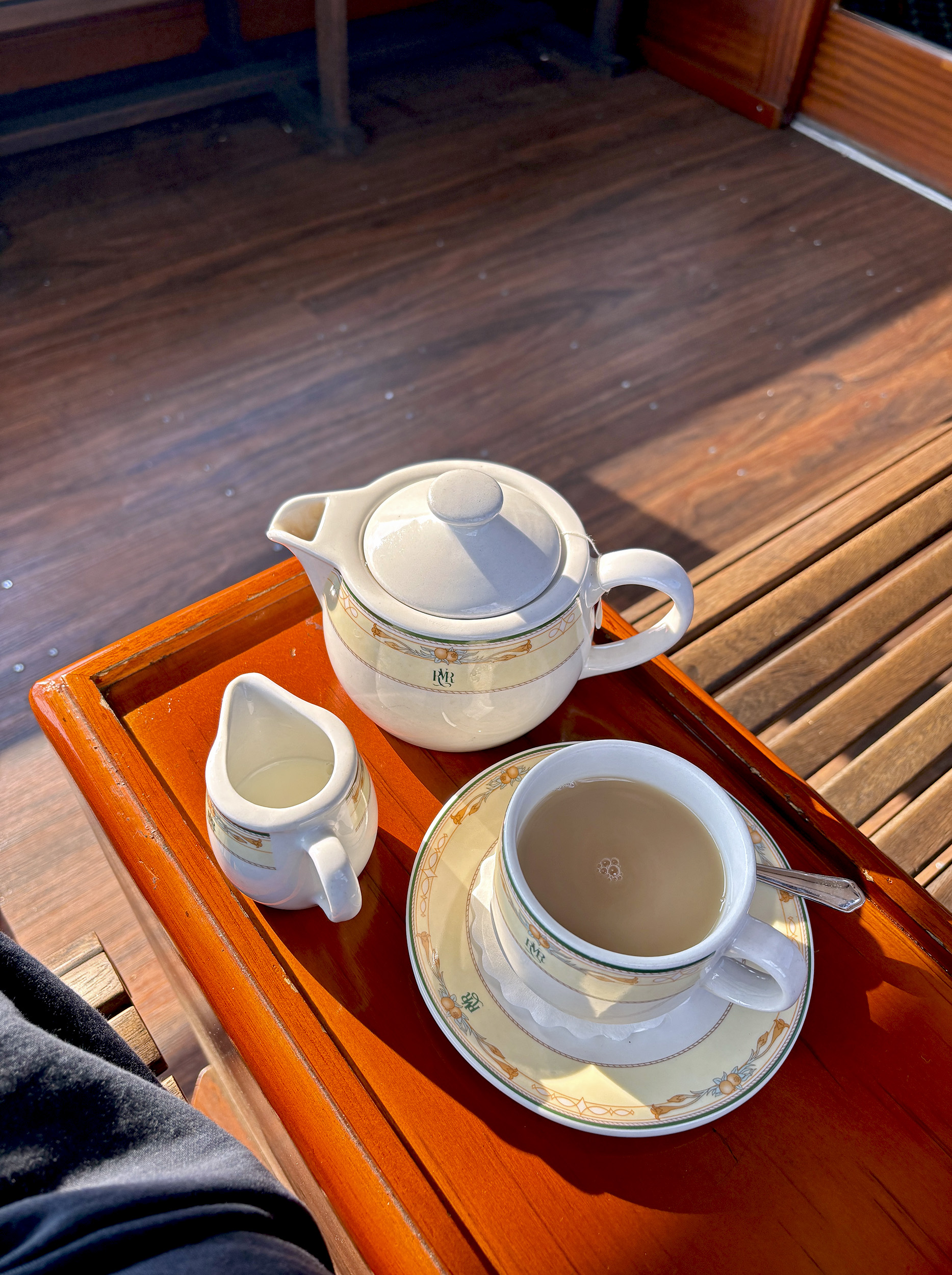
Rovos offers three kinds of accommodation, with the Pullman’s being the smallest (7 m²) and cheapest, if that adjective could even be applied for this genre of travel. Our carriage constituted five Pullman suites, each individually named, with two guests to a suite. Within those somewhat constrained dimensions were all the trappings of a 5-star hotel. From luxe bath robes in the ensuite to a toilet kit full of premium amenities. From a minibar stocked with bubbly to a tea kit complete with bone china. NS and VB were in Rorke’s Drift, two doors down from us in Kariba, and our carriage, while a lengthy walk from the dining cars, was perfectly positioned towards the end of the train. A beautifully trimmed cigar lounge took up much of the adjacent carriage, and past it lay the lounge and observation car. It was one of two on the train, but this one brought up the rear, and offered some of the best seats in the house – an open-air balcony.

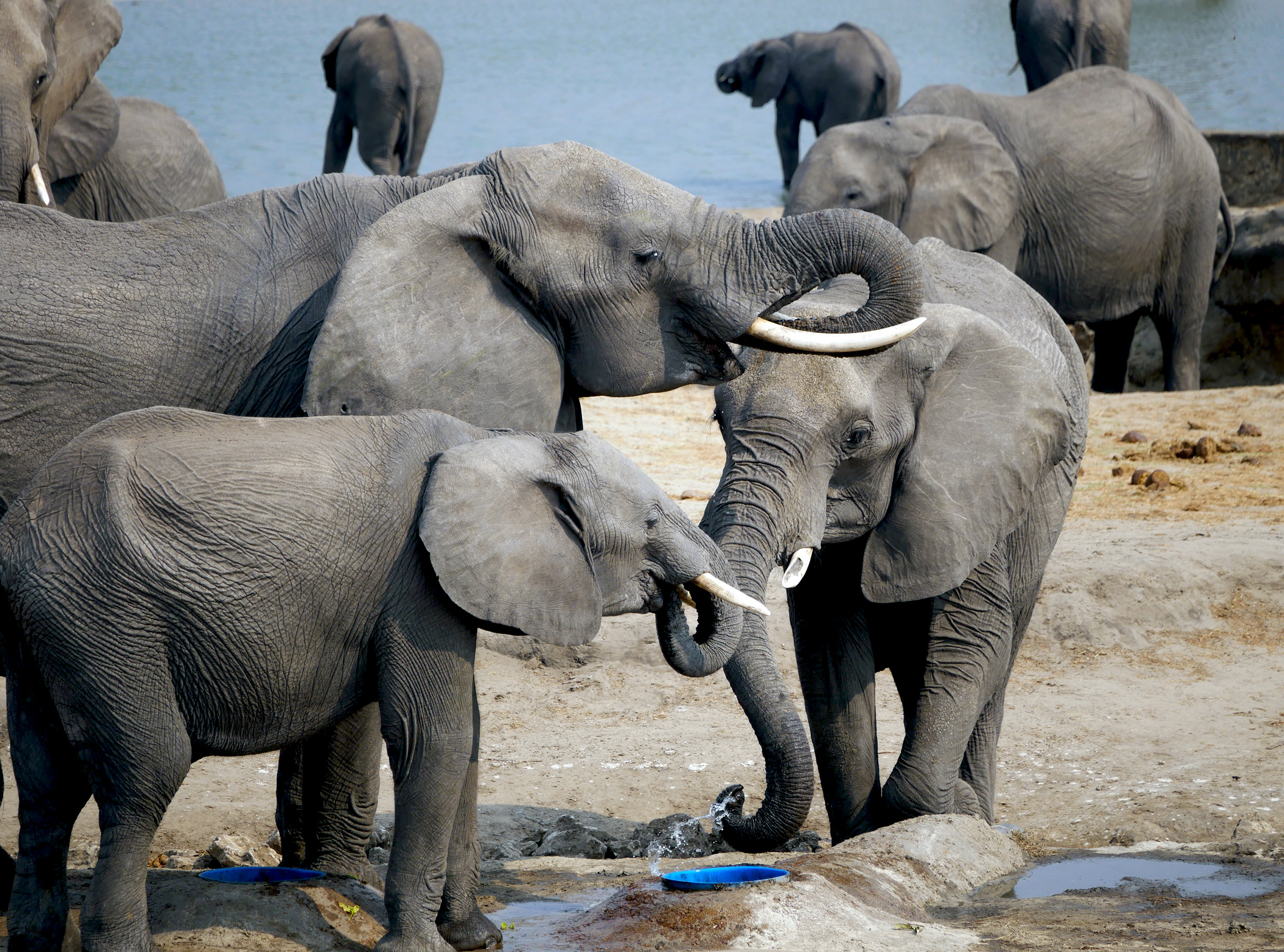
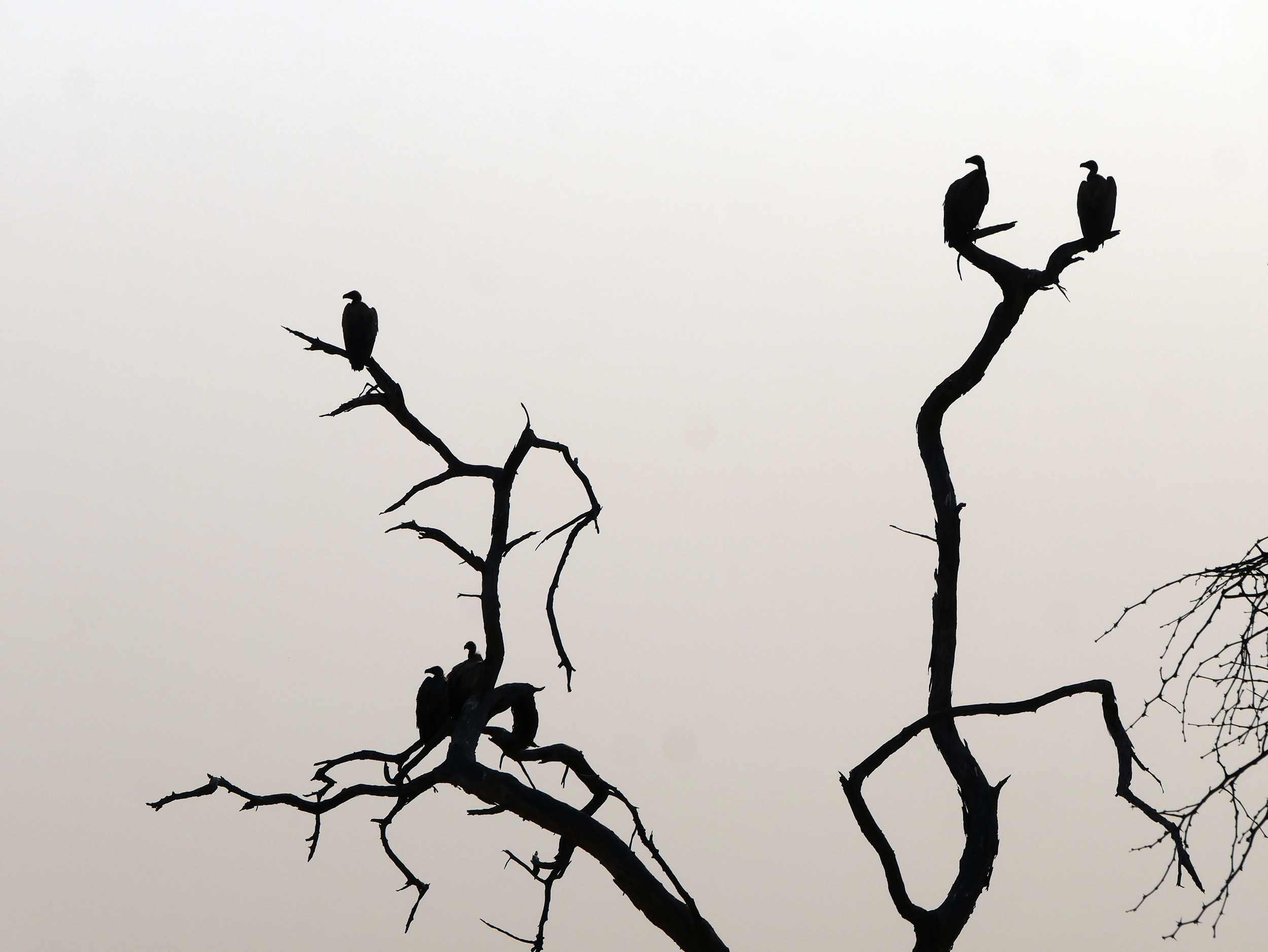
An 0500 wake up call meant an excruciatingly early start to our first full day on Rovos Rail. As blurry-eyed guests chowed down a continental breakfast, more than a half dozen safari vehicles lined up outside, ready for a 6 AM game drive into Zimbabwe’s Hwange National Park. It was a glorious morning out in the bush once more, and even though we managed no predator sightings, the time we spent around one of the park’s watering holes was truly phenomenal. Other groups had more luck, apparently, and over a high tea set up in the bush following our outing, a few could be overheard gushing about their encounter with cheetahs. RR was none too pleased. Returning to the glistening green and cream livery of our lengthy train, Daphne and the Rovos Rail staff were there to greet us, refreshing cold towels at hand. As the train rolled south once more, ahead lay 114 km (71-miles) of dead straight track – one of the longest such stretches in the world.
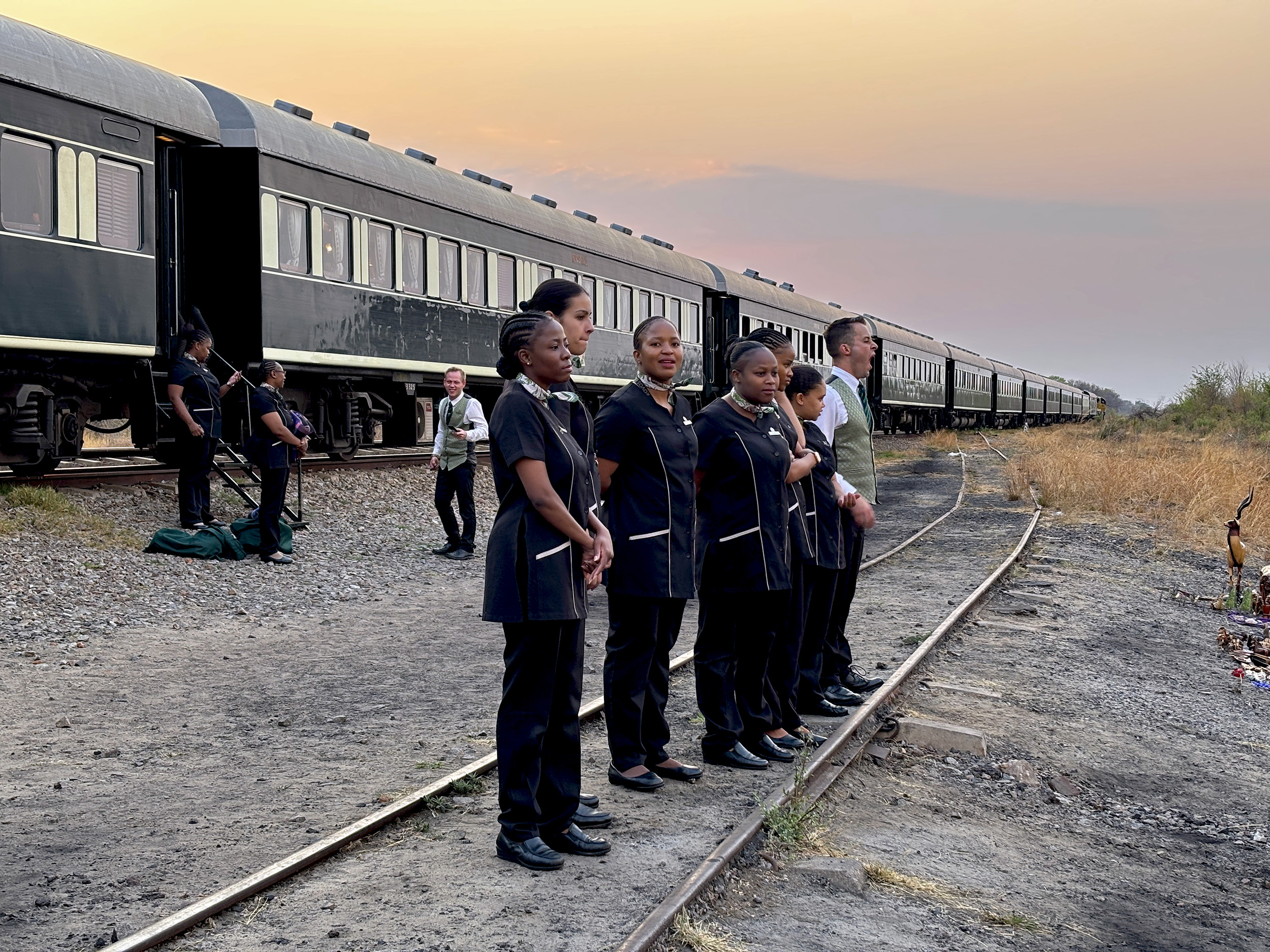
As if the continental breakfast and high tea weren’t enough, we were gently reminded that a proper lunch would be served as well. At every single meal onboard, we were pampered silly. Breakfasts were a choice between the egg preparation of the day or eggs prepared to one’s preference. Lunches and dinners were multi-course events; exceptional in taste, and always beautifully plated. A wine pairing accompanied each of those meals, and Cuan, our sommelier par excellence, ensured we were always sufficiently hydrated. Dinner was a dress-up affair, and Kosmotho, our carriage attendant, would come through with a gong 10-minutes prior to the only sitting each evening, announcing the same. The bar in the lounge car remained open till late, so a nightcap, or two, were always in order. As were star-gazing and conversations, all conducted in the naturally cooled environs of the observation car. We would stumble back to our suites to discover a stylish turn-down service, different on each night.
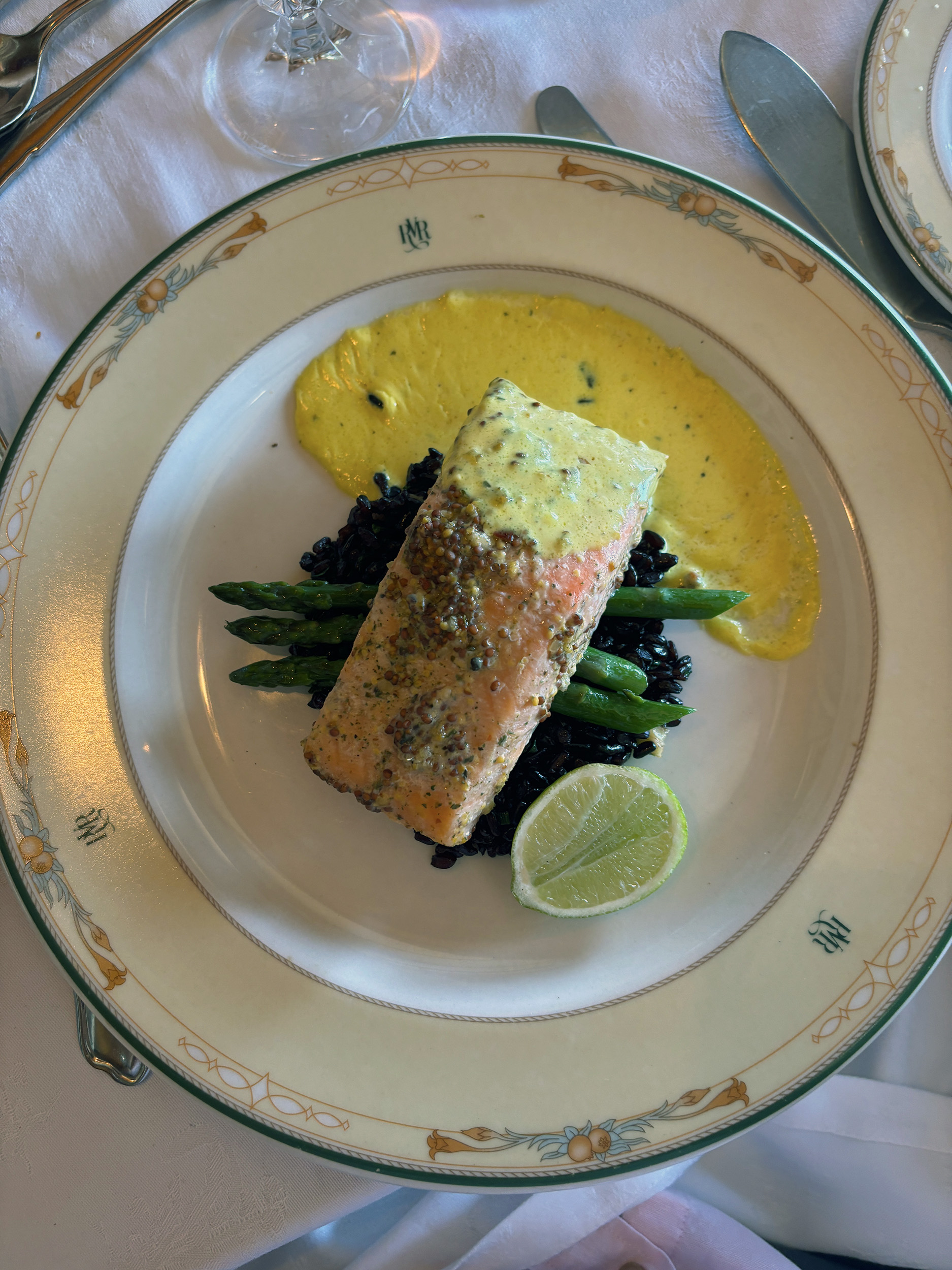
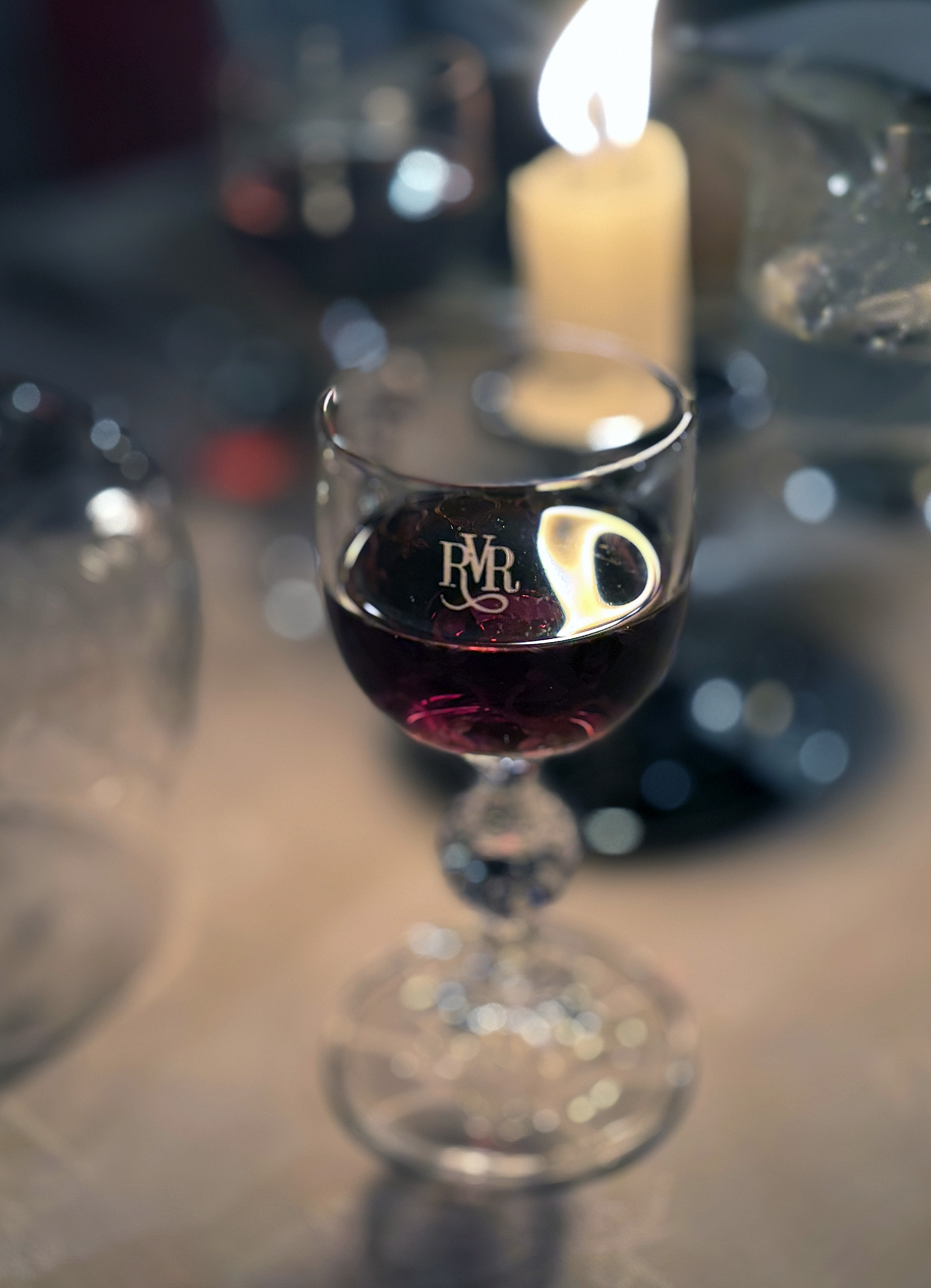
At dinner on our second night, we were parked at a freight yard on the outskirts of Bulawayo – the train was typically brought to a standstill in time for each meal – when news came through that we would be detouring through Botswana. There had been a freight train derailment further up the line, so the diversion was the only means by which to enter South Africa. All hell broke loose. For me, specifically, given my weak passport credentials, one that required a visa to pass through that country. It took much calming by NS, VB and RR for me to settle down, along with a few reassuring words by Daphne – “we will take care, don’t worry” – as only she could deliver them. The night passed. There were no jarring knocks on our door. And I awoke to the spectacle of sunrise in a new country.
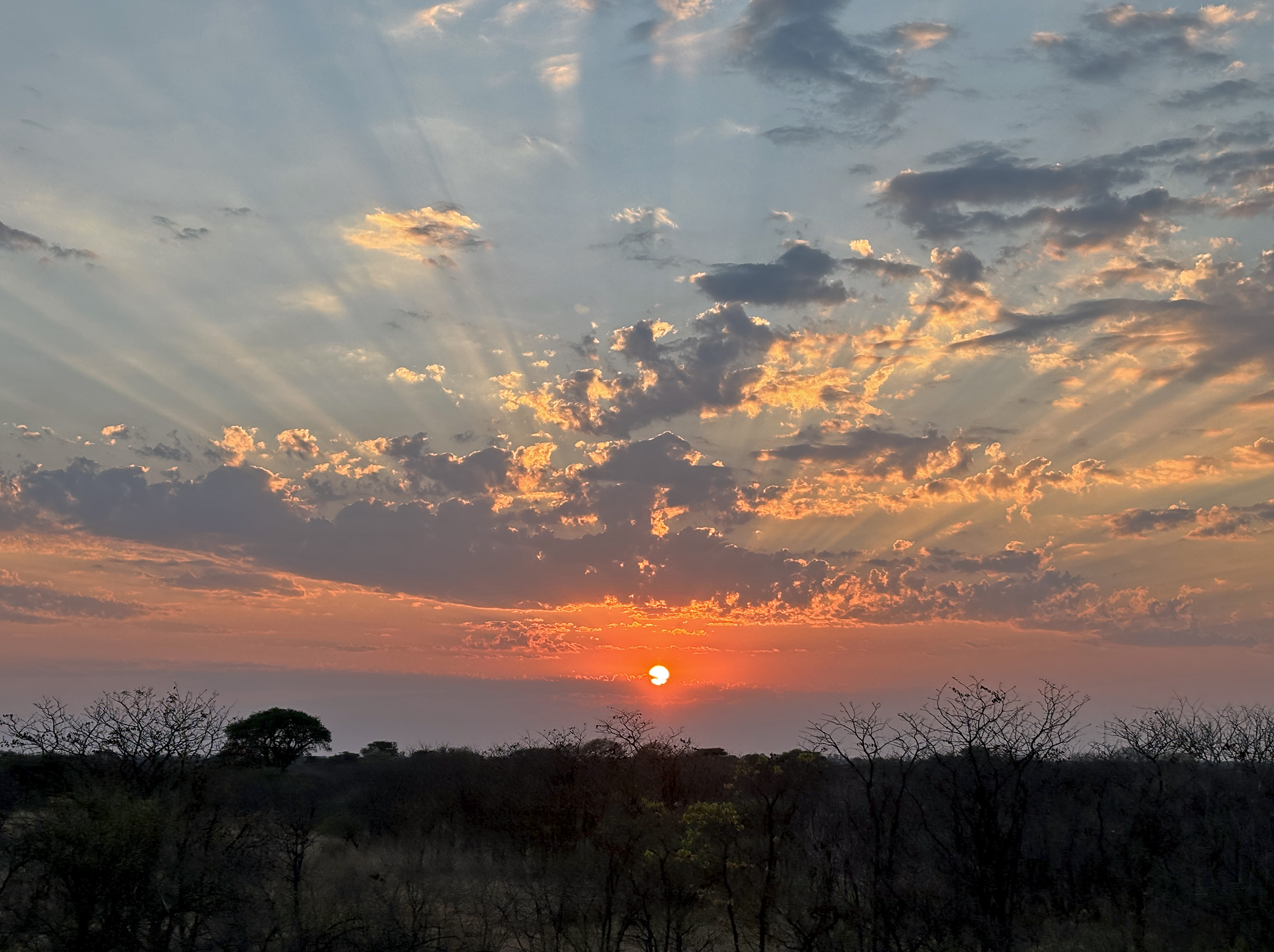
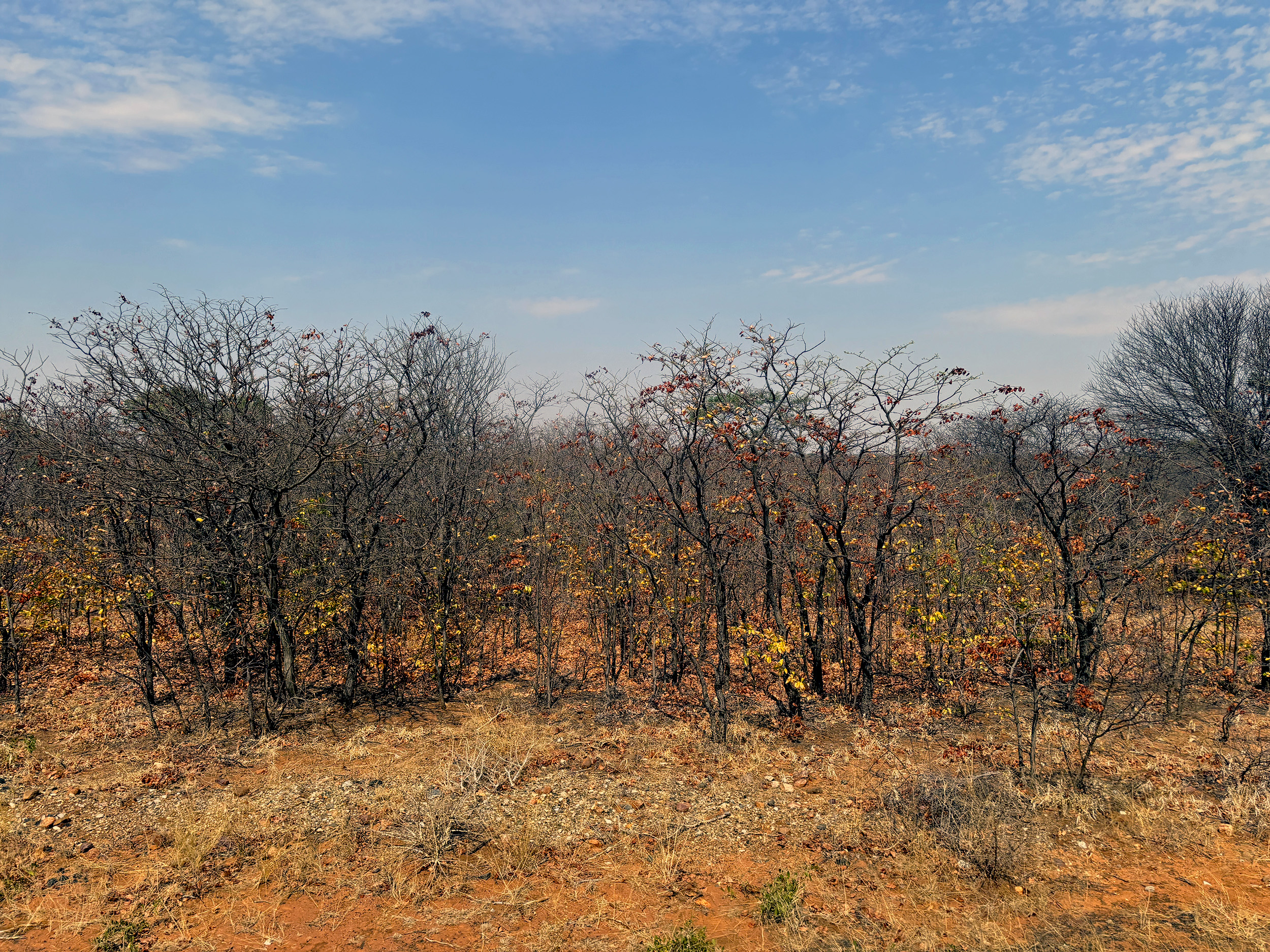
A large chunk of Botswana lies within the Kalahari semi-desert, with most of its population living along the north-south railway line that we were on. Palapye was the first of a handful of population centers we went through during the day. Less than an hour away lay Mahalapye. The Tropic of Capricorn was crossed not long after, and a few hours later we had a leisurely service halt at the modern-looking city of Gaborone, the country’s capital. Each of these towns generated much excitement amongst the guests, as cellular service and data coverage appeared once more. There is no Wi-Fi provided on the train (intentionally so by Rovos), and a cellular network is non-existent on the regular itinerary, till one crosses into South Africa on the last night of the journey. For some, the detour through Botswana was worth it just for that. For me, the detour was worth it for everything else but that! South of Lobatse, as the network vanished and the sun began to recede, we went through the most scenic section of our journey – the Southeastern District of Botswana, characterized by rolling hills, and peaks as high as 4900-feet. By the time the gong was rung for dinner, we were already stabled at Mahikeng, the border town on the South African side.

The diversion through Botswana also meant we wouldn’t be arriving at Pretoria. Instead, we alighted at Krugersdorp, a mining city in Gauteng Province, some 40-miles southwest of our original destination. Krugersdorp was a lot closer to Johannesburg though, and that’s where most people were headed to eventually, so I separated from the rest of my clan and boarded a courtesy shuttle headed to Capital Park.
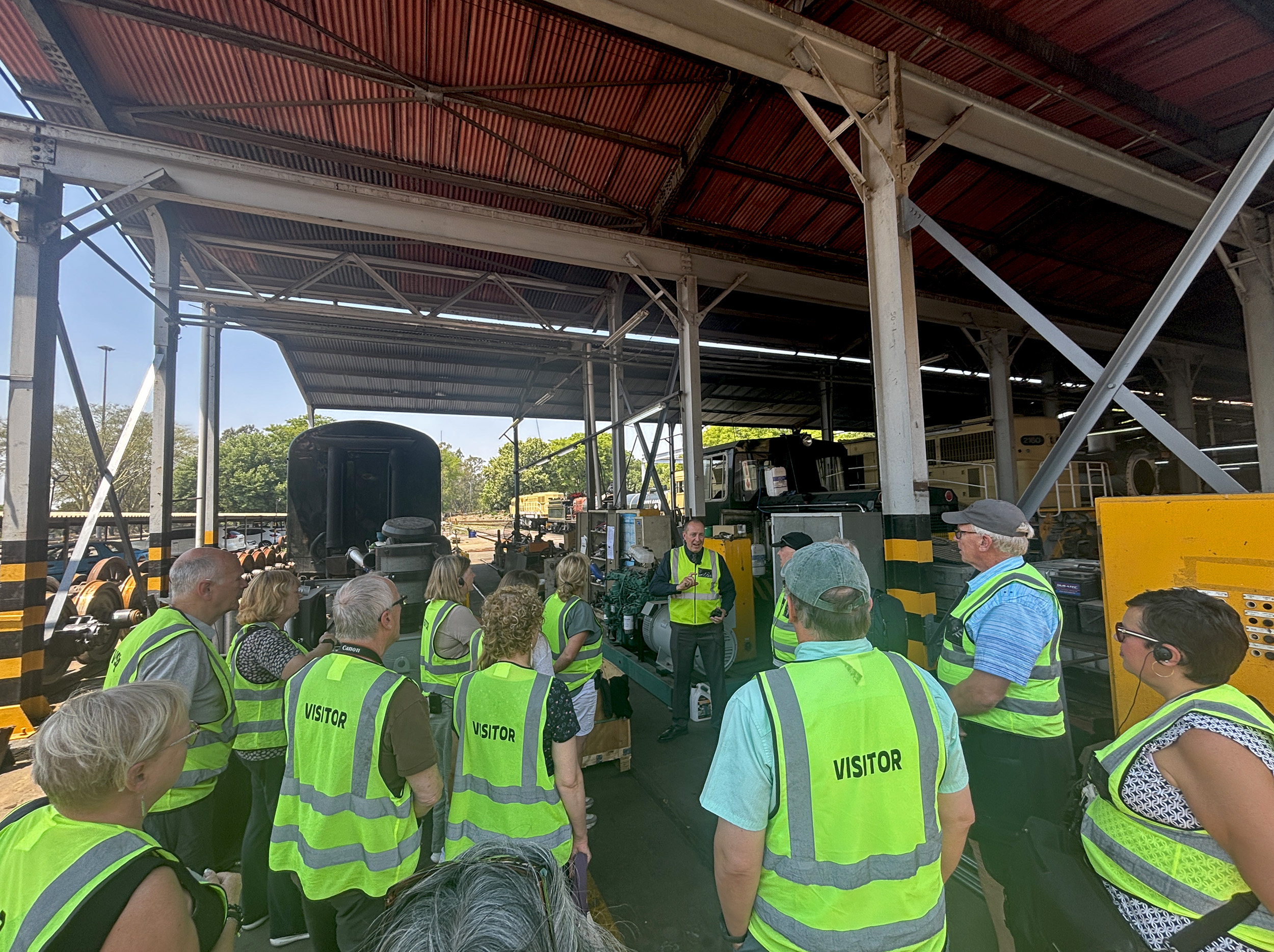
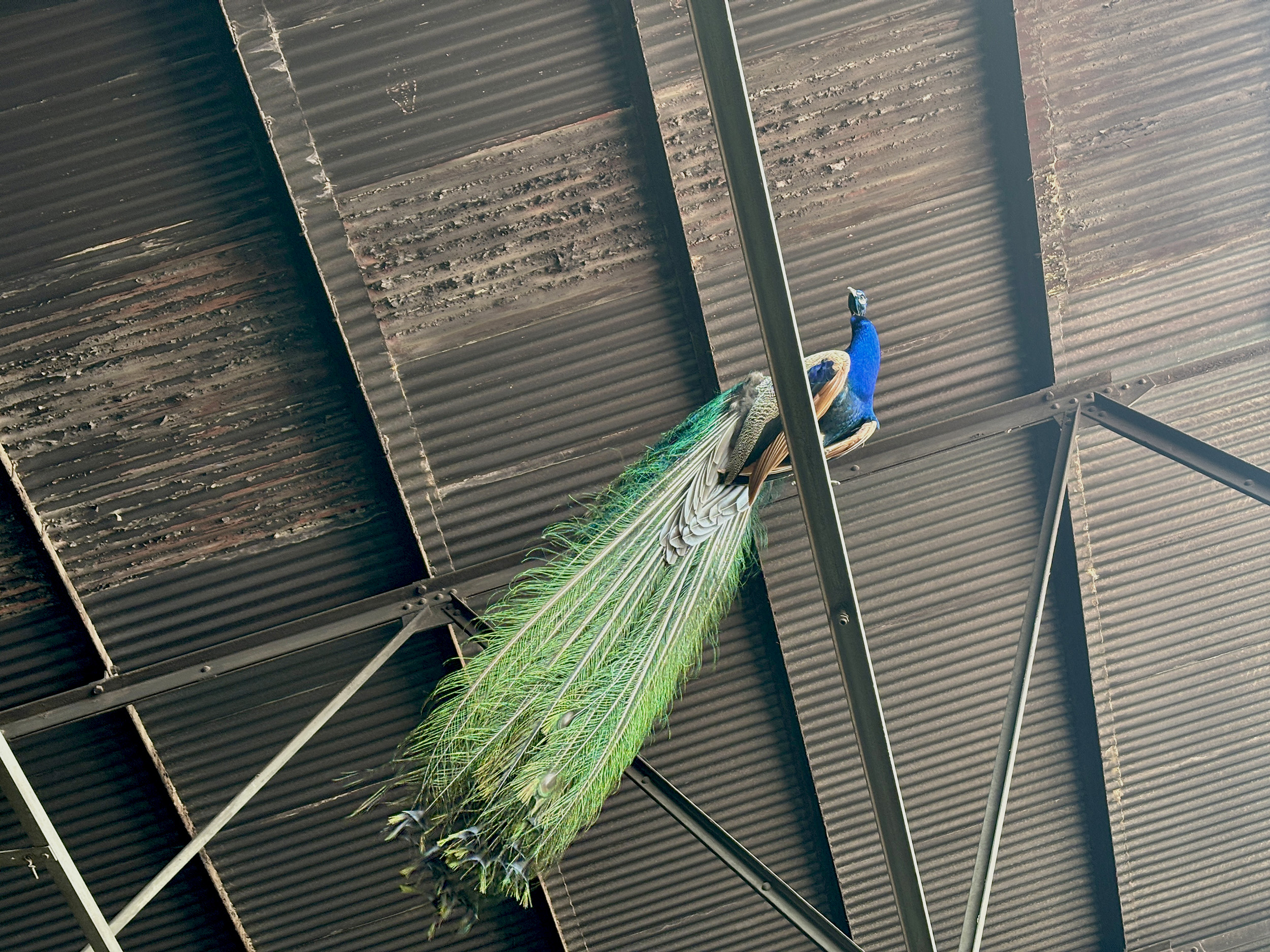
On the bus with me were about twenty others – a third of our train’s manifest – all of whom had signed up for a tour of Rovos Rail’s private station and central maintenance facility at Capital Park in Pretoria. The elegant old station building there originally housed an apprentice school for the South African Railways, and the Rovos Rail workshops adjacent to it were formerly home to a steam locomotive depot. An in-depth, enriching tour it was, and I wouldn’t have missed it for the world. A fitting end to an incredible adventure through Africa, made even more memorable by a magnificent peacock – perched high above the carriage repair bays – crowing as loud as its vocal cords would allow, as if to bid me farewell.
A full set of photos from my visit to Africa and all the train journeys can be viewed on my Flickr.
 brat's ramblings