
Thanksgiving Day ’24 and we’re off to a gloomy, wet start; the rain gradually turning to snow as we approach Albany-Rensselaer. Our leisurely halt there includes the customary locomotive swap, and by the time we pull away, there’s a full-blown snowstorm in the making – the season’s first, apparently. The mighty Hudson is crossed, and we get up to line speed eventually, but ~30-minutes later, in the middle of nowhere, we grind to a halt. The snow, meanwhile, showing no signs of abating. Back in the summer of ’09, I had attempted to take this very train from New York to Montreal, but my plans were thwarted by “track work north of Albany”, with Amtrak offering a sorry substitute for the onward journey, a bus. After all these years, surely I wasn’t out of luck again? The PA system finally comes alive and our conductor explains the hold up – there’s a lengthy freight train ahead of us, switching over to a siding to let us through. Twenty excruciating minutes after halting, we’re rolling north again. I breathe a sigh of relief.
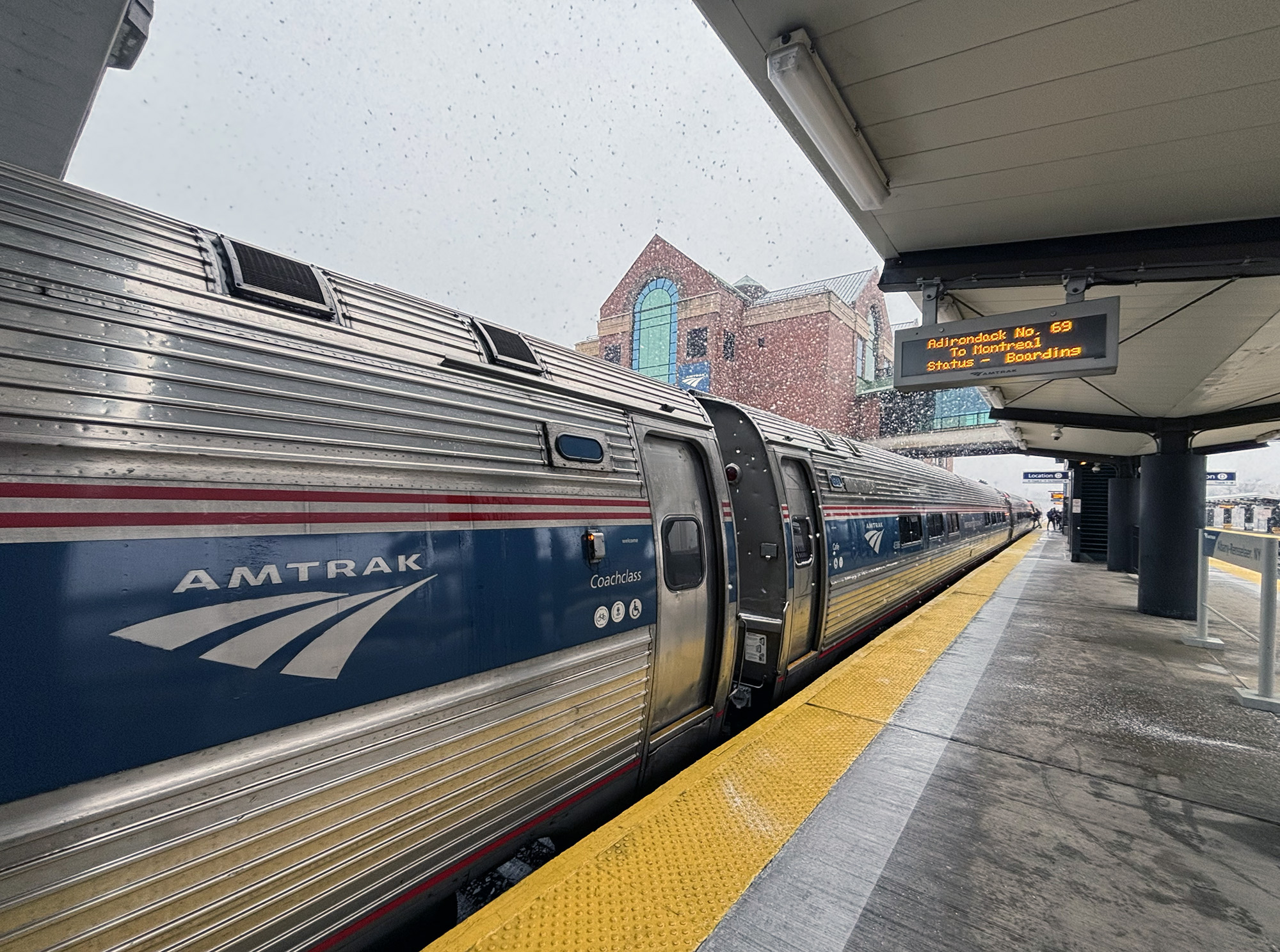
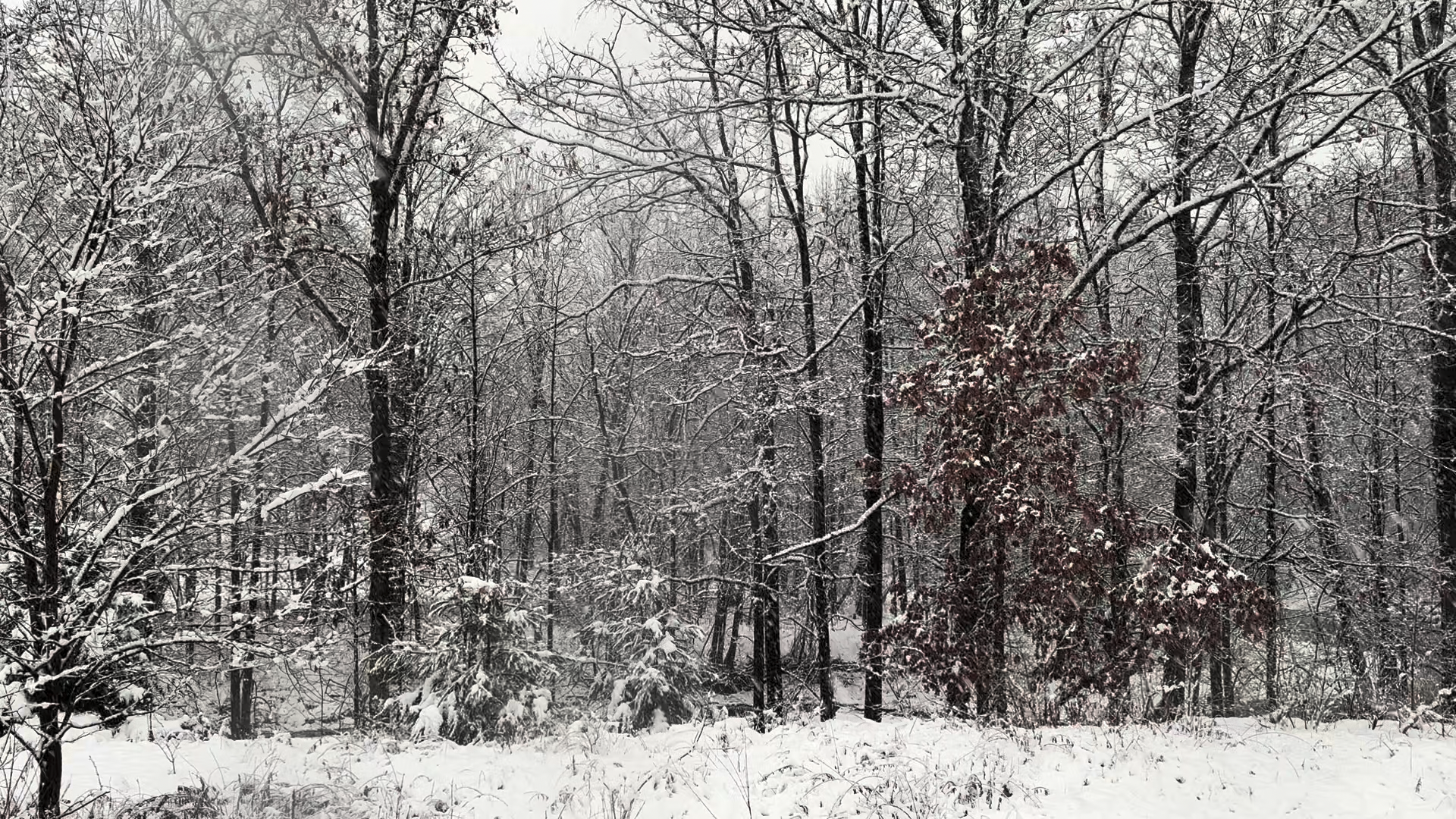
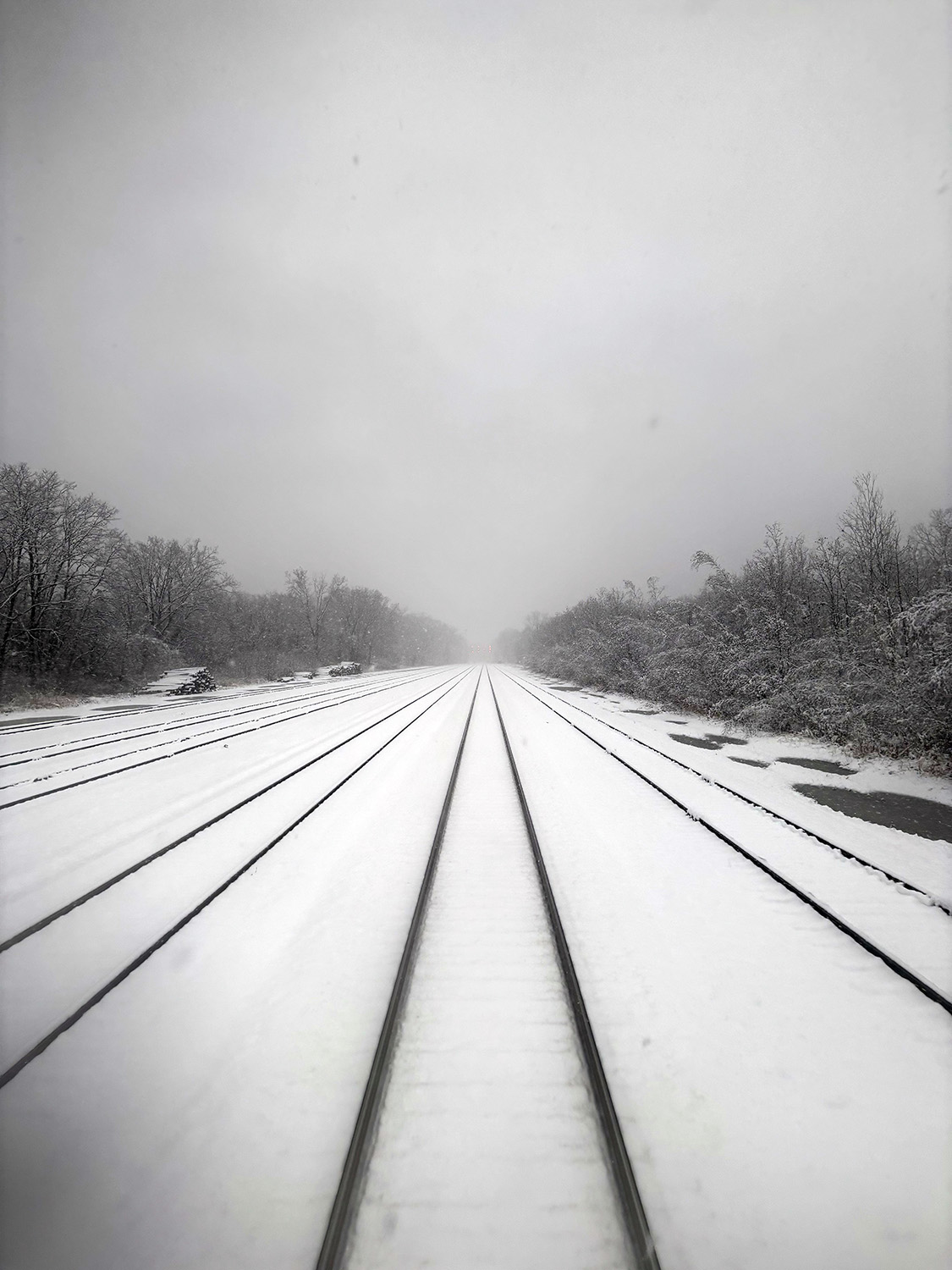
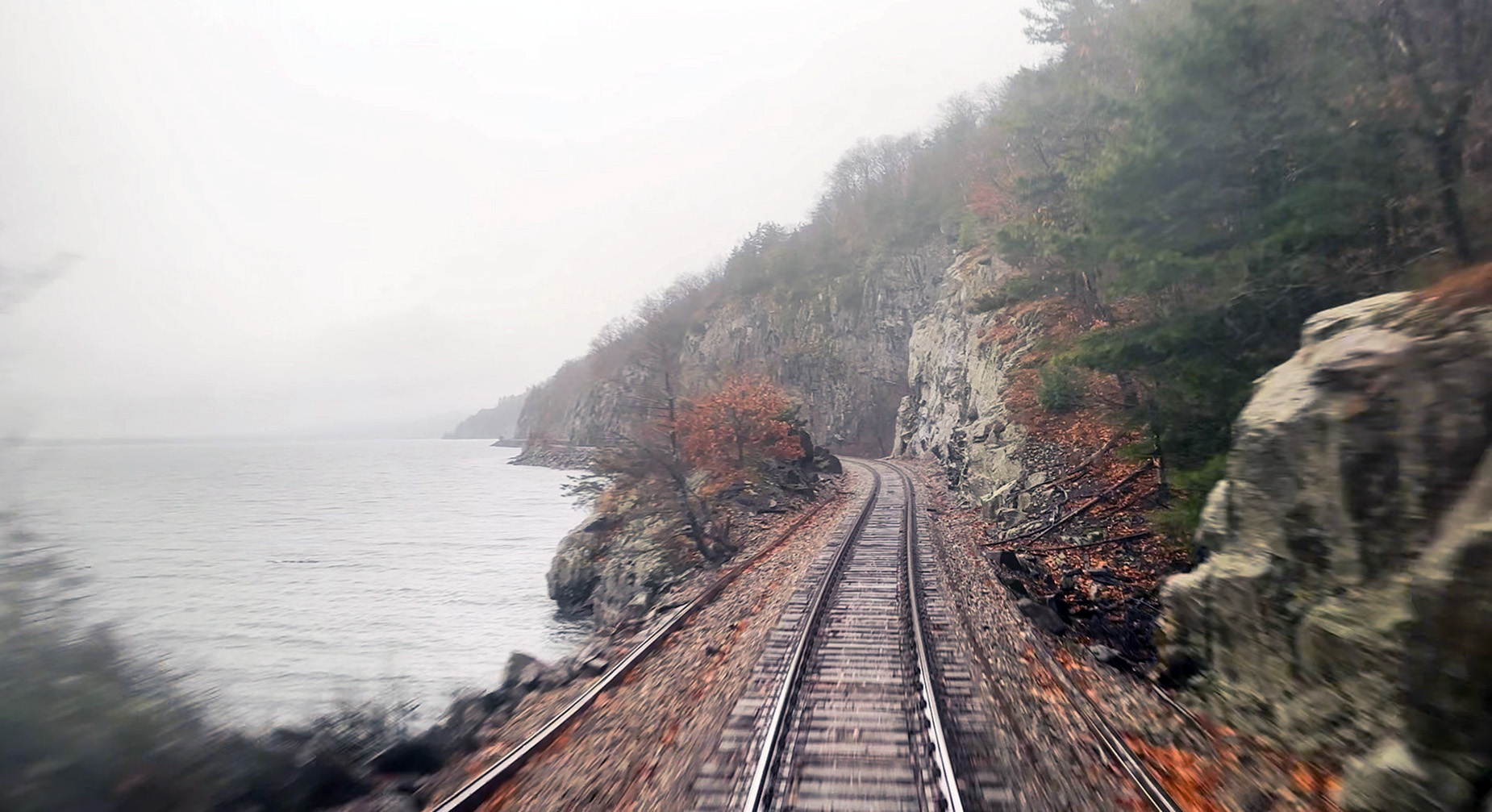
The journey up to Montreal turns out to be even better than I’d anticipated, with Amtrak’s Train 69 certainly living up to its name. With the Adirondacks – after whom the train is named – on our west, Lake Champlain to our east, and the State of Vermont across from it, the ~90-minute run between Port Henry and Plattsburgh NY is an absolute treat; the snowy conditions only adding to the spectacle. I’ve craftily picked the right side to sit on (the best views are on the left up to Albany, on the right thereafter), and since the last carriage on our train is solely for cross-border passengers, I also have access to a “trailing window”. Lasting about an hour and not requiring us to disembark, the border crossing at Rousses Point is a breeze, and in stark contrast to the one I experienced at Niagara, en route to Toronto, a couple of years ago. As an icing on the cake, we pull into Gare Centrale de Montréal more than 30-minutes ahead of schedule!
Montreal is frigid this time of year, as one would expect, but a joy to return to for me, regardless. My fifth visit here, I seemingly can’t keep away. Staying at the edge of Montreal’s Chinatown this time, and having little reason to adhere to any Turkey Day norms – now that I’m across the border, and Canada’s already had theirs – it’s xiaolongbao and a Tsingtao for me. Sorry, Thanksgiving!
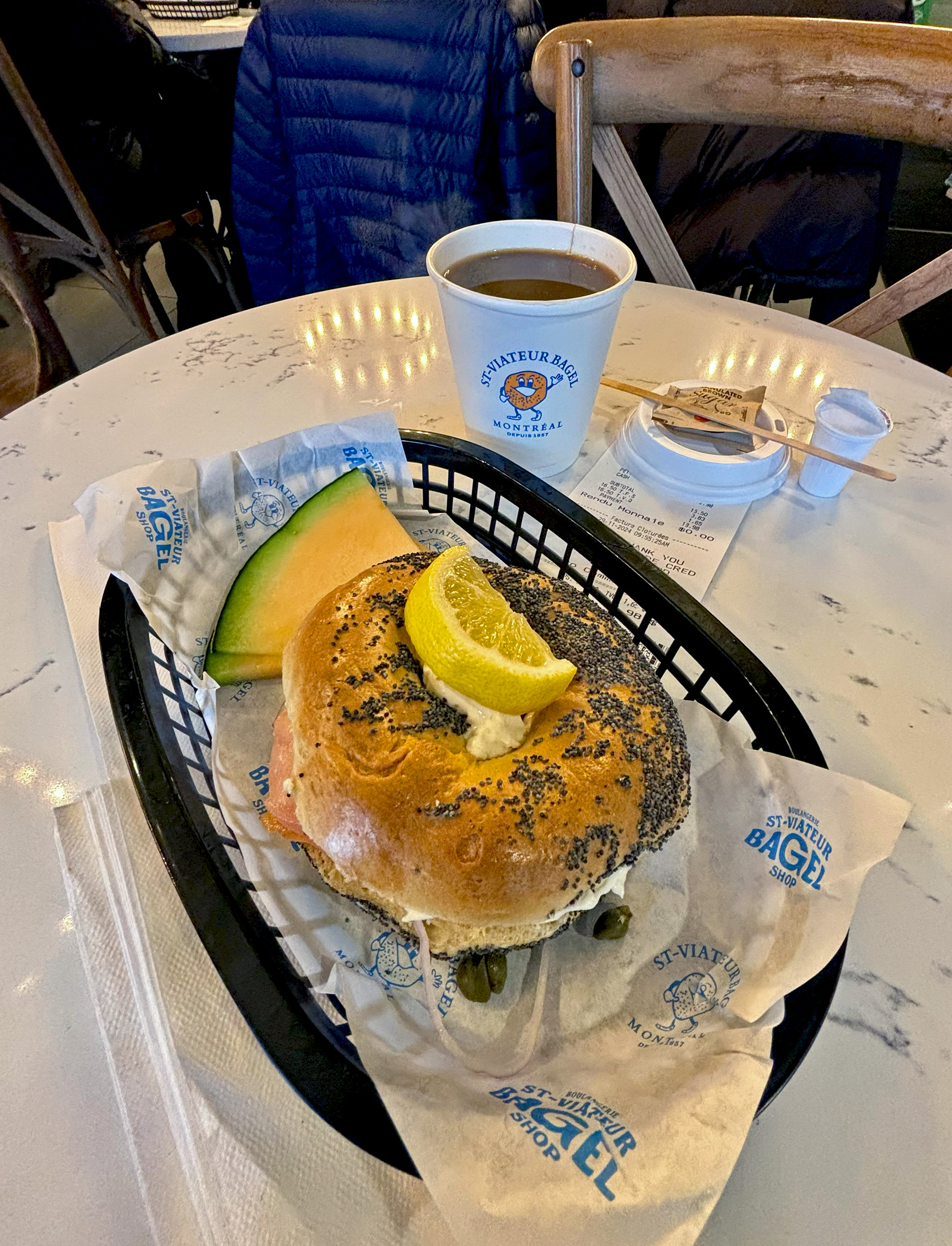
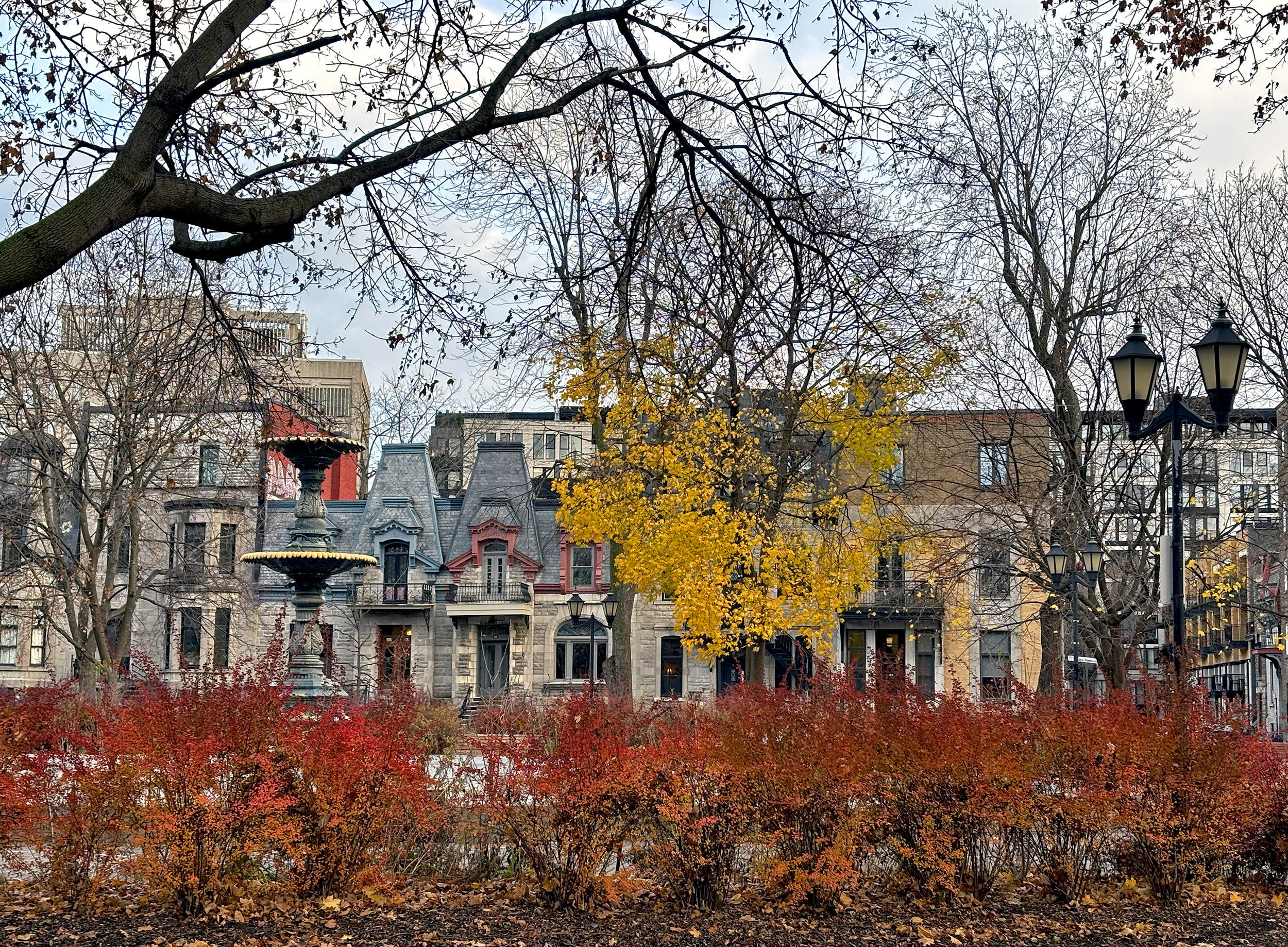
The morning begins with a pilgrimage to the Plateau Mont-Royal neighborhood, with a bagel to christen the day. Following a journey out and back to Brossard, on the newest, and very impressive addition to Montreal’s public transport system, I revisit an old haunt for lunch. A stroll after my meal finds me in a neighborhood anchored by a park; utterly charming, and one that I hadn’t laid eyes on previously. A ride back to Gare Centrale on the city’s lovable Metro caps off a short but fulfilling stopover, in what is easily one of my favorite cities on the continent.

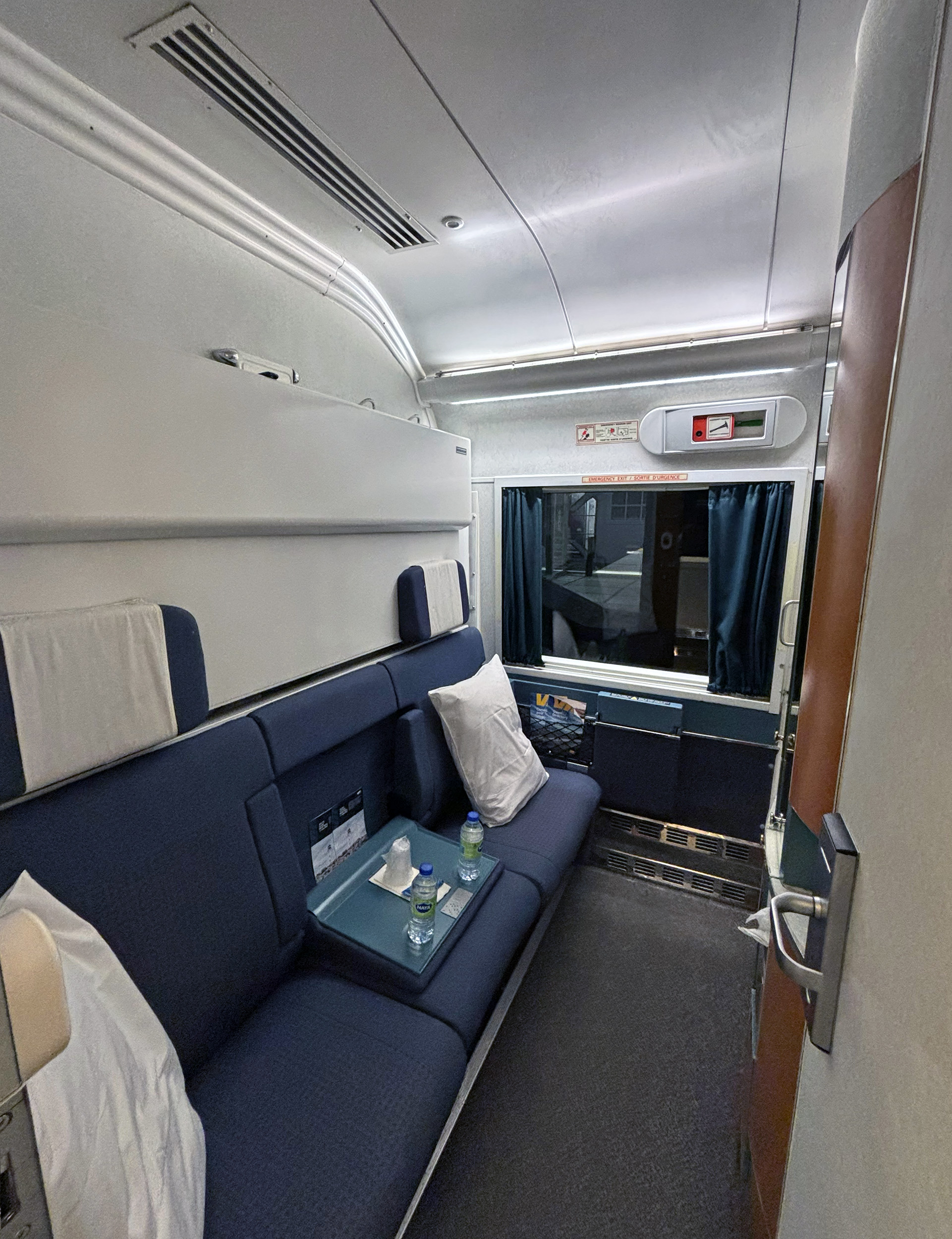
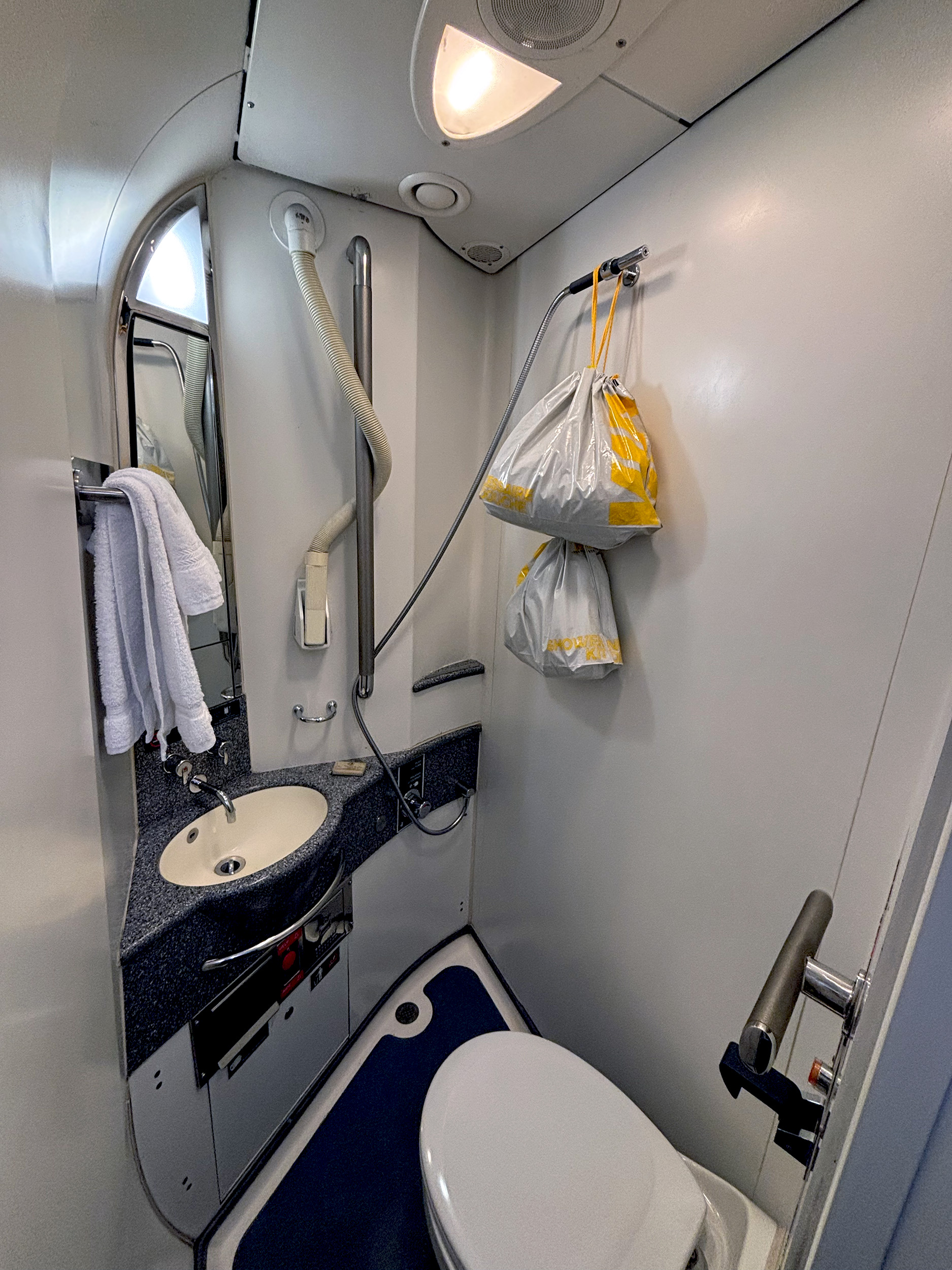
Via Rail’s Train 14, The Ocean, is the oldest continuously operated named passenger train in North America, and I’m journeying on it today from Montreal to Halifax, some 836-miles (1346-km) away. I’ve booked myself a private cabin, complete with en suite, which, curiously, is still set up in day-time mode when I board. David, the carriage attendant, assures me that he’ll make up the bed once I head over for dinner, and also gives me the option of room service for my meals, if I’m not feeling particularly social. I’m impressed. Via Rail’s safety rules require at least one traveling passenger per car to volunteer in the event of an emergency, and David asks if I’d like to do the honors. I readily oblige, and he walks me through a couple of safety procedures.
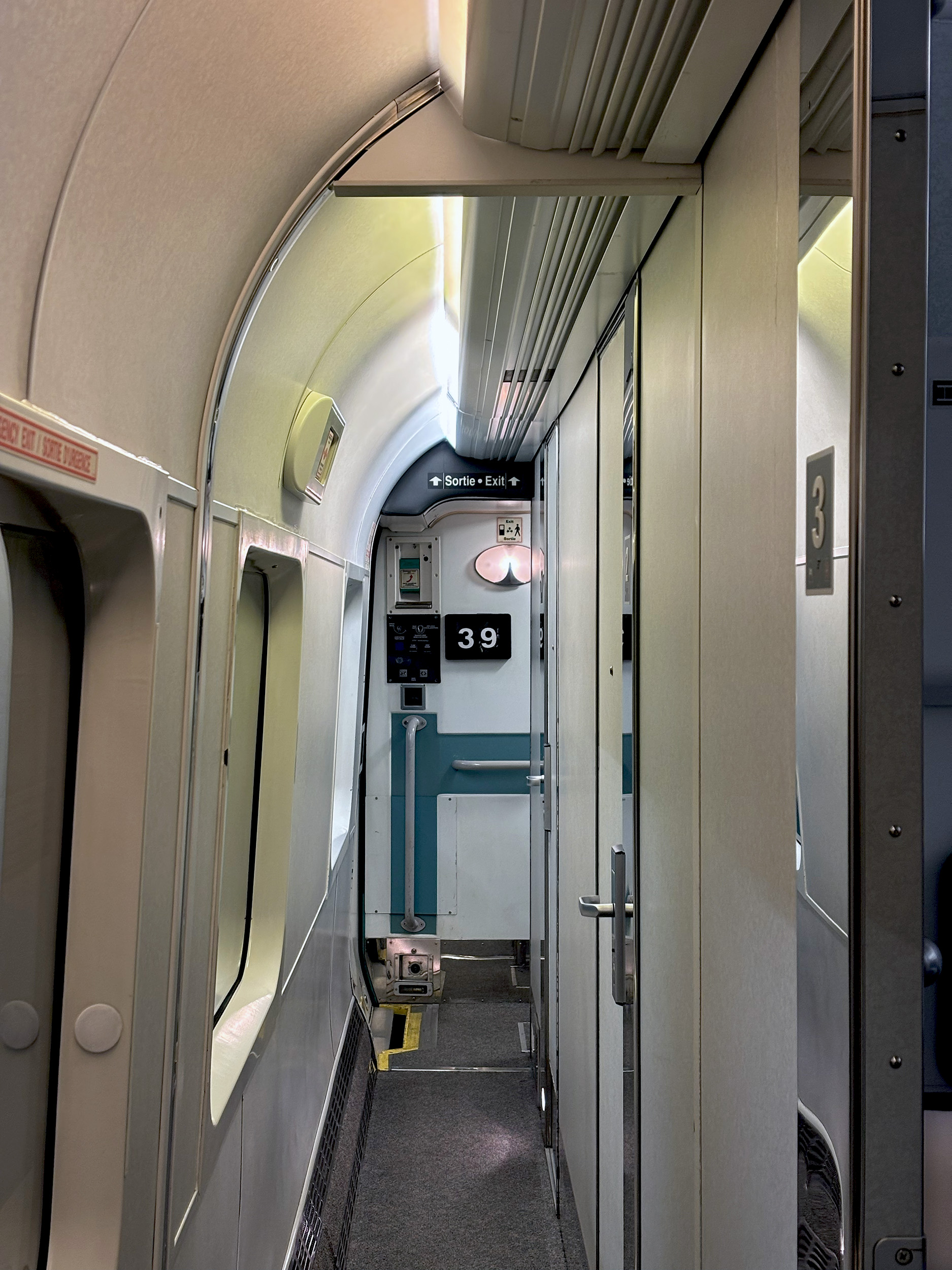
The Ocean eases out of Gare Centrale, past the iconic Farine Five Roses neon sign, trundling across the Victoria Bridge not long after; crossing the St. Lawrence Seaway, and gradually, leaving behind the bright lights of downtown Montreal. Walking towards the dining car, I can’t help but notice how narrow the corridors are, especially by North American standards. The reason is simple. The carriages were built in the mid-90s for overnight service through the Channel Tunnel, but that service never materialized. Instead, the carriages found use across the pond, in Canada. It’s what makes them the most unique sleeper cars on the continent, and this overnight journey for me, even more special.
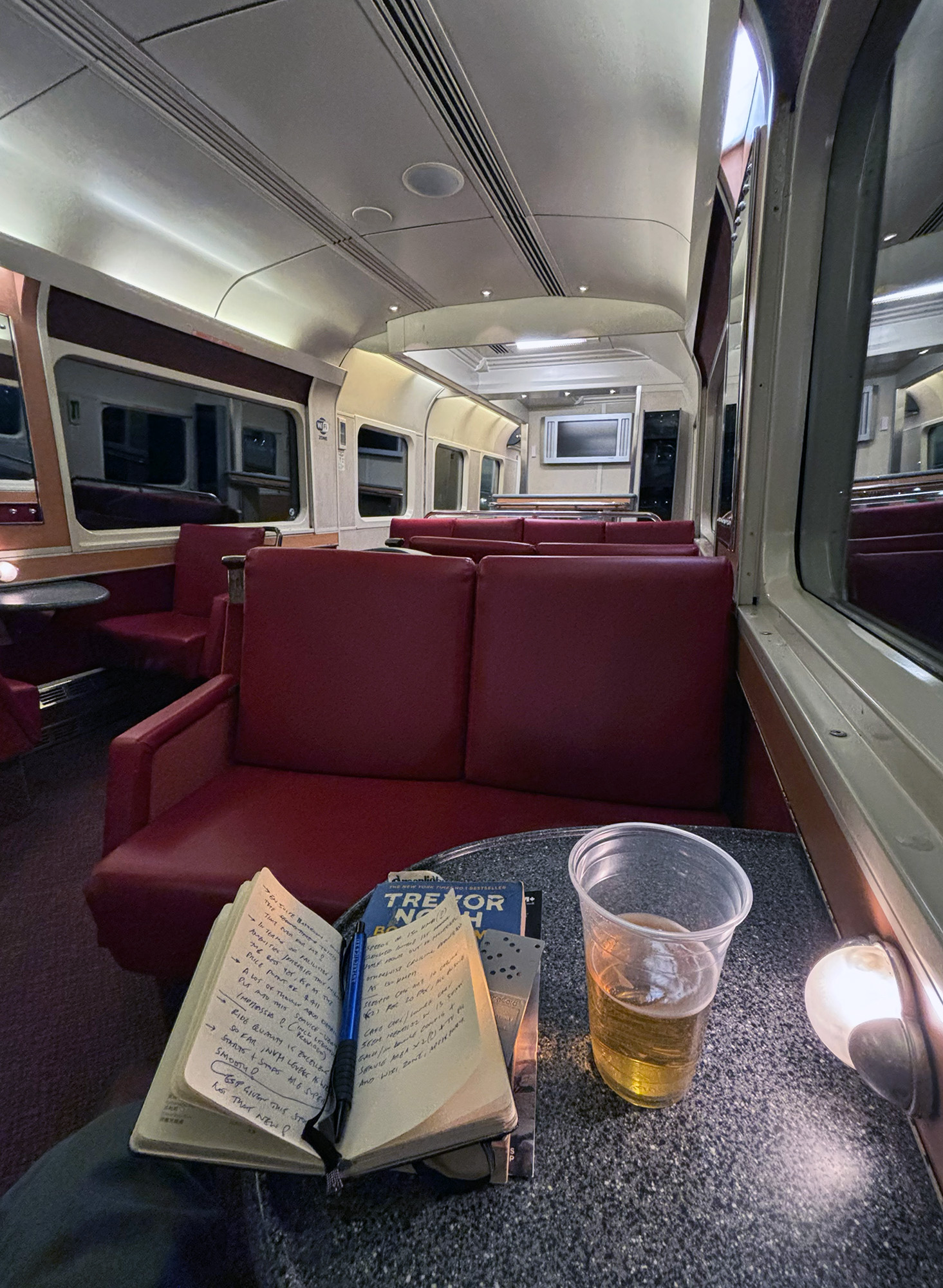
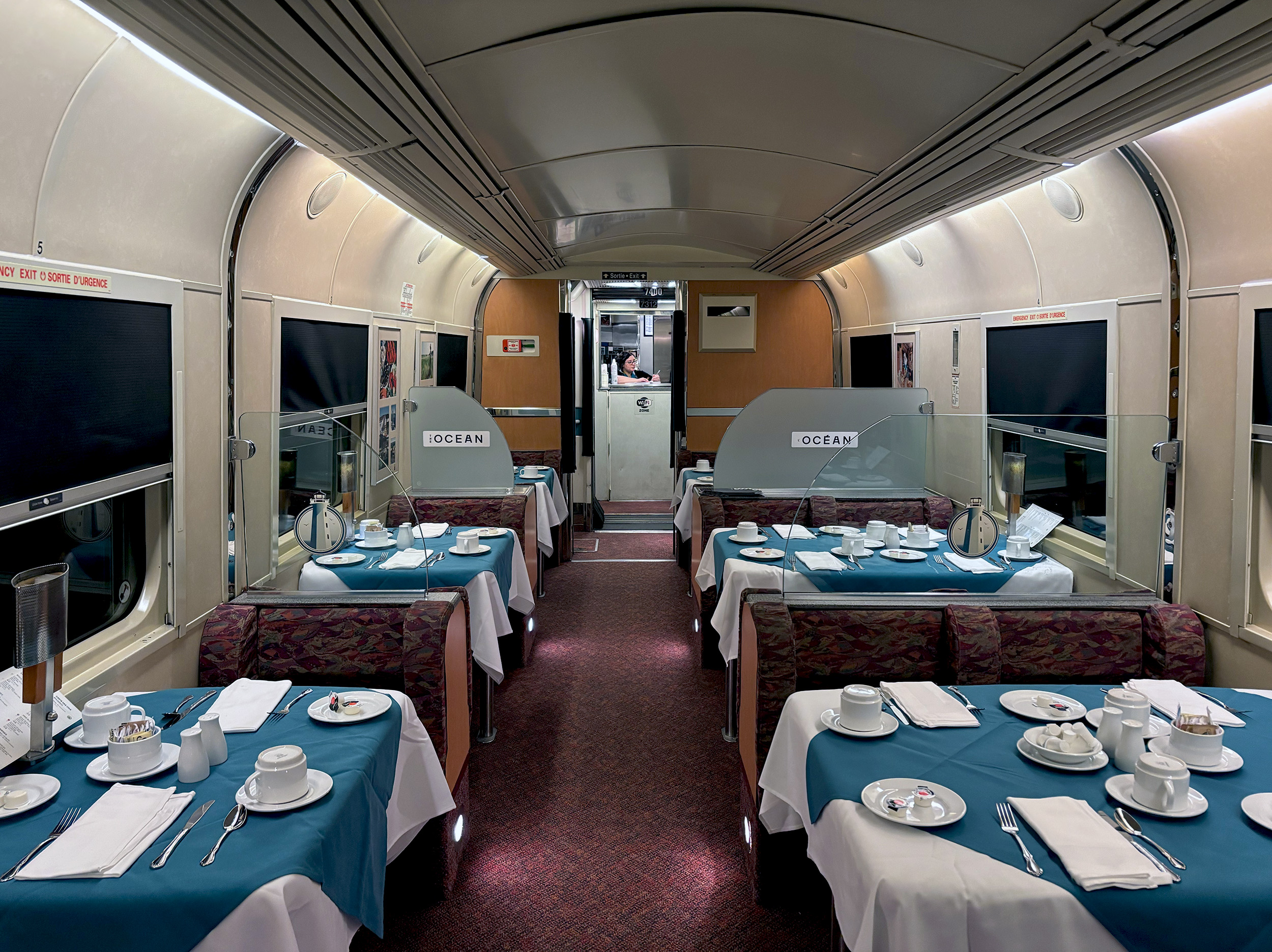
The first seating for dinner is still in progress, so I make my way over to the lounge car to bide the time. Some reading, a little writing, and a Molson to get things going. At dinner, I’m sharing my table with two young men; a German traveling to Halifax, where he’s in pursuit of a PhD, and a Canadian from New Brunswick headed to Bathurst, who’s more comfortable speaking French than he is English. I learn from them that New Brunswick is the only true bilingual province in Canada, and even so, the French they speak is markedly different from that spoken in Quebec.
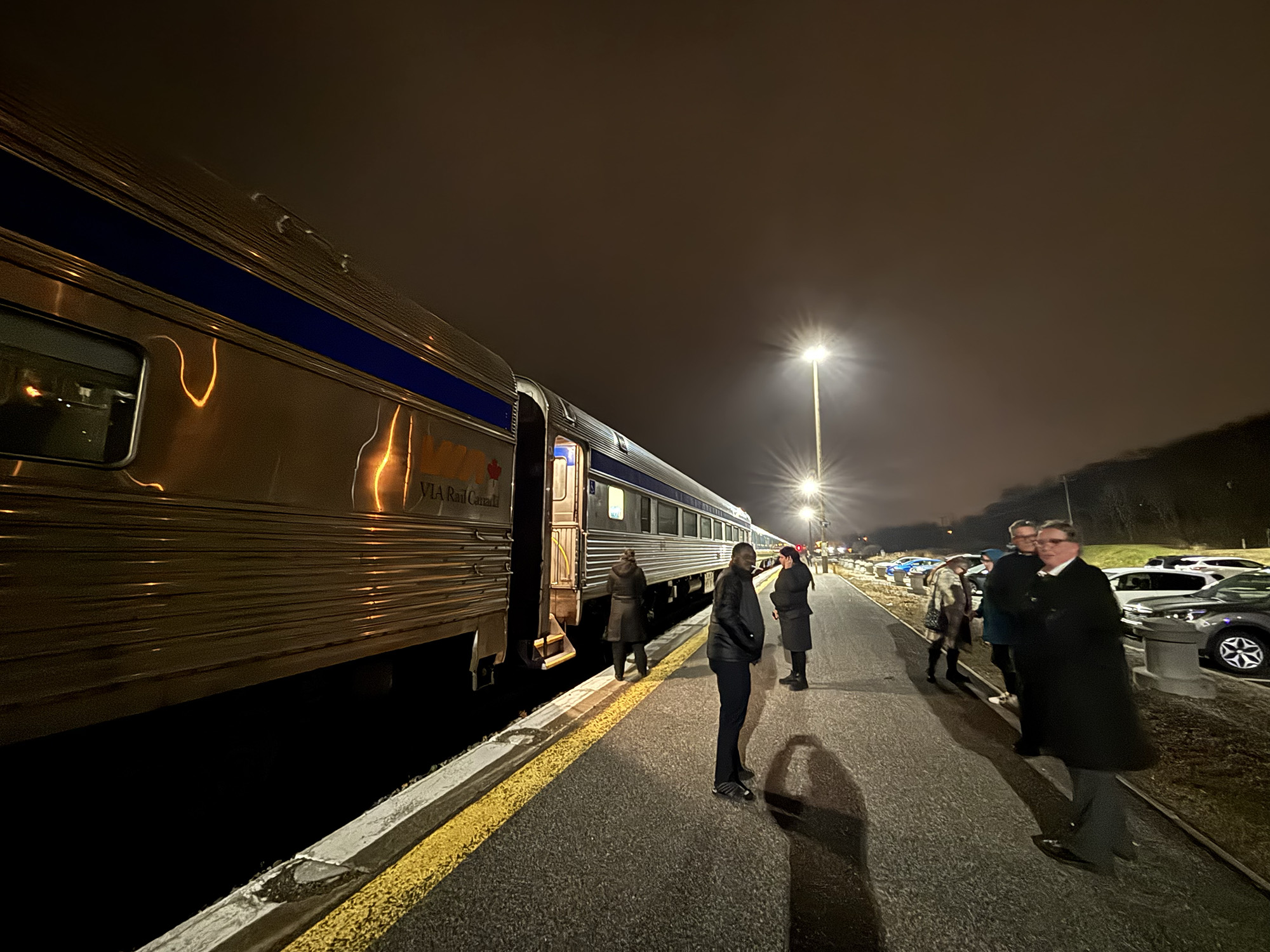
Via Rail always does a good job featuring local wines, so I order the white from Nova Scotia, and for my meal, I start with a tomato-basil bisque soup. Grilled salmon, with a side of rice and brussels sprouts, makes up my main. All pretty good. I skip dessert, opting instead to get off the train at our first smoke stop of Sainte-Foy, just outside Quebec City, where I race to the front to get a shot of the locomotives. It’s even colder here than it was in Montreal, and a light snow is falling. Nothing more enticing at this point than getting back to the comforts of my heated cabin and a warm duvet.
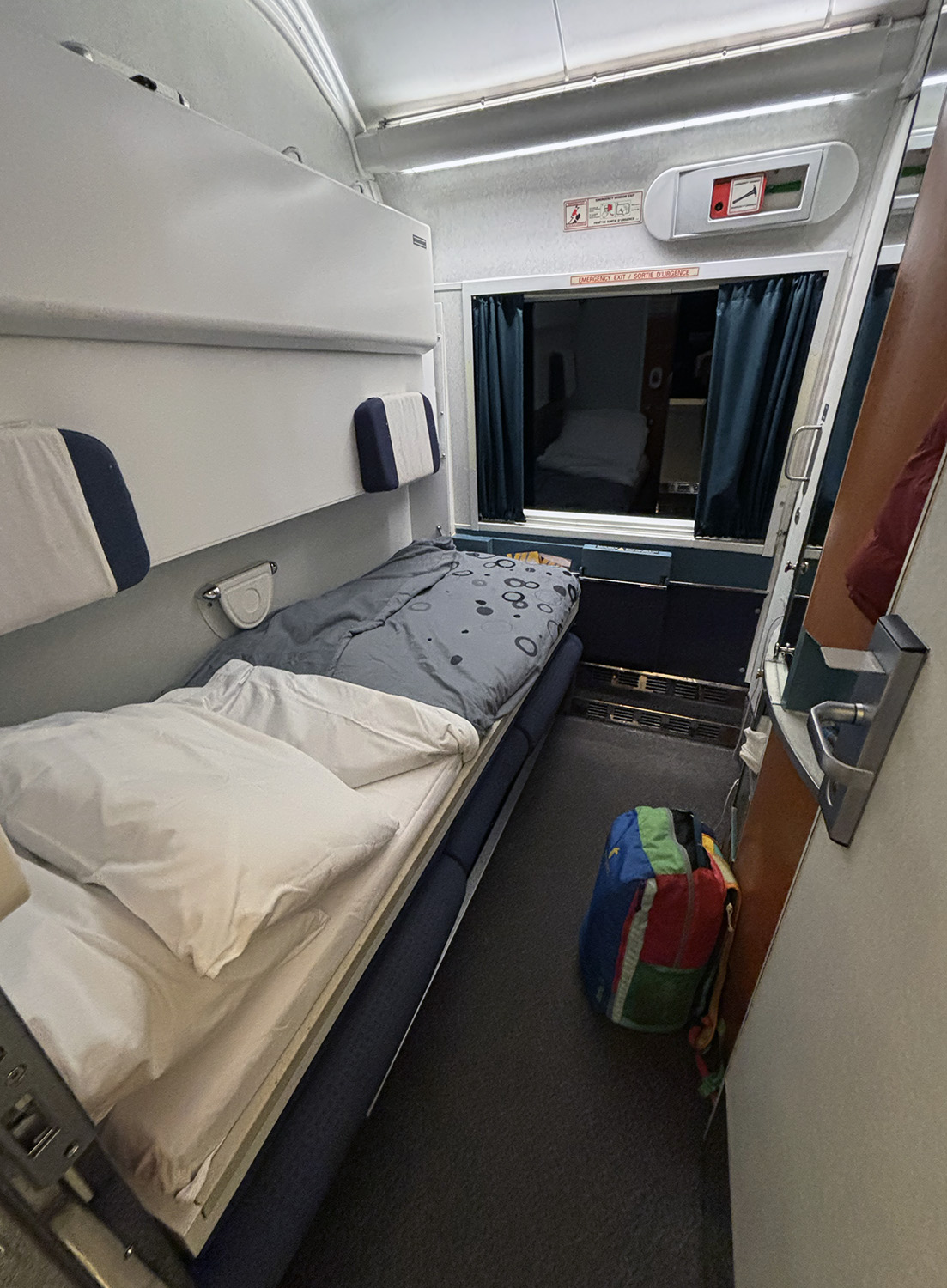
At first light, I pull up the blinds to find us ambling across the Restigouche River, marking our entry into the province of New Brunswick. The river makes up the provincial line between Quebec and New Brunswick, and crossing into the province, we’ve also gained an hour. A momentous moment for me, as it’s the first time I’ve set foot in a timezone east of the Eastern Seaboard. Have no doubt though, Canada still has another up its sleeve, further east! With my watch adjusted, I take a moment to assess the quality of my sleep. Not nearly enough of it, I have to say, but the few hours I did get were solid. A big thumbs up to the width of the berth, the temperature setting in the cabin, the quality of linen, and the smoothness of the ride.
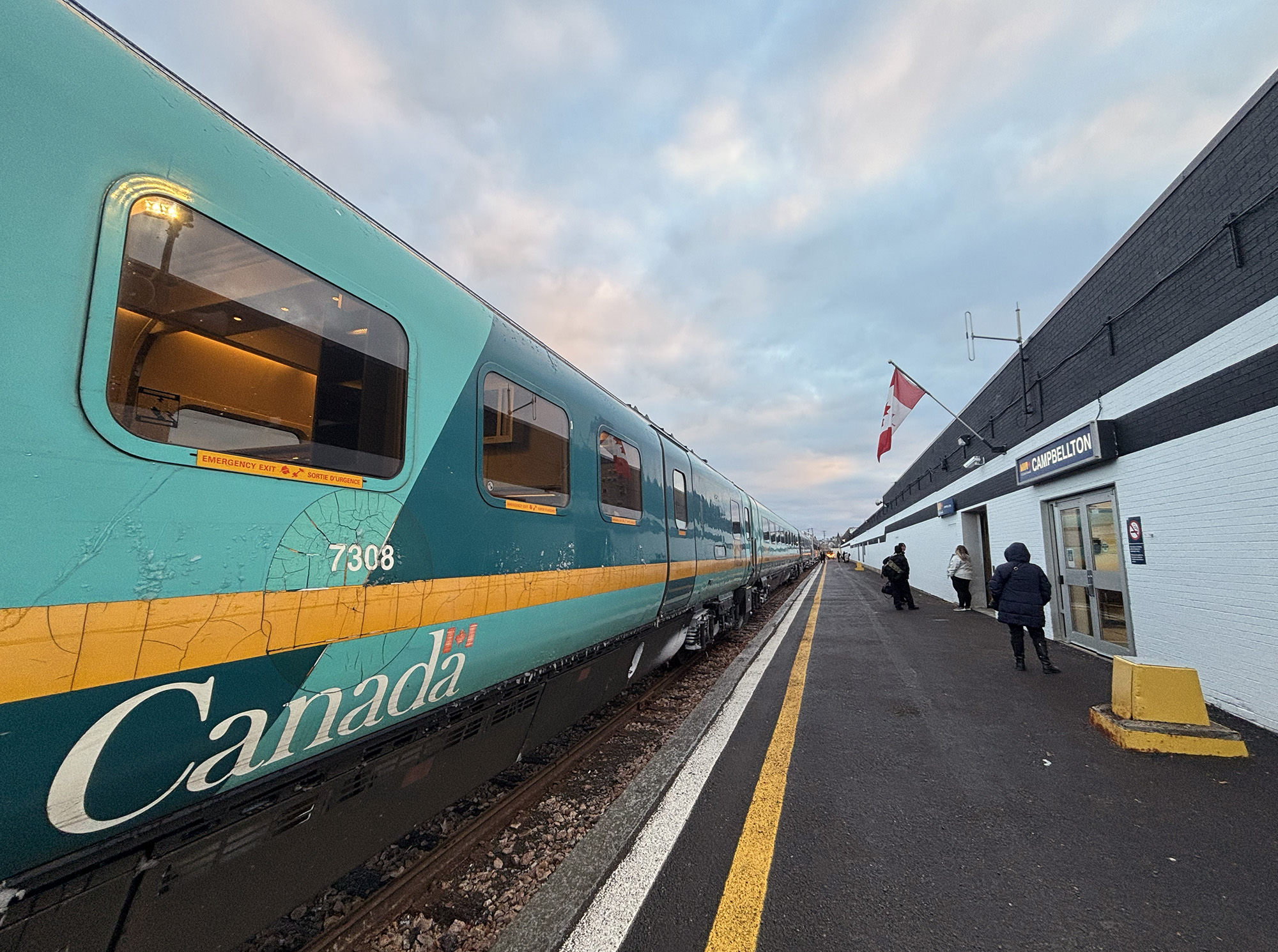
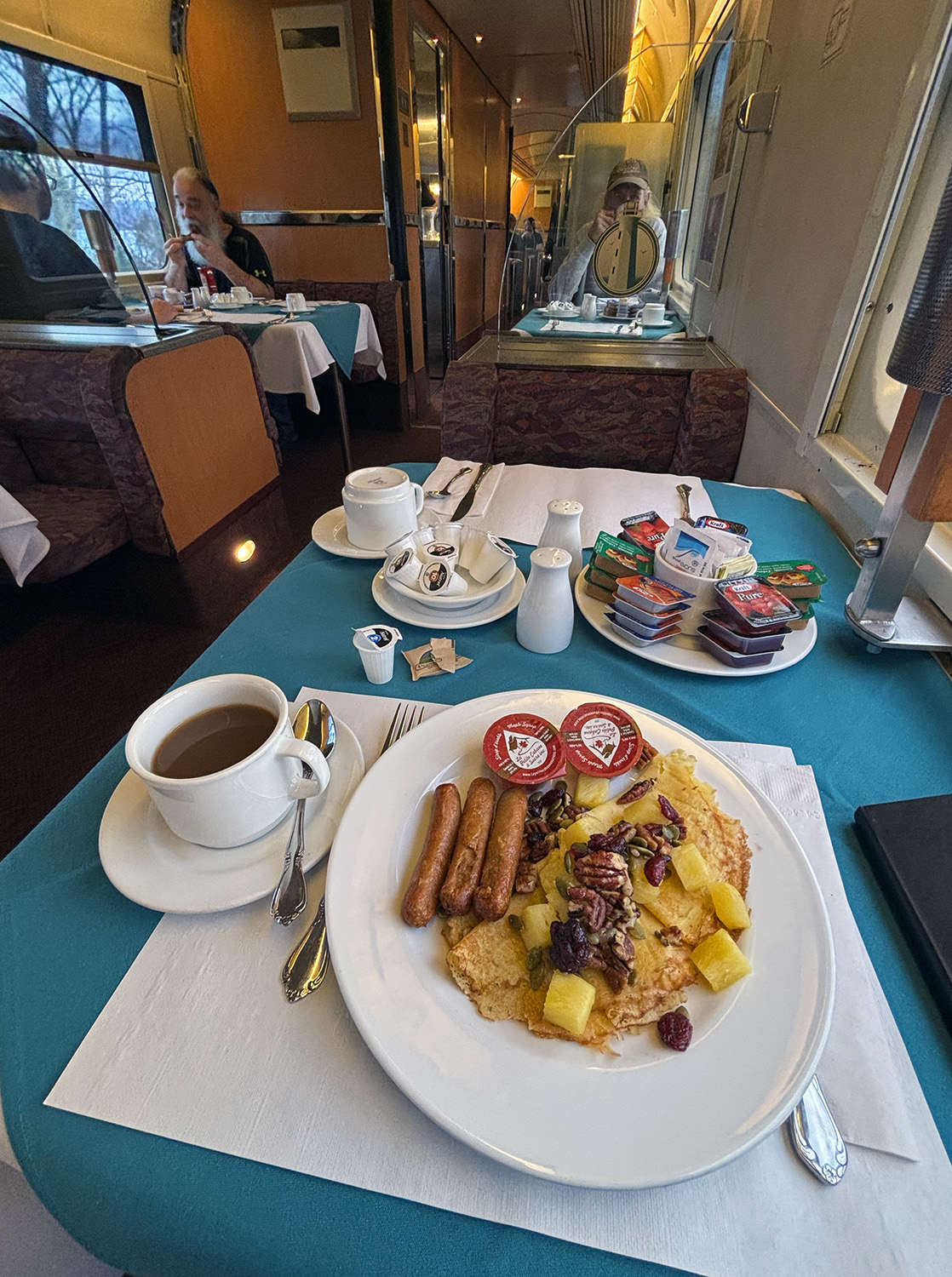
As I contemplate brekkie, which is first come, first served in the dining car, The Ocean is easing to a halt at Campbellton, the first of two smoke stops today. Some fresh, crisp air, and a short stroll are in order. For breakfast, I order the traditional crepes, a lighter option than the three-cheese omelette, but likely to be more satiating than the continental offering. We’re 45″ late pulling out of Campbellton but the tardiness is soon forgotten, as Chaleur Bay comes into view to our north. The first meal of the day doing well to live up to the cliche.
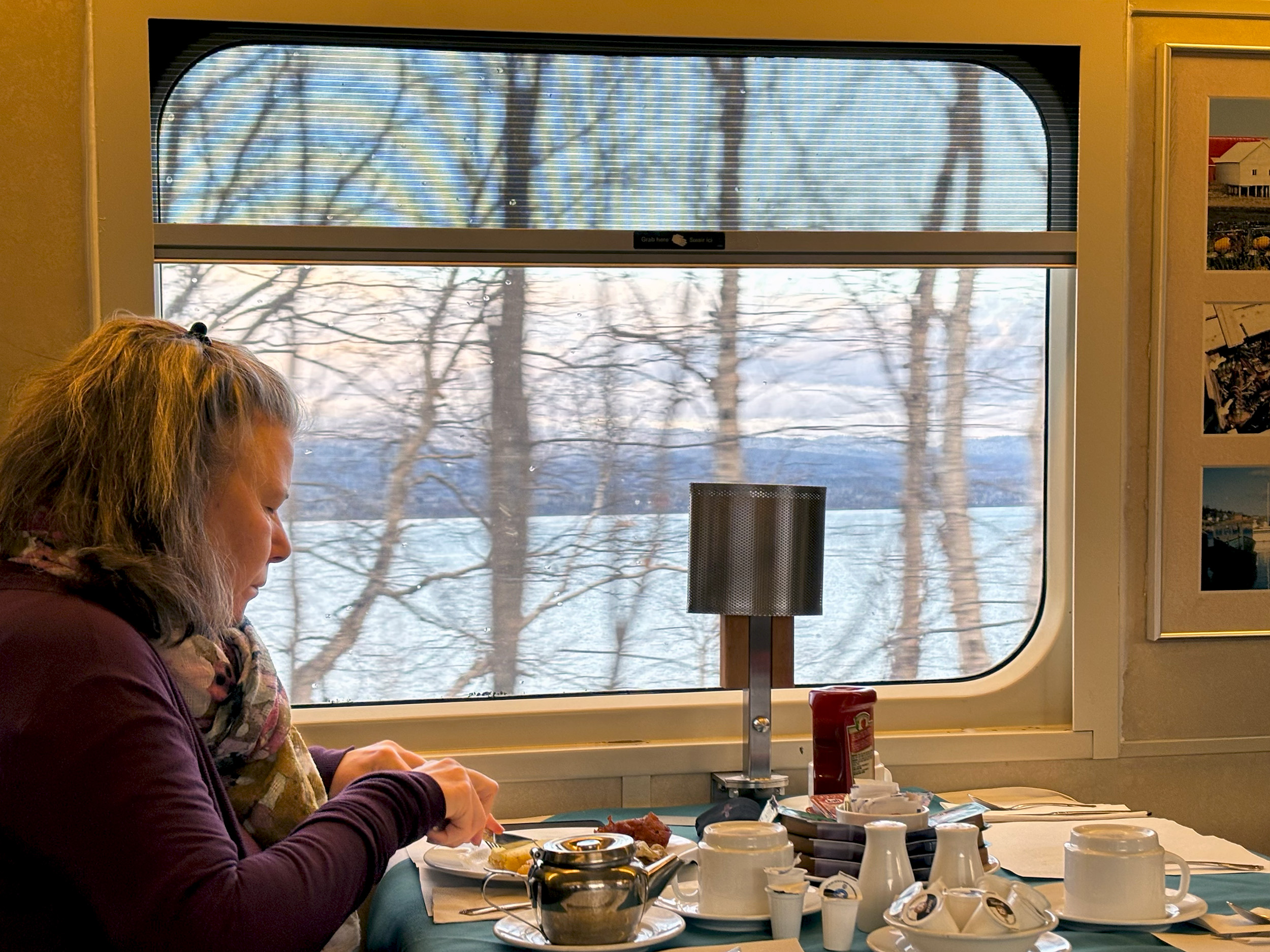
My cabin is set back in day-time mode when I return, David having done the needful while I was at breakfast. His timing couldn’t be better. It’s 0850 local time and the sun has finally come out of hiding. Skirting the south shore of Chaleur Bay – precisely the side my window opens to – the quality of light is spellbinding. Across from the vast body of water lies the Gaspé Peninsula, where fresh snow has fallen on the Chic-Chocs, as the Appalachian’s are known in that part of Quebec. The estuaries of several rivers empty into the bay, a majority of them on the New Brunswick side, with the Jacquet River crossing – complete with bald eagle spottings – being the most dramatic. With fabulous views of the bay, that wonderfully rugged peninsula, and the many rivers en route, the two-hour run east of Campbellton, I’m inclined to say, might well be one of the most scenic stretches of railway I’ve experienced.
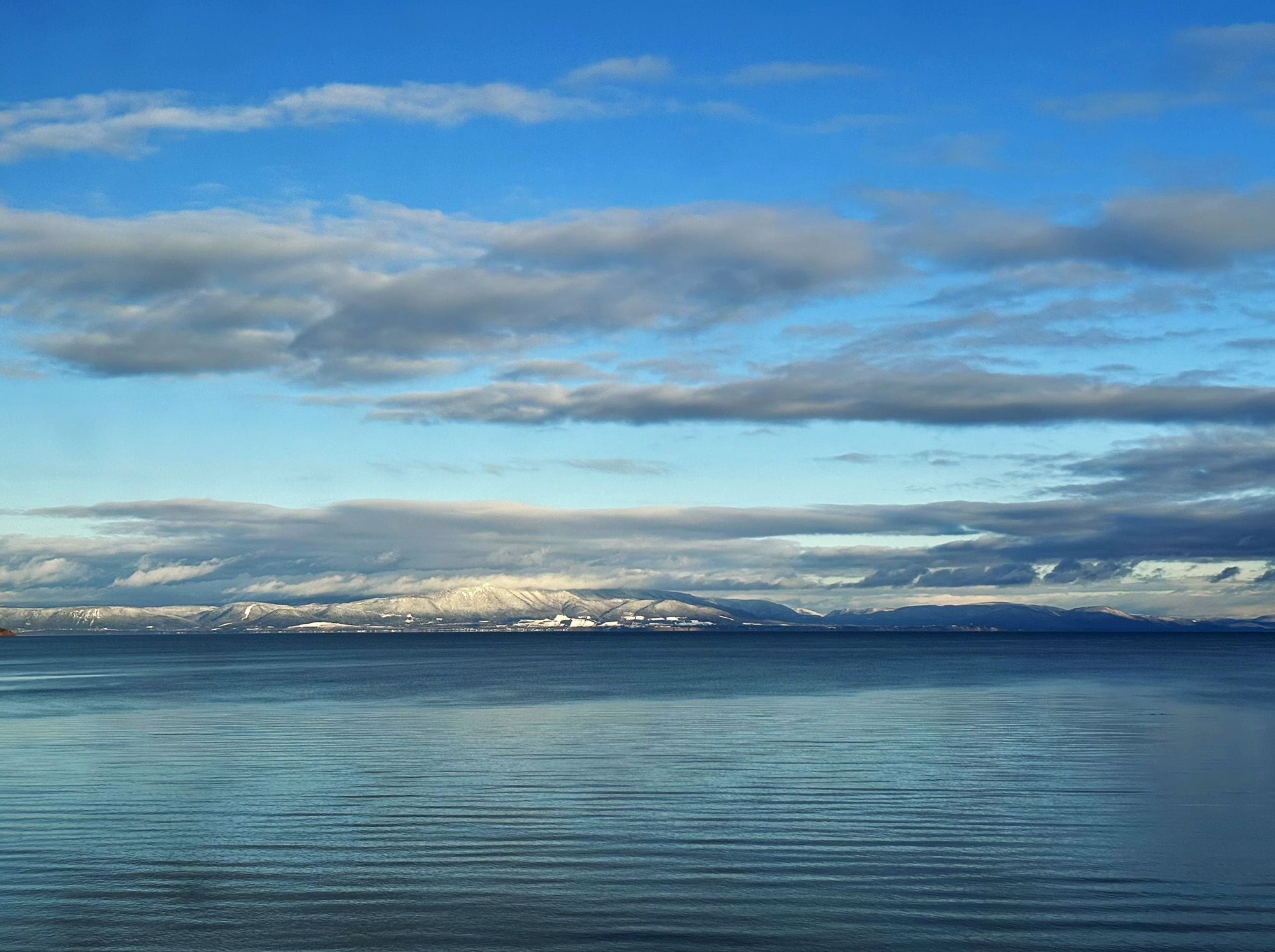
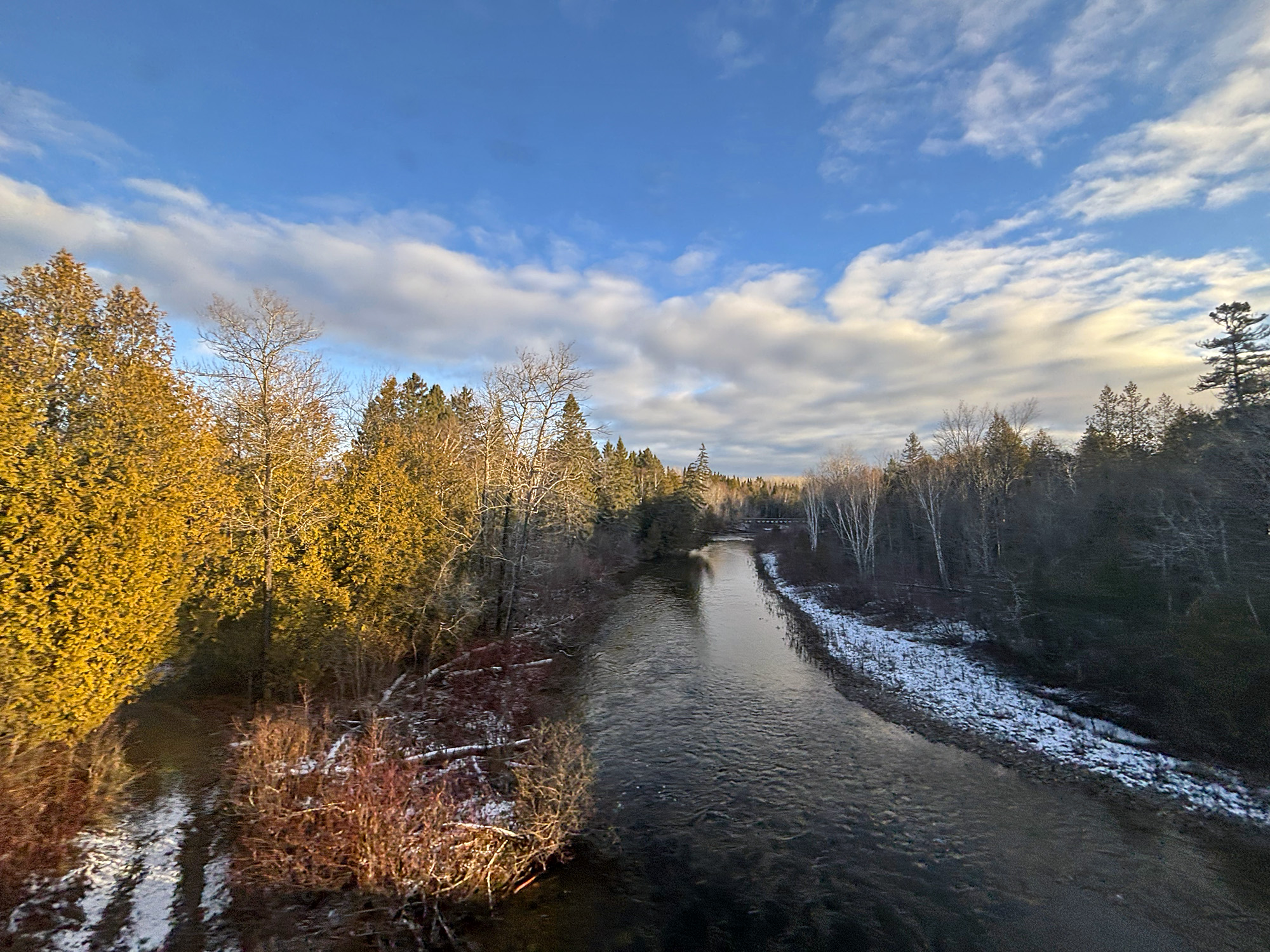
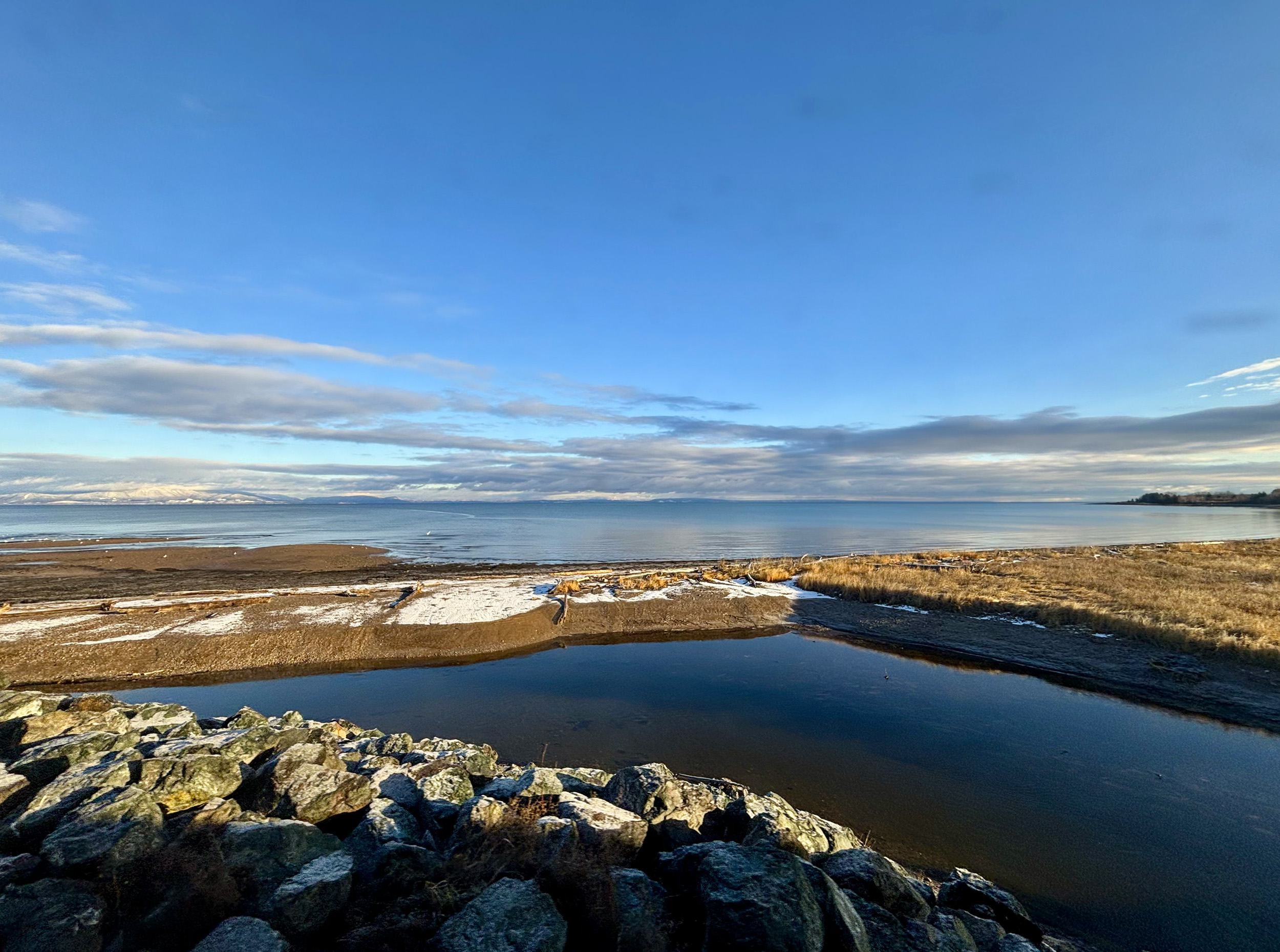
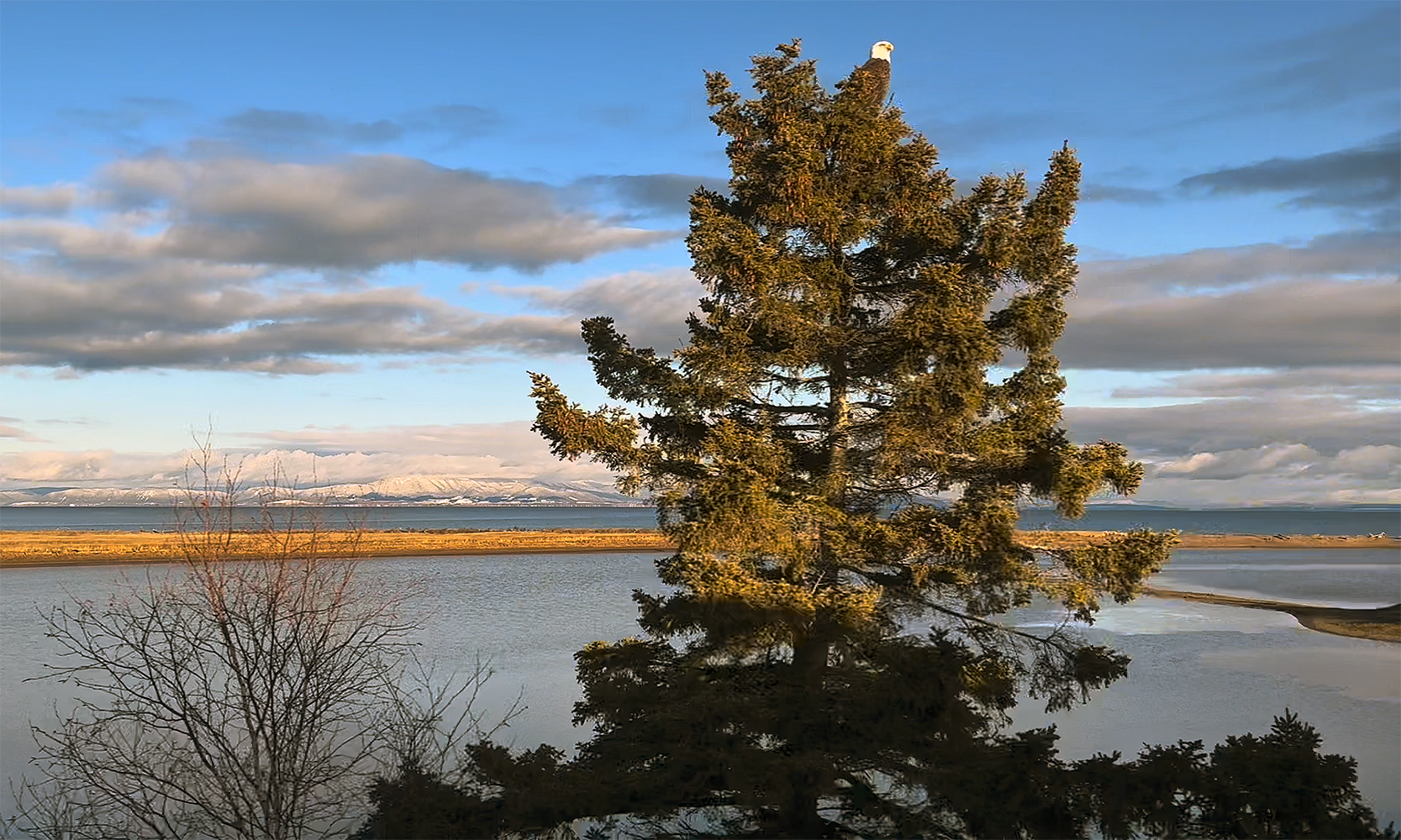
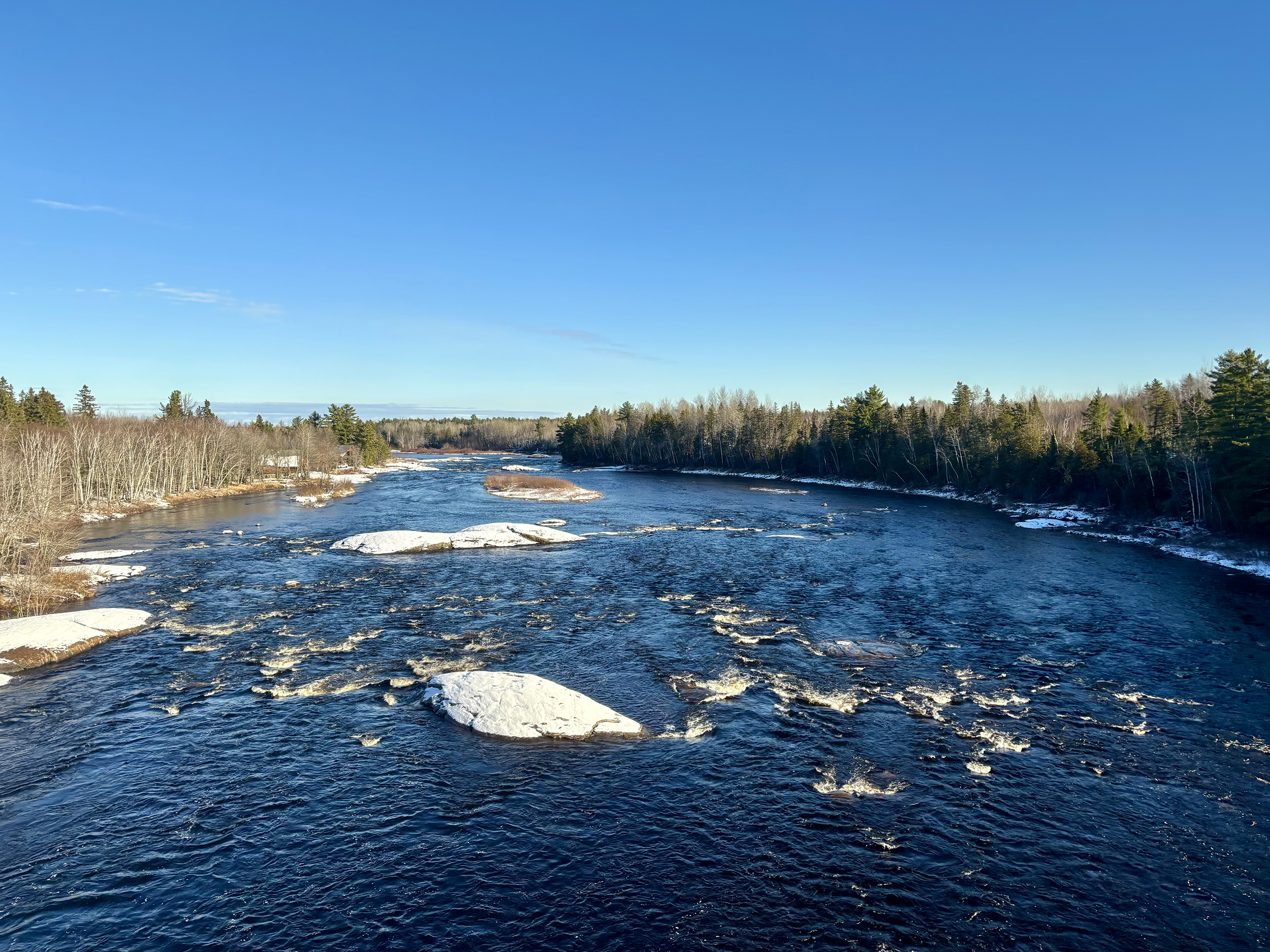
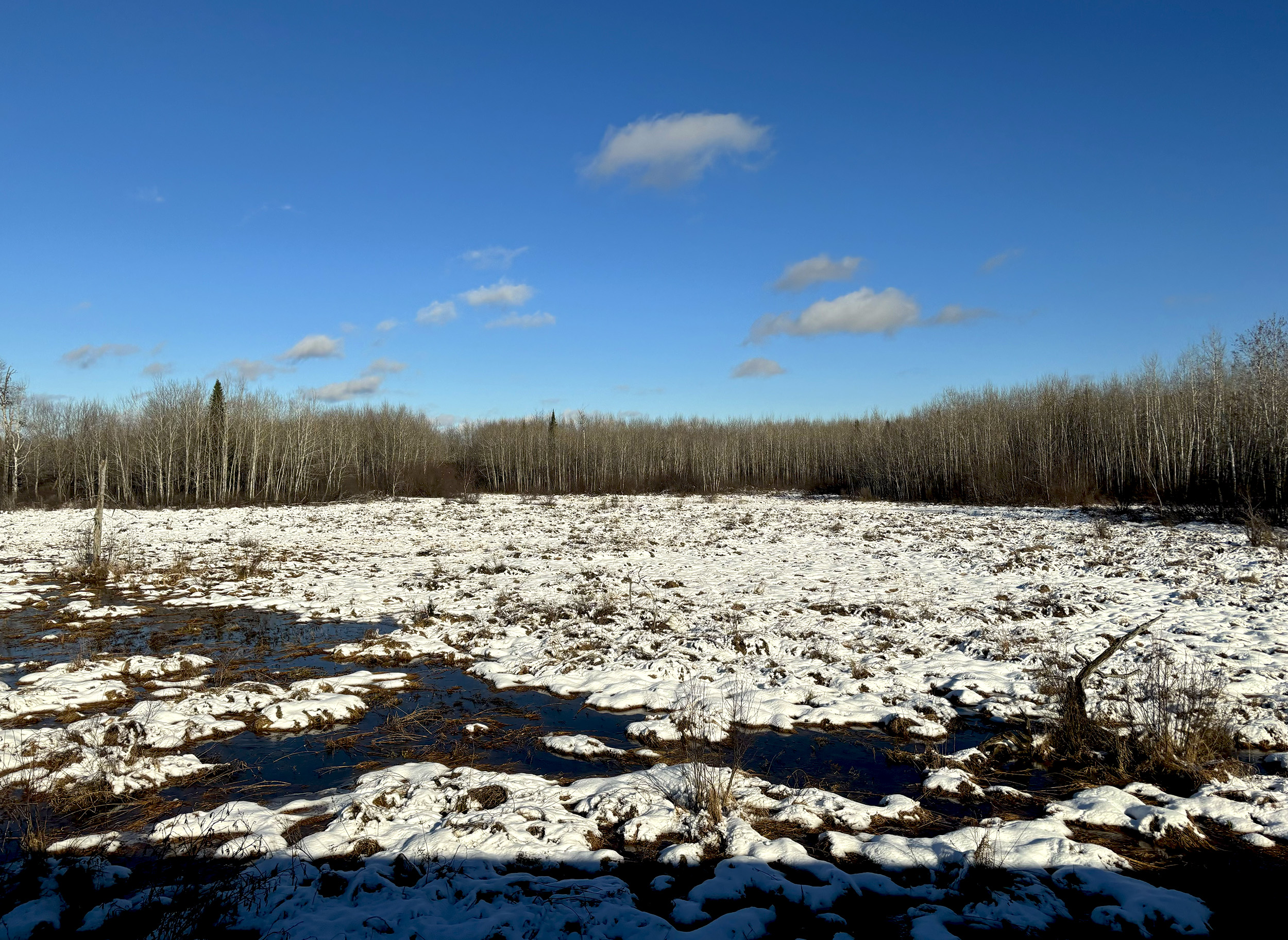
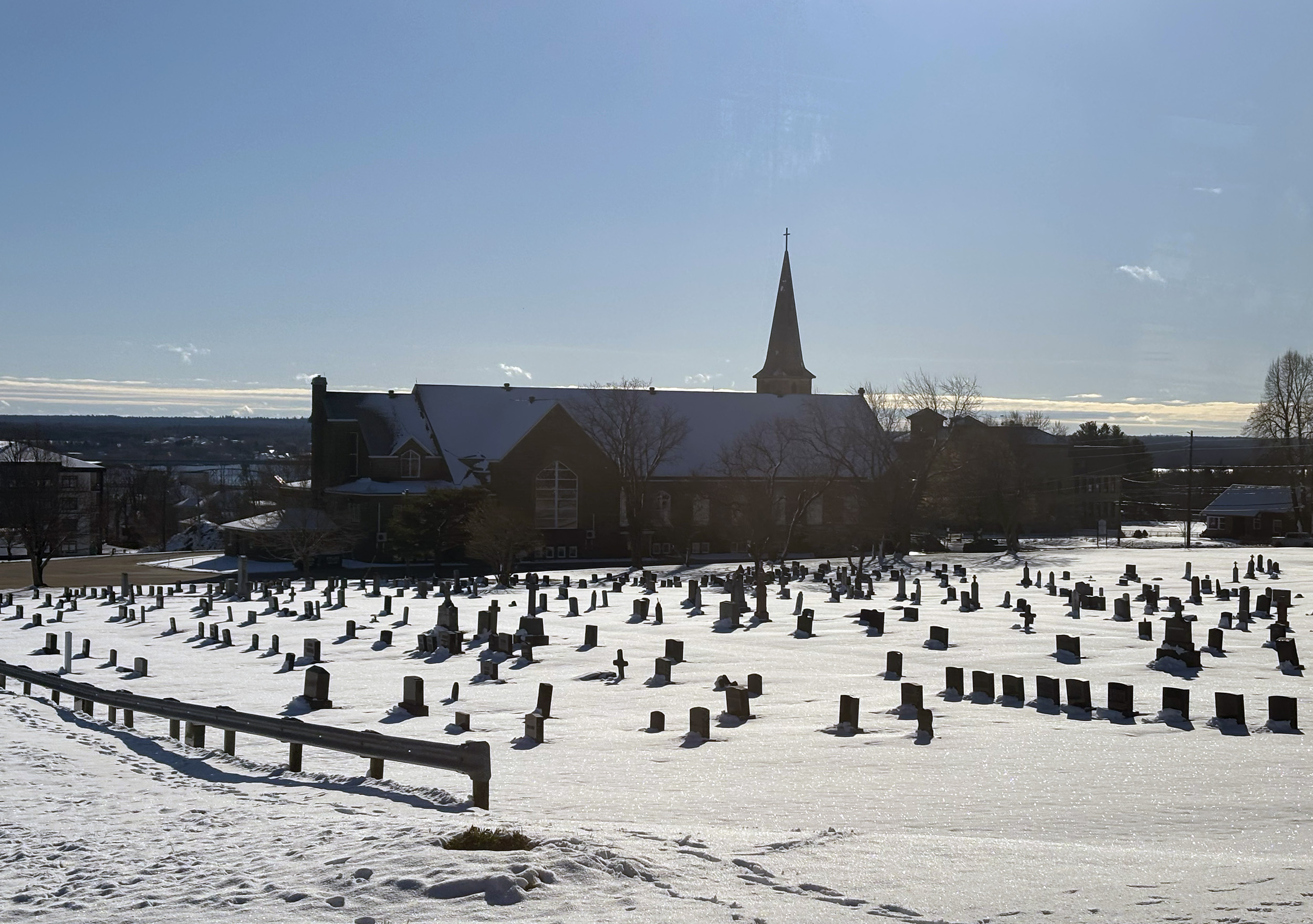
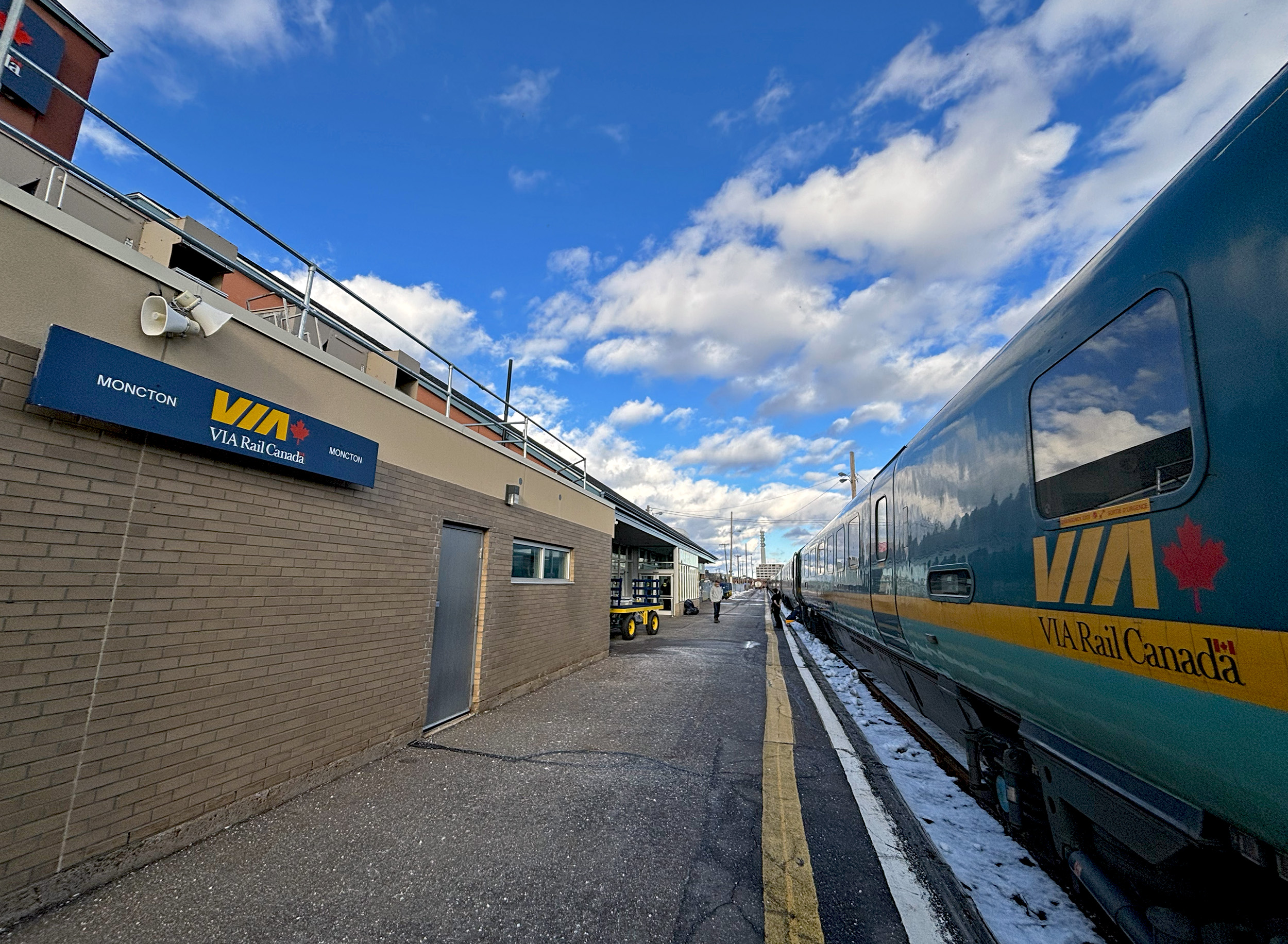
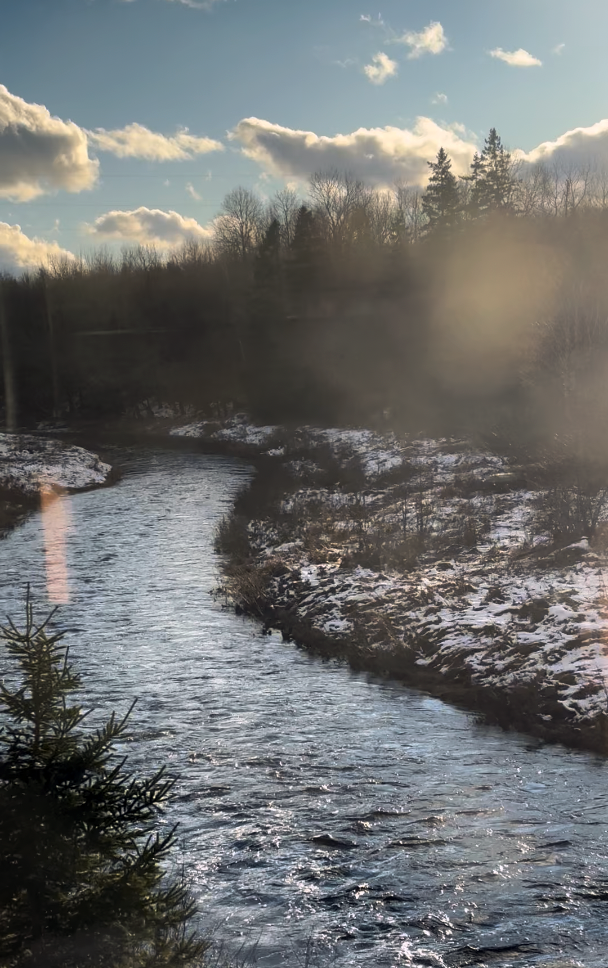
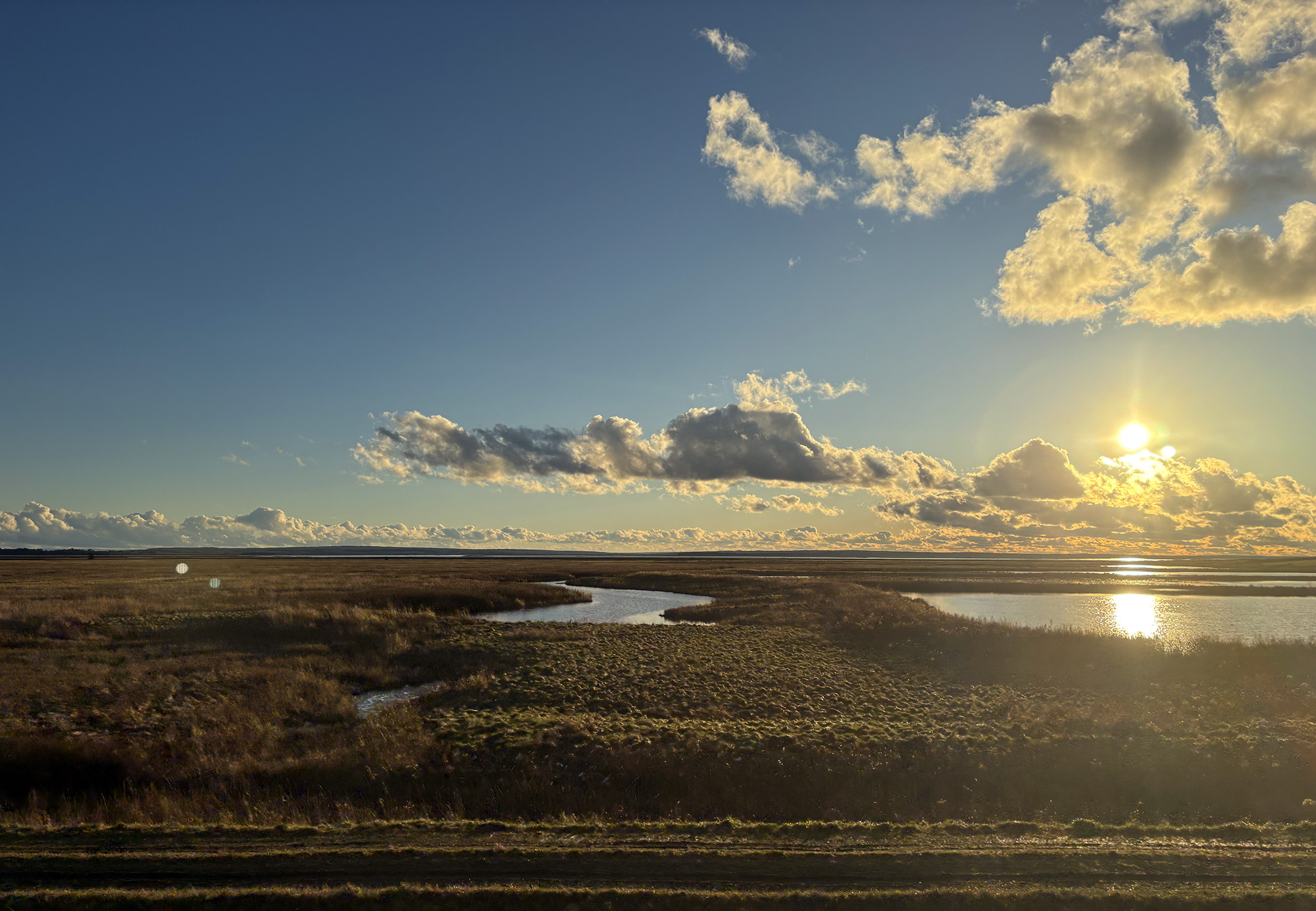
Chaleur Bay, an arm of the Gulf of St. Lawrence, reaches its widest point (27-miles) close to the town of Bathhurst, but we’re also further inland by then, so I take advantage of that fact and duck in for a shower. The halt at Bathhurst means the train will be stationary for a bit, definitely aiding the overall shower experience, but more notable is the water pressure on board – the best I’ve experienced on a train. Miramichi, the largest town in northern New Brunswick, is next, and a snow-covered cemetery marks our approach into it. The town is located along its namesake river, one who’s estuary is so wide, it takes two separate bridges to get across it. Between Miramichi and Moncton, the route of The Ocean passes through the forests of Eastern New Brunswick, the terrain characterized by endless bogs and marshes, with significant snow accumulation all along. Moncton, the most populous city in New Brunswick, is the last smoke stop on The Ocean’s eastbound schedule, and where our locomotives will be refueled. The second seating for lunch has just been announced over the PA system, but my waitress informs me it’s going to be a relaxed affair, so I step out for a quick stroll.
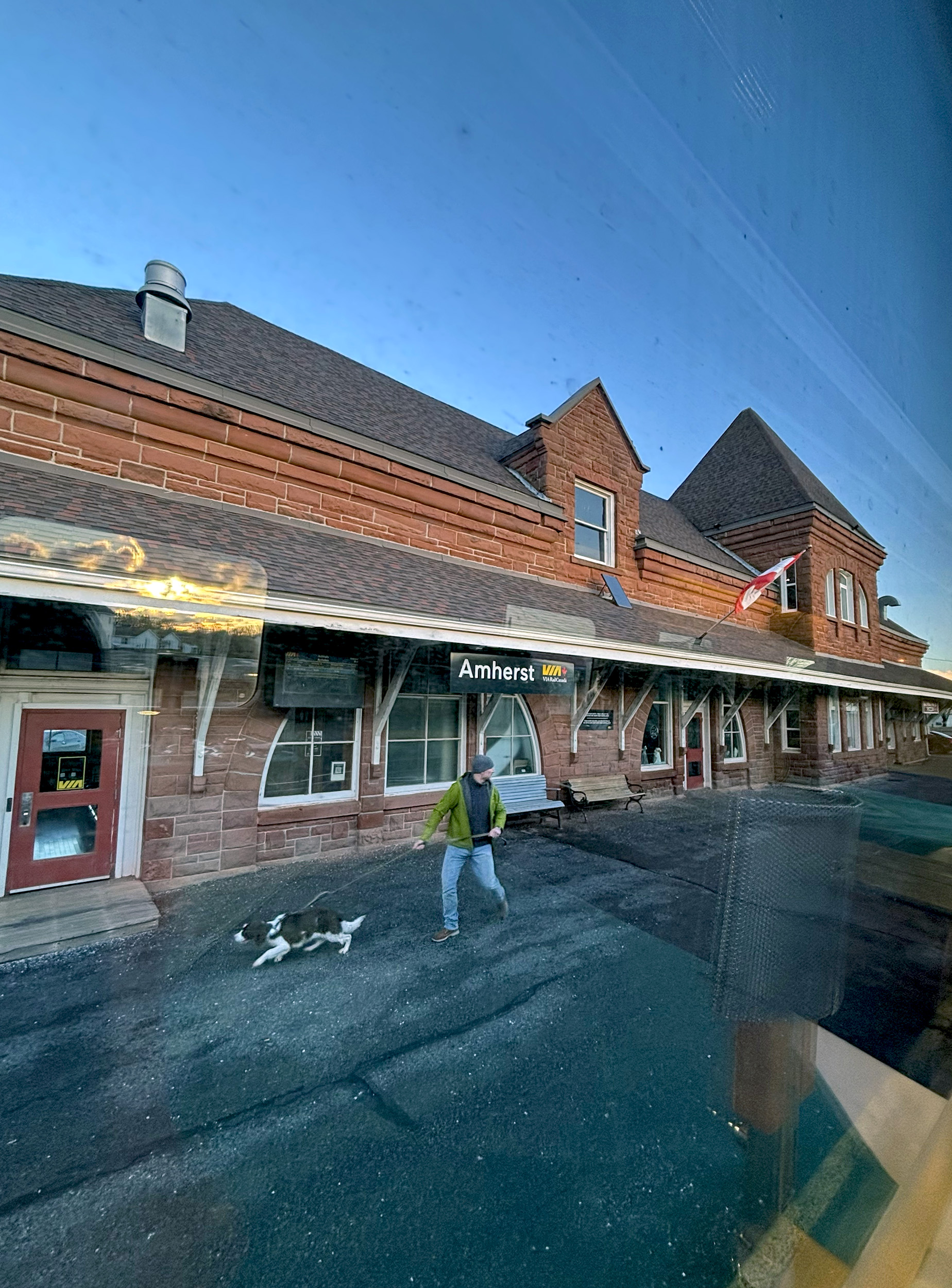
The chicken basquaise at lunch is the best dish I’ve had on the train so far (all meals are included in the fare), and so hungry am I that I practically inhale it. The overly decadent carrot cake, on the other hand, I should really have skipped. As the dining car empties around me, I firmly hold on to my seat; the best views now to our right. South of Moncton, the railway follows the course of the meandering Memramcook River; a tight squeeze through the valley at first, till the rivers confluence with the larger Petitcodiac River. As the late afternoon winter light comes into its own, the combined mass of both rivers empty into the Bay of Fundy, and expansive vistas resume once again. Arcing over Cumberland Basin, we approach the town of Amherst, the little station there sporting a handsome red sandstone building. Amherst marks our entry into Nova Scotia, the last of three provinces The Ocean serves.
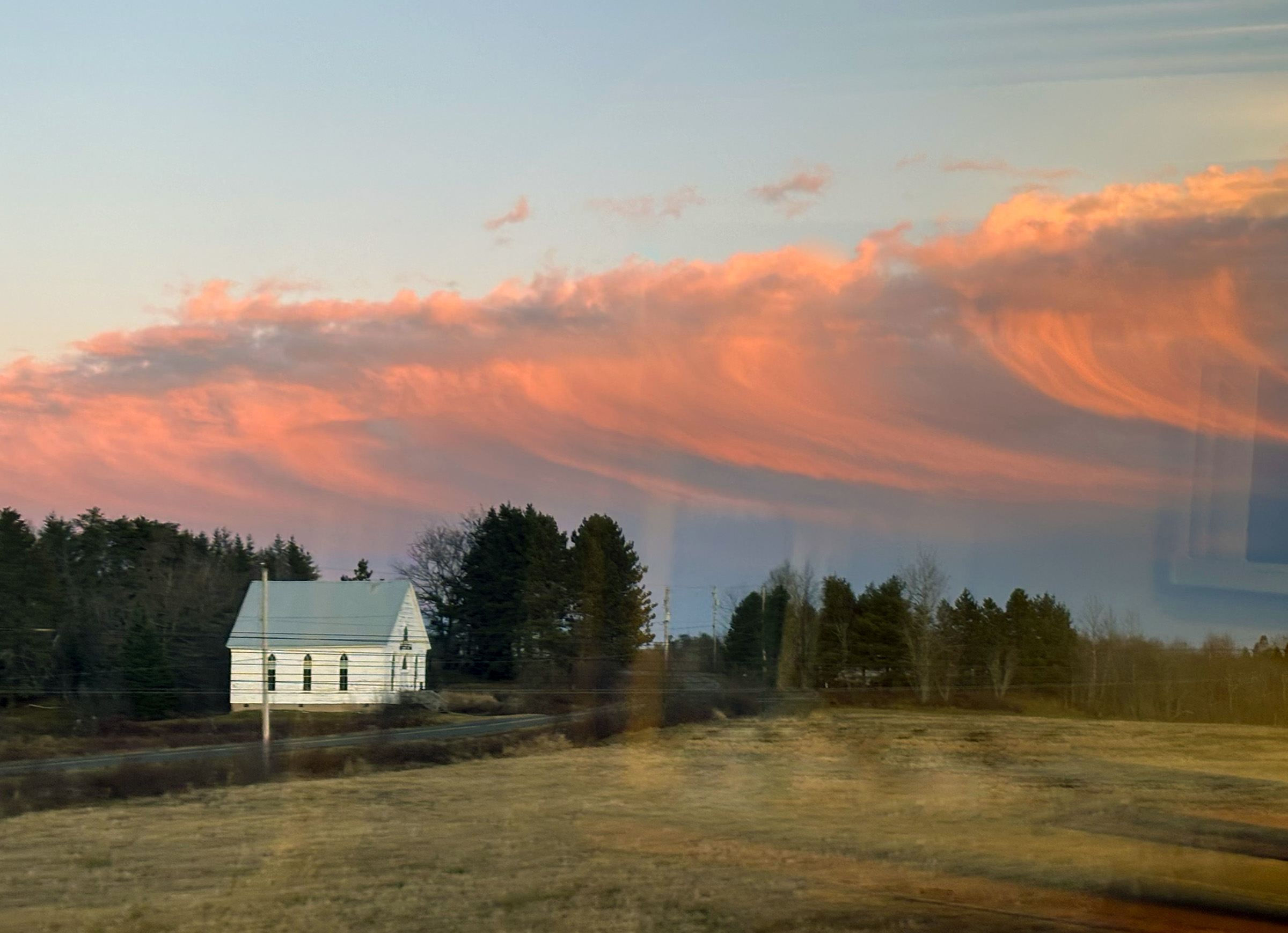
Not wanting to overstay my hospitality any further, I make my way toward the lounge car. Free WiFi is offered on the train, but the signal is strongest in the lounge car, so am not surprised to find most of the seats taken. I stake out a corner and watch as humongous clouds take over the evening sky, while The Ocean makes its way through the Wentworth Valley of Northern Nova Scotia. With the cafe section of the lounge car about to shutter, a sundowner seems in order. I get a pilsner that’s brewed in Halifax, which seems an apropos last bevy for the ride. The twinkling lights along Bedford Basin signal a proximity to journey’s end, and we finally pull in to Halifax at 6:56 pm, just shy of an hour behind schedule.

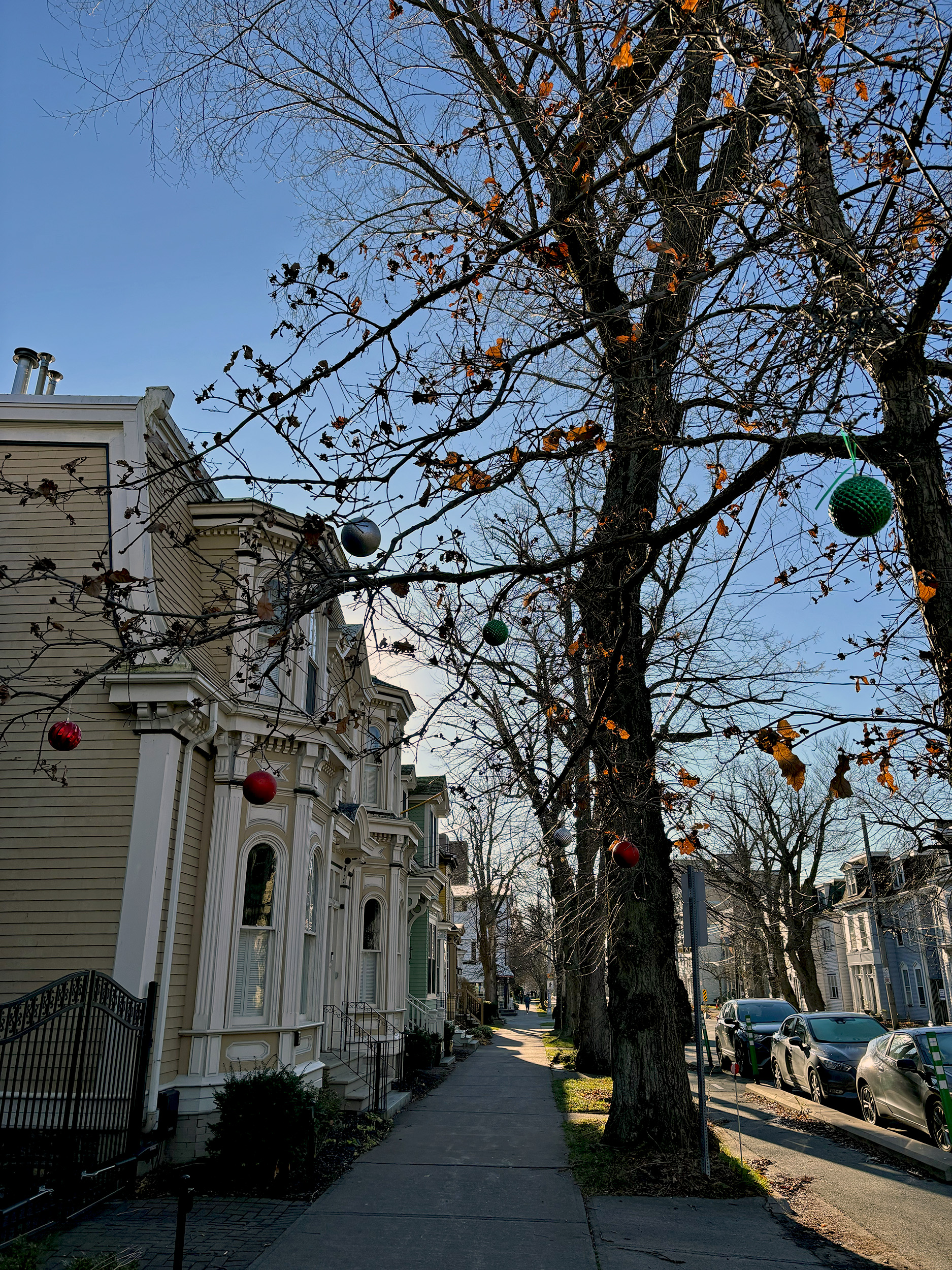
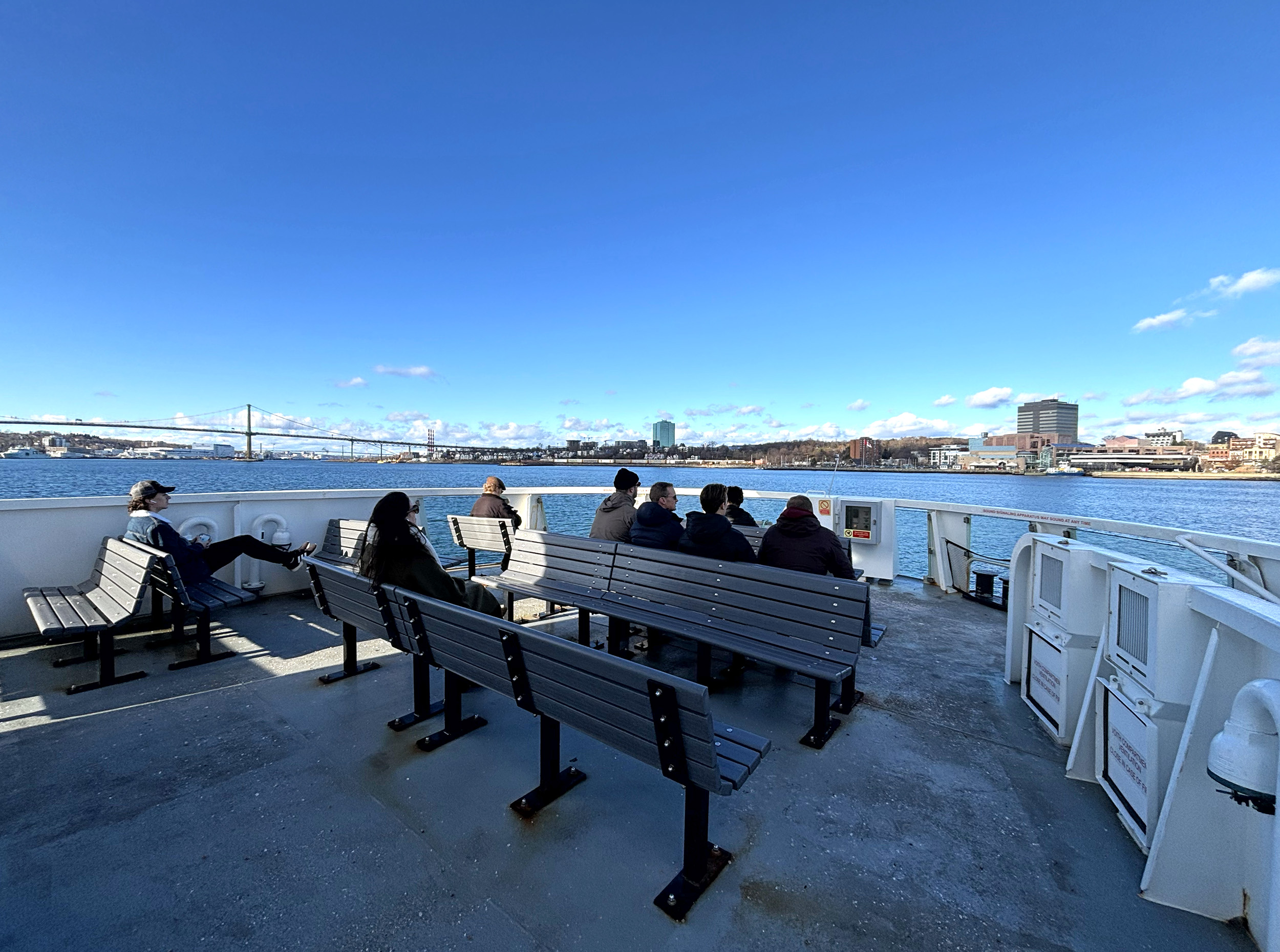
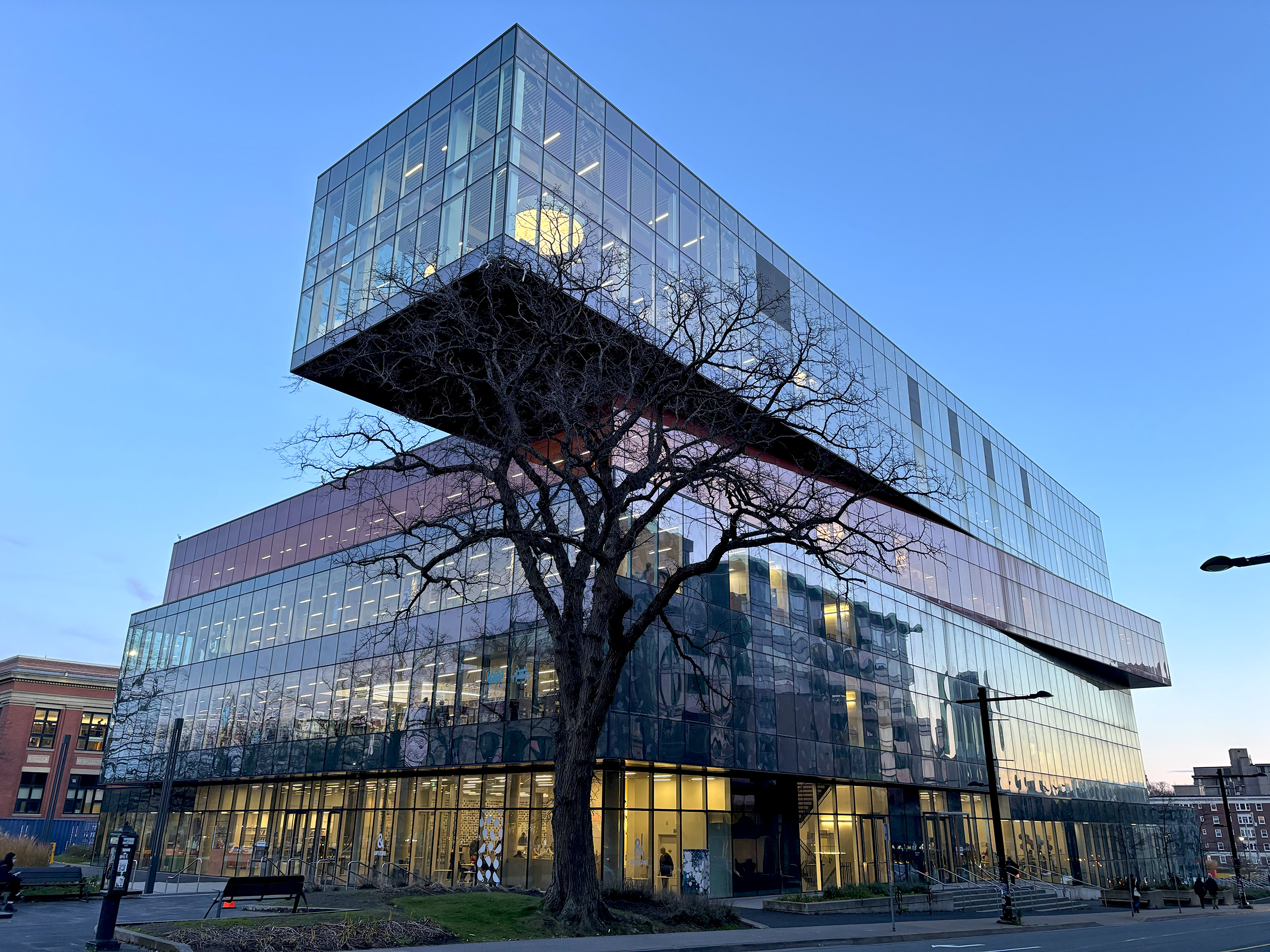
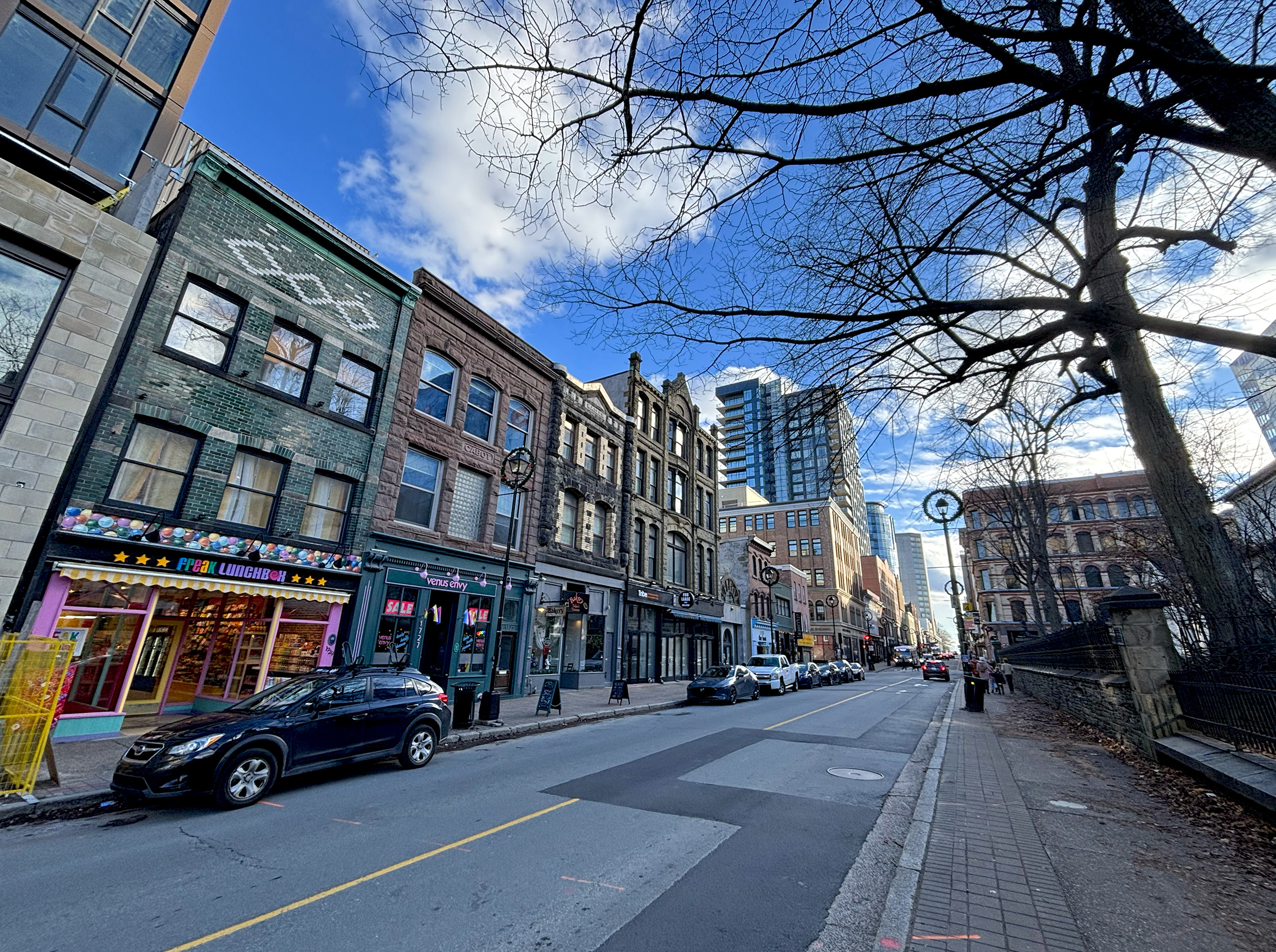
As cities go, Halifax is relatively small, not even making Canada’s top 10 by population. But it certainly packs a punch, and having gotten here with little planning and almost zero expectation, I suddenly find myself strapped for time. Steeped in history and a rich maritime legacy, Halifax is blessed with an envious setting on the Atlantic. Boasting a thriving waterfront, an imposing citadel, multiple universities with vibrant downtown campuses, and some glorious Victorian architecture, Halifax is very easy on the eyes. It’s home to the oldest saltwater ferry service on the continent, one of the oldest public gardens in Canada, and a tradition of beer-making that dates back to 1820. It also has the distinction of being the furthest east one can go on Canada’s expansive rail network, and by extension, the continent of North America. In completing this journey on The Ocean, I’ve now covered – albeit over successive trips – the country’s rails from west to east. Not one for the record books, admittedly, but a feeling of accomplishment all the same : )
A full set of photos from my two rail journeys can be viewed on my Flickr.
 brat's ramblings