
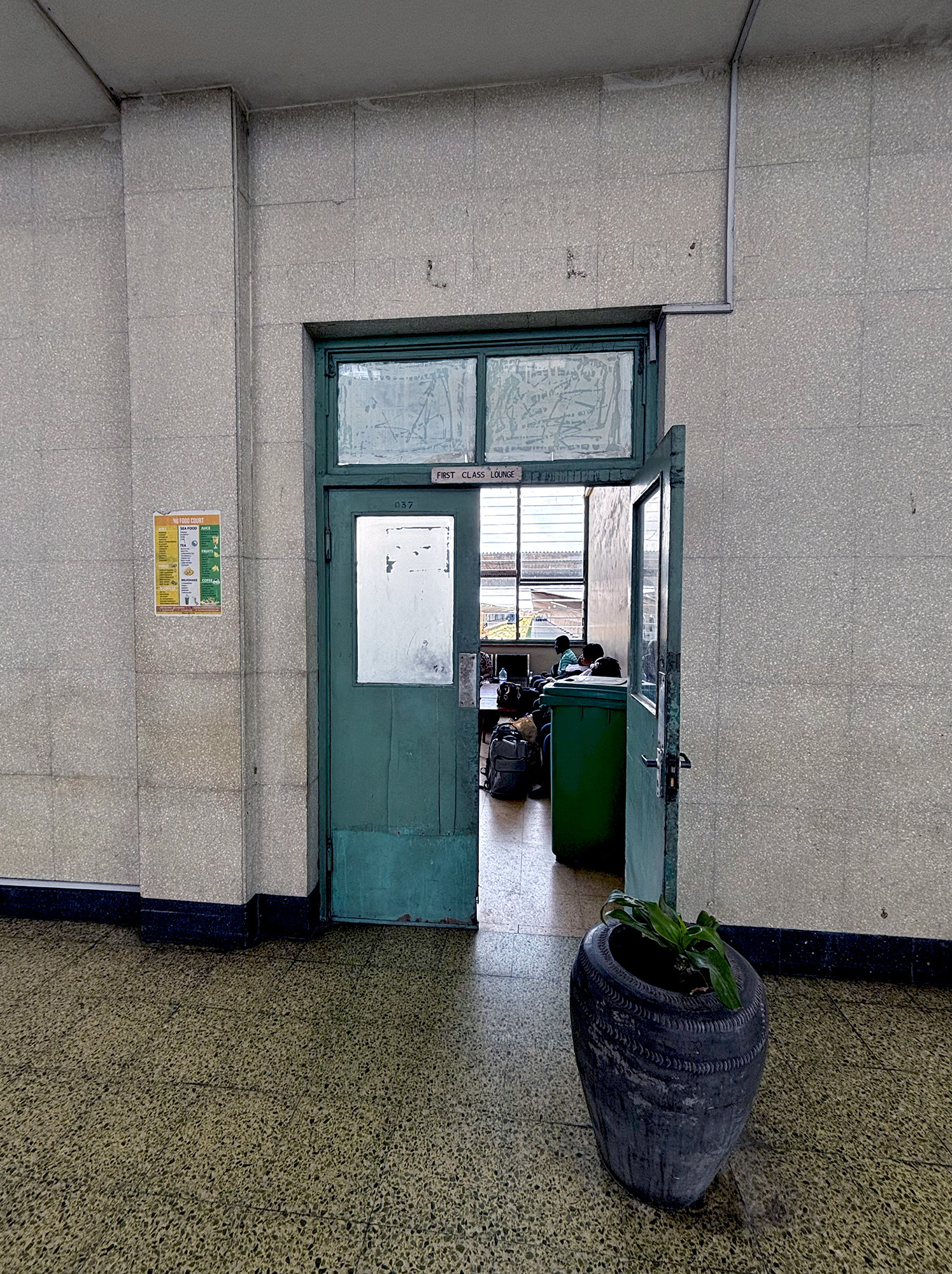
The “First Class Lounge” at Tazara’s Dar es Salaam terminus has certainly seen better days. Not every seat that’s empty is actually useable. The ceiling fans haven’t worked in a while, I’m guessing. A long queue forms for the only working power outlet. Broken blinds offer a glimpse of the platforms, where there’s no activity to speak of. It’s well past our 1350 departure time and a single announcement, barely audible, is made in Swahili. No one stirs. An hour or so passes, and gradually, porters begin filing onto the platform, with loaded carts in tow. After an unexplained delay of a little over two hours, we’re finally on our way to Mbeya.
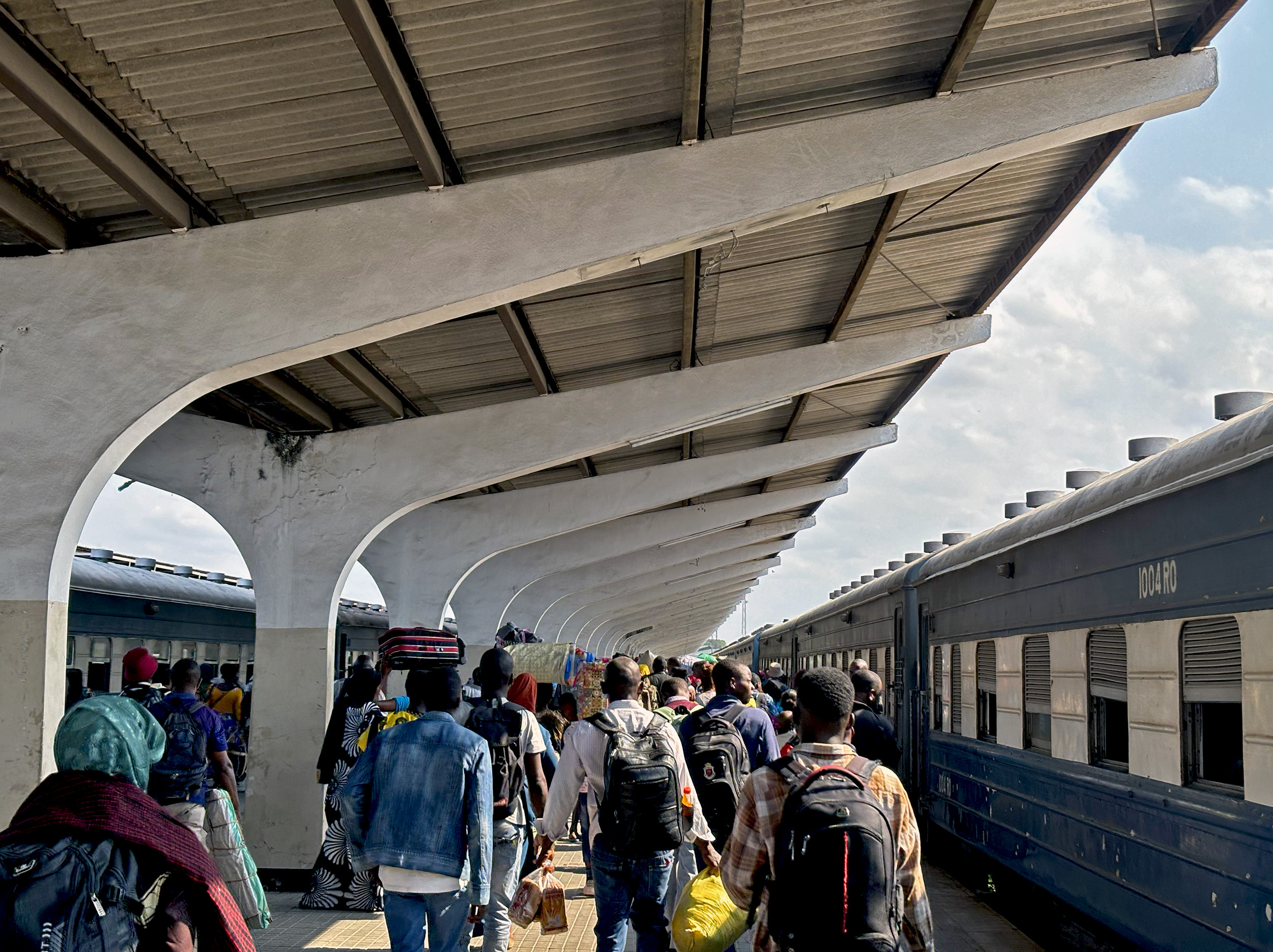
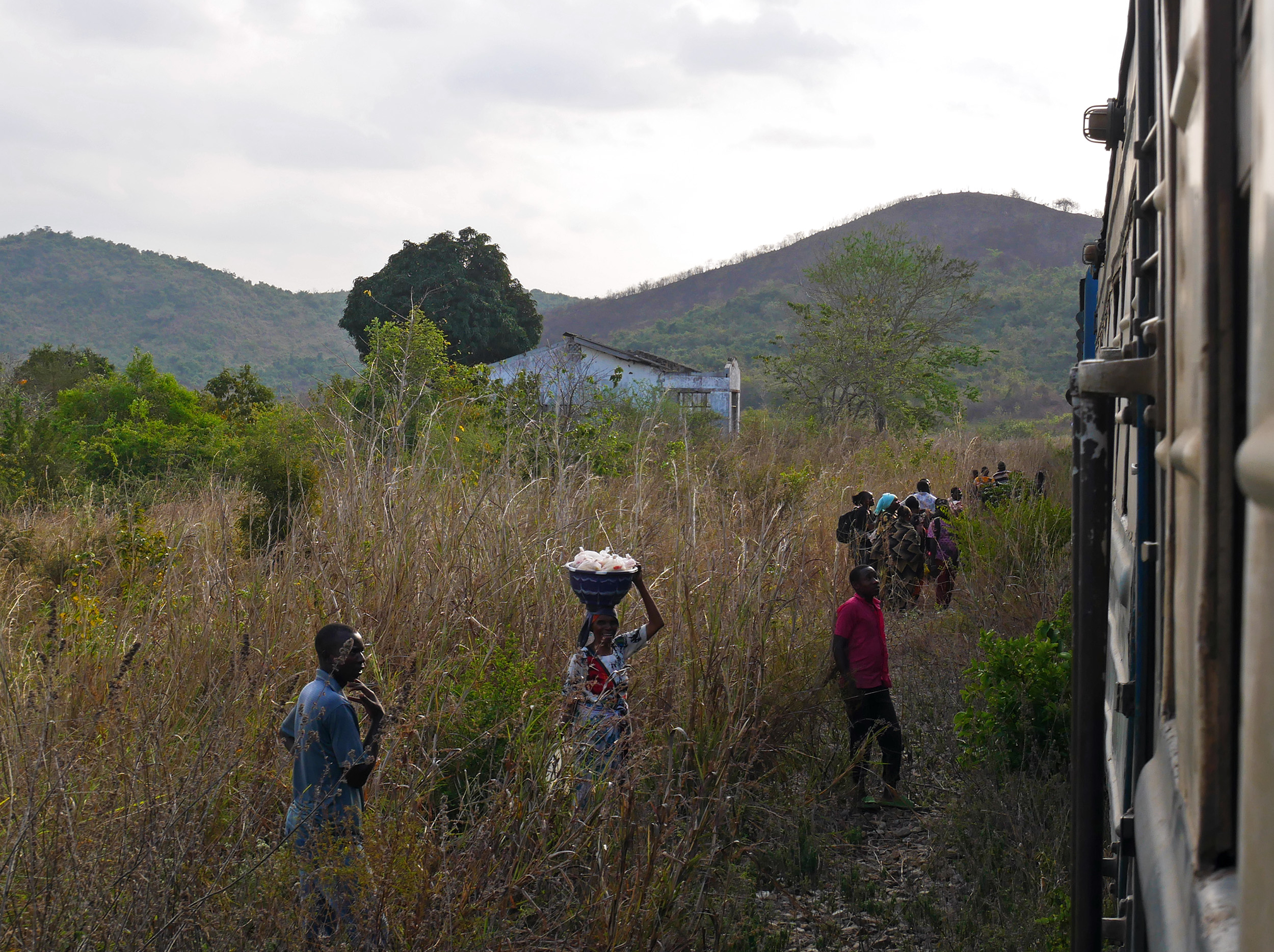
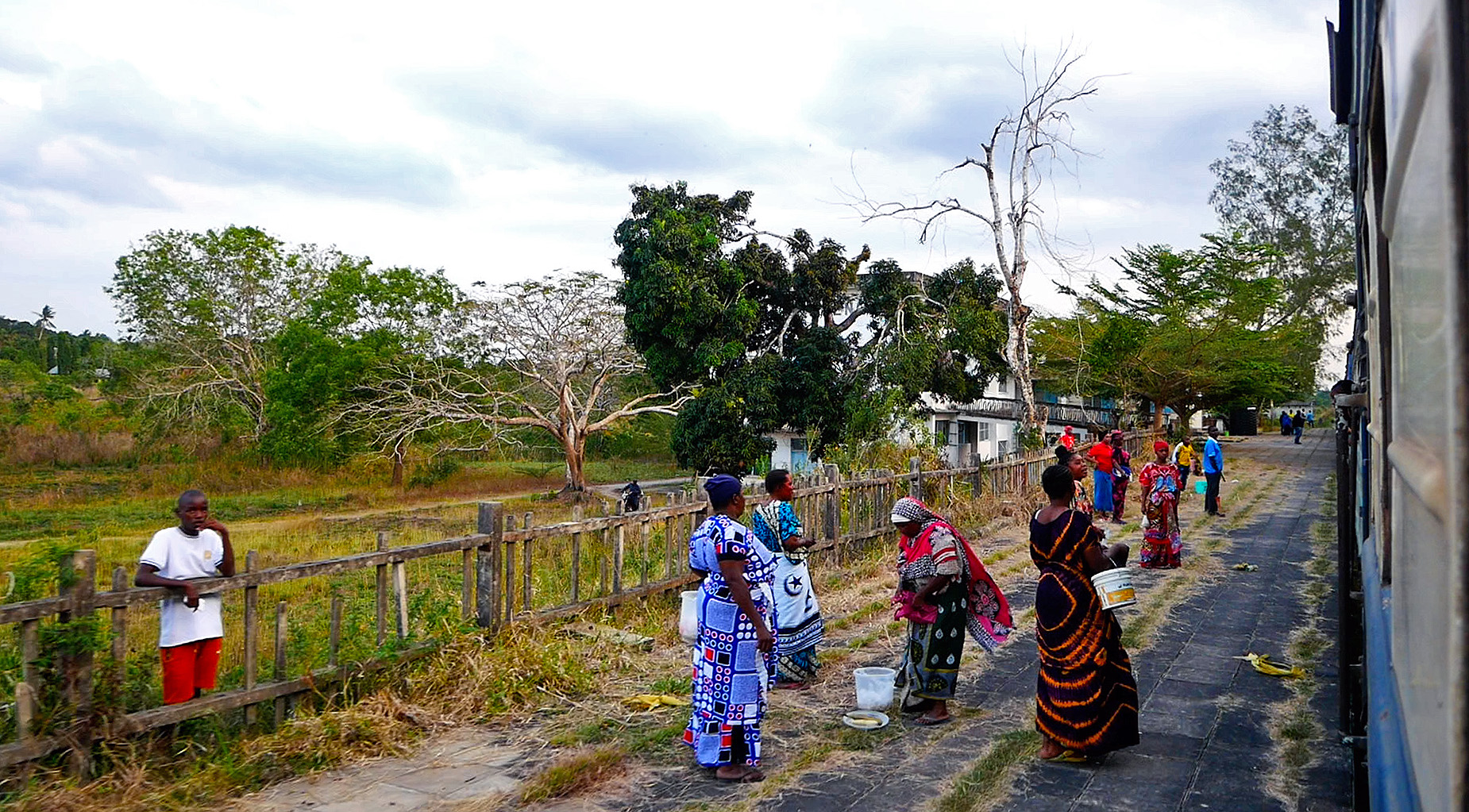
It takes a half hour to get past the outskirts of Dar es Salaam. All along, kids on their way back home from school, donning spotless uniforms, and wearing a grin from ear to ear, wave to our passing train. We climb gradually into the eastern highlands, making stops every twenty or so minutes, at middle-of-nowhere stations, where abandoned administrative buildings stand resolutely, and the undergrowth is flourishing. At each of these unsung halts, the wonderful colors and patterns of traditional Tanzanian garb are on full display, as locals hawk their wares.
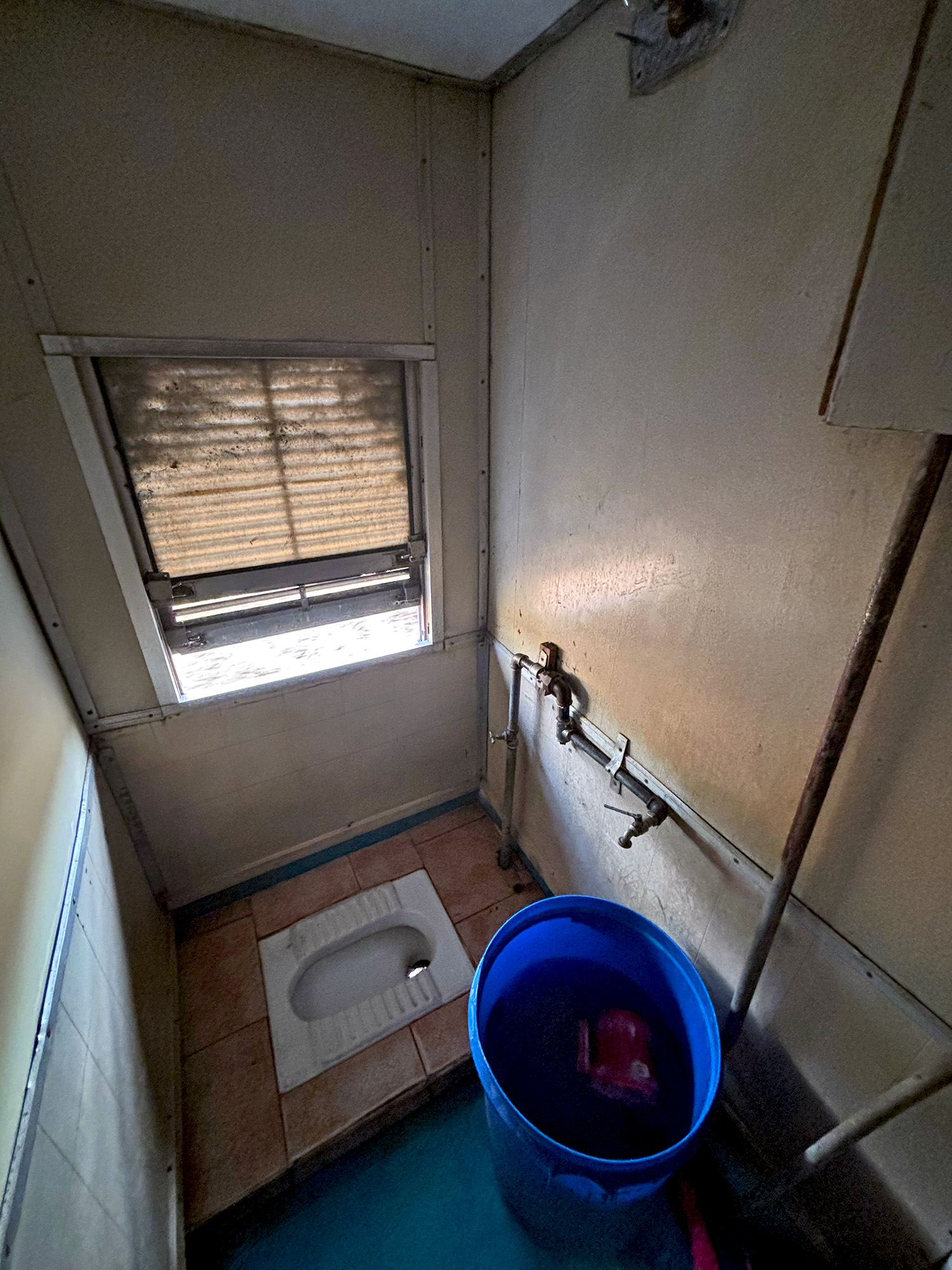
I’m traveling in first class, of which there are three such carriages on our train, each in dire need of attention. Sharing the four-berth cabin with me are a middle-aged gent and a young man, headed to midway destinations. The former is prostrate for much of the journey, and where network coverage allows, constantly yapping on his phone. The latter, who speaks a smattering of English and is on his way back to attend college, is largely confined to his upper bunk, deeply immersed in a video game. There is an attendant assigned to each first class carriage, and the beds were already made when we boarded, with a thick blanket and a reasonably fluffy pillow provided, all with a strong adherence to the color pink. The attendant’s primary task though appears to be topping up the large blue drum in our somewhat primitive toilet, in the absence of running water that is.
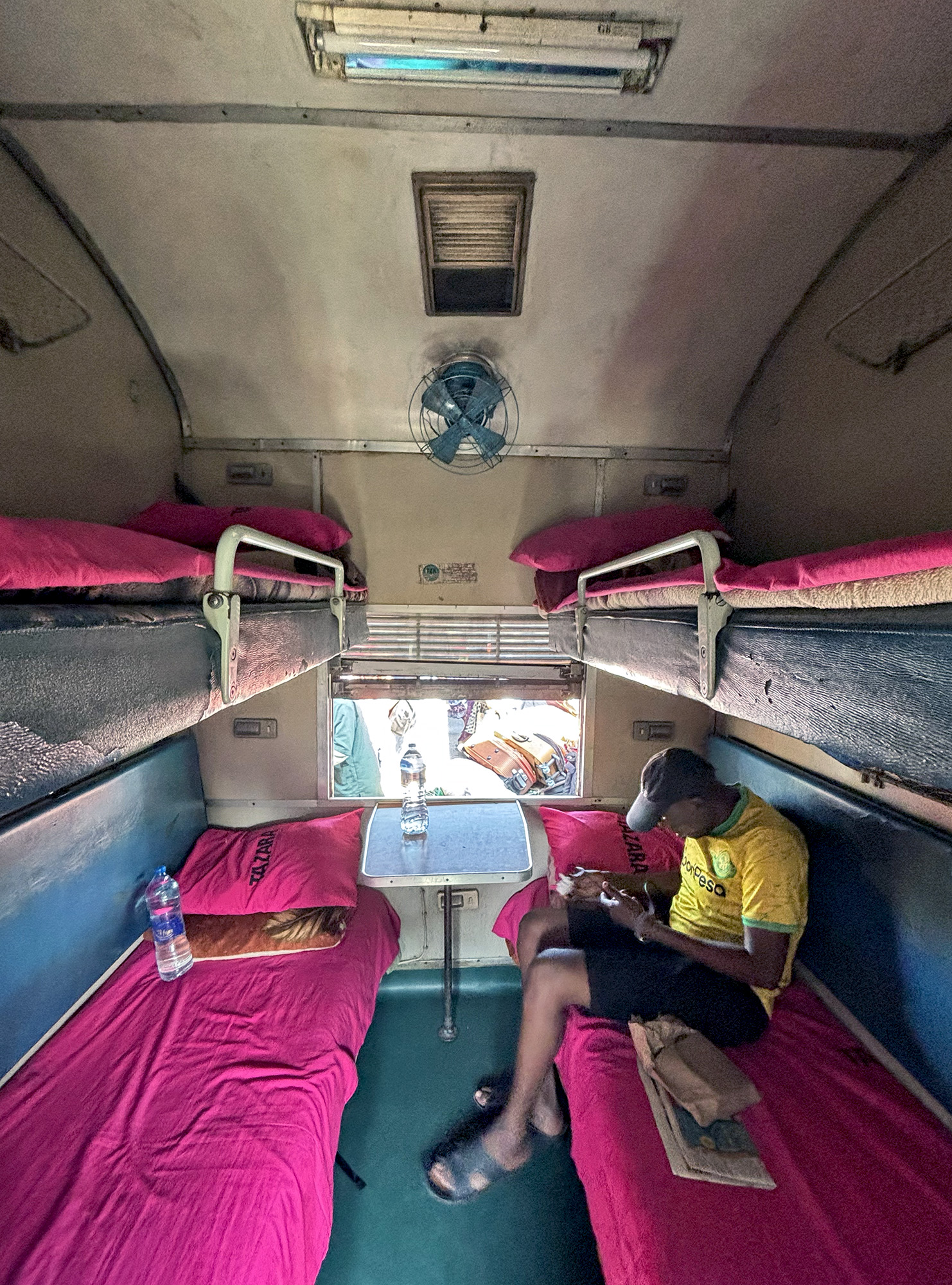
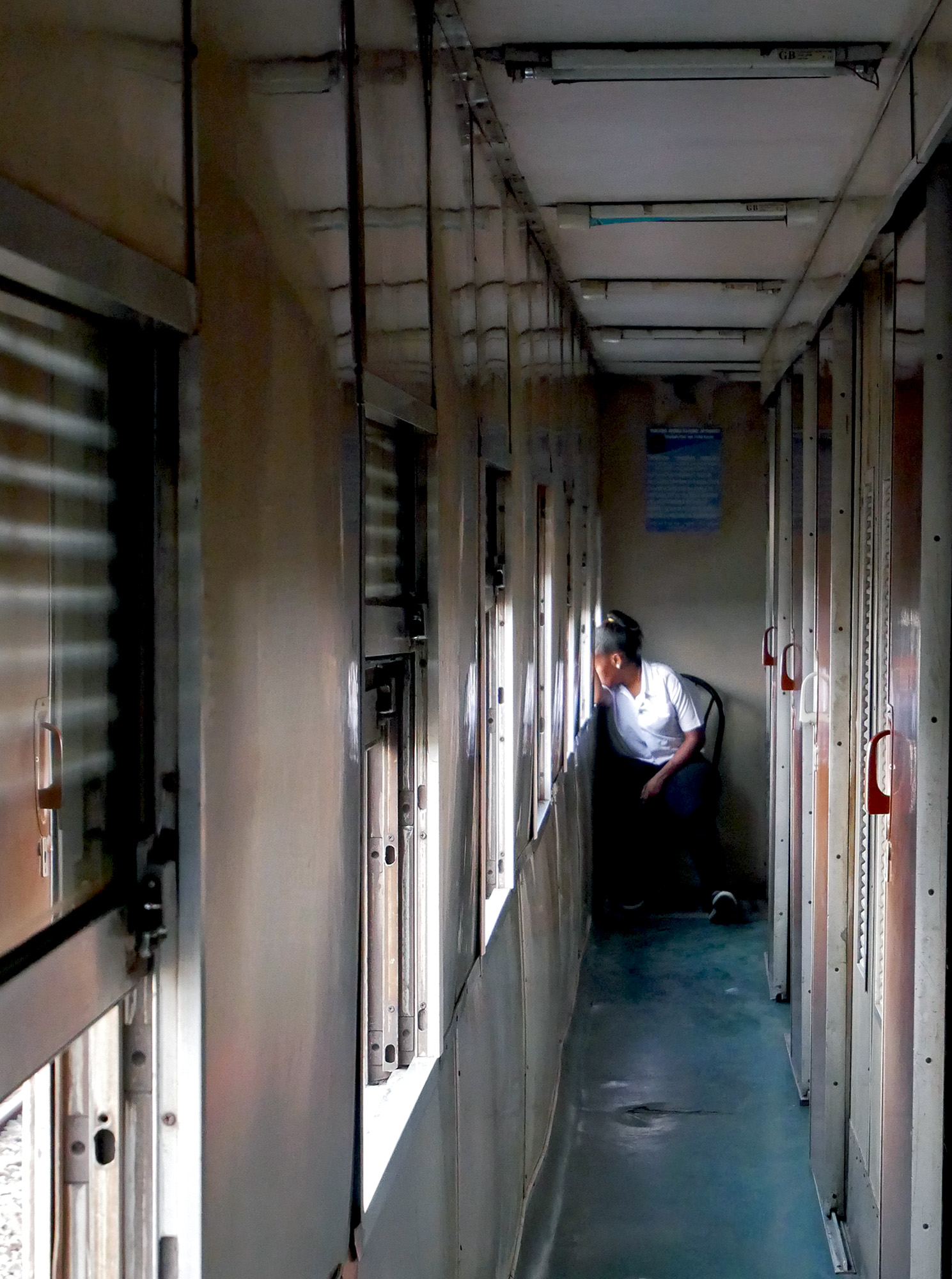
The first class carriages, and several others on our train, date from the late 70’s, when the line was first built. The Mukuba Express, that also operates on this route (each train runs a weekly service in either direction), is rumored to have the newer stock from 2016; carriages of both eras being of Chinese lineage. The dining car on our train happens to be one of those newer carriages, and being less than a decade old is in fairly good nick too. It’s also very well patronized, with three patrons seated side by side at most tables. While English may not be so free-flowing, chilled beers certainly are, and everyone’s very friendly, and of course, accommodating. There are four internationals on the train other than myself – two Japanese guys, unknown to each other; a solo female traveler from South Korea, and an American. They’re all youngsters, each of them seated on separate tables, gradually getting to know their fellow travelers from Tanzania, and vice versa. The very benefit of communal dining, which only a train journey can afford.
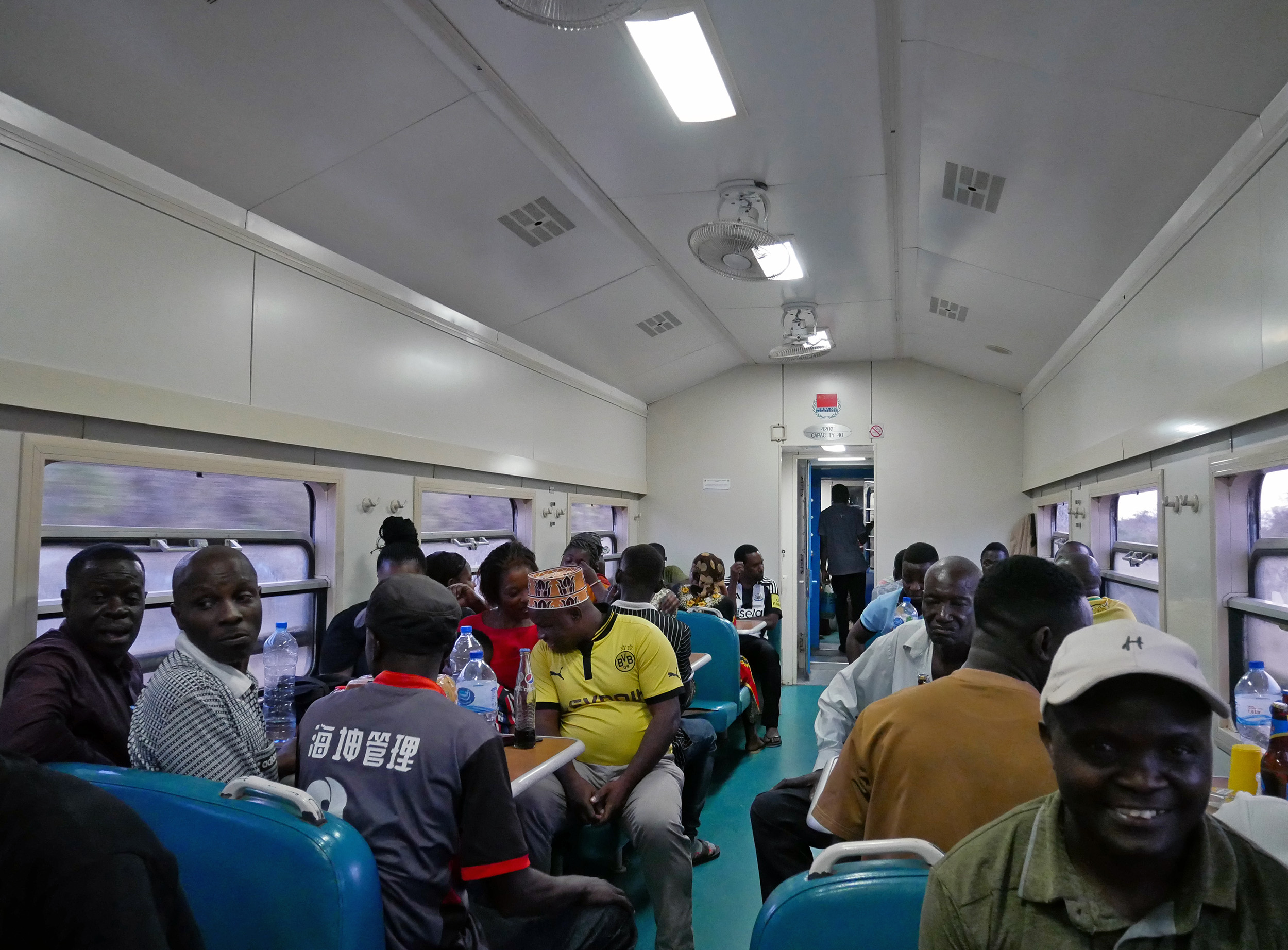

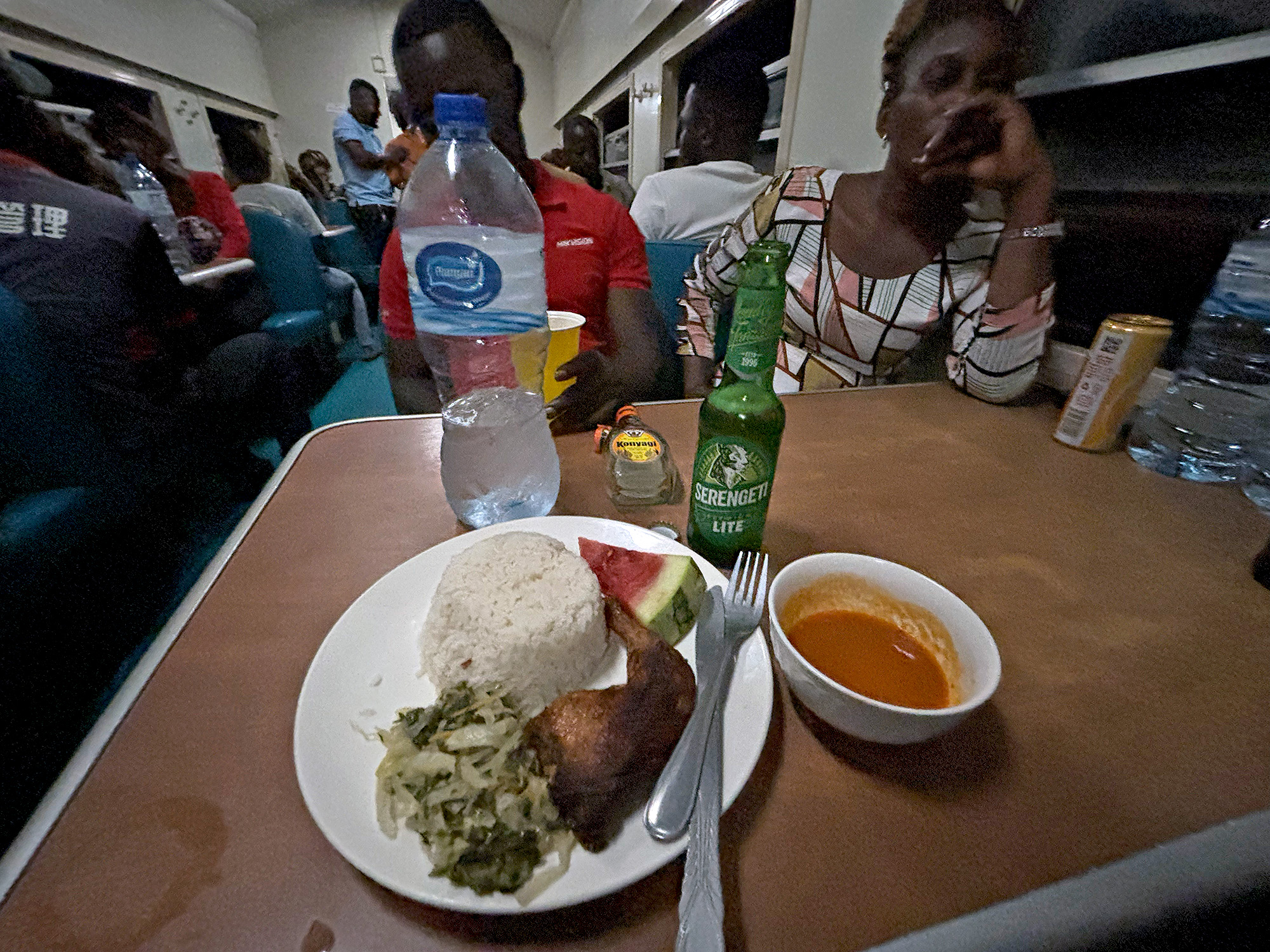
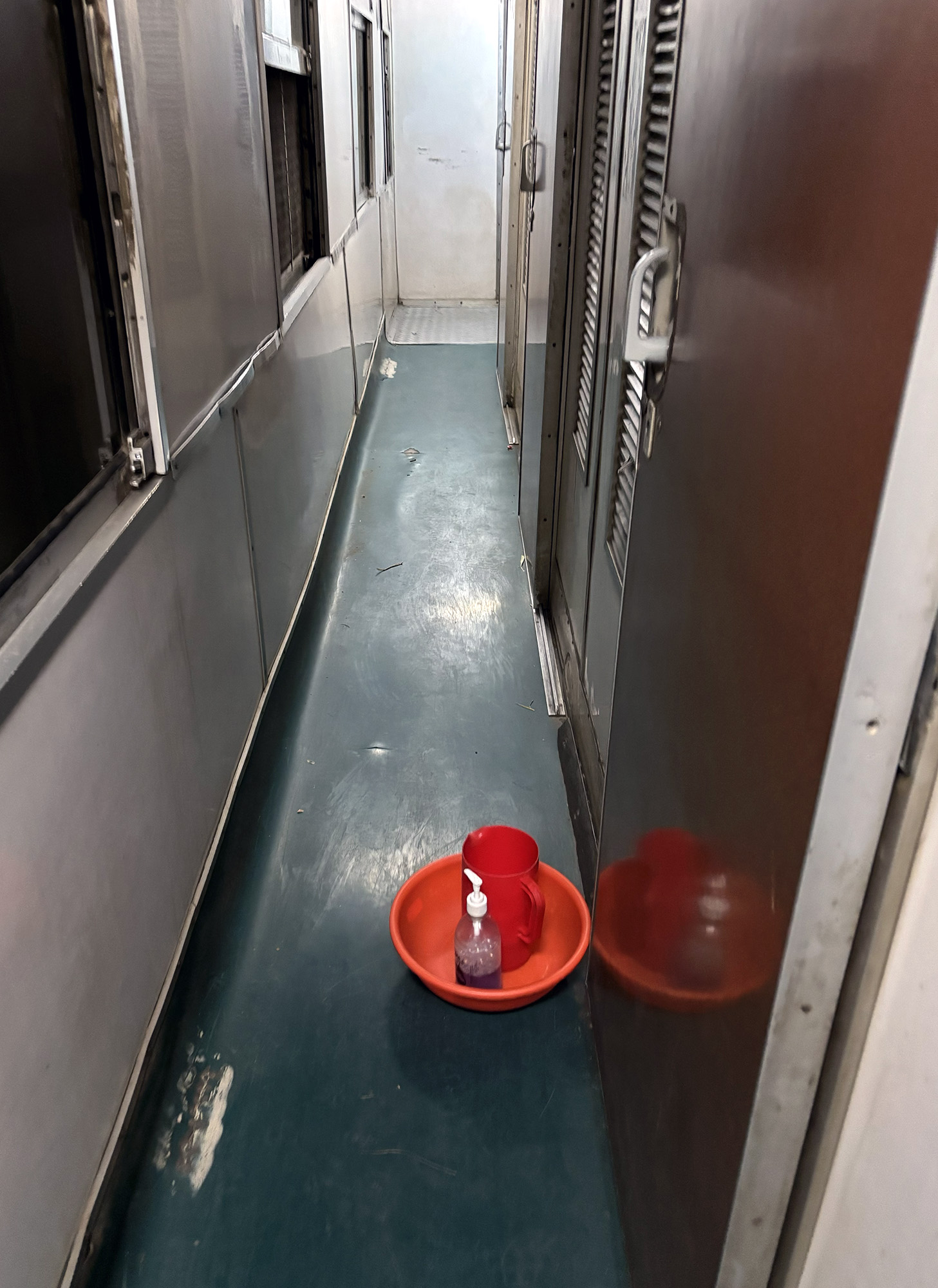
A simple but very tasty dinner of grilled chicken and rice is had, with an accompanying sauce, veggies similar to mustard greens, and a slice of watermelon to cleanse the palate. That, along with a couple of beers sets me back a grand total of $4. That exceptional value includes a ritual that I would happily pay extra for. Before your meal is brought to you, the server appears with a kit, dispenses liquid soap, and then pours water from a jug into a large bowl, all while you wash your hands. This unique, and most convenient hand wash facility is an integral part of meal service on Tanzania’s long-distance trains, apparently, whether served at your cabin, or in the dining car. Sophistication doesn’t always come at a price.
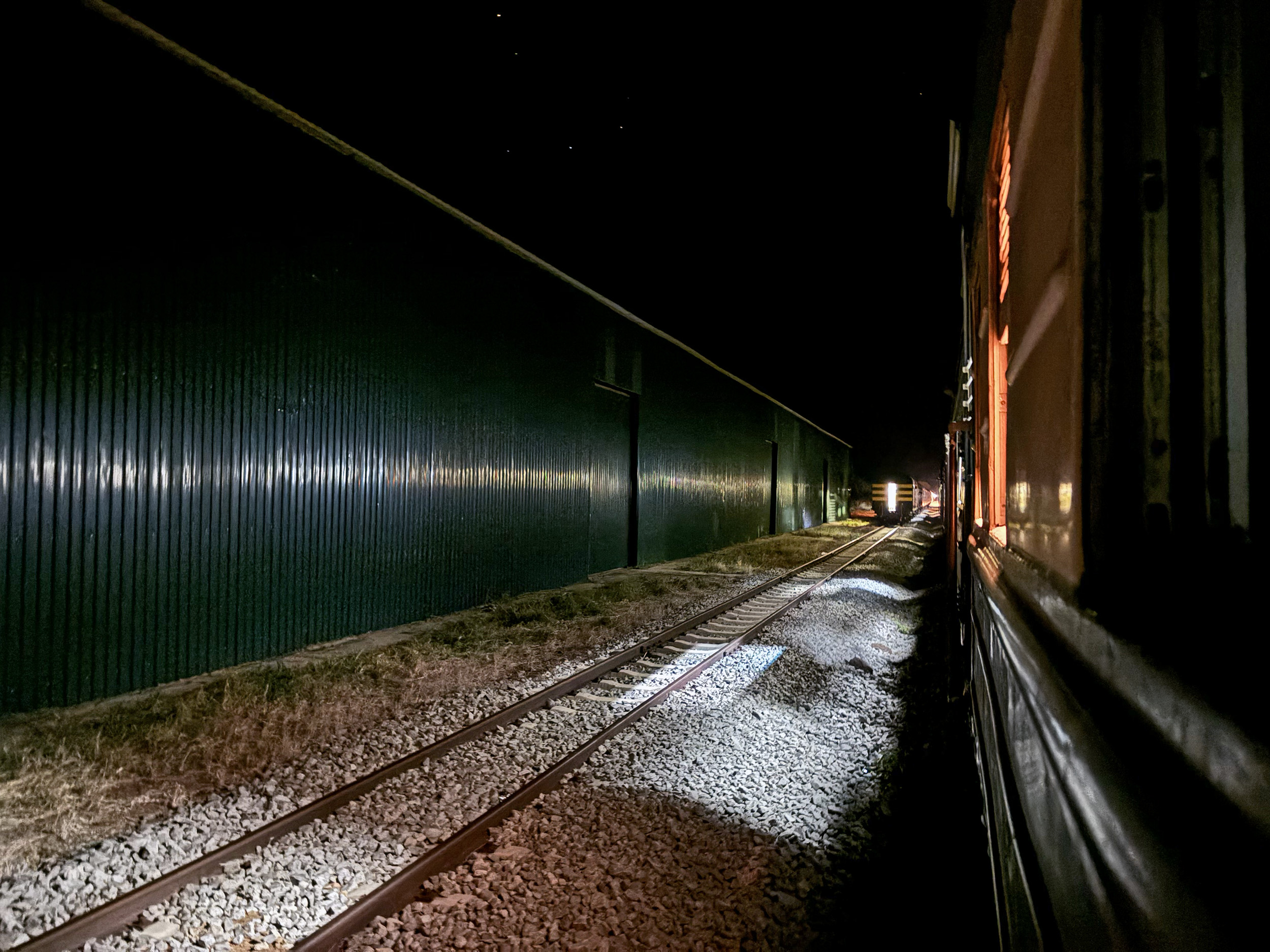
An open window is one of the greatest joys for any rail fan. We typically make do with a little opening on the top, so to have one that opens entirely, without any bars or grilles to blemish the view, is like hitting the jackpot. It’s 830 pm and right before turning in, I peer out of the window to see where we’ve stopped, and what the hold up is this time. It’s a crossing station, and Rovos Rail’s “Pride of Africa” luxury train, a 15-night odyssey between Dar es Salaam and Cape Town, has been sidelined to make way for our Ordinary Passenger to Mbeya. It’s a sight for sore eyes, and a train I very much hope to ride someday. The moment passes in a flash. Darkness returns. And I now realize that window won’t close. Oh well!
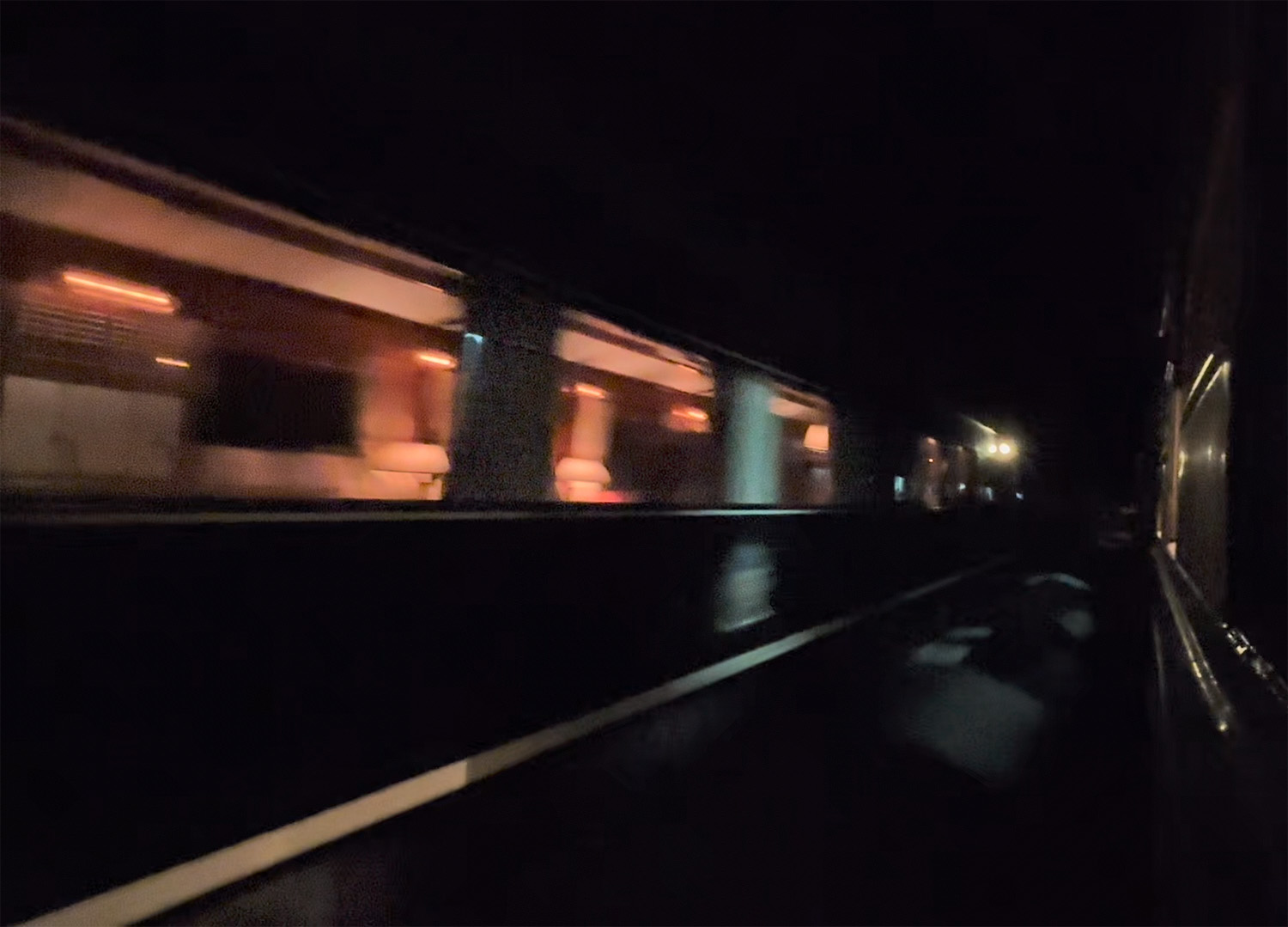
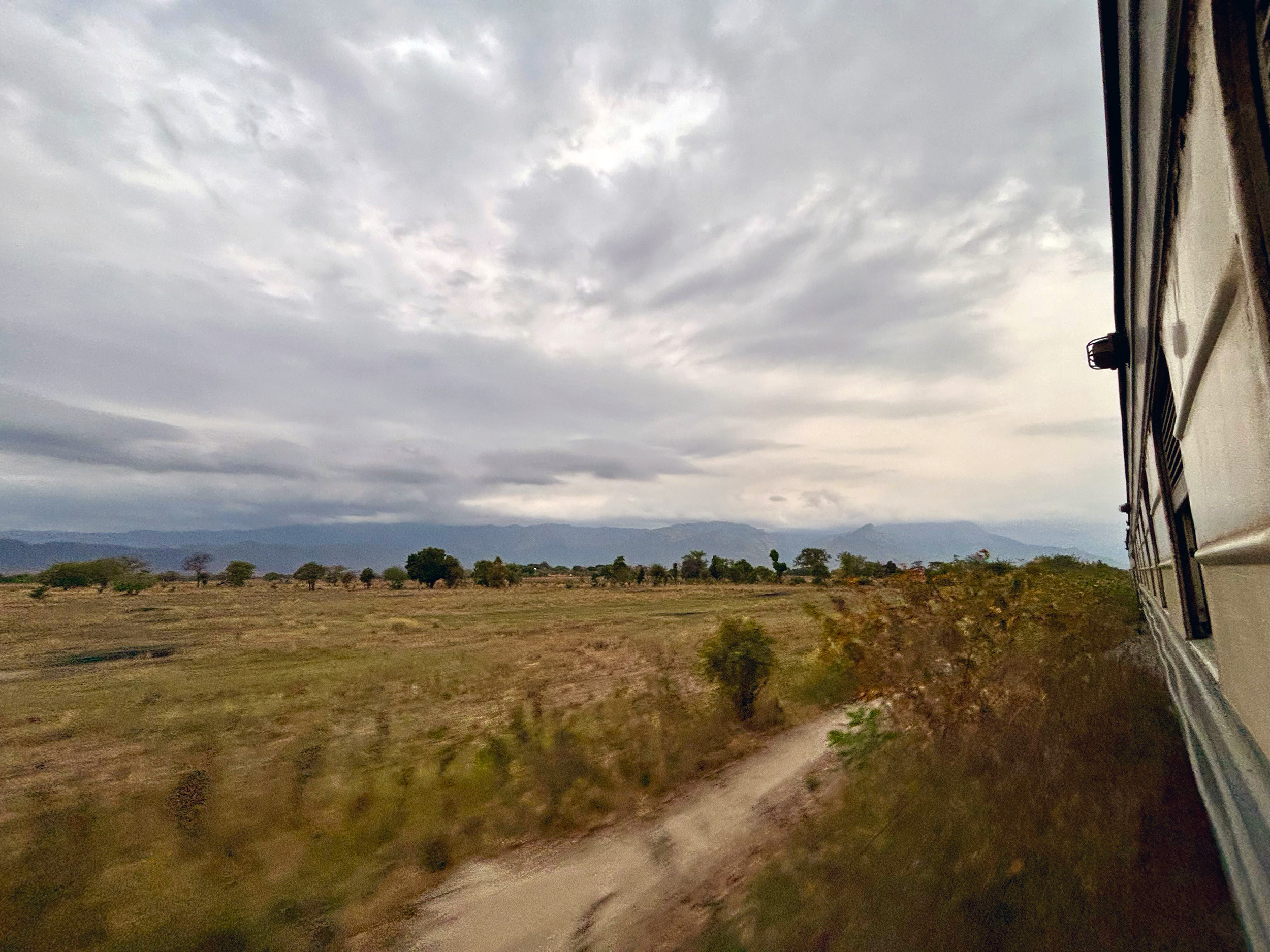
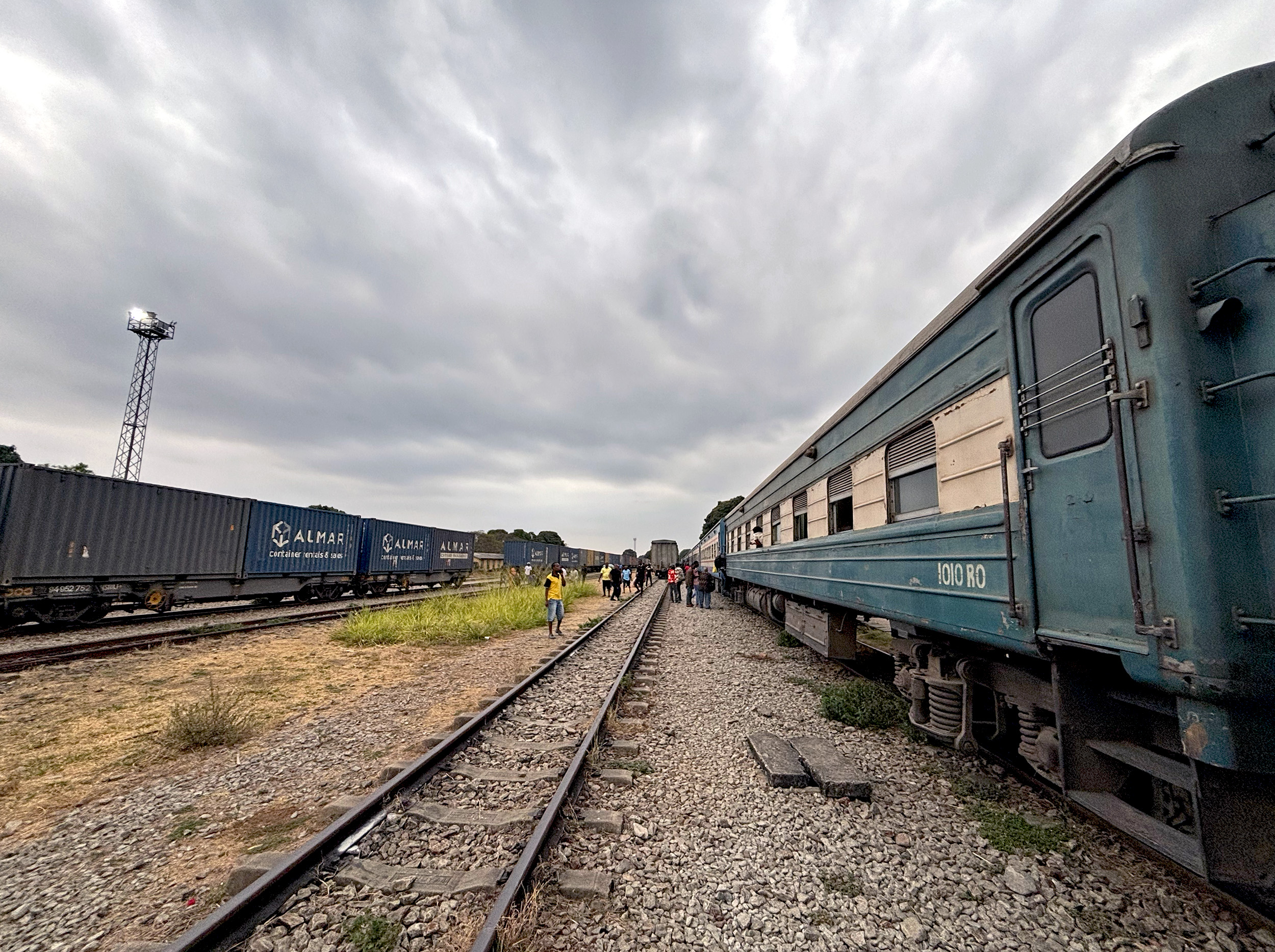
I awake to views of sprawling farmland and the Udzungwa Mountains in the distance. We’re running a little over 5-hours late by now, having lost a few overnight, and gradually slowing for a halt at Mlimba (The Kingdom of Elephants, in Swahili), a town in south-central Tanzania. There’s an eastbound container train awaiting the crossing at Mlimba, and to my surprise, another passenger train standing on the track adjacent to ours; an unidentifiable service, if one were to go strictly by the timetable. But judging by our leisurely hour-long halt here, there is really no time keeping to speak of. I can’t help but wonder how much better the Mukuba “Express” fares on this route.
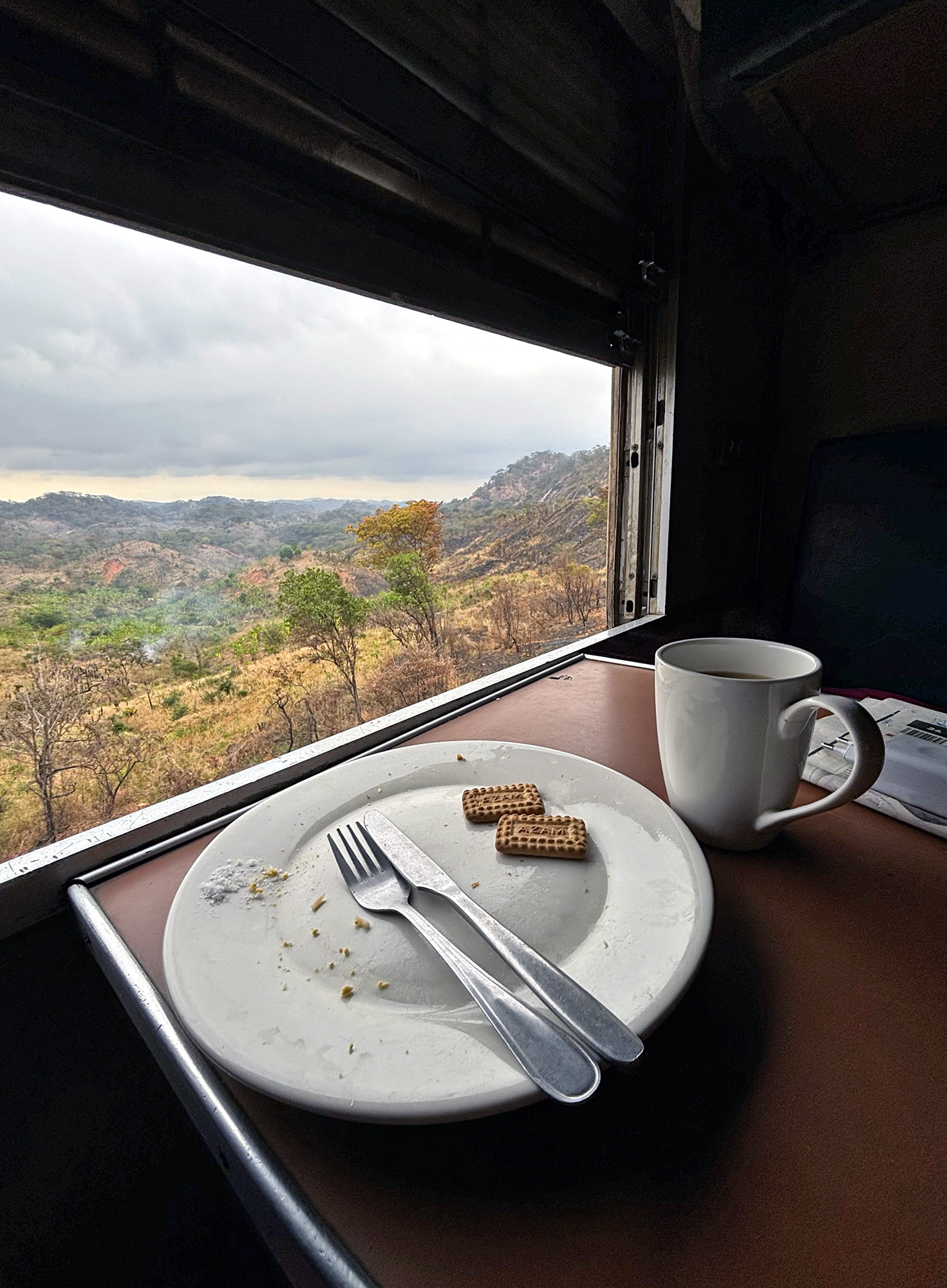
As we set off from Mlimba, a familiar face peeks in through the cabin door. It’s the gent who had served me my dinner last night and is now taking orders for breakfast. As much as I love a dining car, I’m quite cozy at the moment, wrapped in a blanket and enjoying the morning chill through the very window that refused to close. I indulge and order the “western breakfast”, which sets me back four thousand shillings, the equivalent of a dollar and sixty cents. It arrives not long after, still impressively hot, comprising a single frankfurter, a boiled egg, two slices of bread, and as if the carb count weren’t sufficient already, a serving of plain spaghetti as well. Now I’m really curious to what the regular breakfast might be. Meanwhile, we’ve begun a gentle climb into the southwestern highlands, and the first meal of the day couldn’t have arrived at a better time.
The Tazara (Tanzania Zambia Railway Authority) line, or the TanZam Railway as it’s referred to, was completed in 1975, with full funding, and a great deal of assistance provided by the Chinese; the much maligned communist power rising to the occasion, when not a single Western nation was forthcoming. The 1160-mile (1860-km) route connected Kapiri Mposhi, in the heart of Zambia’s copper belt, with the Port of Dar es Salaam, providing land-locked Zambia access to the sea without having to rely on white-ruled territories. Spearheaded by Kaunda and Nyerere, two of the most influential African leaders of the time, this was a great project. In theory, at least.
The railway fell into rapid decline in the 90’s, coinciding with Namibian independence and the end of apartheid in South Africa, both events leading to the opening of more freight routes for mineral-rich Zambia. A half-century on, the railway today is a shadow of itself. The trains, the stations, the permanent way, every aspect of the railway is worse for the wear. As a result, reliability has taken the biggest hit. For the longest time, I had planned on doing the cross-border journey to Kapiri Mposhi, but for reasons unexplained at the time of booking, passenger trains on the route were only operating on either side of the border, leaving me with the unplanned destination of Mbeya. Now that I do have the extra time though, I needn’t worry about the lack of punctuality. And besides, there’s plenty outside my wide open window to keep me occupied and well satiated.
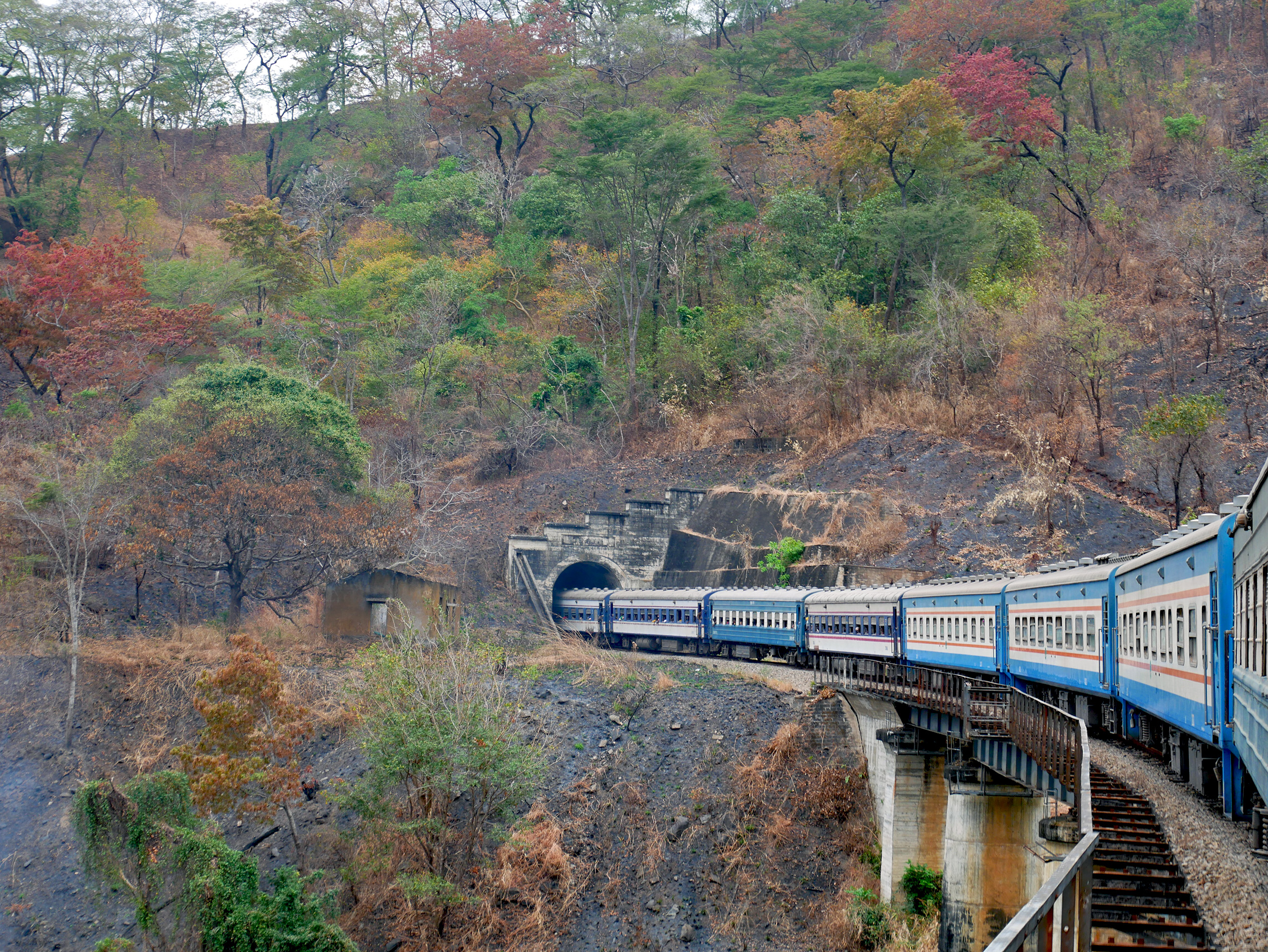
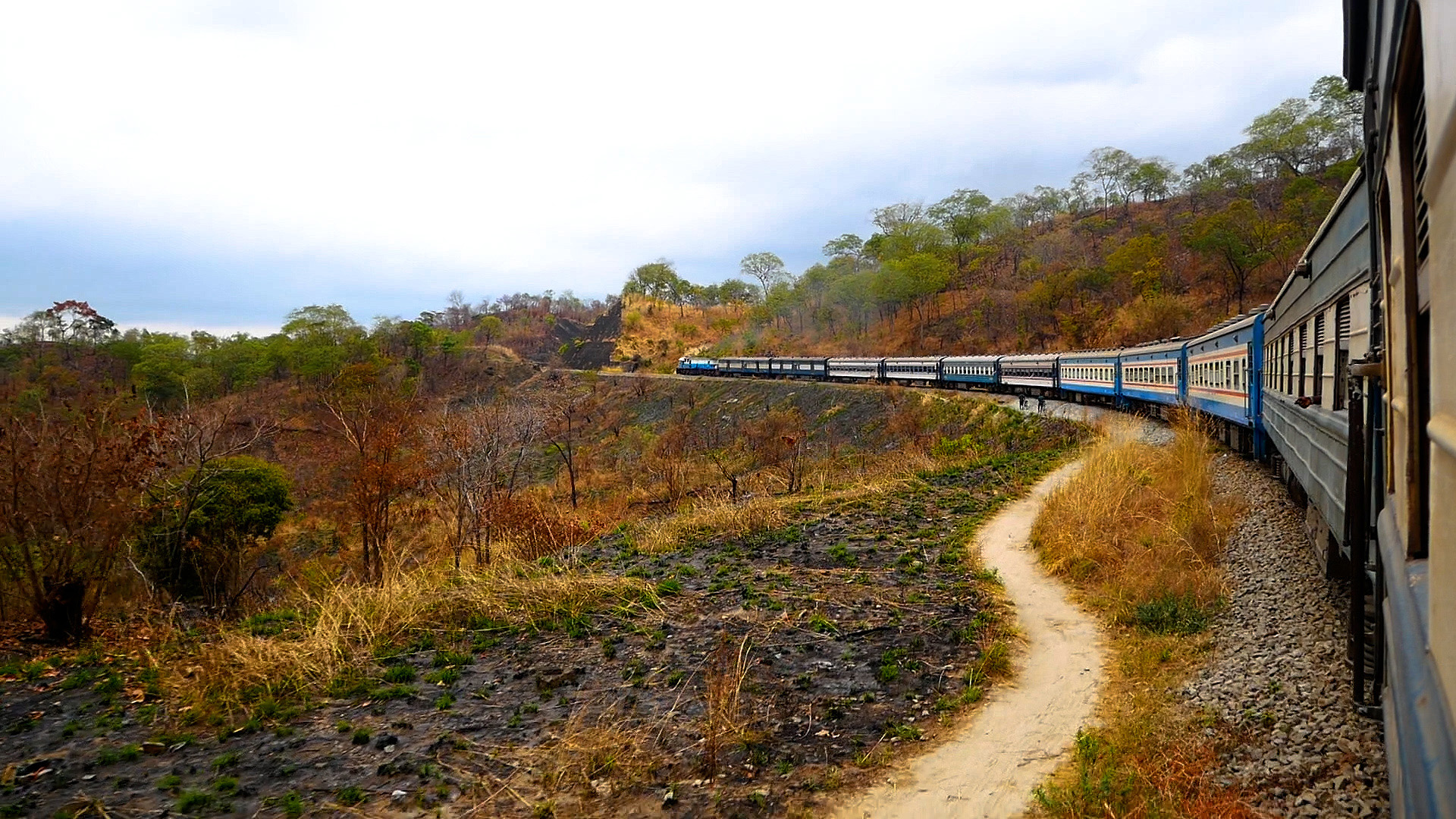
The railway took a grueling five years to build, with several thousand workers – Africans working side by side with the Chinese – involved in the construction of 93 stations, 320 bridges, 22 tunnels and a few thousand culverts. Almost thirty percent of those engineering works are located within a relatively short 10-mile (16-km) stretch west of Mlimba, and the late running of our train has surely worked to my advantage. This spectacular section would have all been covered in darkness, were we on time.
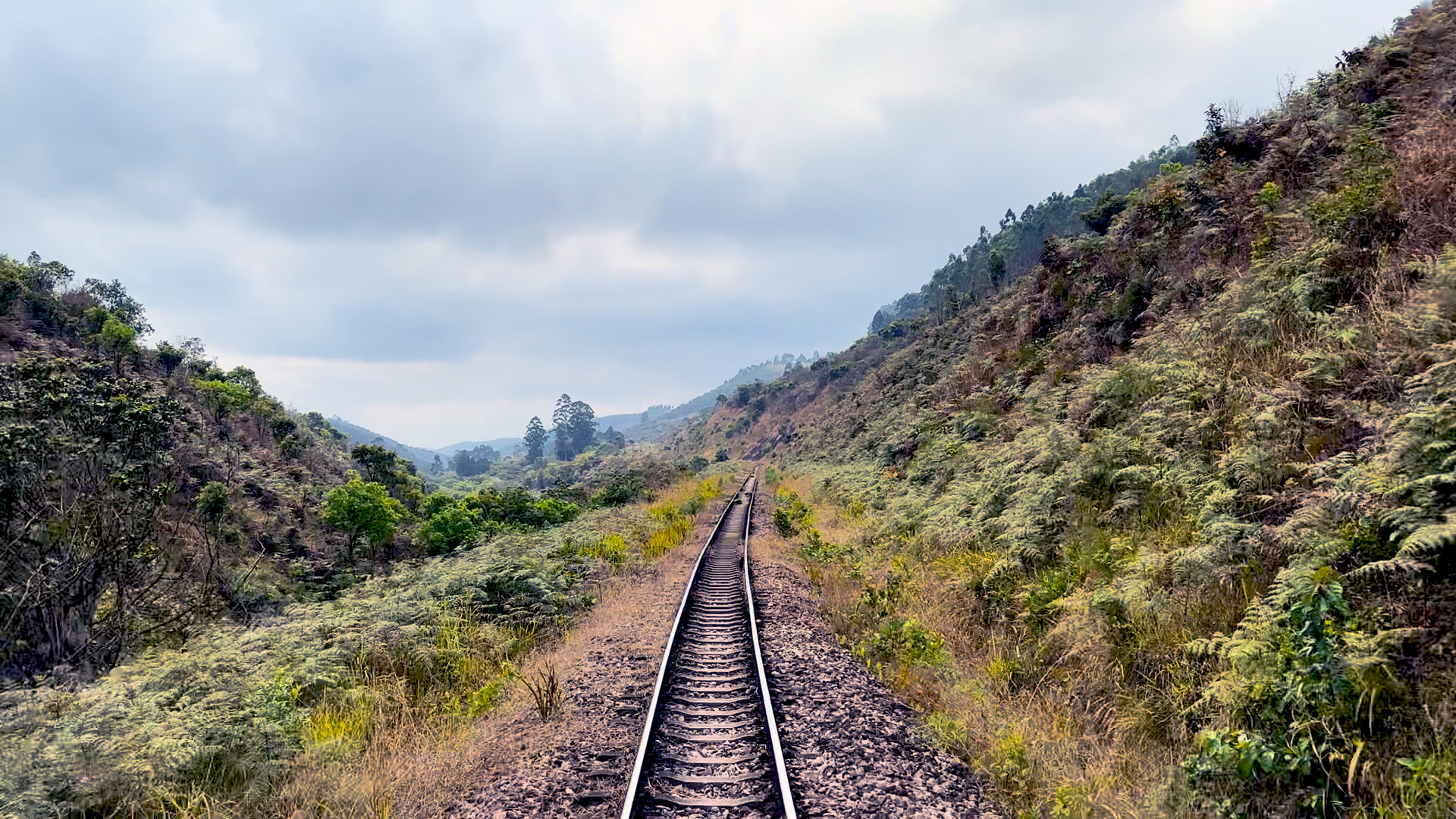
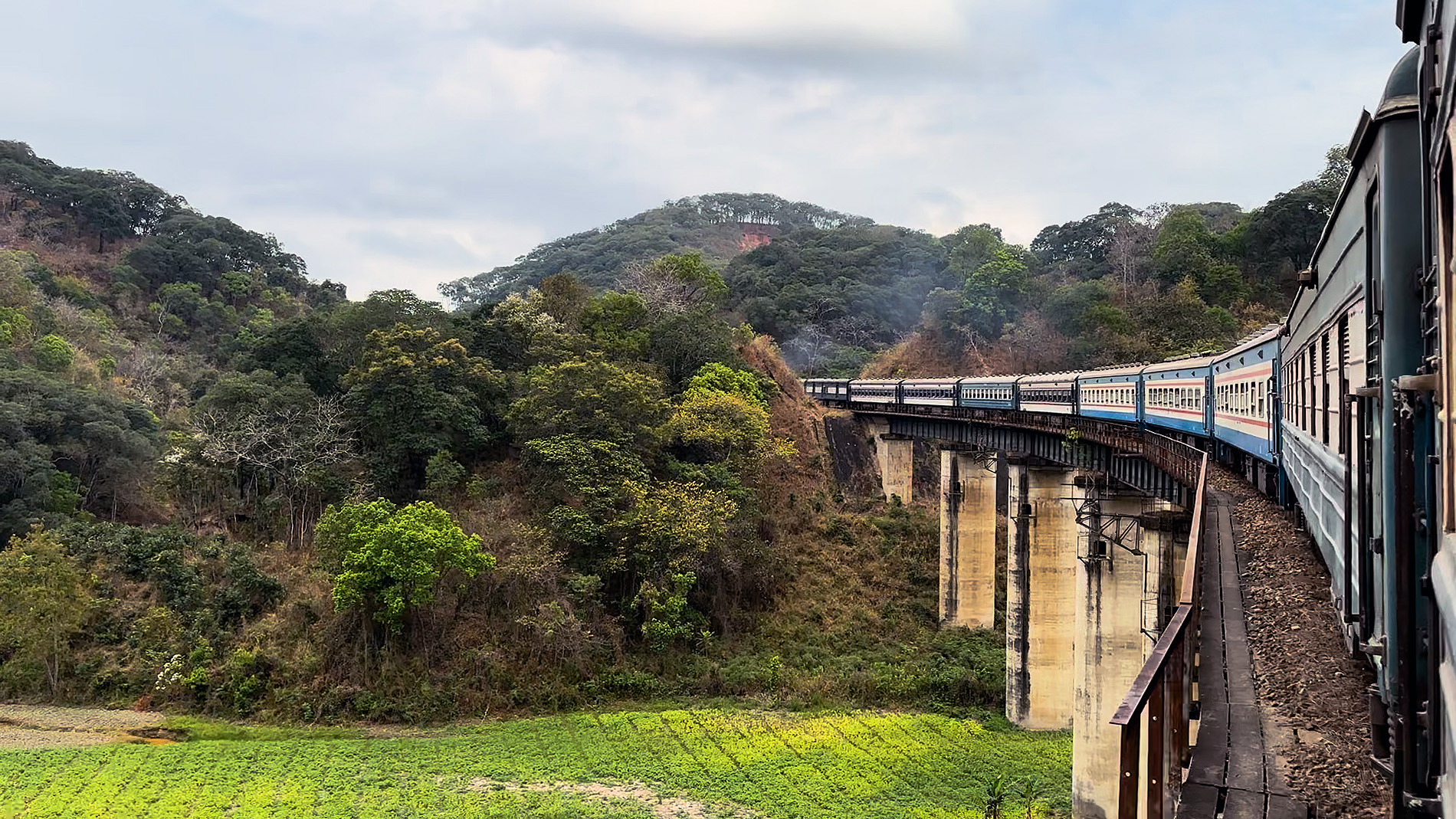
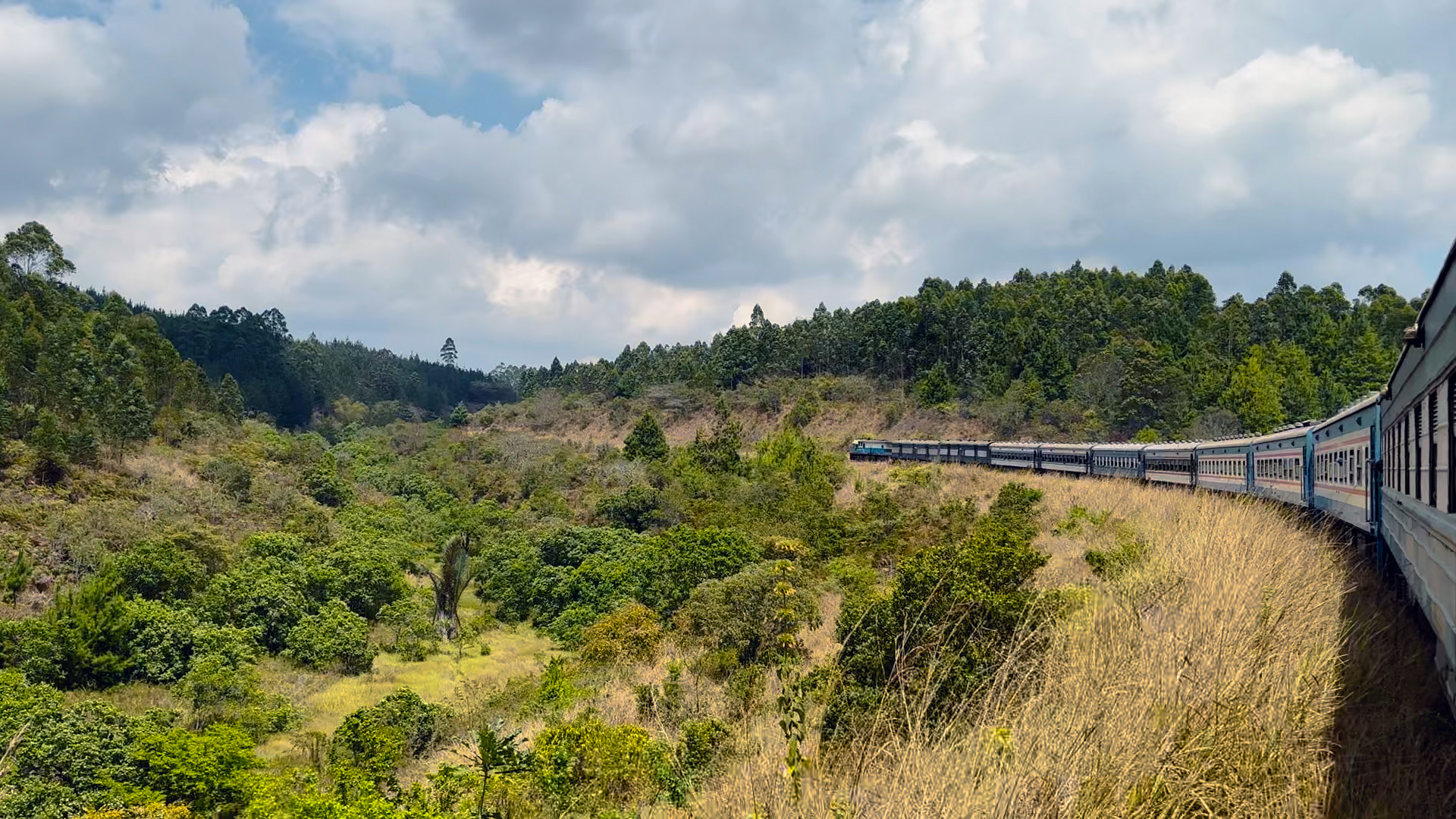
Between Mlimba and Mbeya, the Tazara route climbs over four thousand feet, reaching its highest point of 5870 ft (1789 m) at Uyole, just shy of my destination. But it’s the ~100-mile stretch between Mlimba and the next big town of Makambako, where most of that altitude is achieved; the Ordinary Passenger taking a leisurely six hours to cover the distance. Through thick forests and lush grassland, we continue our slow march towards Mbeya, the unspoiled southwestern highlands of Tanzania unfolding with every sweeping curve. Mile upon mile, and not a soul to be seen.
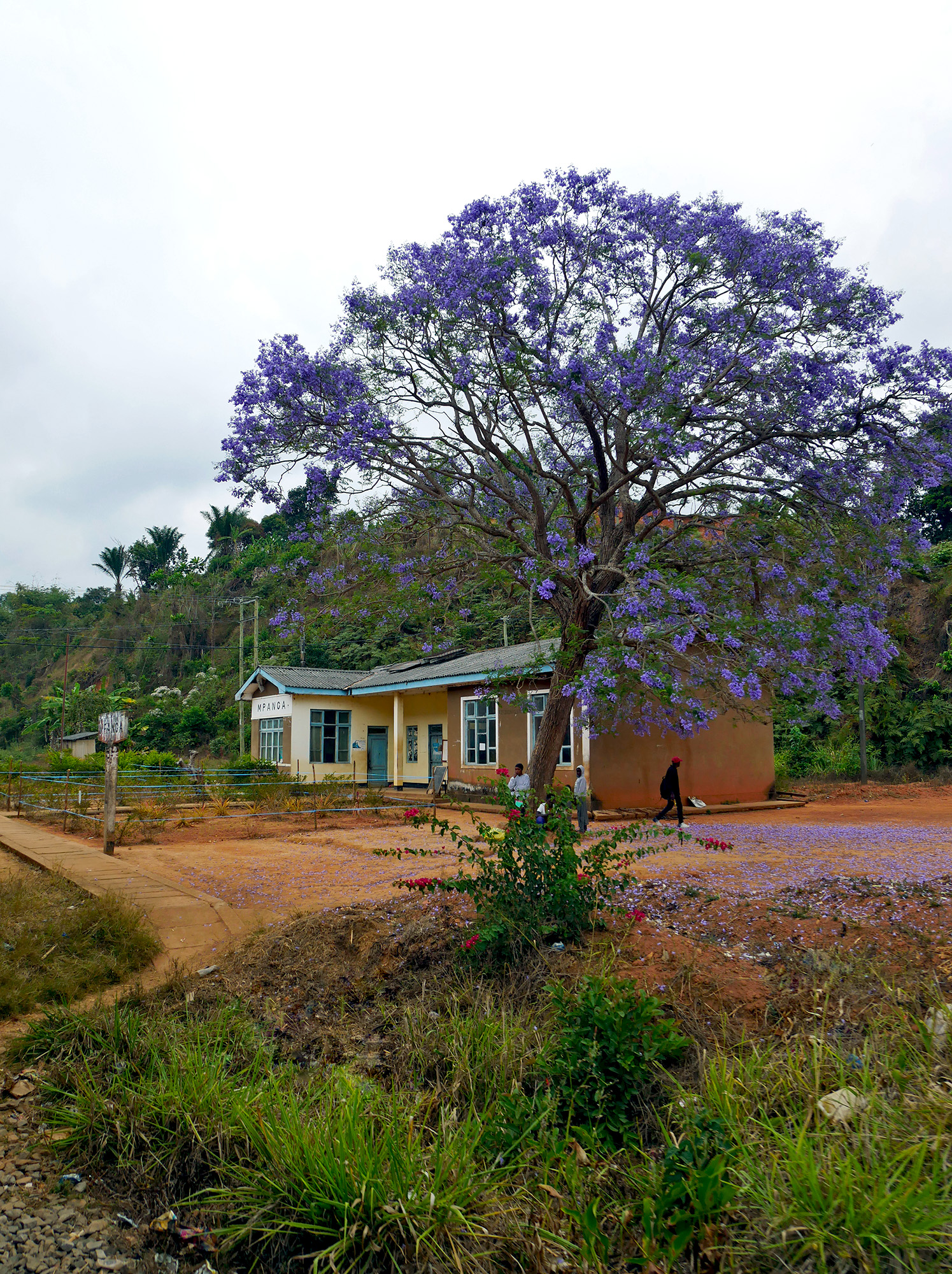
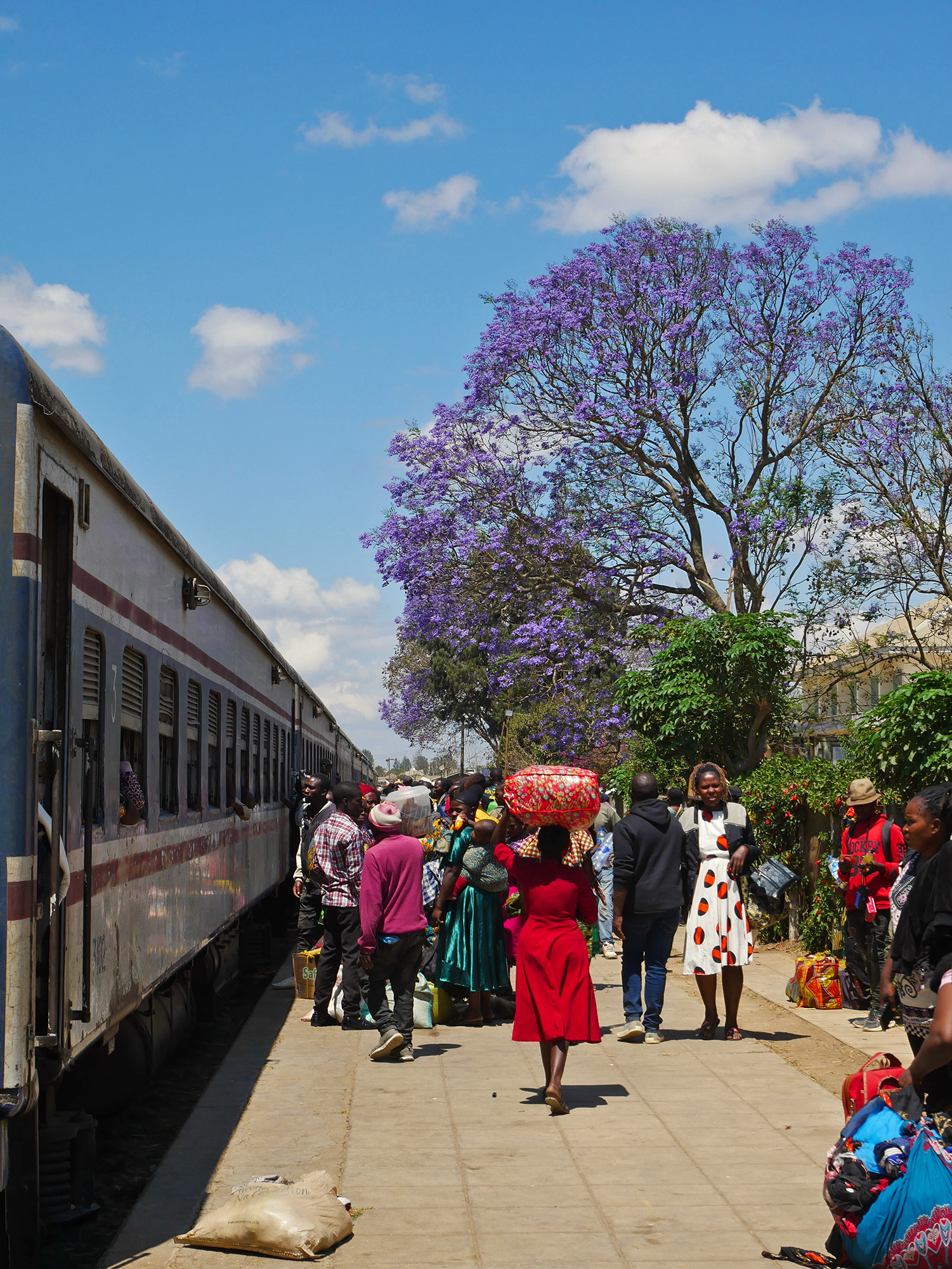
The windswept town of Makambako (The Place of Bulls, in Swahili) sits on the edge of its namesake plateau, and is where the Tazara route meets the TanZam highway. The arrival of our train is seemingly the main event event in town, and the station is bursting with color, activity and cacophony – the inimitable symbols of commerce. The carnival-like atmosphere can only be appreciated from the platform itself, where striking jacarandas frame the scene, and the temperature is just so.
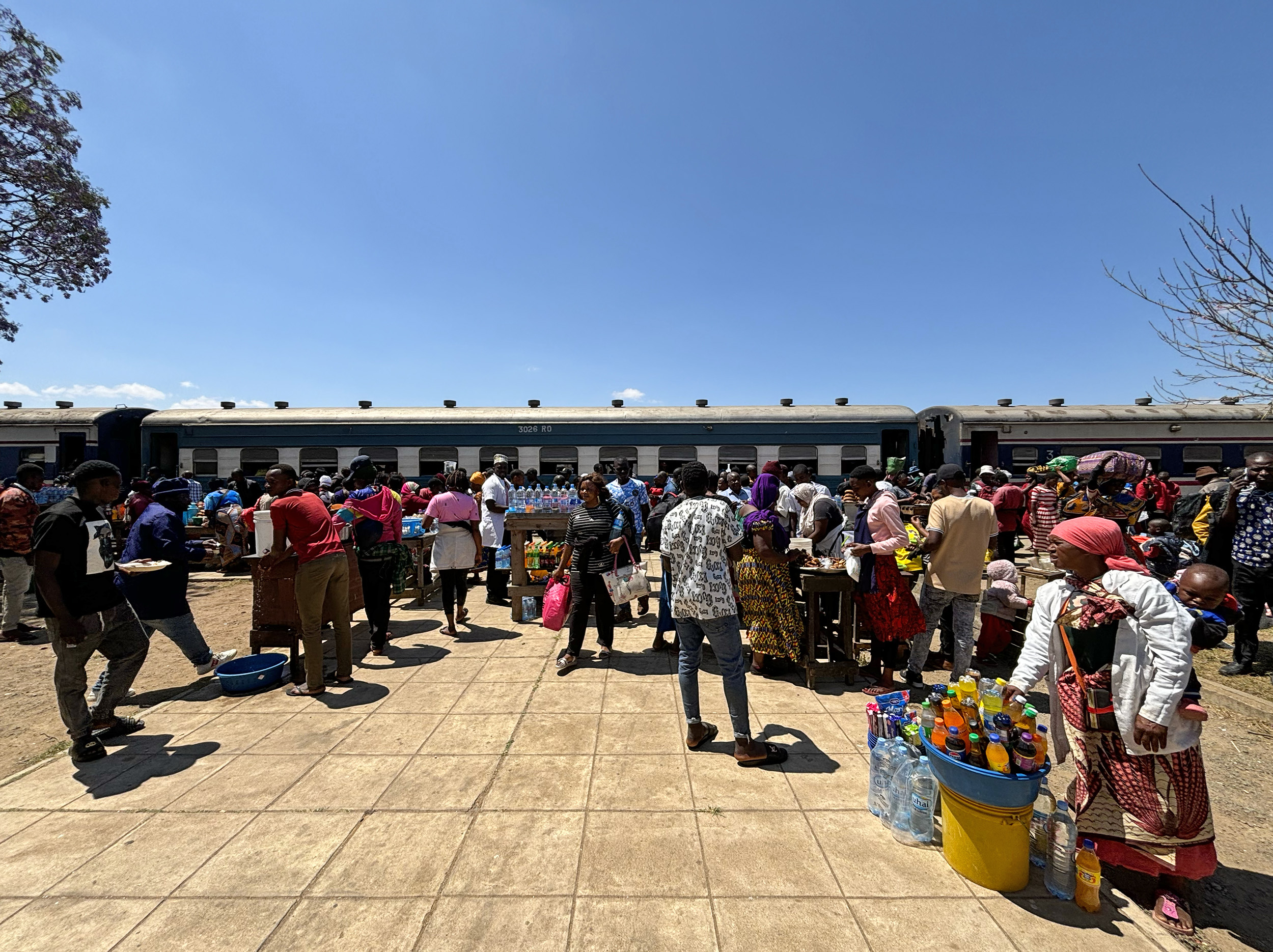
The Makambako halt ends up being twice as long as the one at Mlimba and at 1545 we’re finally on the move. Only to come to a screeching halt ten minutes later. And then, an unexpected reversal back towards the station. Had we forgotten someone or something? The trailing carriage is adjacent to mine so I head over to investigate, only to get the fright of my life. We’re barreling down the track with no one posted at the rear to even guide the locomotive crew. They’re basically reversing blind, and in all my years of traveling on and watching trains go by, I’ve never seen anything like it! By some miracle, we make it back to Makambako station, without having maimed anyone en route. A fuel truck pulls up. In the two hours we already spent there, we hadn’t taken on enough diesel, apparently.

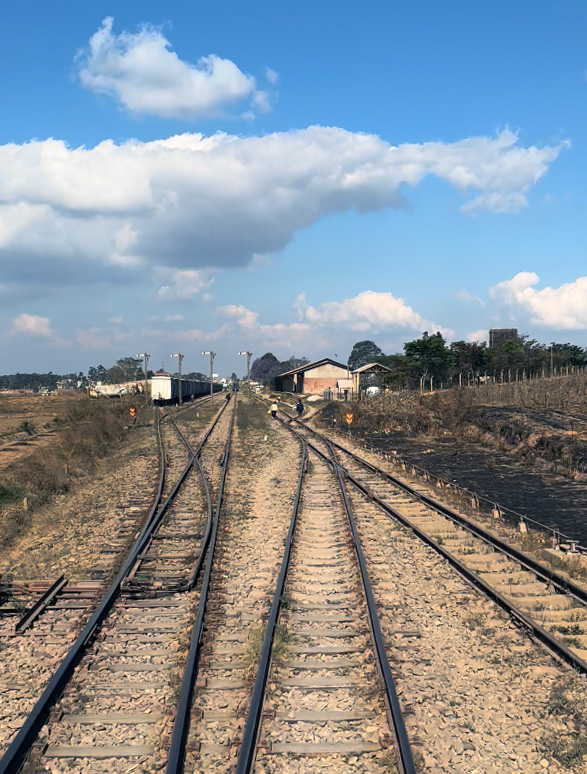
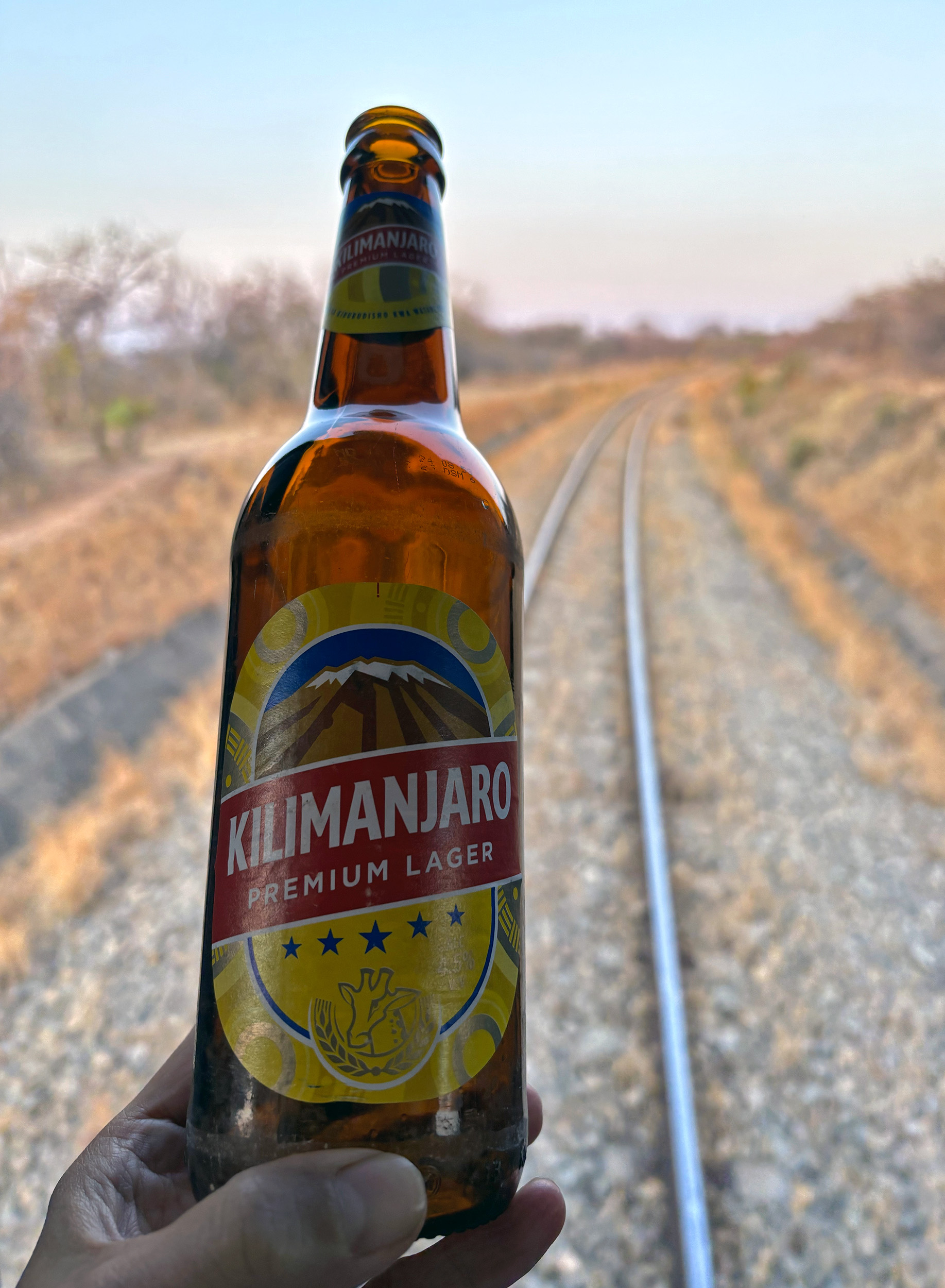
1736 is our new departure time from Makambako, where we’ve casually added another 4 hours to our overall delay. With the light quickly fading and my second sunset of the journey – albeit unscheduled – only moments away, I crack open a bottle of Kilimanjaro and return to the trailing carriage, safe in the knowledge that this time we’re headed in the right direction. Our route now crosses the Makambako Gap, which separates the southern highlands from the Eastern Arc Mountains, and in no time, we begin skirting the northern edge of the Kipengere Mpanga Game Reserve. Along with the much larger Selous National Park in the east, it’s one of two game reserves that lie along the Tazara route, and travelers have often reported spotting wildlife here. It’s much too dark now as we lumber through it, of course, but a reminder of the wonderfully unpredictable nature of this journey – you never know what highlight you’ll witness!
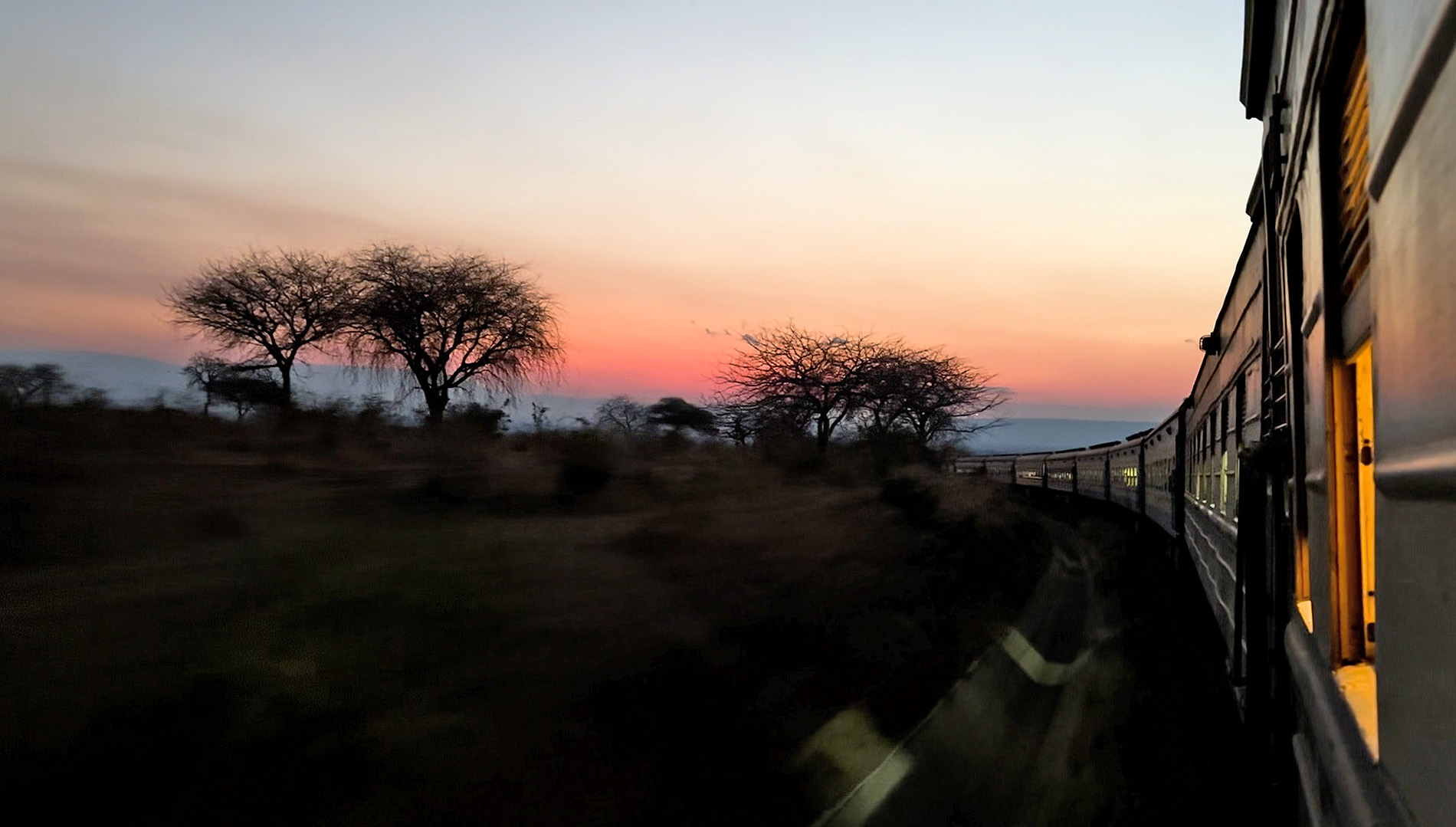
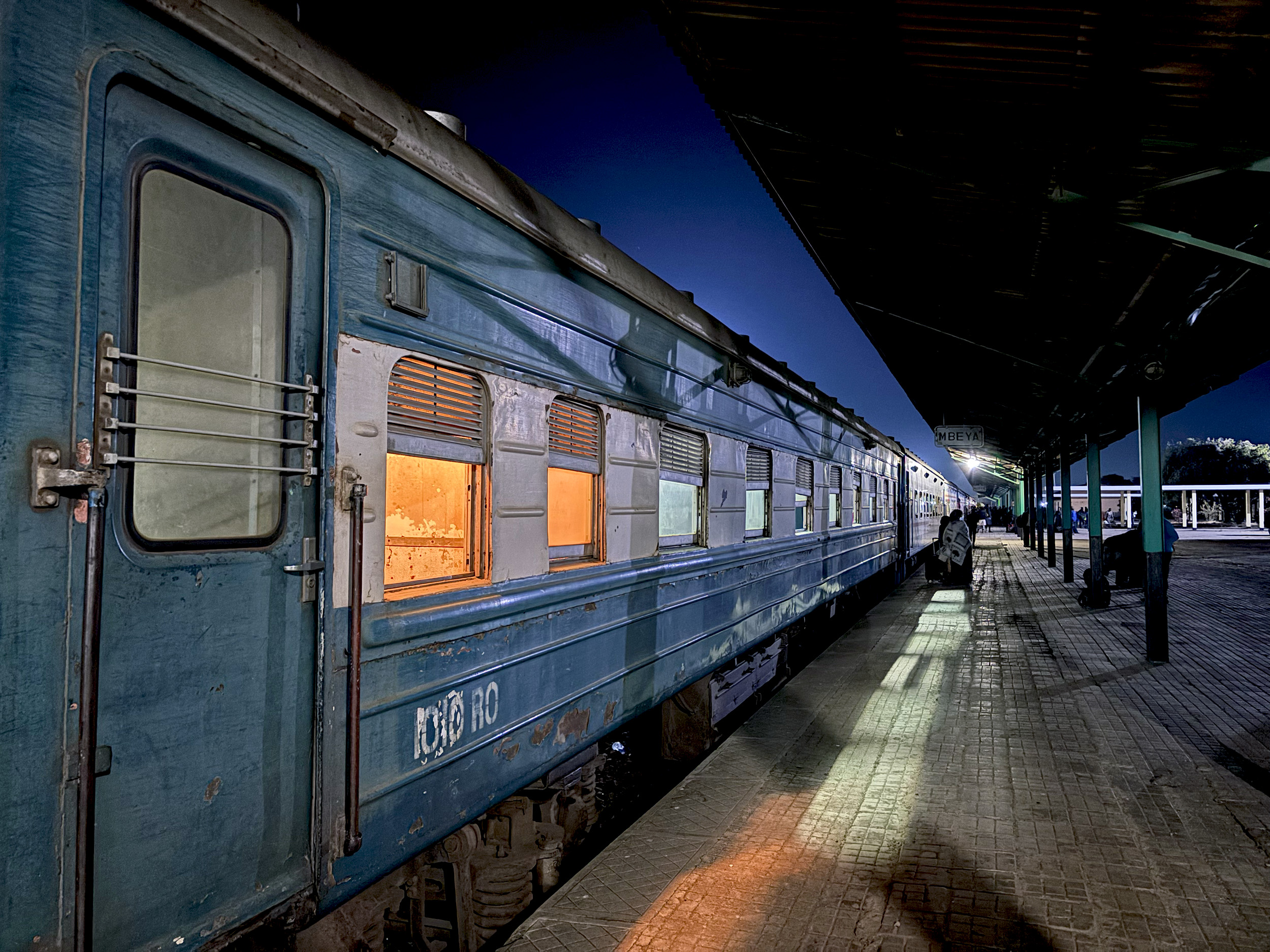
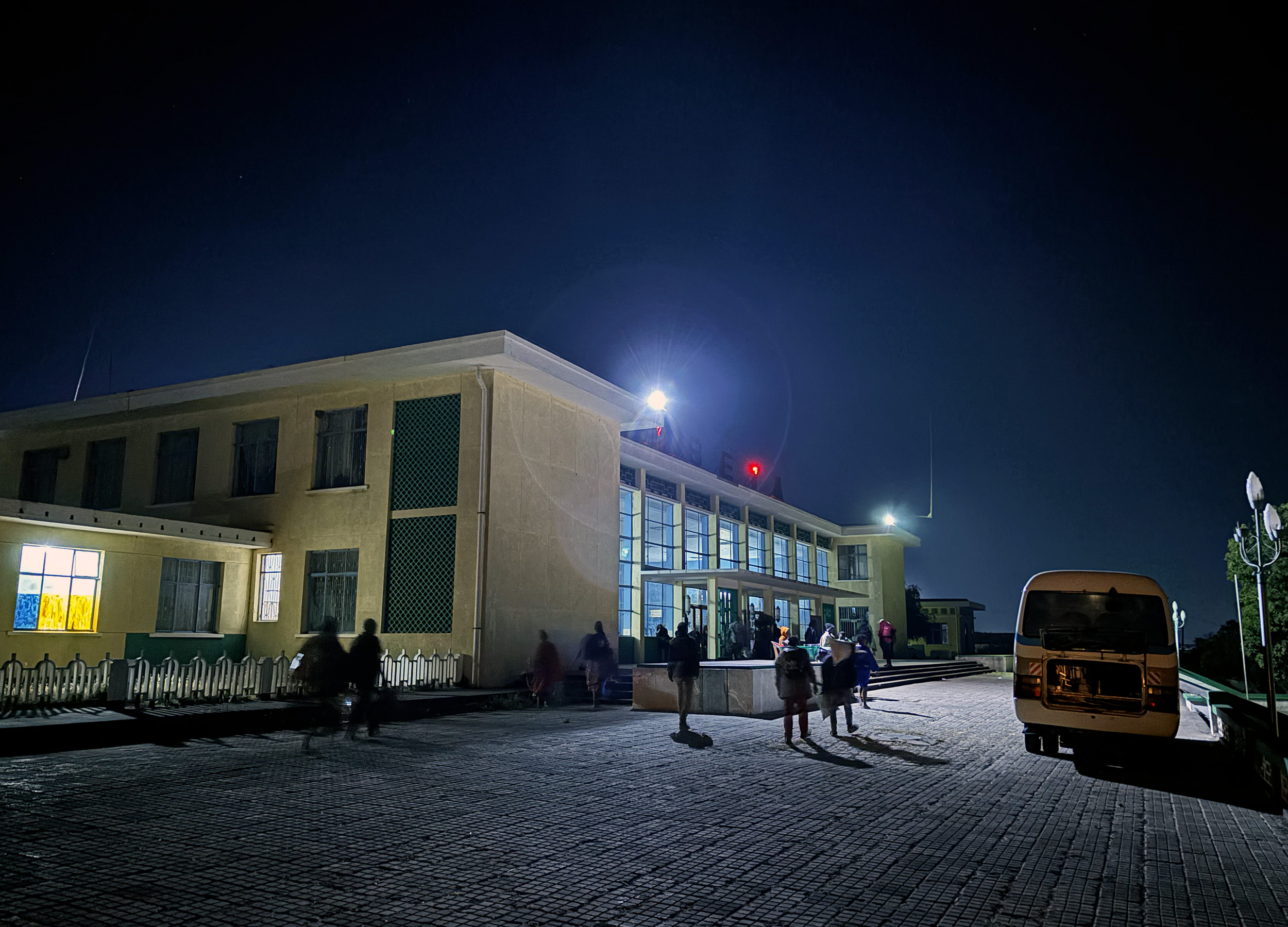
The dining car staff, to their credit, are still serving meals, and their cache of beers hasn’t run out either. The menu offerings have dwindled, of course, but even a repeat of dinner last night doesn’t fail to impress; the chicken, in fact, juicier than I can remember. We pull in to Mbeya at nine minutes past midnight, just over ten hours late. Close to 6000-feet at this point, there’s a distinct chill in the air. I bundle up, then seek out the first Bajaji operator who’d whisk me away to my hotel without a fuss.
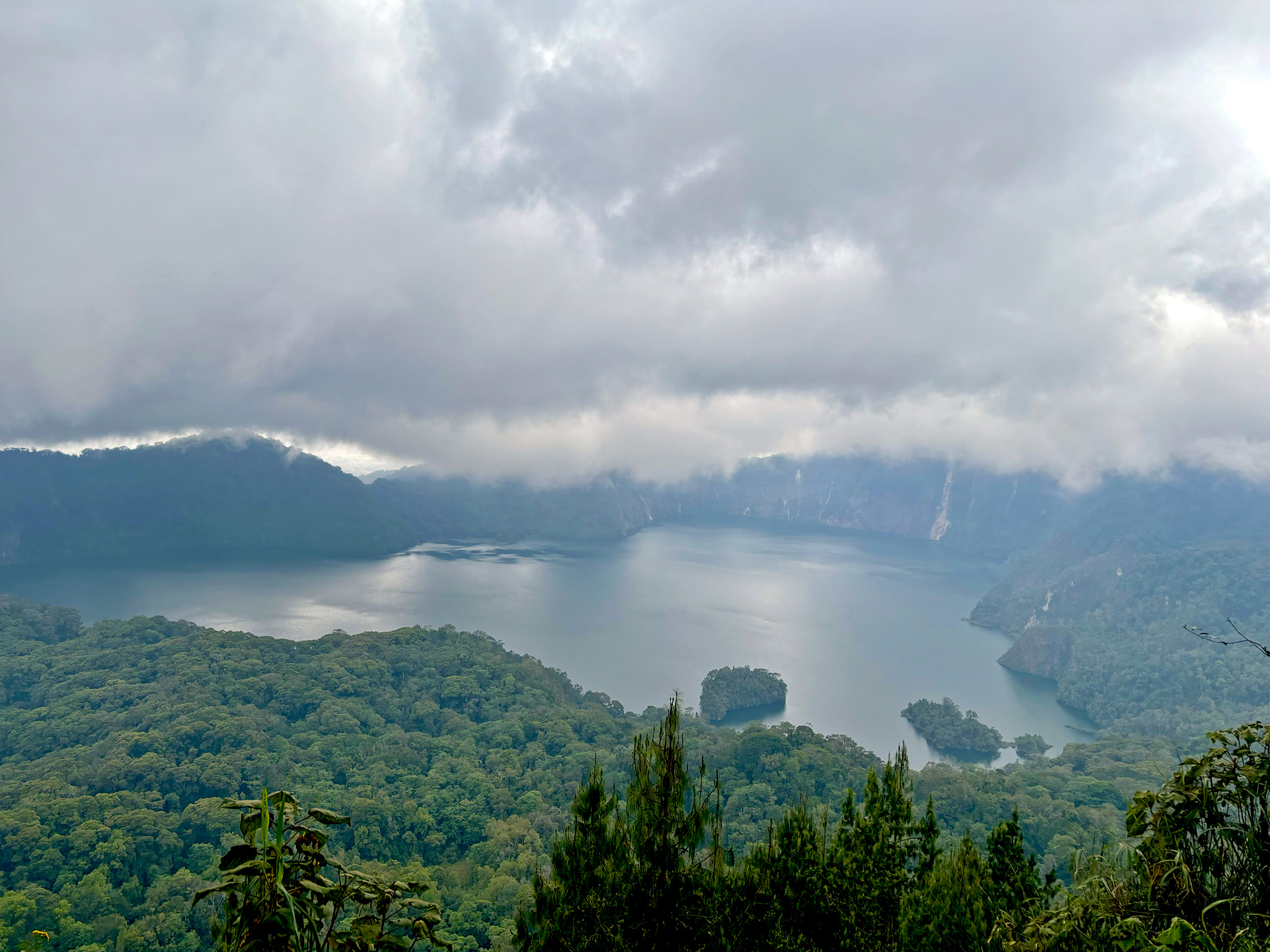
Bajaji is the word used to refer to a rickshaw or tuk tuk in Tanzania and that might have something to do with the fact that all of them are Indian-made, even though rival firm TVS is the more dominant player nowadays, rather than Bajaj. I have the day to myself in Mbeya, a highland town that lies equidistant from the Zambian and Malawian border, and hire one of those ubiquitous three-wheelers to take me to nearby Mount Rungwe Nature Forest Reserve. Or more precisely, as far as the Bajaji can physically go, on a potholed-riddled surface that Google believes to be a road. Within that nature reserve lies Lake Ngozi, the second largest crater lake in Africa, and having come this far, I’m determined to hike towards its viewpoint. It’s a 3-mile trail through pristine forest, out and back, and I’m the only one on it. I reach the overlook, and the sight of it instantly takes my breadth away. Shaped like the African continent itself, this magnificent lake was never meant to be on my itinerary, and yet, here I was standing before it, humbled and spellbound. It took the efforts of a Bajaji, a little bit of luck, and an Ordinary Passenger train to bring me here.
Postscript: Trains on the Tanzanian side of the Tazara route have been temporarily suspended since 29th November 2024, on account of “multiple track closures” caused by a “series of unforeseen incidents.”
More photos from my travels on the Tazara line and other rail journeys in Tanzania can be seen here.
 brat's ramblings
fine! World’s First Carbon-Neutral Country Achieves Goal 2025 stylish