
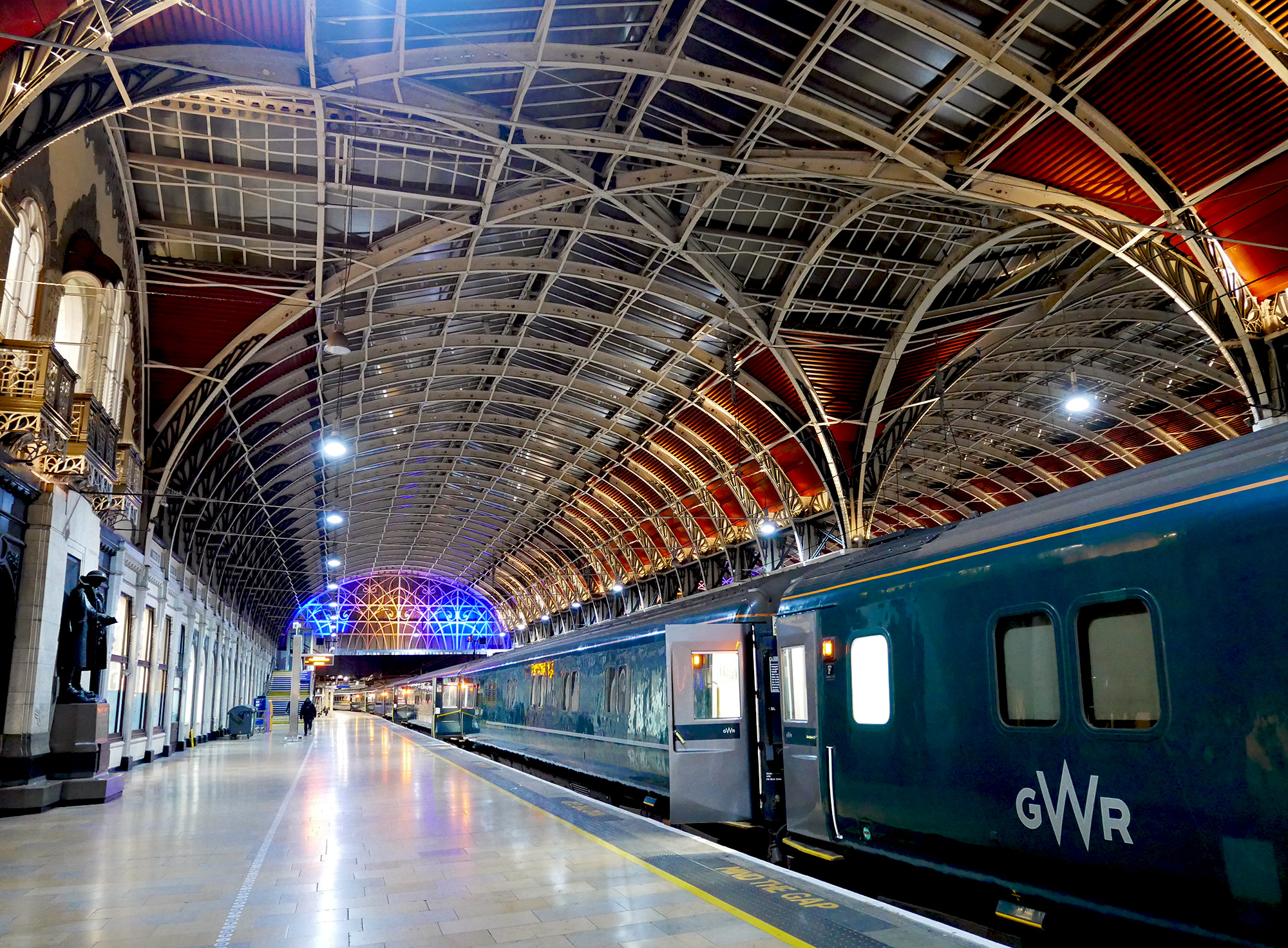
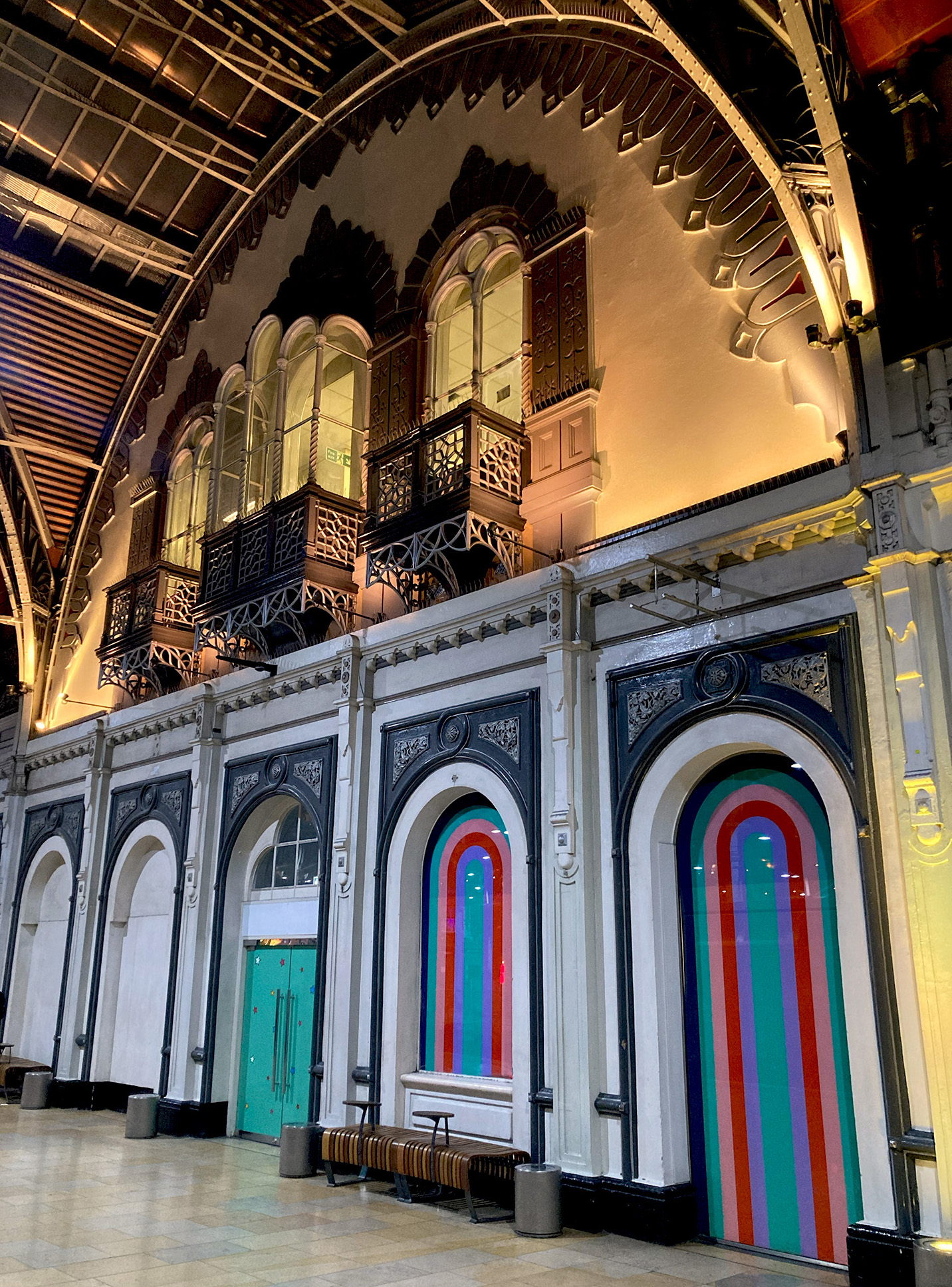
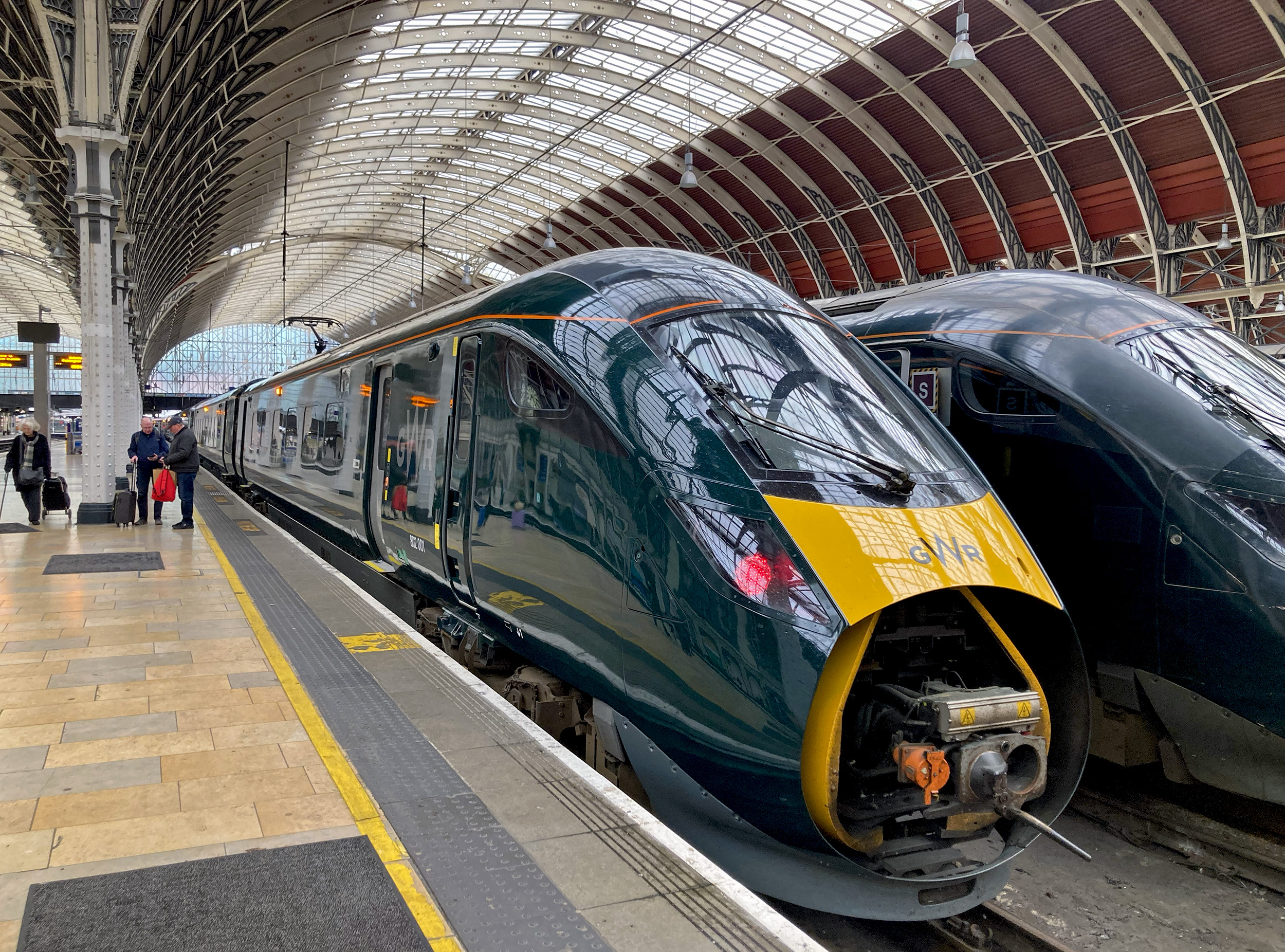
In the world of engineering, there are few individuals as distinguished or prolific as Isambard Kingdom Brunel. Perhaps one of the greatest contributors to the Industrial Revolution, Brunel left his imprint on everything from bridges and tunnels, to shipping and railways, his rich legacy of innovation and design long outliving his rather short lifespan. Amongst his many great engineering feats, there are few that match the sheer utility or grandeur of London’s exquisite Paddington station. A cathedral of transportation, Paddington imparts a sense of occasion to the mundane act of departing or arriving.
Over the years, I’ve had the good fortune of patronizing Paddington several times, but tonight’s journey is different, momentous even. On platform 1 stands the Night Riviera, an overnight sleeper train, that in some form or another has been operated continuously by the Great Western Railway or GWR since 1877. It’s one of the last two sleeper services left in the UK, and the only one to have eluded me thus far. Tonight, I depart Paddington in style.
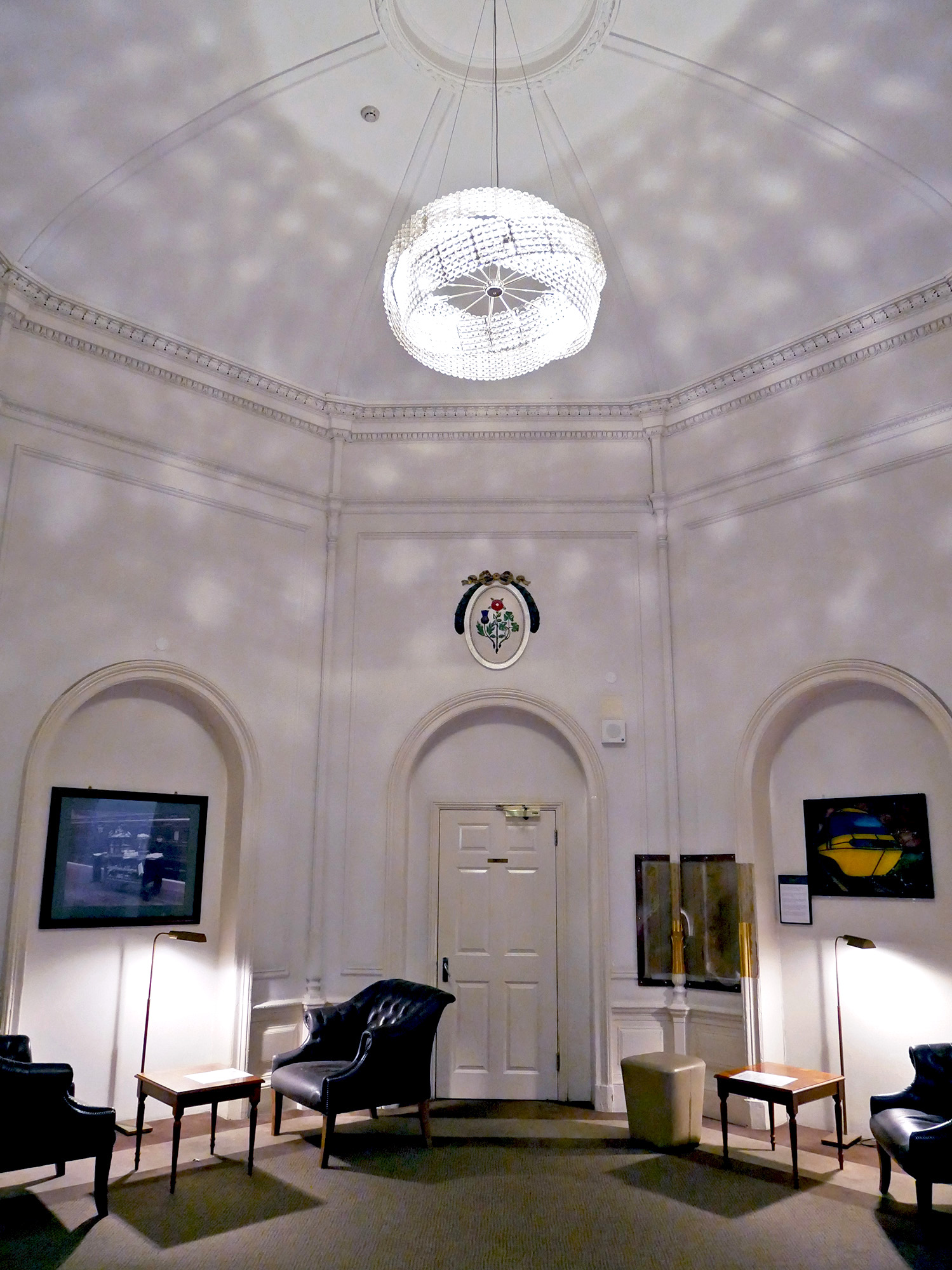
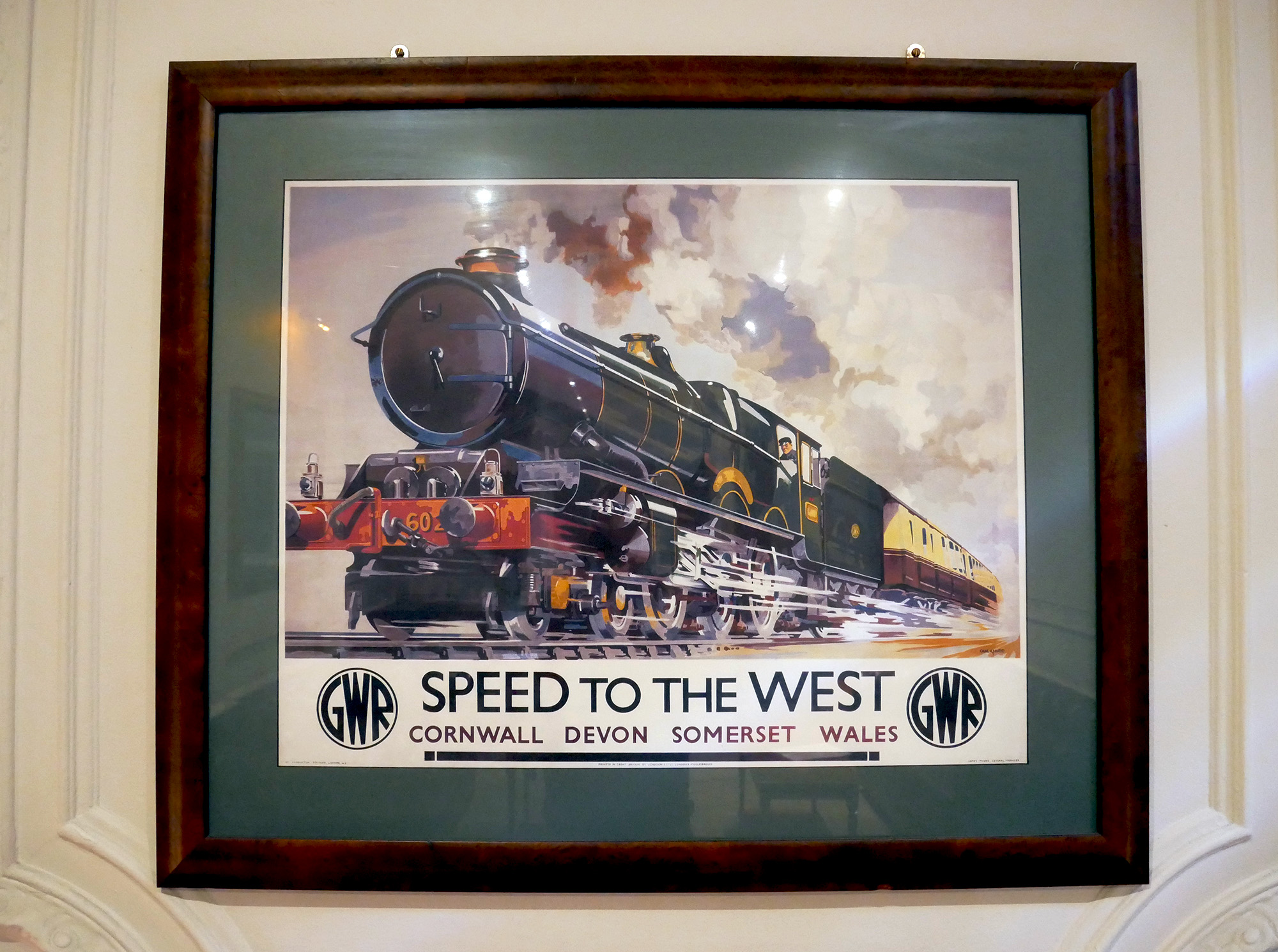
Connecting London to Penzance, on the southwestern tip of the country, the Night Riviera departs Paddington six-nights a week at 1145 pm. The train itself is available for boarding about an hour prior, but sleeper class passengers arriving earlier have access to GWRs first class lounge at Paddington. Conveniently located on platform 1, the lounge includes a historic wing that was once the royal waiting room for Queen Victoria. Its high-ceilinged interior boasts period furnishings, vintage prints, a preserved victorian-era wall panel, and suspended above it all, an ornate chandelier casting a warm glow. By comparison, the contemporary half of the lounge, with all its Scandinavian sensibilities, is textbook boring.

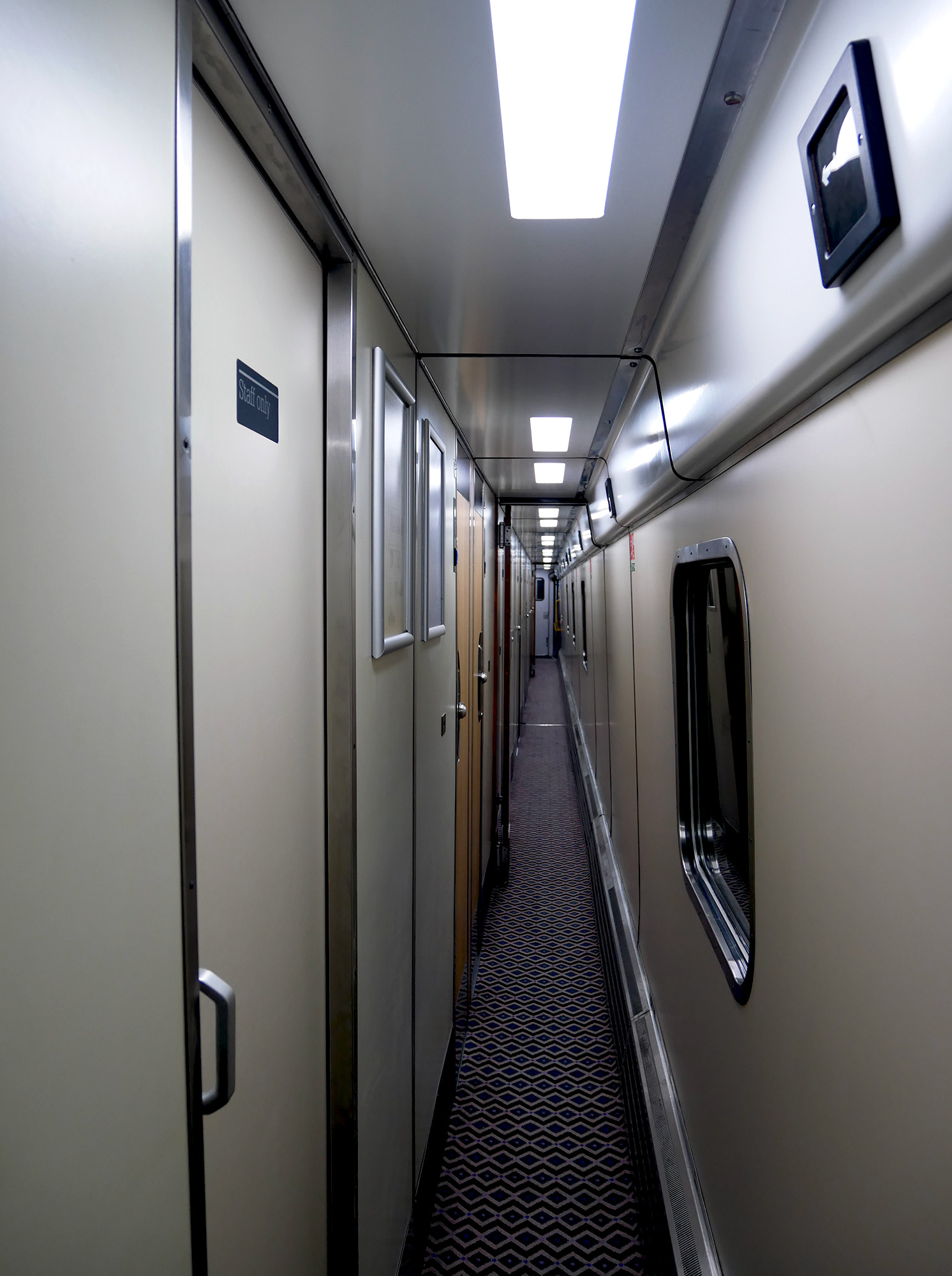
Satisfied with my look around the old waiting room, and after having scrutinized platform 1 from end to end, I eventually make my way to my overnight digs in carriage G. A rather narrow corridor leads to my cabin for two, that’s already been set up in single mode. Following close on my heels is the carriage attendant, who introduces herself as Emma, gives me a minute to settle in, and then runs me through the various amenities in my cabin, as well as the safety features within.
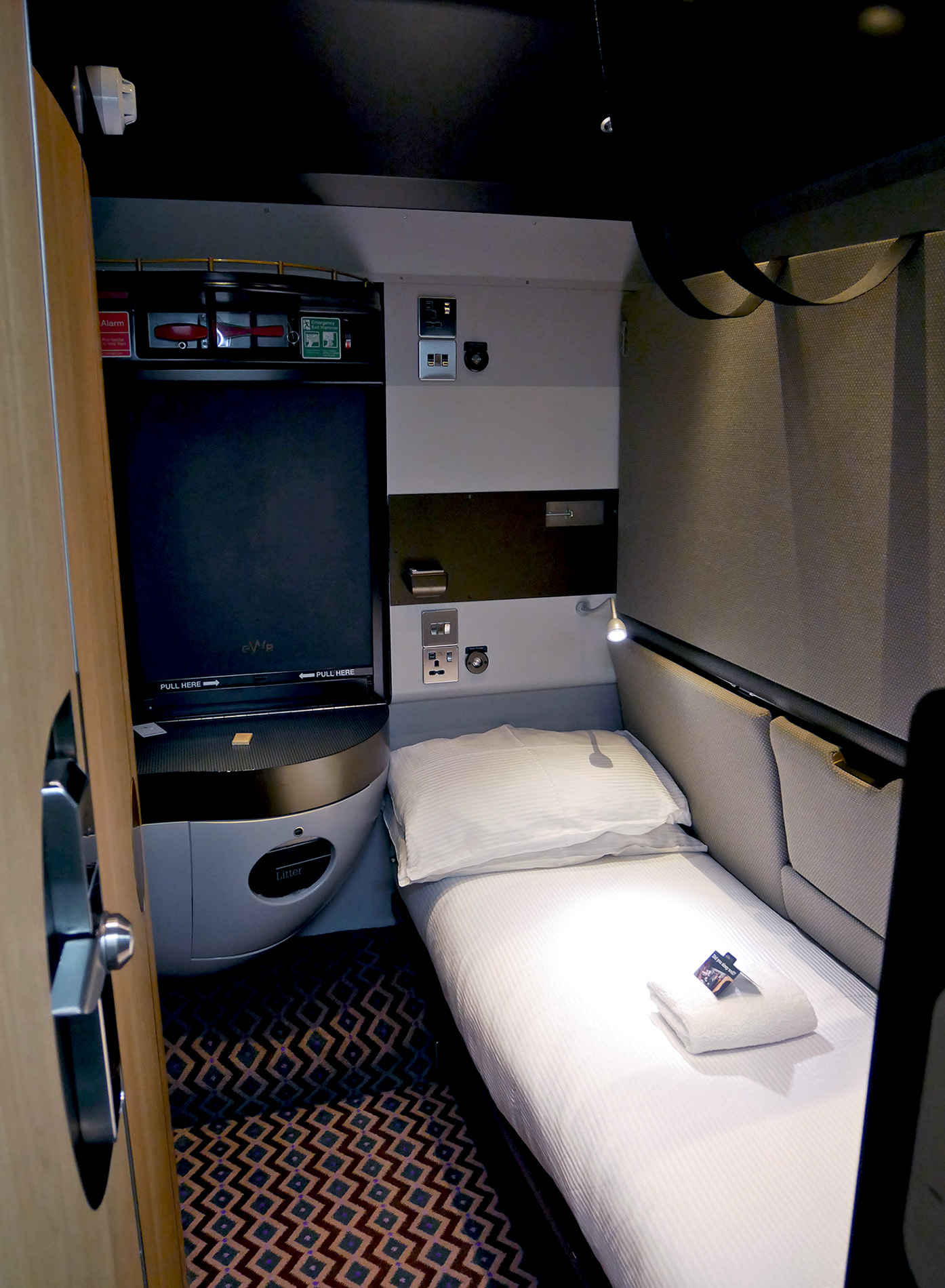
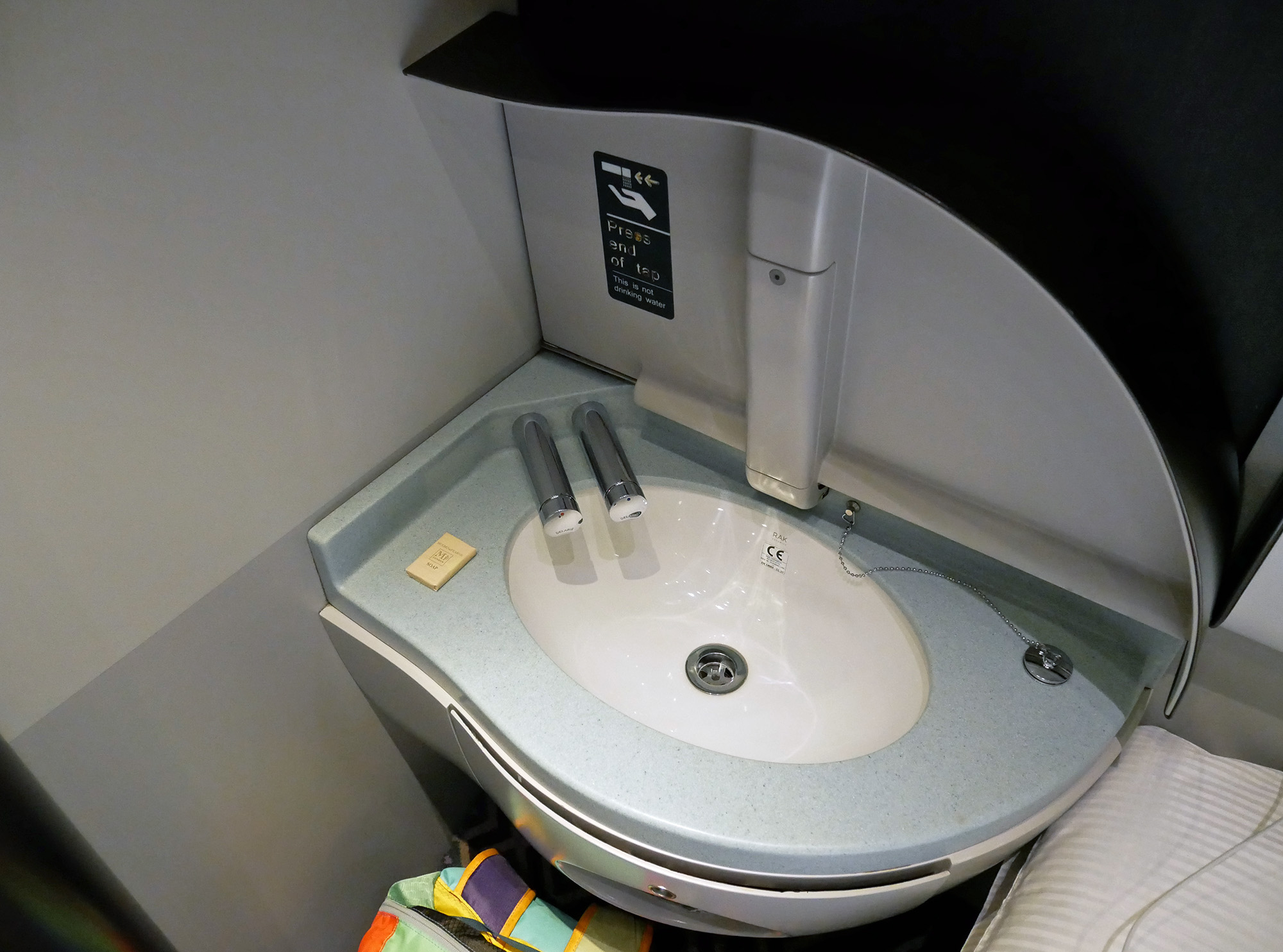
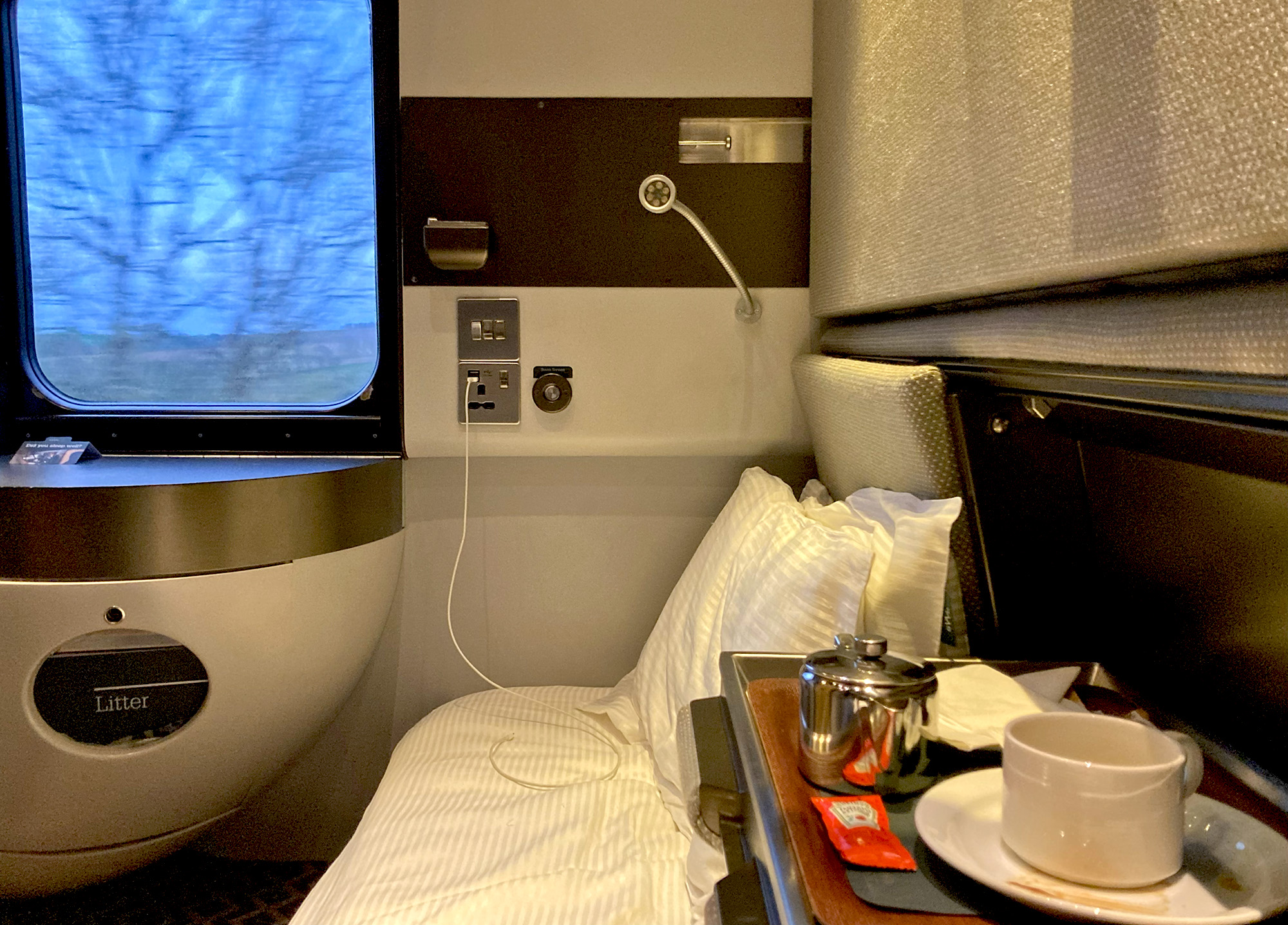
The smartly kitted out cabin includes a console with a concealed sink and a bin for litter. The blackout blinds above it are a nice touch, as is the drop down table adjacent to the lower berth. Two bottles of water, a towel, a hand soap, and an access card make up the rest of the amenities. The linen, upholstery, and carpeting are of the highest caliber, and the lighting is just right. Emma then proceeds to take my breakfast order, and asks if I’d like to avail the shower facility at their lounge in Penzance the following morning. Yes, please!
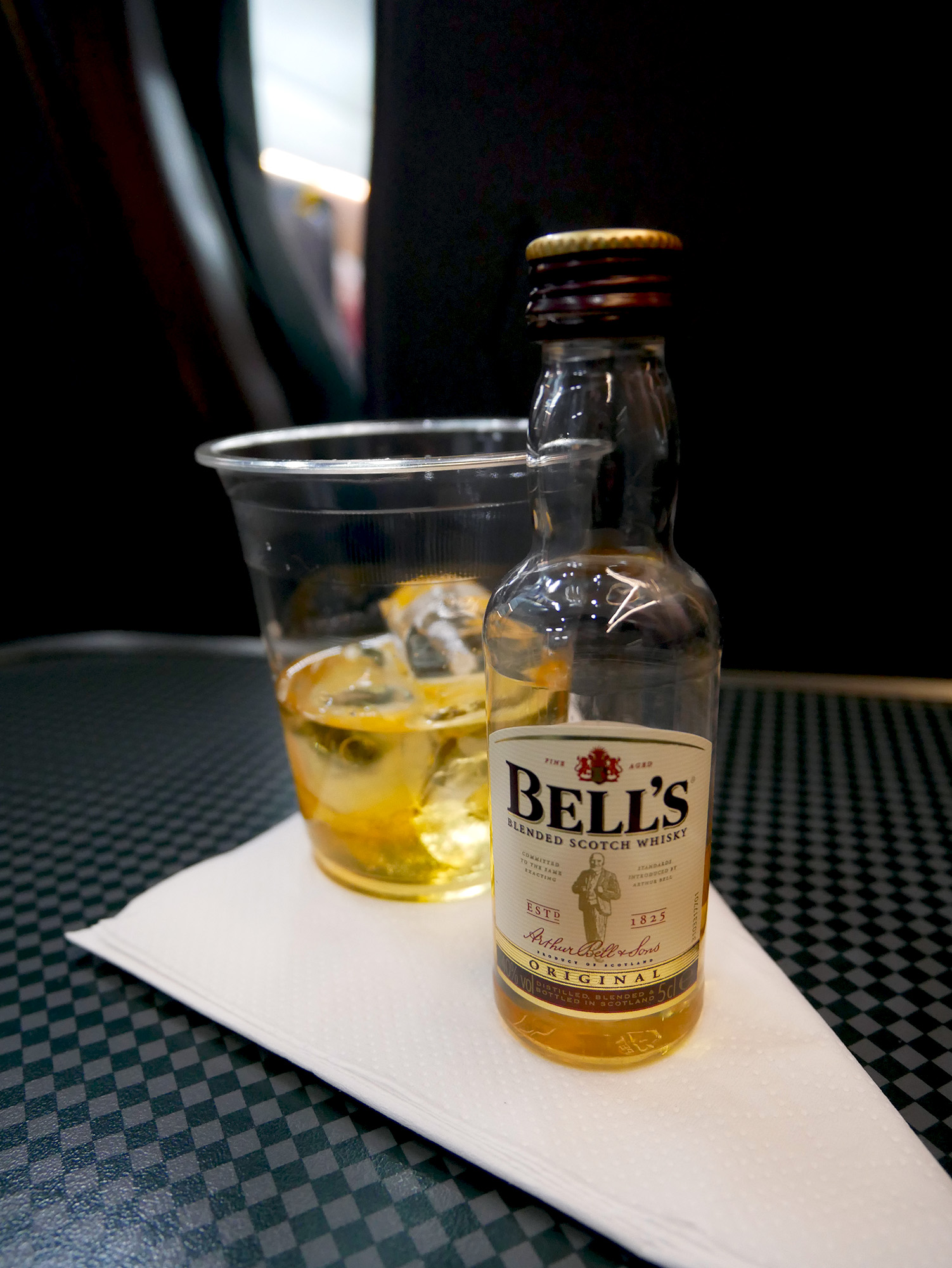
There’s only a few minutes left for our departure so I make my way towards the front of the train, to the lounge car, specifically. At one end of it is a well stocked bar, that’s open till 3 am apparently, with the rest of the carriage interior made up of the beautifully appointed “lounge” section. A variety of seating options with several orientations make for a convivial yet interesting space. Like on the Caledonian, prices are reasonable, and while the whiskey list may not be quite as extensive, a generous serving of fairly decent Scotch sets me back only £4.5. I find a suitable perch and raise a glass to overnight travel, as the Night Riviera pulls out of Paddington.

The refurbished Mark III carriages on the Night Riviera offer an exceptionally smooth and quiet ride. Impressive, given their age. But sadly, that doesn’t quite translate to a good night’s rest for me. And the culprit for that is, undoubtedly, the unusually narrow lower berth. In hindsight, I would’ve done a lot better using the noticeably wider upper berth. You’re welcome, future travelers on the Night Riviera!
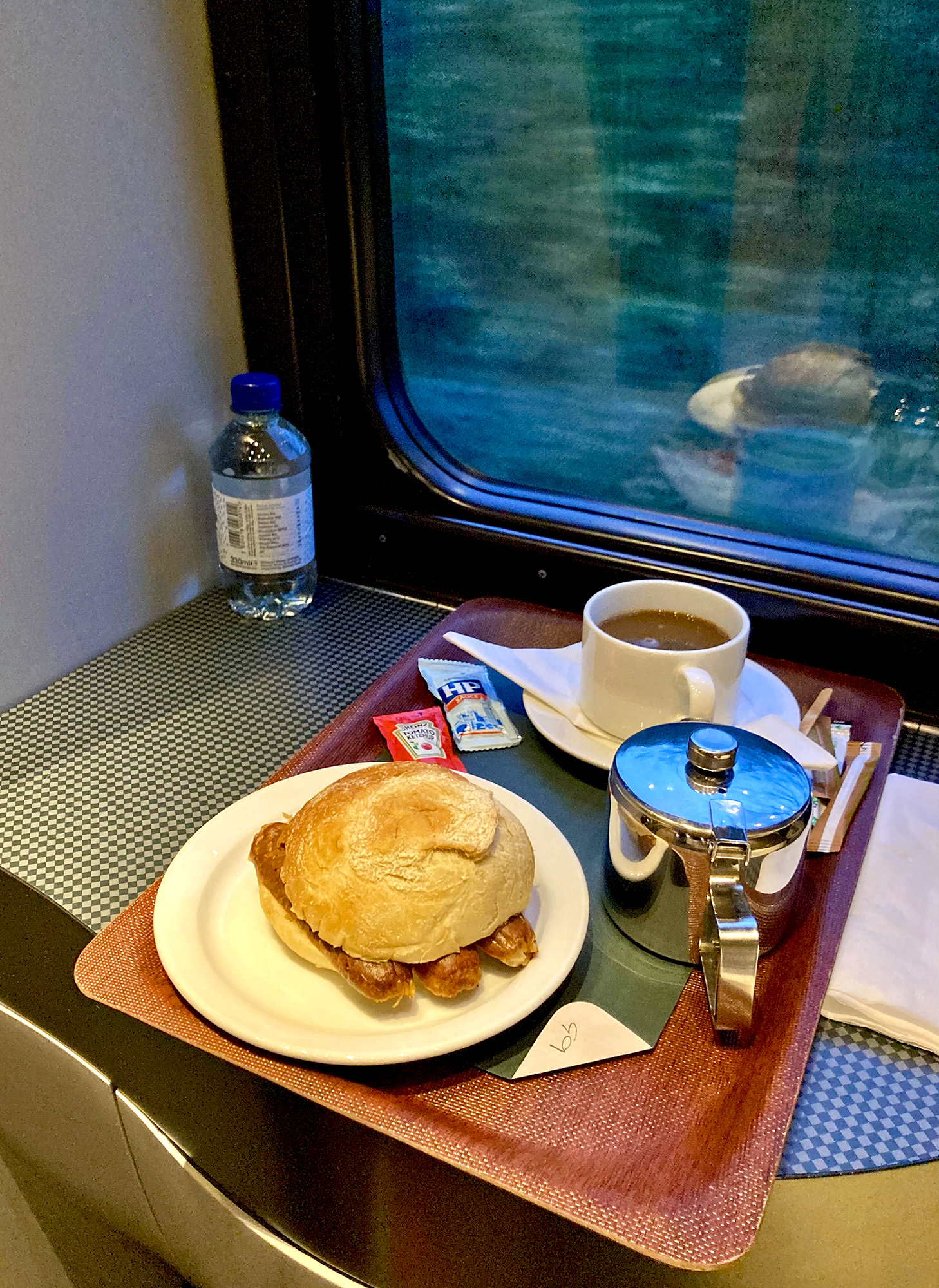
A knock on my door at 6:30 cheers me up somewhat. It’s Emma with my breakfast. Included in the price of my sleeper fare, and delivered to my cabin at precisely the time I’d requested, it consists of a sausage roll, or a breakfast bap as it’s known in the UK, and a pot of coffee. Everything’s nice and hot, of a high standard, and the presentation is a considerable step up from the Caledonian.
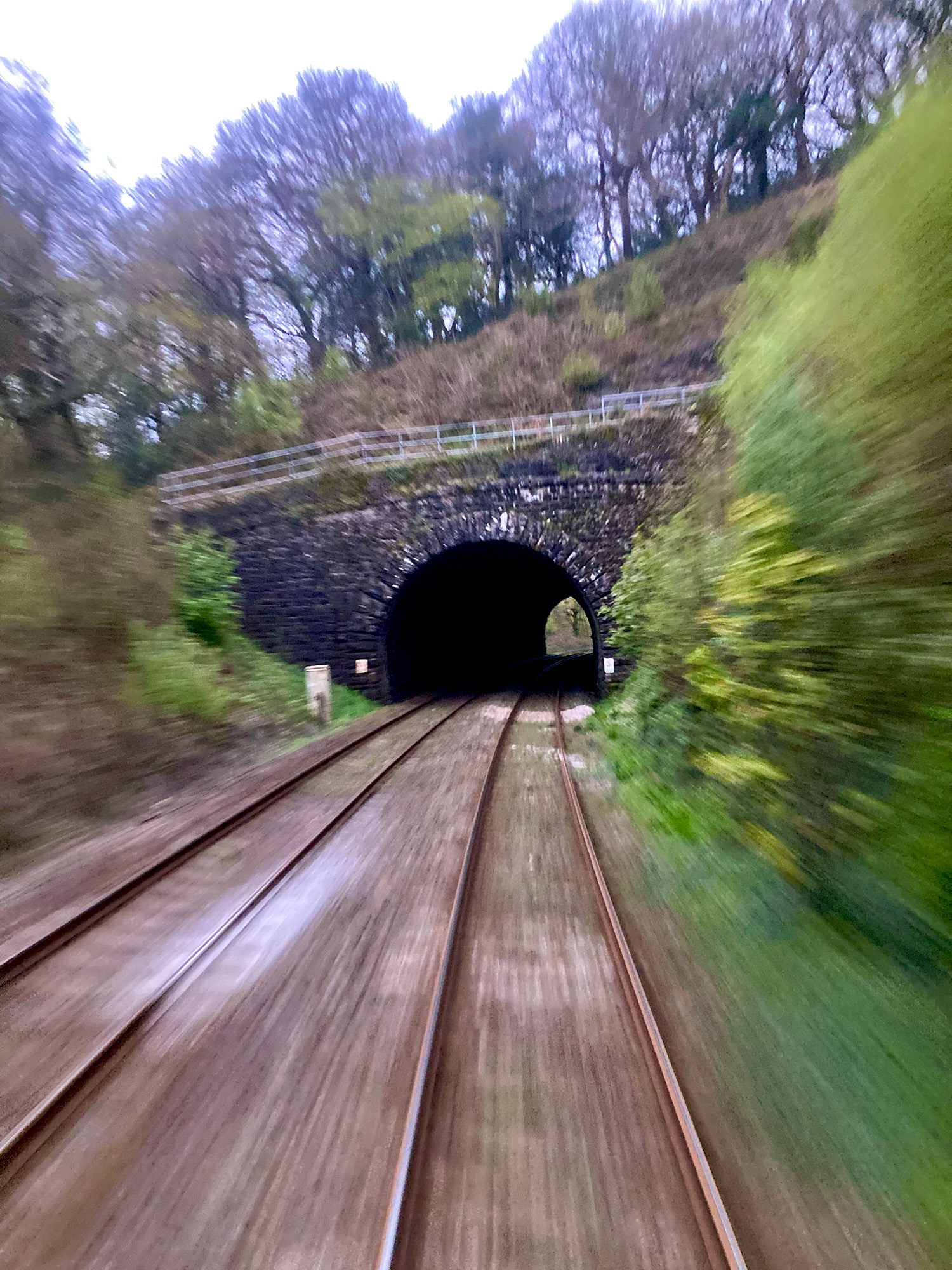
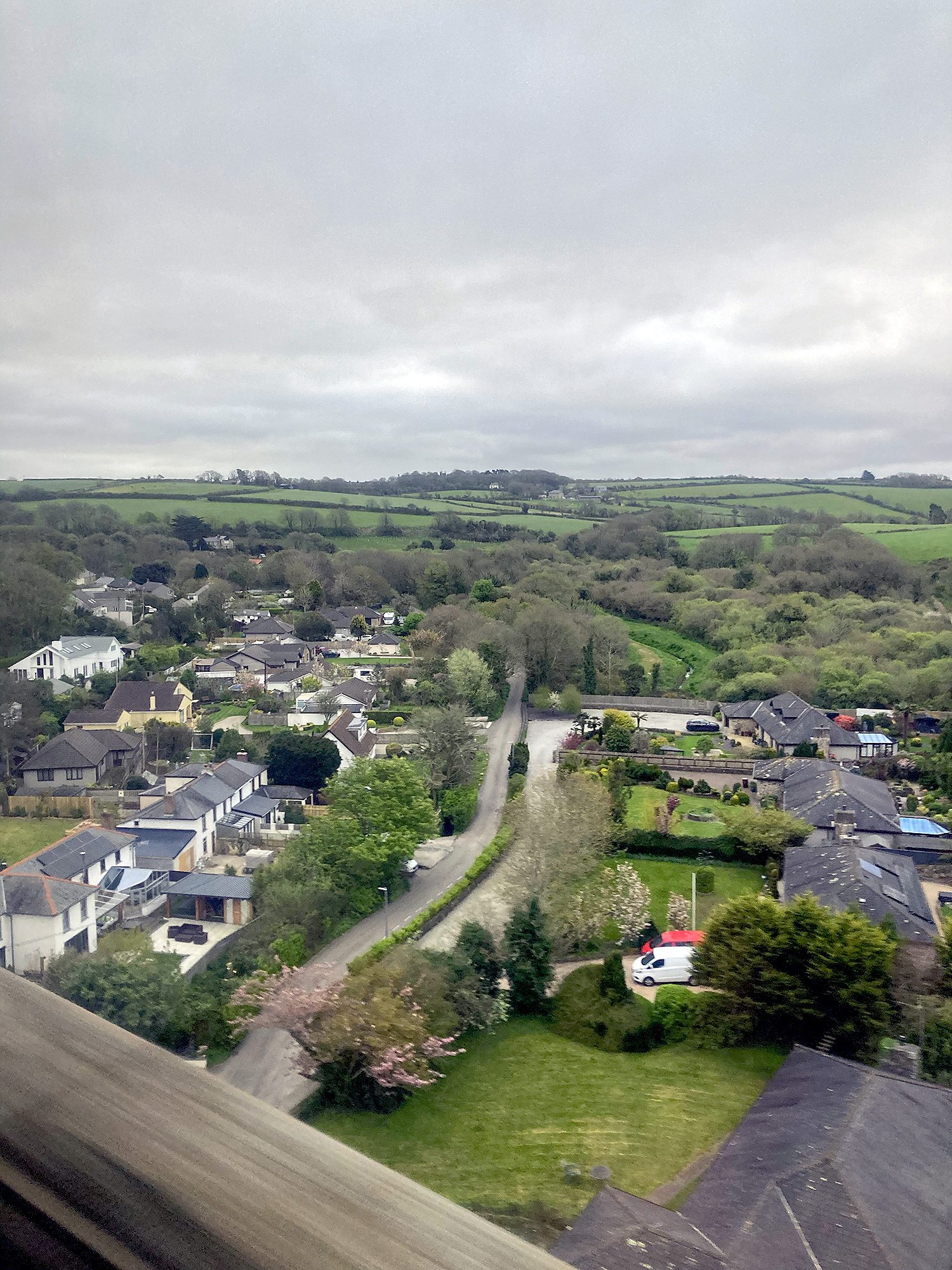
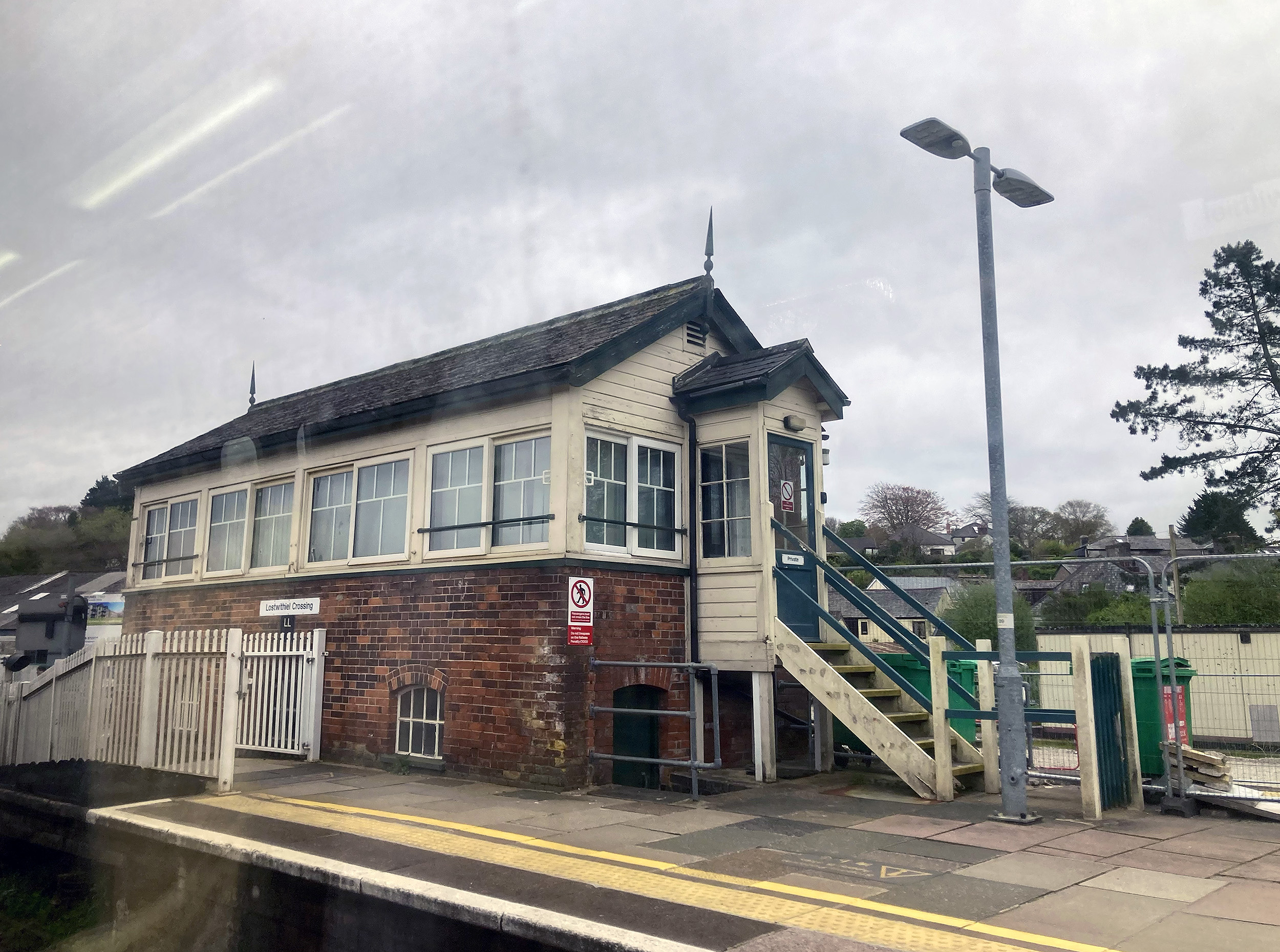
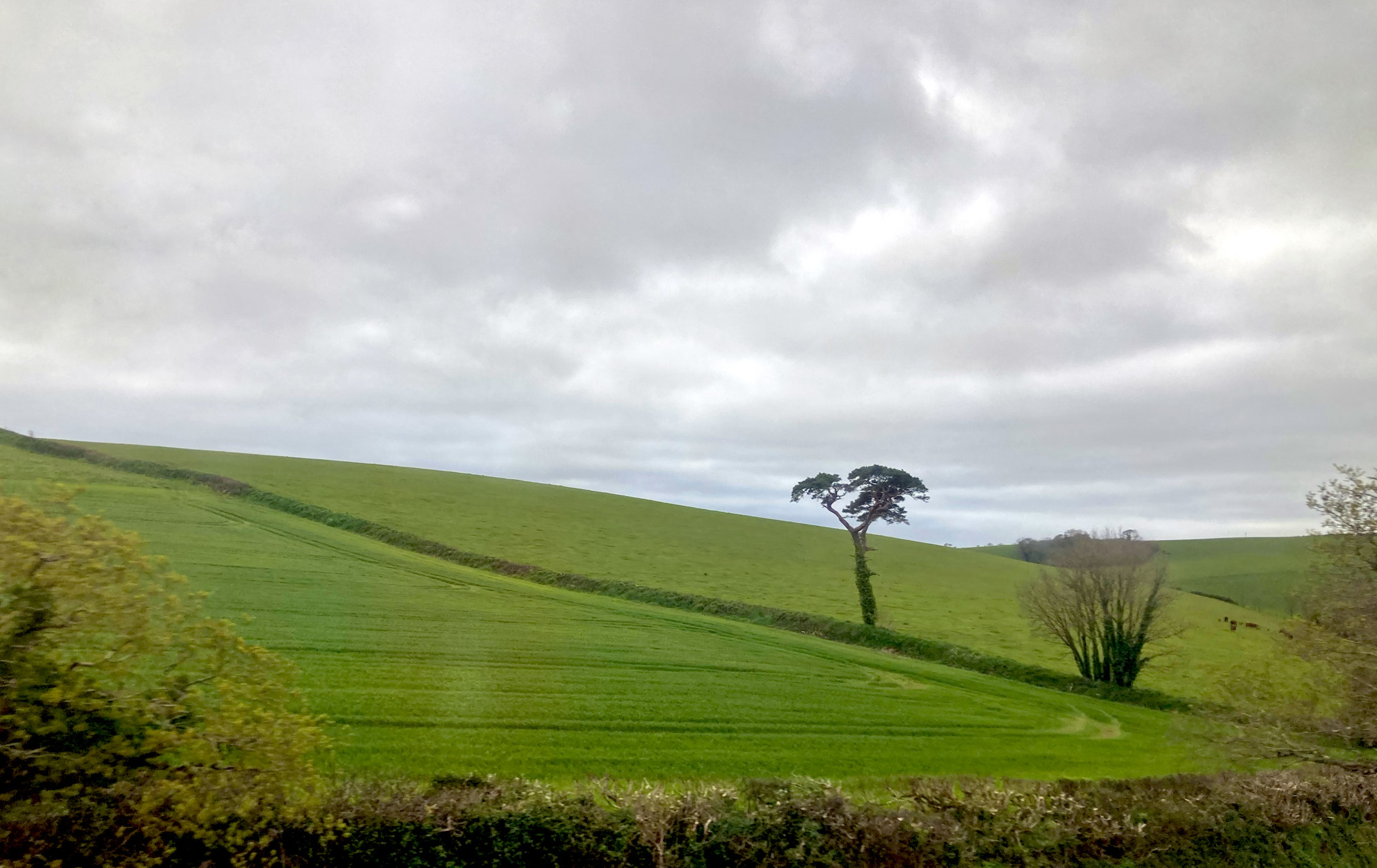
Over breakfast, the wonderfully undulating Cornish countryside is mine to savor, but the real treat lies outside the confines of my sleeper cabin. The Night Riviera is made up of seven carriages on this occasion, of which mine happens to be the last. With an hour to go till journey’s end, and no one to jostle with for space, I stake out a position by the trailing window of carriage G and revel in the delights of the Cornish Main Line. Another gem by Brunel, it was completed in 1867 and retains to this day much of its original character – lofty viaducts, stonemasonry tunnels, sweeping curves, wood-framed signal boxes, and endearing semaphores.

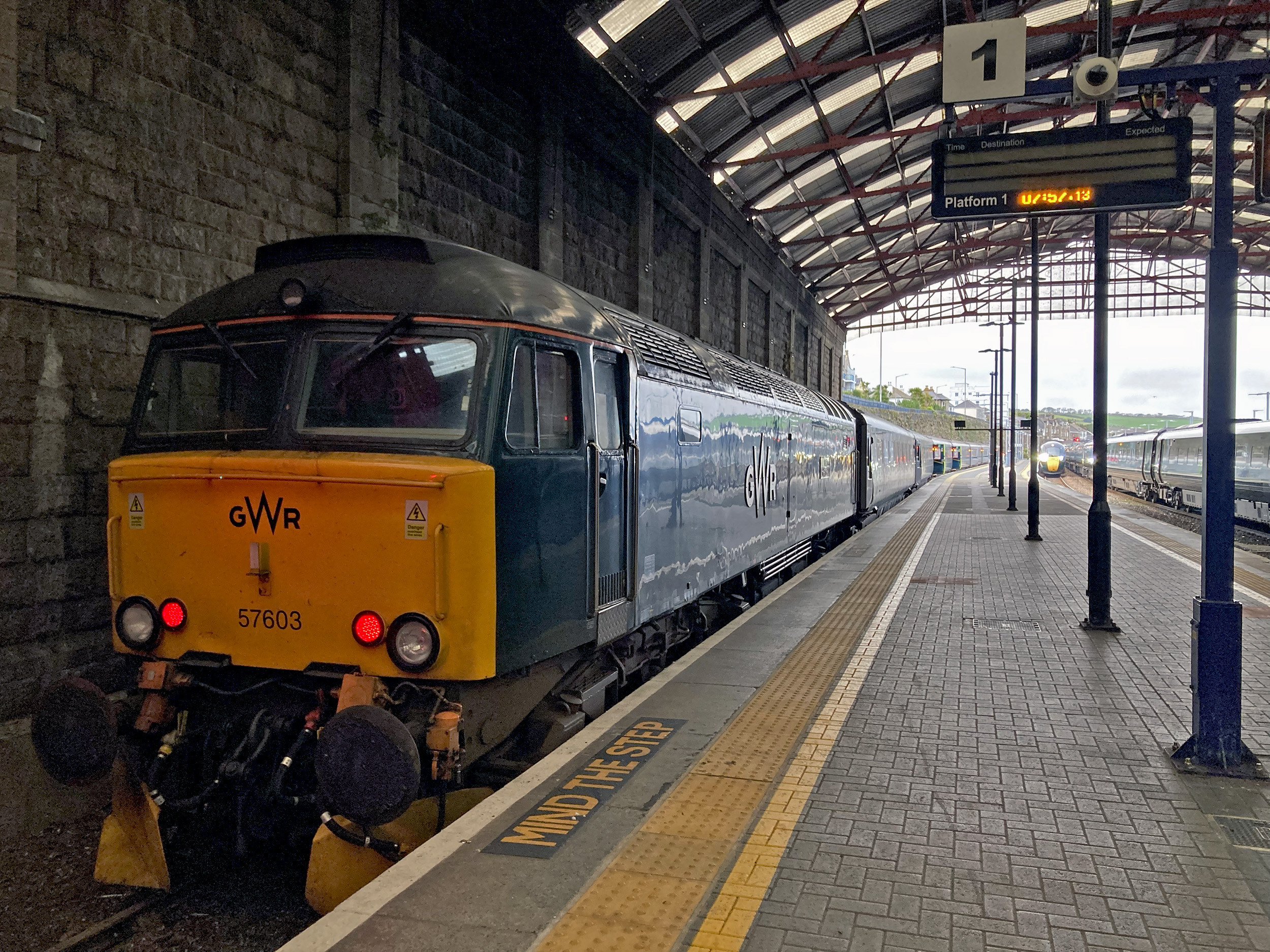
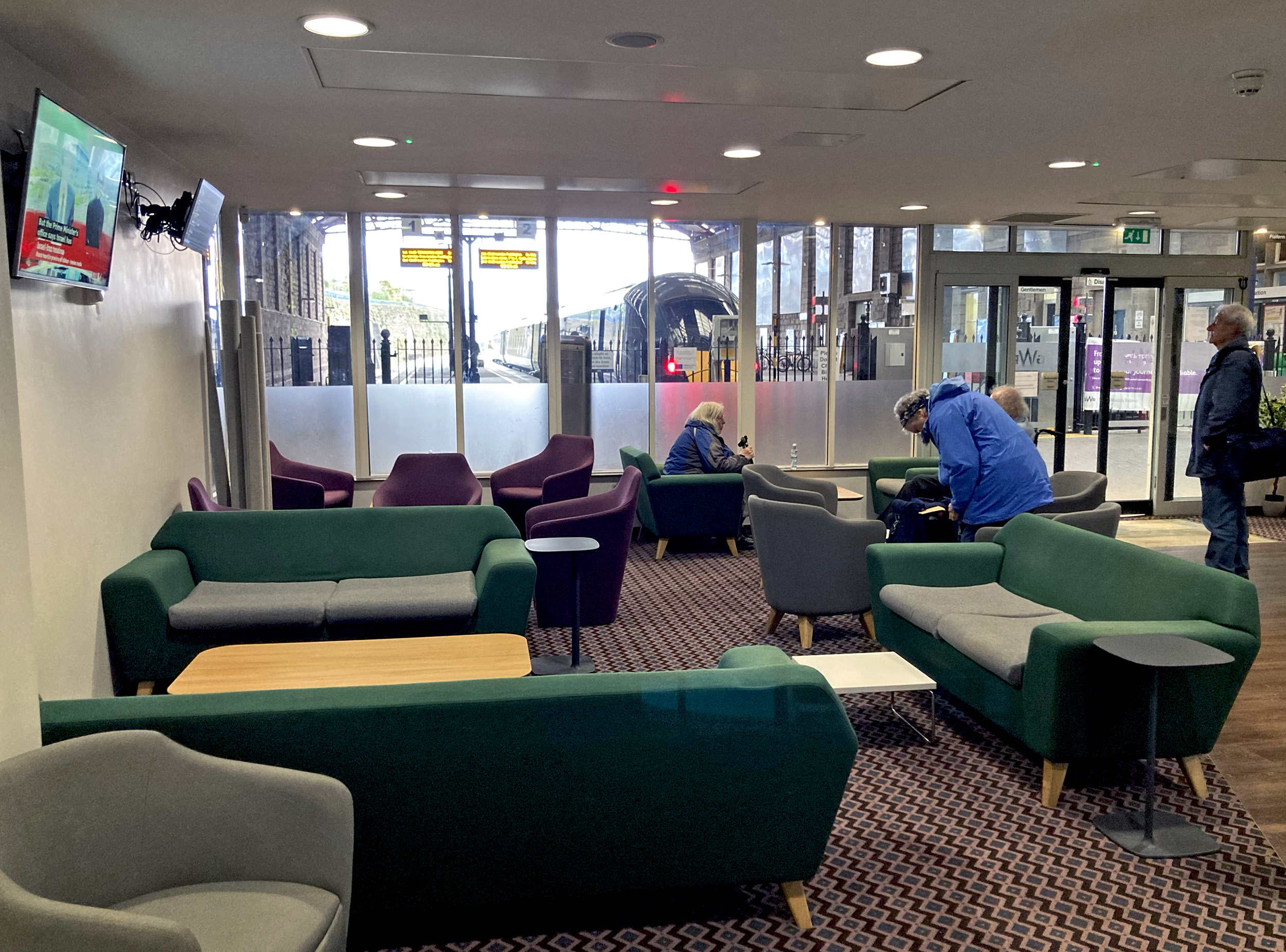
Salty air and the song of seagulls greets me as I step off the Night Riviera, after a 4-minute early arrival at Penzance. Like at Paddington, we’ve been received on platform 1, and at the end of it lies the GWR lounge, where a fresh towel and a hot shower await. I have sufficient time to freshen up (shower slots are typically 15-minutes) and ponder the day over another cup of coffee before heading out.
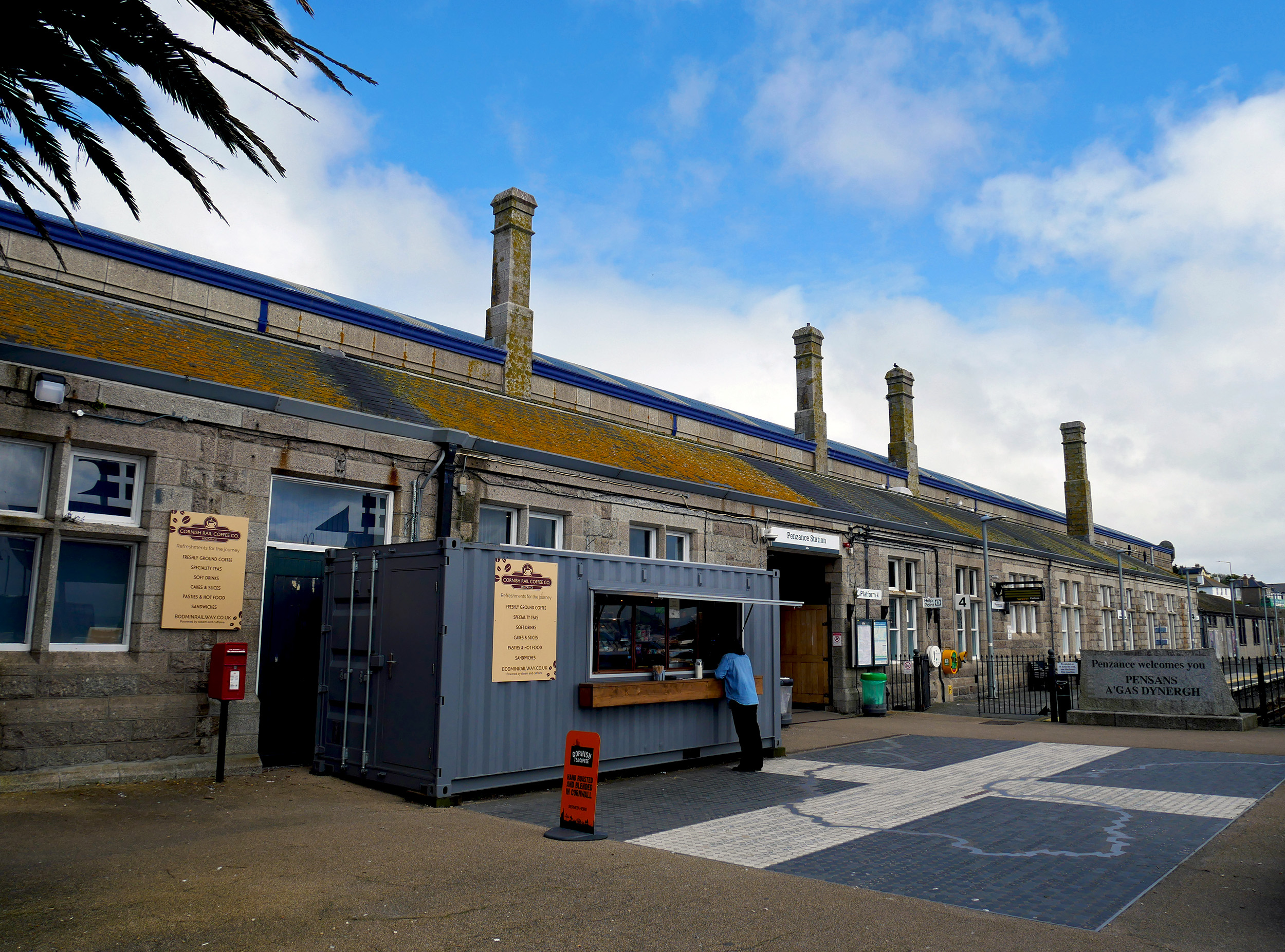
Pensans A’gas Dynergh says the large sign in Cornish by the station forecourt. Above it, in a much smaller typeface, “Penzance Welcomes You”. The westernmost town in Cornwall, Penzance is a relatively small settlement, punching well above its weight as far as area attractions go. Probably best known as the setting for The Pirates of Penzance, it is also home to two of Cornwall’s most visited sites, Land’s End and Saint Michael’s Mount.
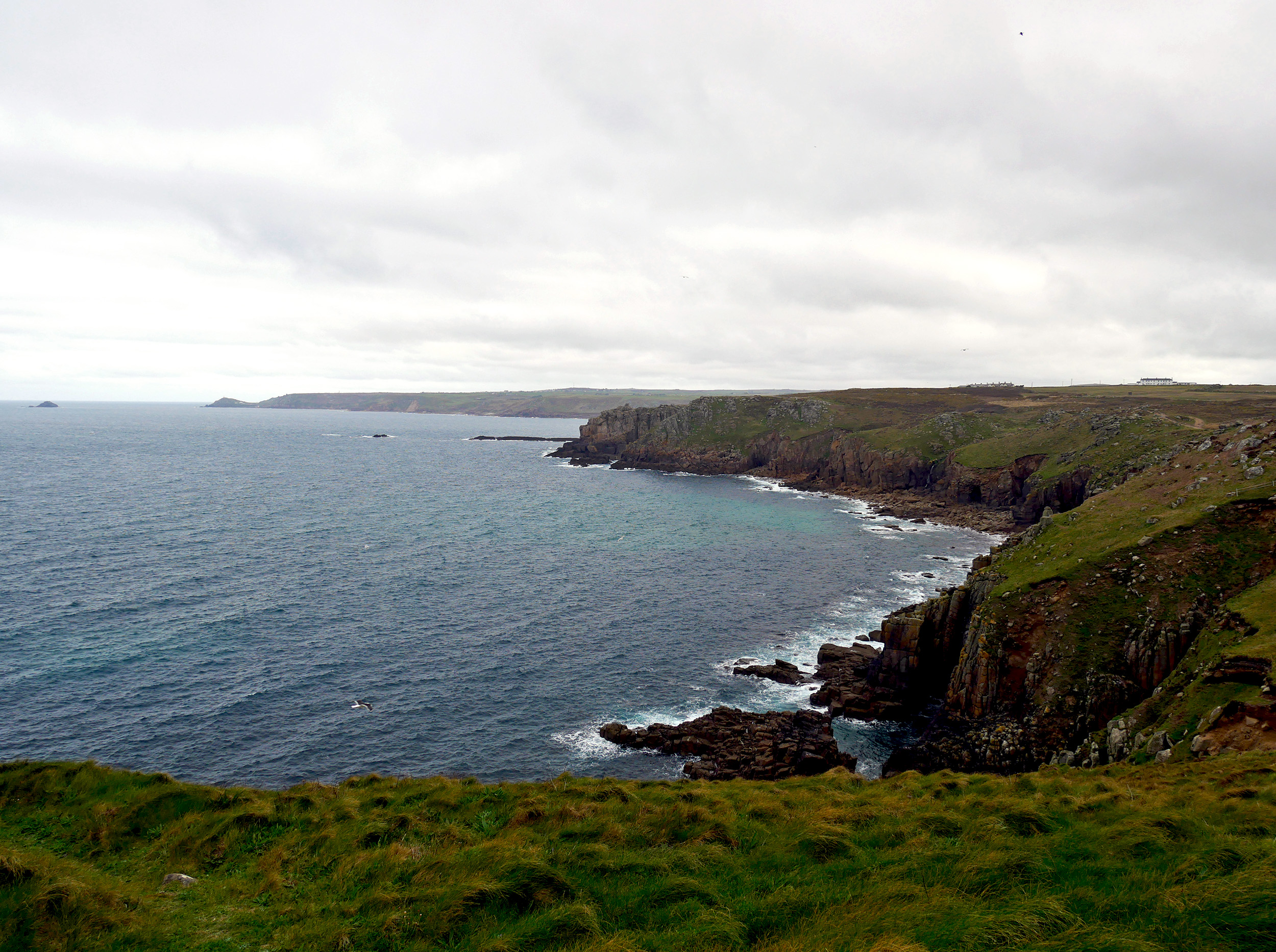
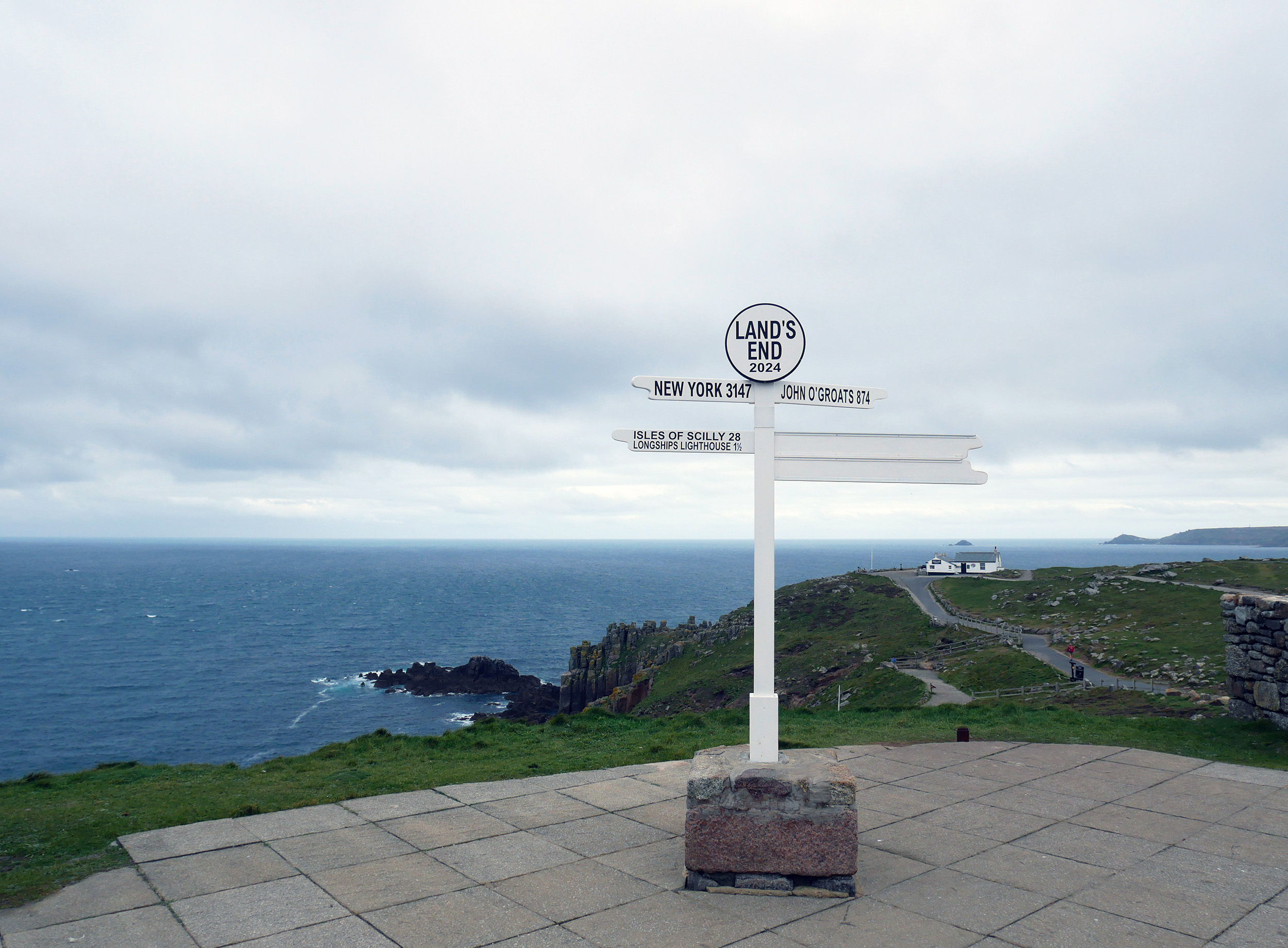
Oliver pulls up at the station’s taxi rank (the area is devoid of ride-hailing services), checks in with his boss on the pricing for my itinerary, and we’re on our way along the very picturesque A30. The most westerly point of mainland England, Land’s End is located 8-miles west-south-west of Penzance. Oliver quips about how it’s become a bit of an amusement park these days, and he’s not entirely wrong. I suppose one can make a case for the disneyfication of such an important geographic landmark, but the area is worthy of a visit for its natural beauty alone. If only to marvel at the granite cliffs that characterize the Cornish coastline, or gaze endlessly across the pond.
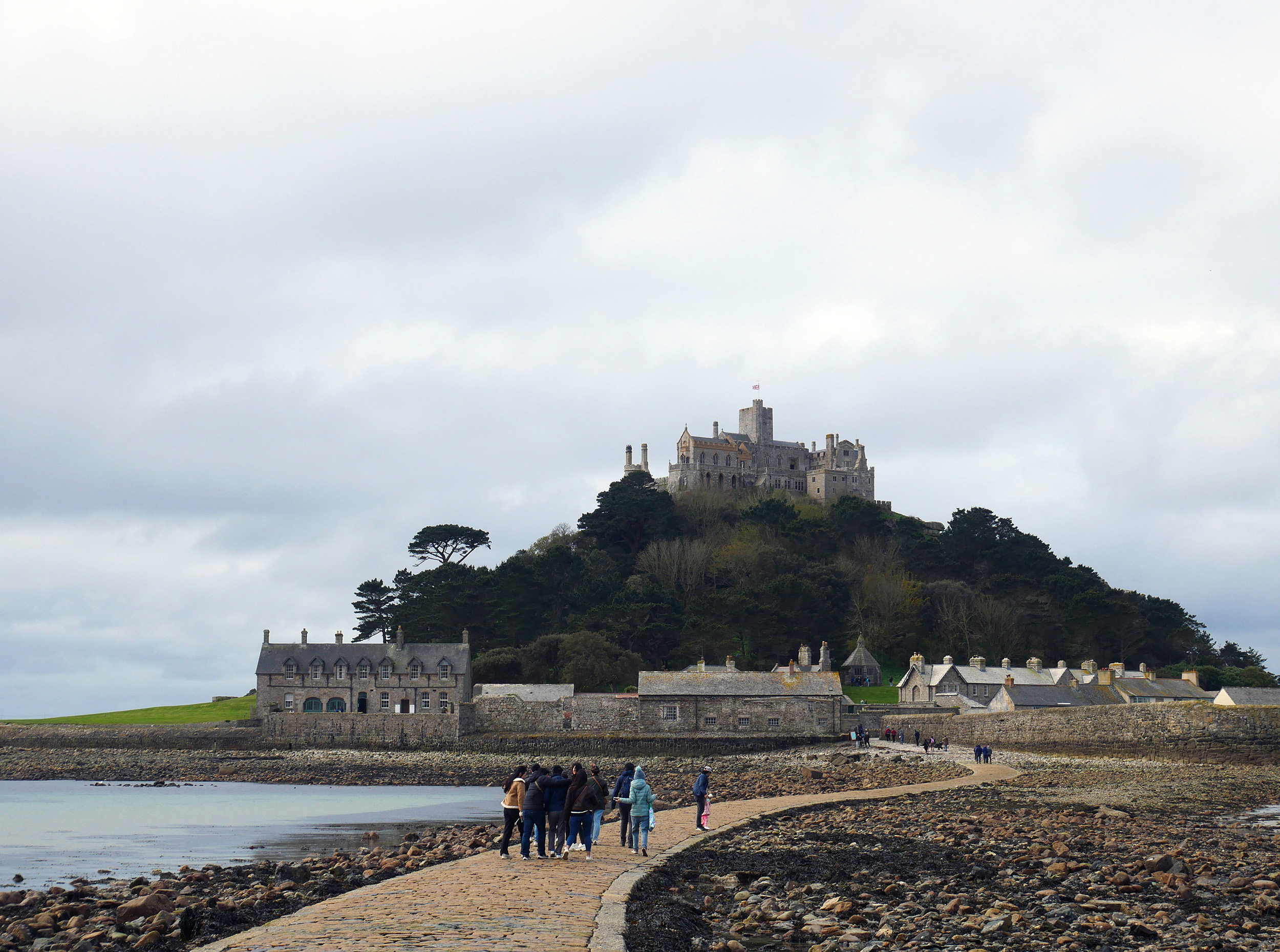
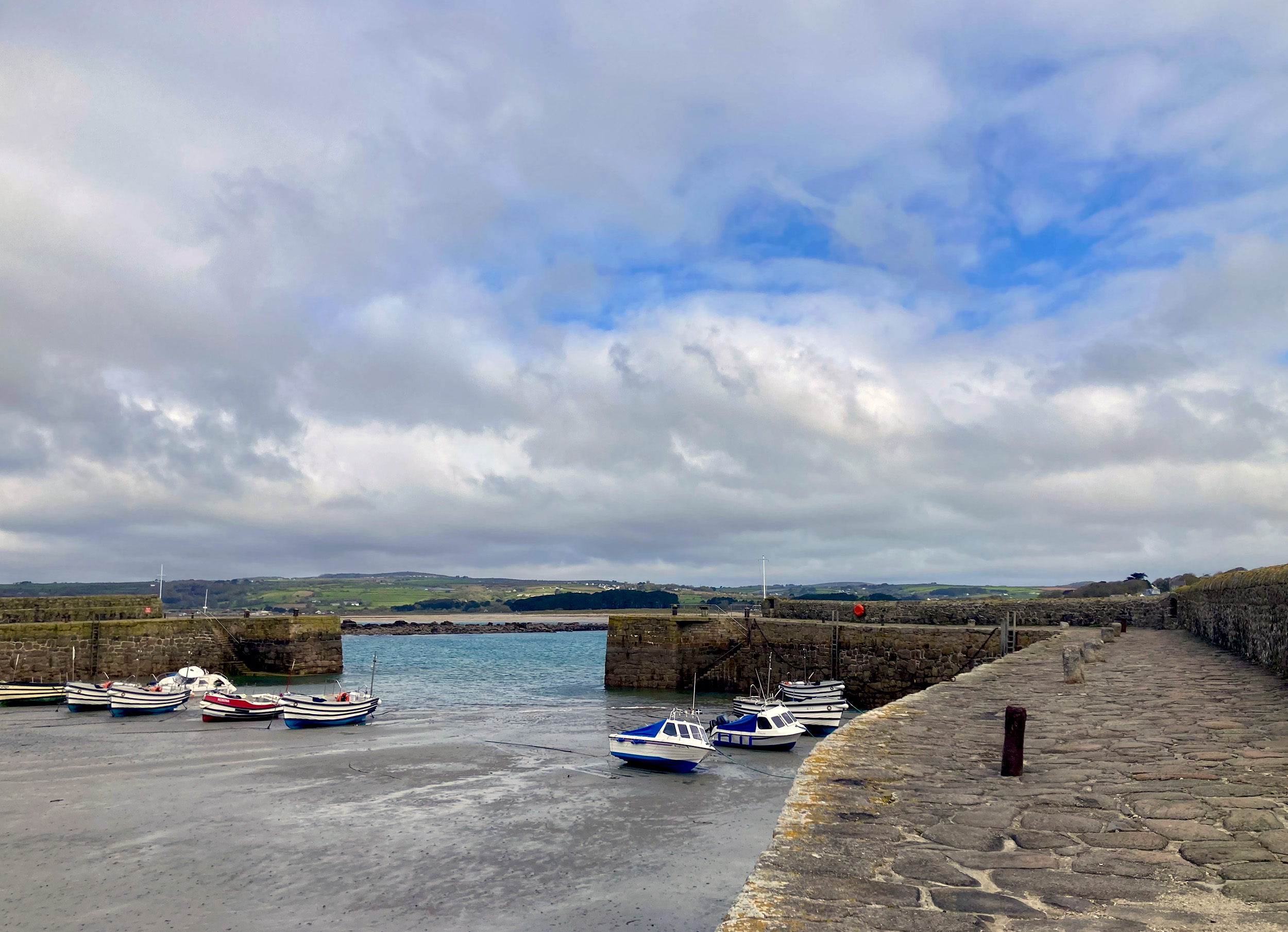
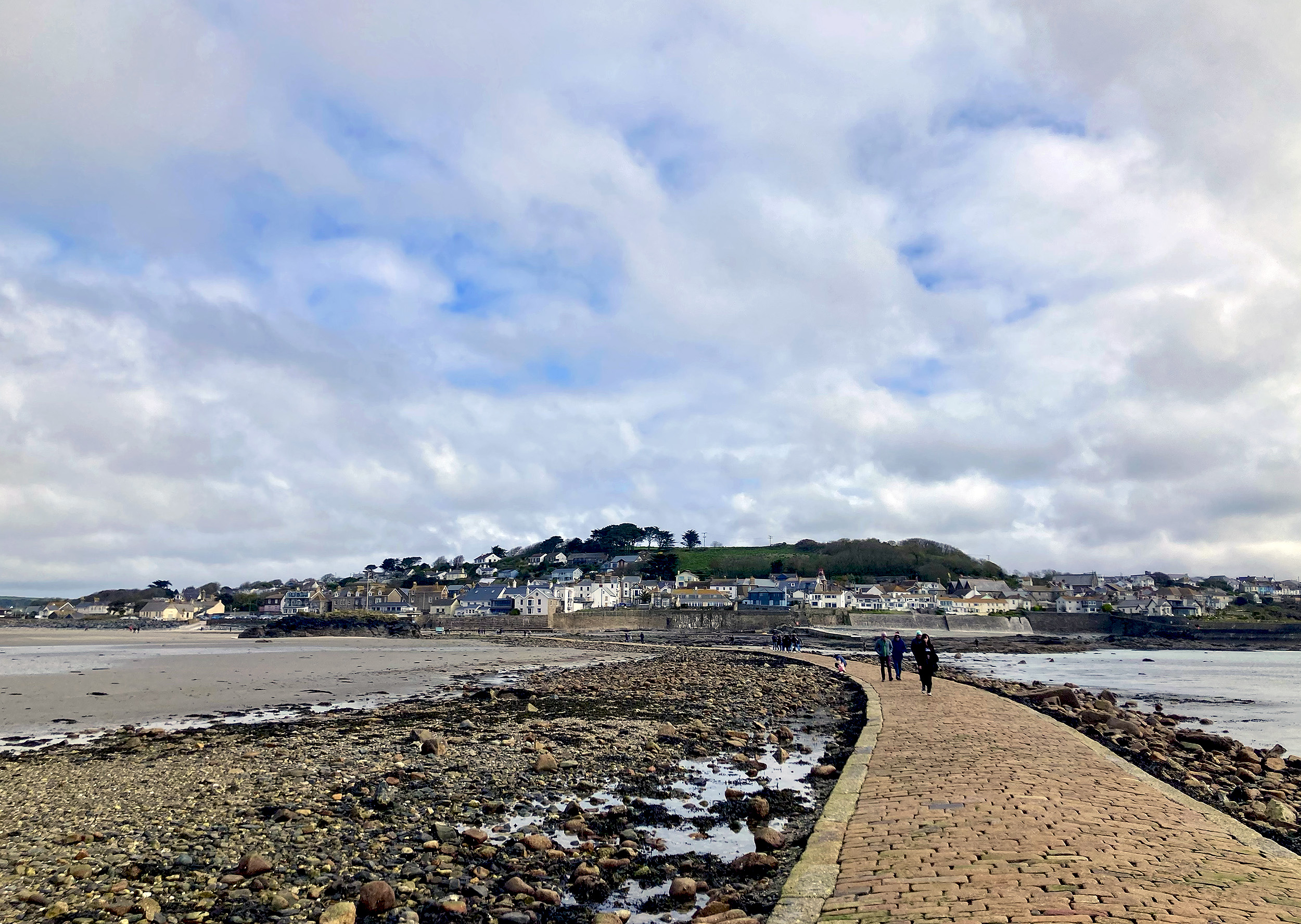
On the eastern edge of Penzance lies the coastal village of Marazion, and Oliver sets me down by a pathway leading to its namesake beach. From there, it’s a half-mile walk along the causeway to the tidal island of St Michael’s Mount, England’s answer to Mont-Saint-Michel in France. I’m not quite sure when I’ll make it to the Normandy coast, but for now, St Michael’s Mount, with its medieval castle perched high on a hill and hemmed in by water, is a sight to behold. Walking towards it along that ancient stone causeway – an activity that’s entirely dependent on the tides, and as a result, only available for a very short window of time each day – is a thrill in its own right.
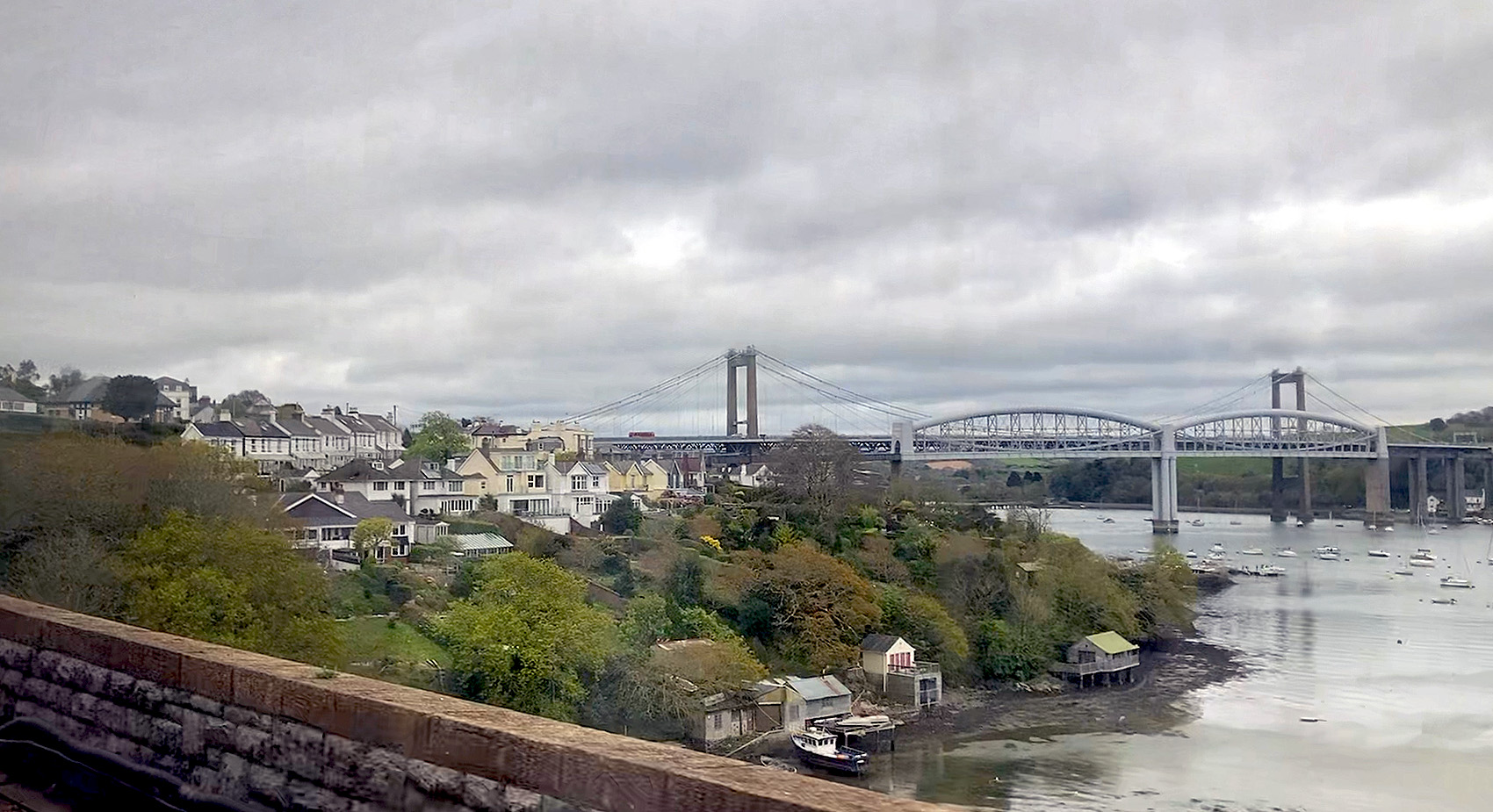
The River Tamar accounts for much of the county line between Cornwall and Devon in southwest England. For the railways, that water body was surmounted in 1859 by another Brunel masterpiece, the Royal Albert Bridge. On my daytime journey back to London, that crossing is in fact one of the main highlights. As is a rather close connection at Plymouth; the express departure kept waiting there, thankfully, for our late incoming local from Penzance. And with its glorious sea wall at Dawlish, which the railway practically hugs, Devon doesn’t disappoint either.
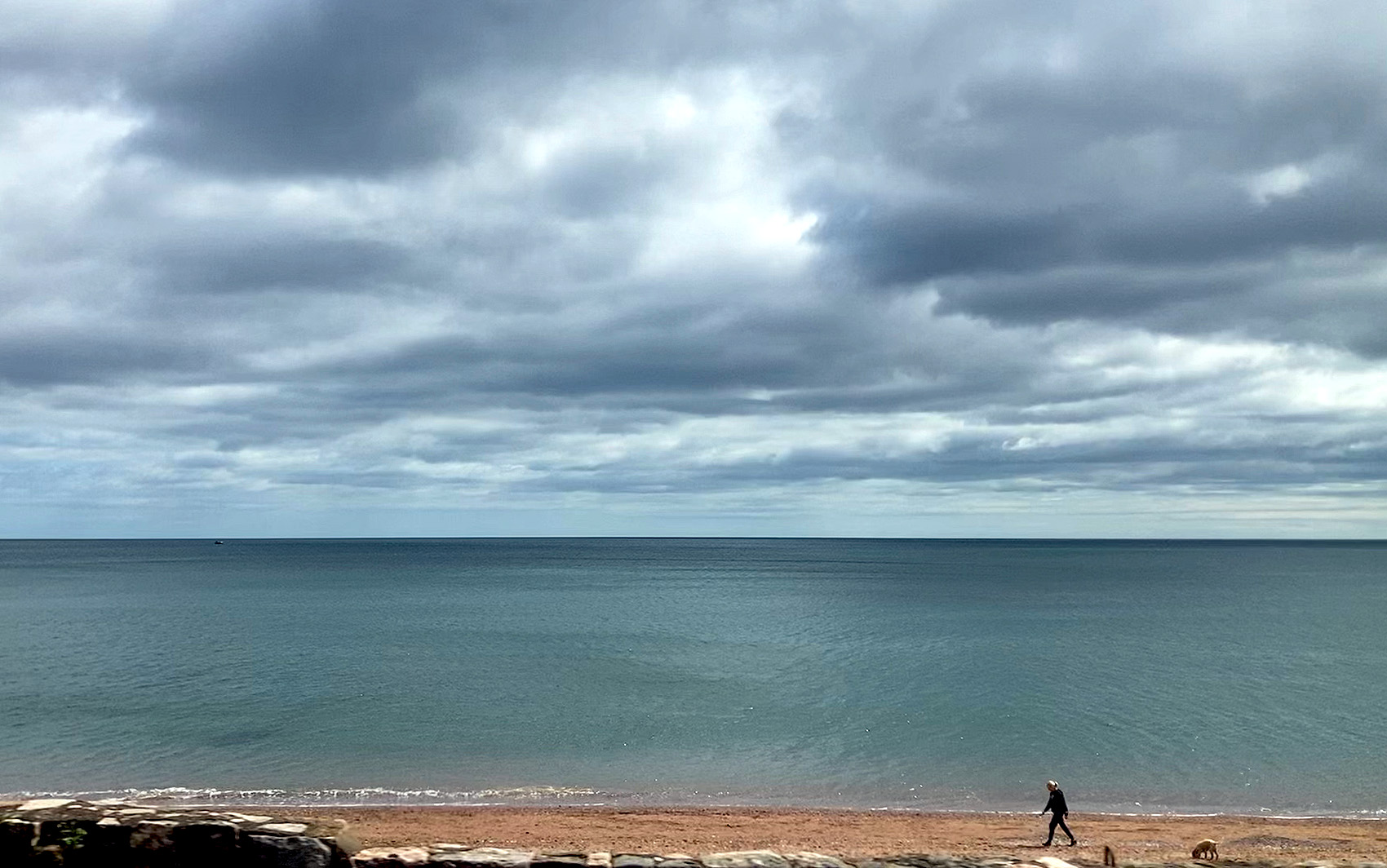
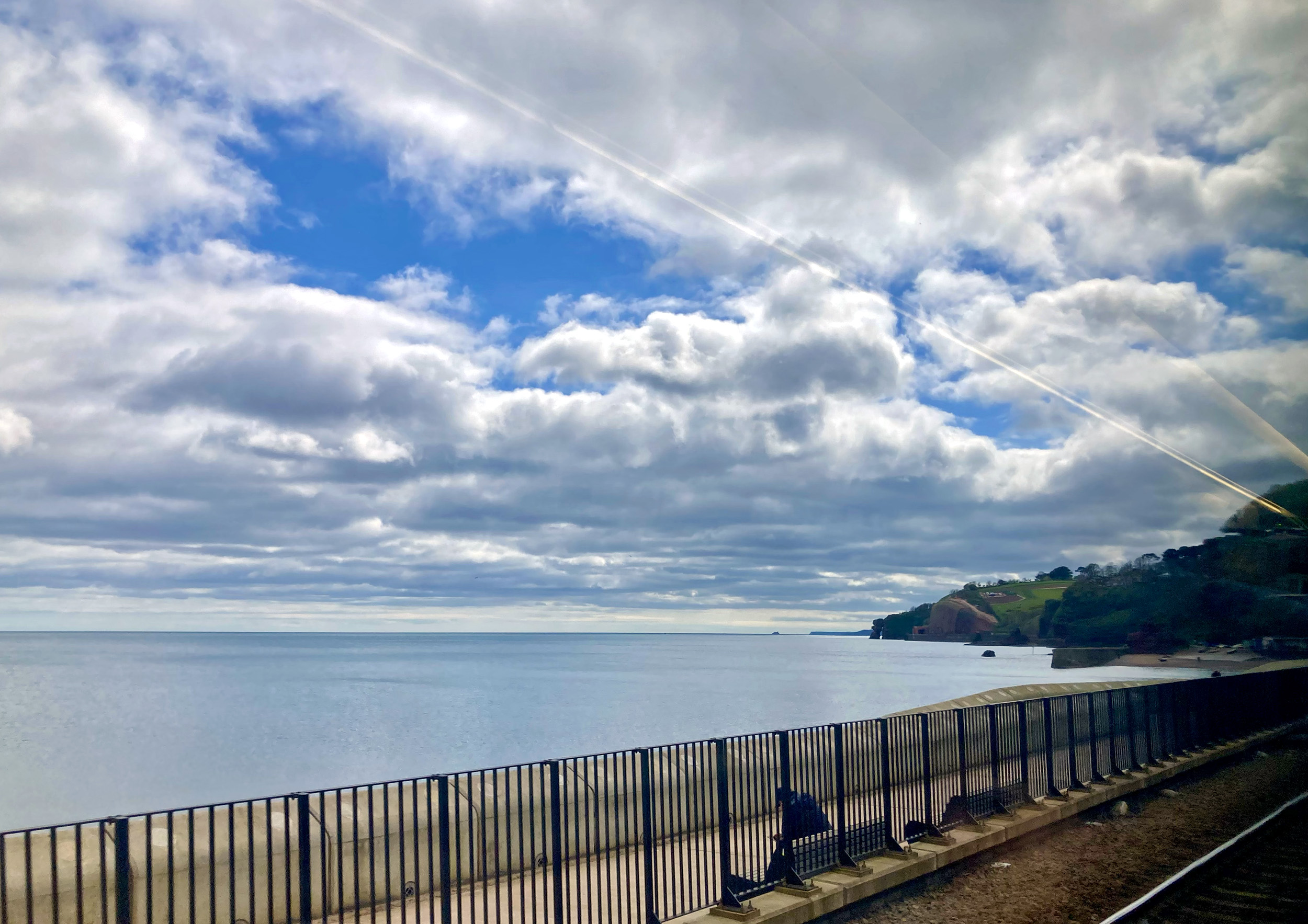
In a lot less time than it took me getting to Penzance, I’m back in the bustle of Paddington. In a matter of hours, long after London’s rush hour abates, platform 1 will slowly come to life. As I walk beneath the grand old clock about to exit the station, I feel like I’m ready to repeat it all over again…
A full set of photos from my journey to Penzance can be seen on my Flickr.
 brat's ramblings