
My departure gate has a familiar buzz to it. An air of bonhomie, bordering on the raucous, and Spanish that’s too fast to follow along or understand. DL 1943 is a locals-only flight, and I’m the lone outsider amongst the diaspora queuing up to board it. I might as well be at 175th street, waiting for an uptown A train! Much like the A, running express between 59th and 125th streets, the flight to Santo Domingo is a blur, and it’s well past everyone’s bedtime by the time I make it to Casa Sánchez.
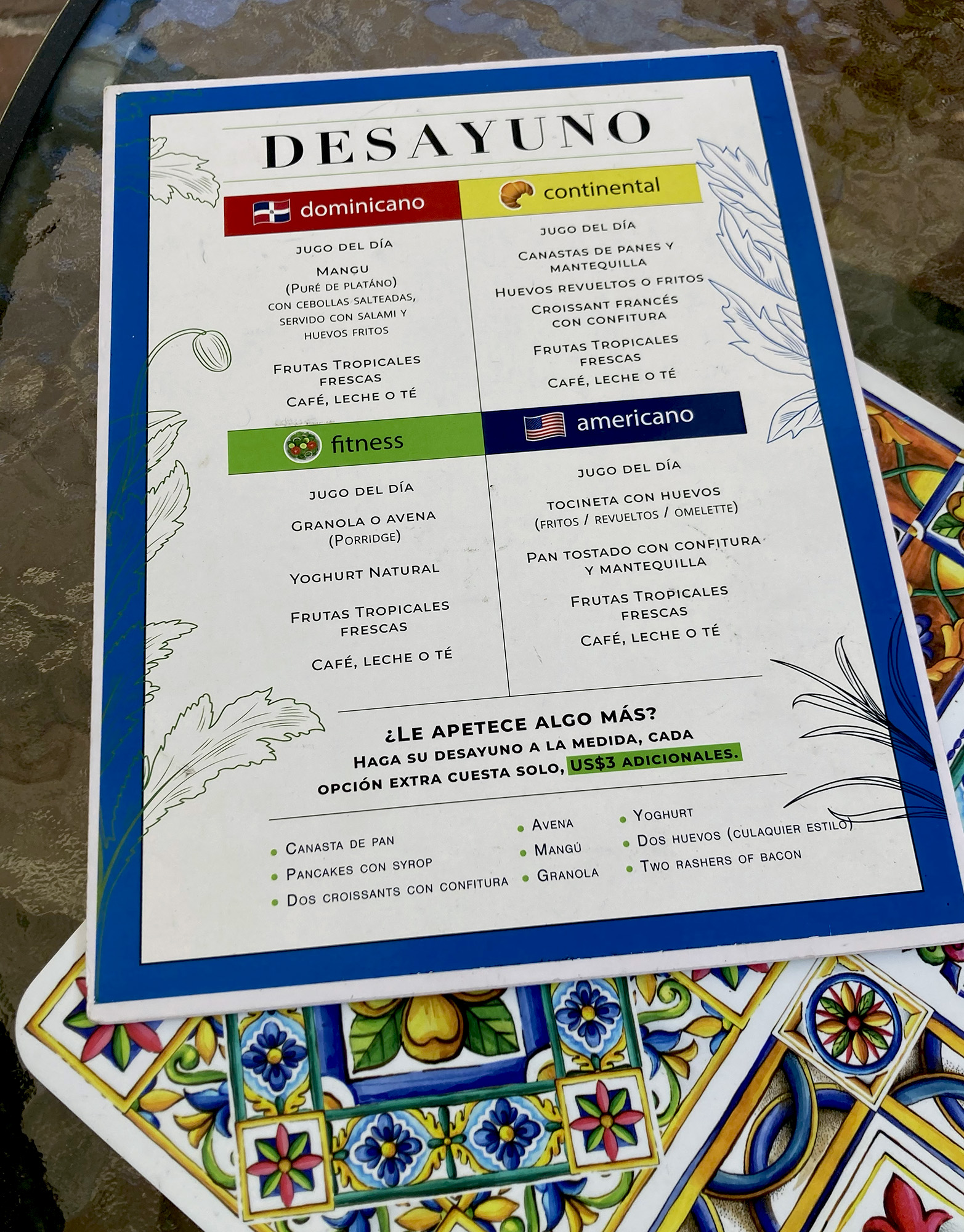
I awake to that unmistakable tropical feeling. Moisture-laden air, a scorching sun amidst a dazzling blue sky, a colorful courtyard full of fruit-bearing trees, and a hearty desayuno to look forward to.
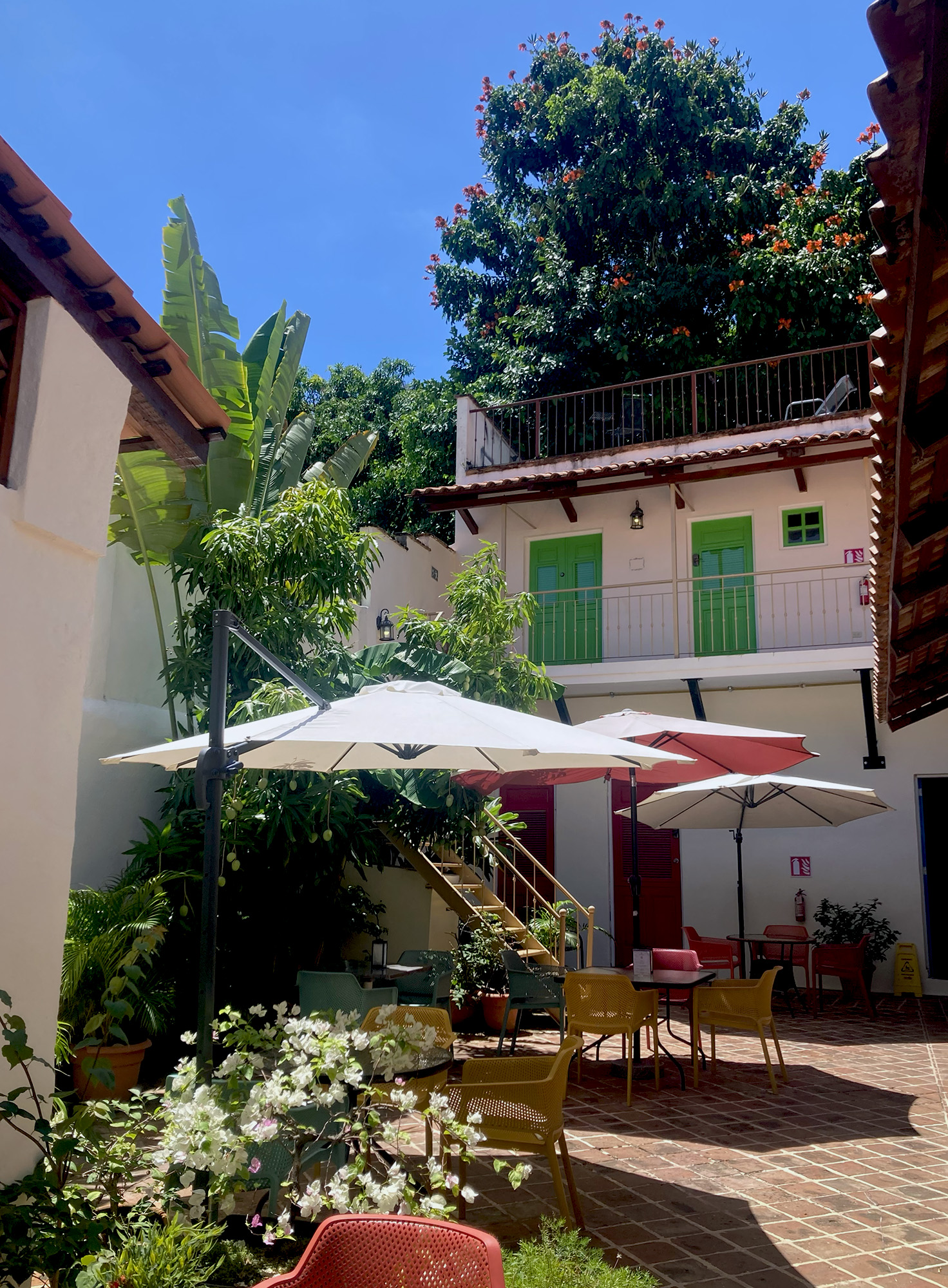
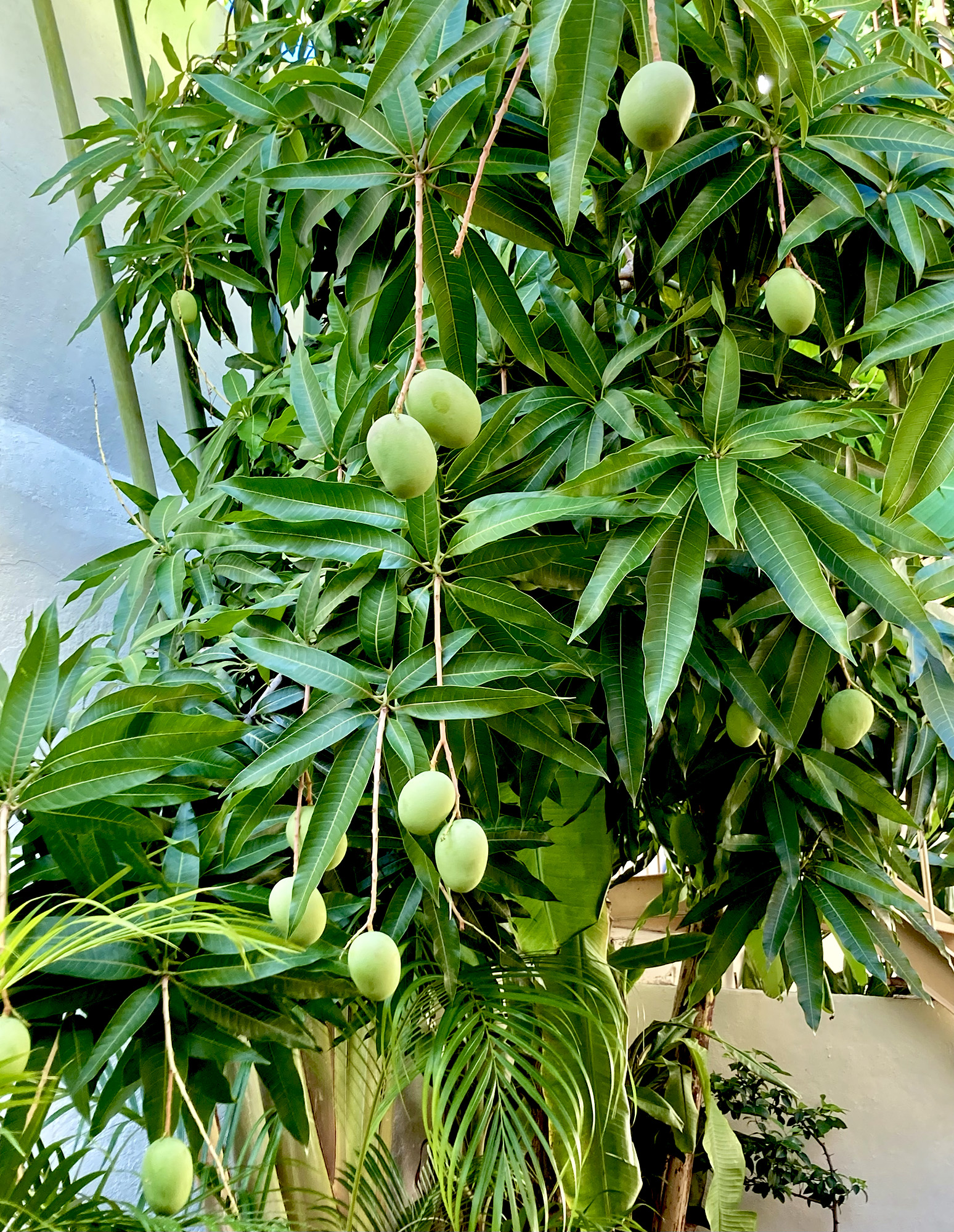
The first of many. The “adults only” Casa Sánchez, a boutique property in Santo Domingo’s colonial quarter, was formerly home to the family of the first President of the Dominican Republic. A plaque on its business-facing facade commemorates that fact, but its also fairly easy to miss. As is much of this storied city’s rich history. And history is everywhere in Santo Domingo, often several layers deep. The first paved street in the Americas. The first military construction of European origin in the Americas. The oldest cathedral in the Americas. The first hospital in the Americas. Blink and you’ll miss it. Santo Domingo, established in the late 15th-century, became the first permanent settlement in the New World, as the Europeans came to refer to the Americas, with a blueprint that several cities would adopt as their own.
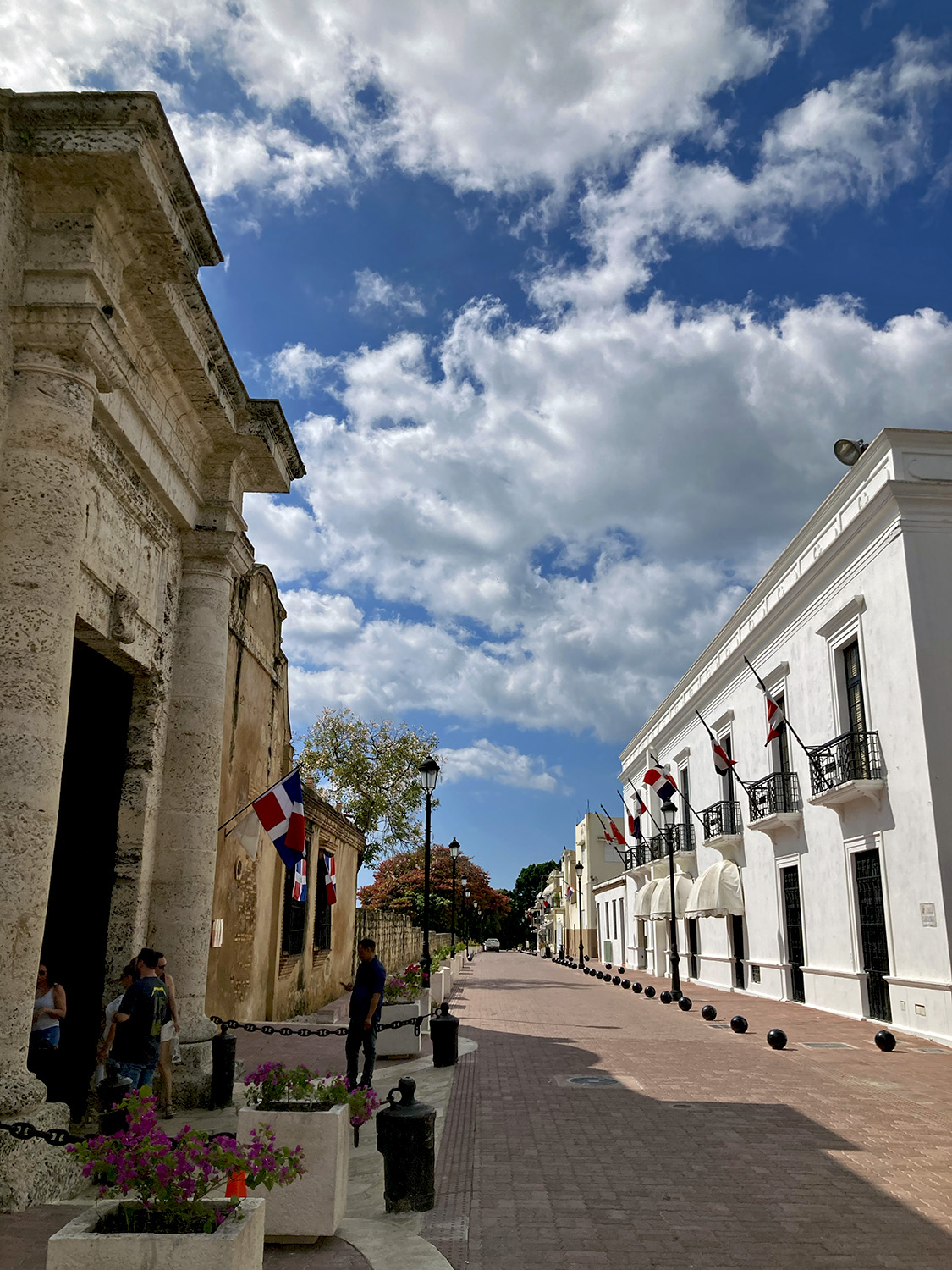
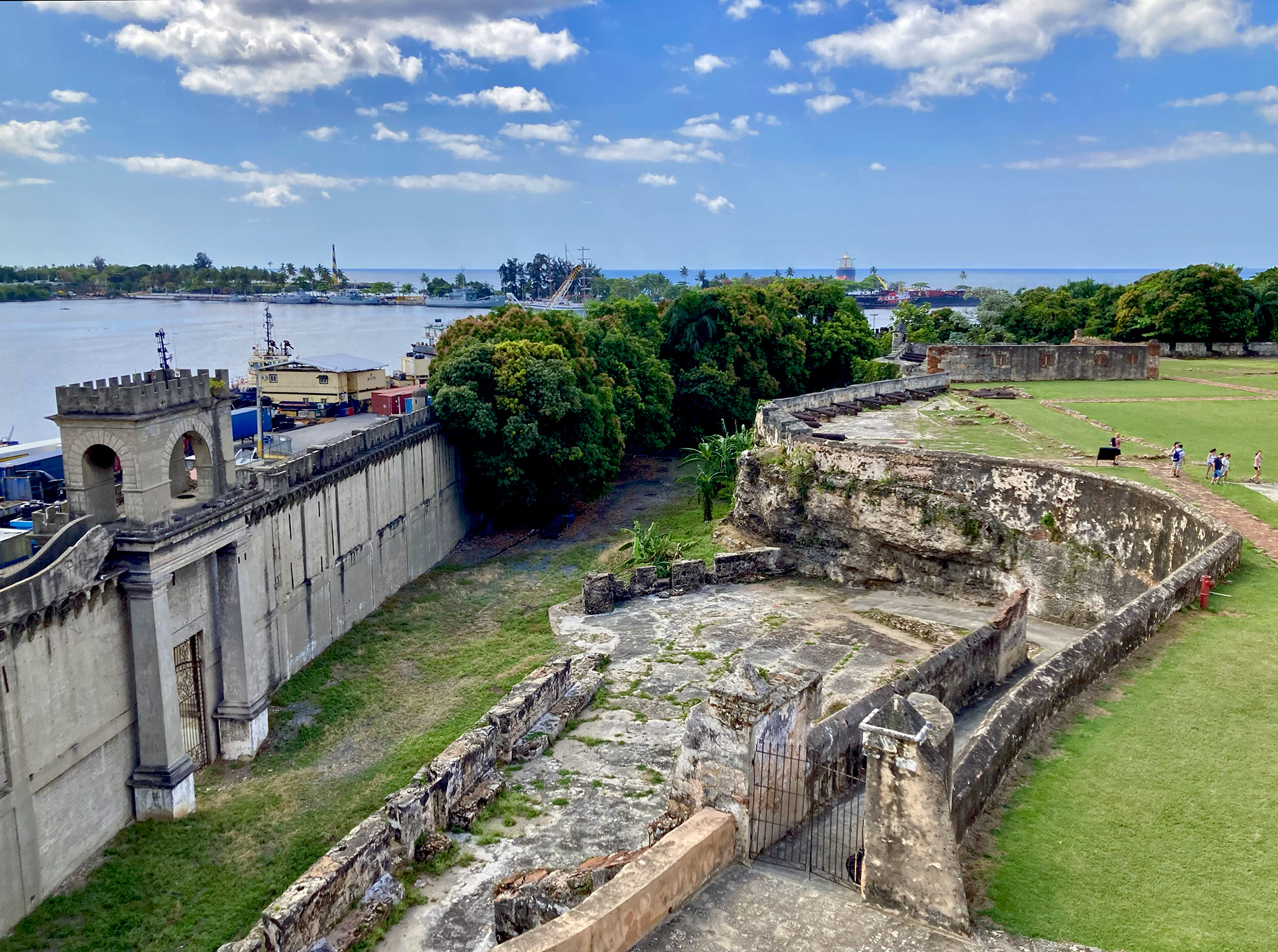
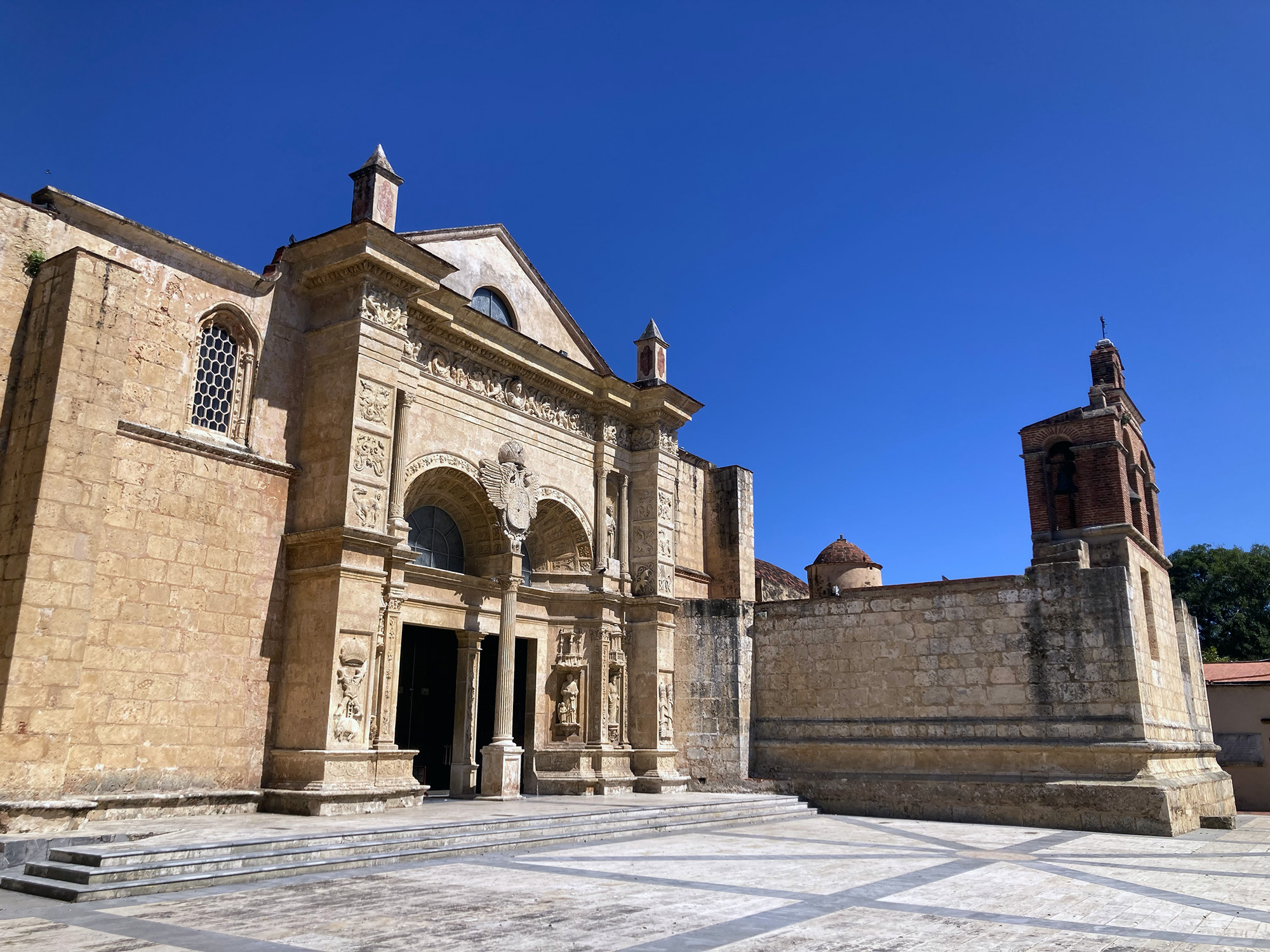
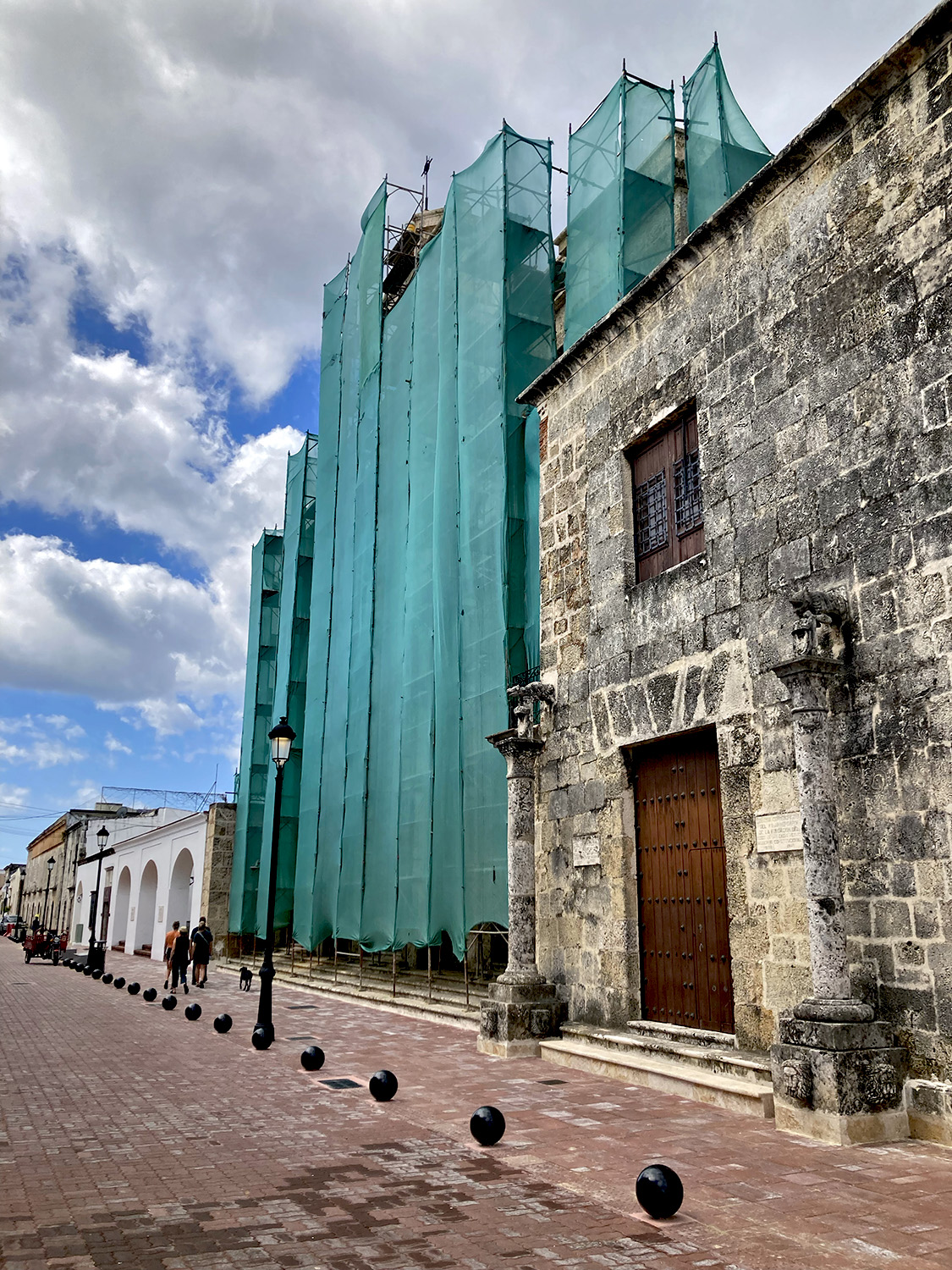
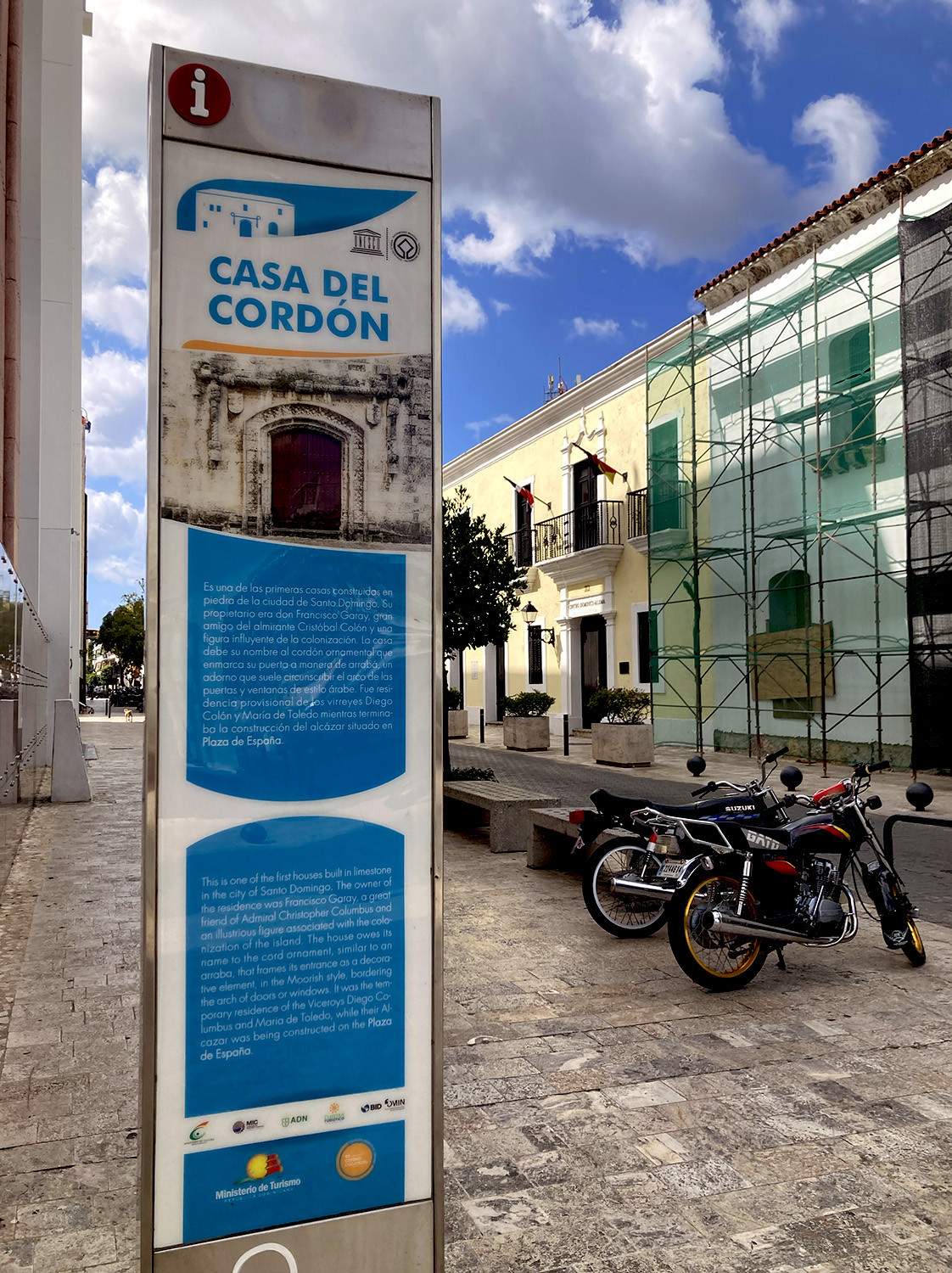
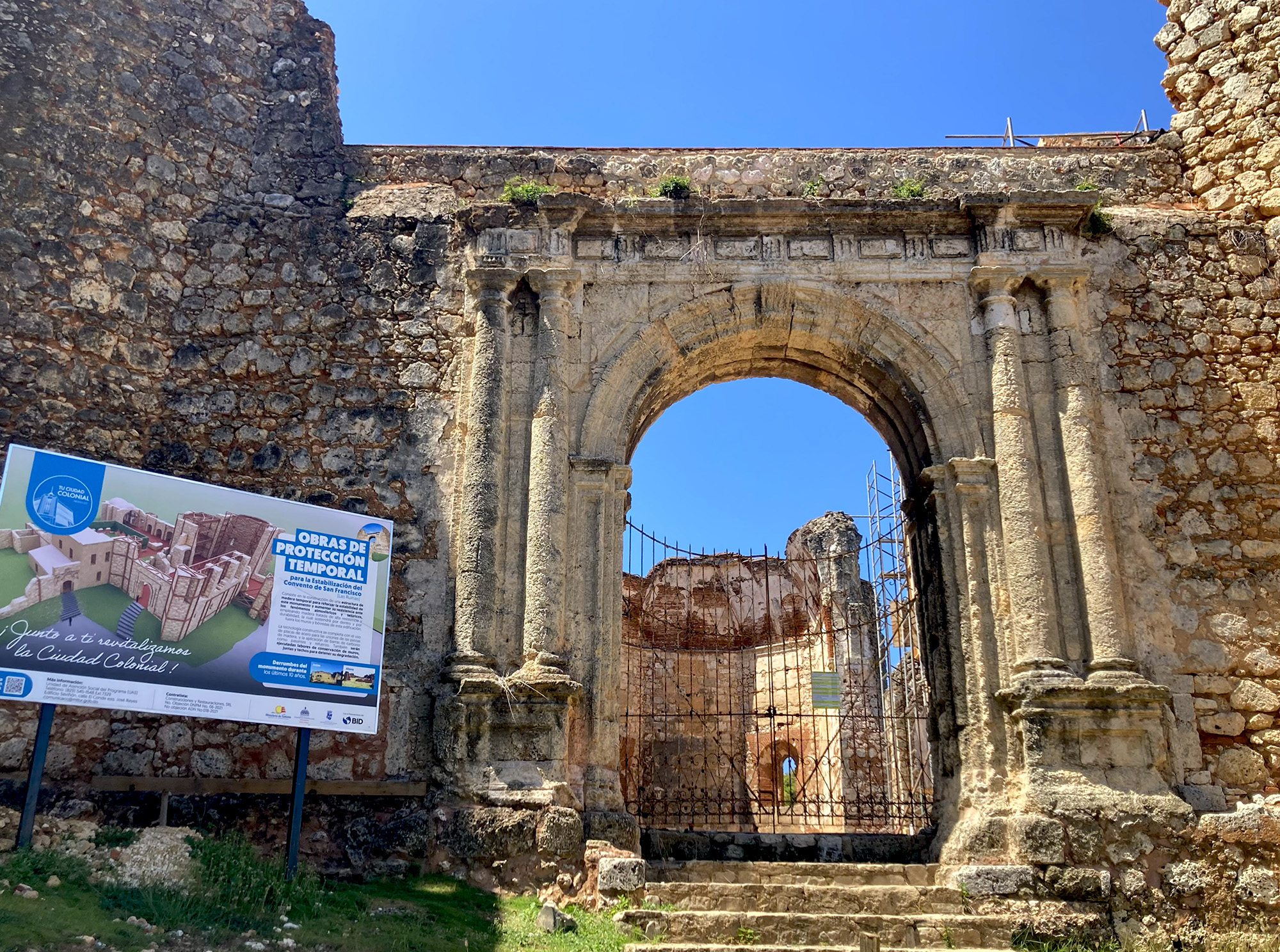
Ruins and renewal. Despite its celebrated past, the streets and buildings of Santo Domingo’s old quarter appear fairly run down, especially when compared to other preserved colonial centers, like in San Juan or Panama City. But there are signs of renewal and repair too. At least 3 points of interest I’m keen on visiting are, rather frustratingly, out of reach. In each instance, renovation is the culprit. Several streets are dug up, seemingly in anticipation of a redesign to make them pedestrian-friendly. A select few colonial buildings are receiving a fresh coat of much needed paint. Even the sprawling ruins of Nicholas de Bari Hospital and the Monastery of San Francisco, rendered so by a succession of earthquakes, are getting a facelift. In a couple of years time, I have no doubt, Santo Domingo will be a more pleasant place to visit, its old quarter easily justifying its World Heritage credentials.
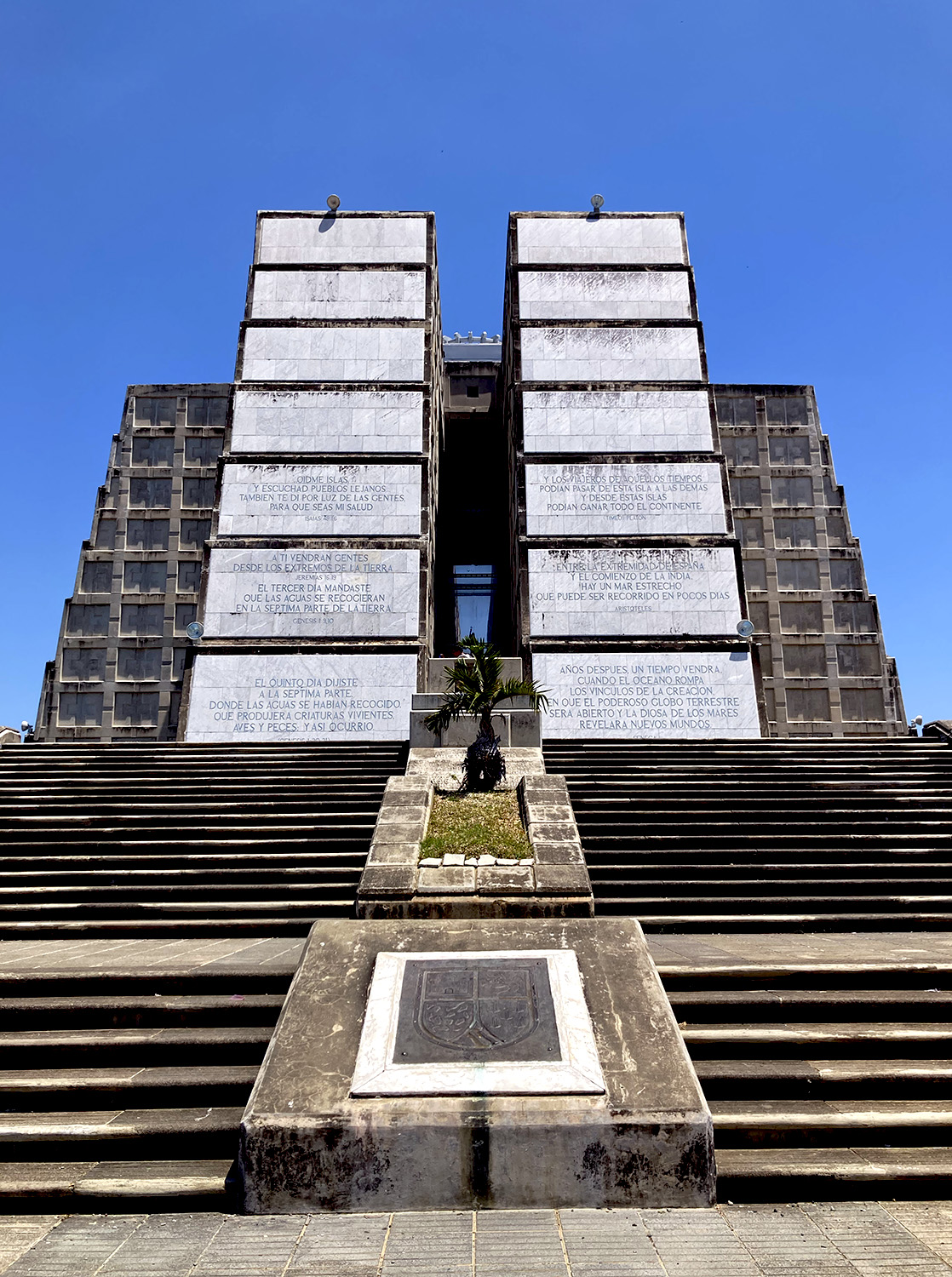
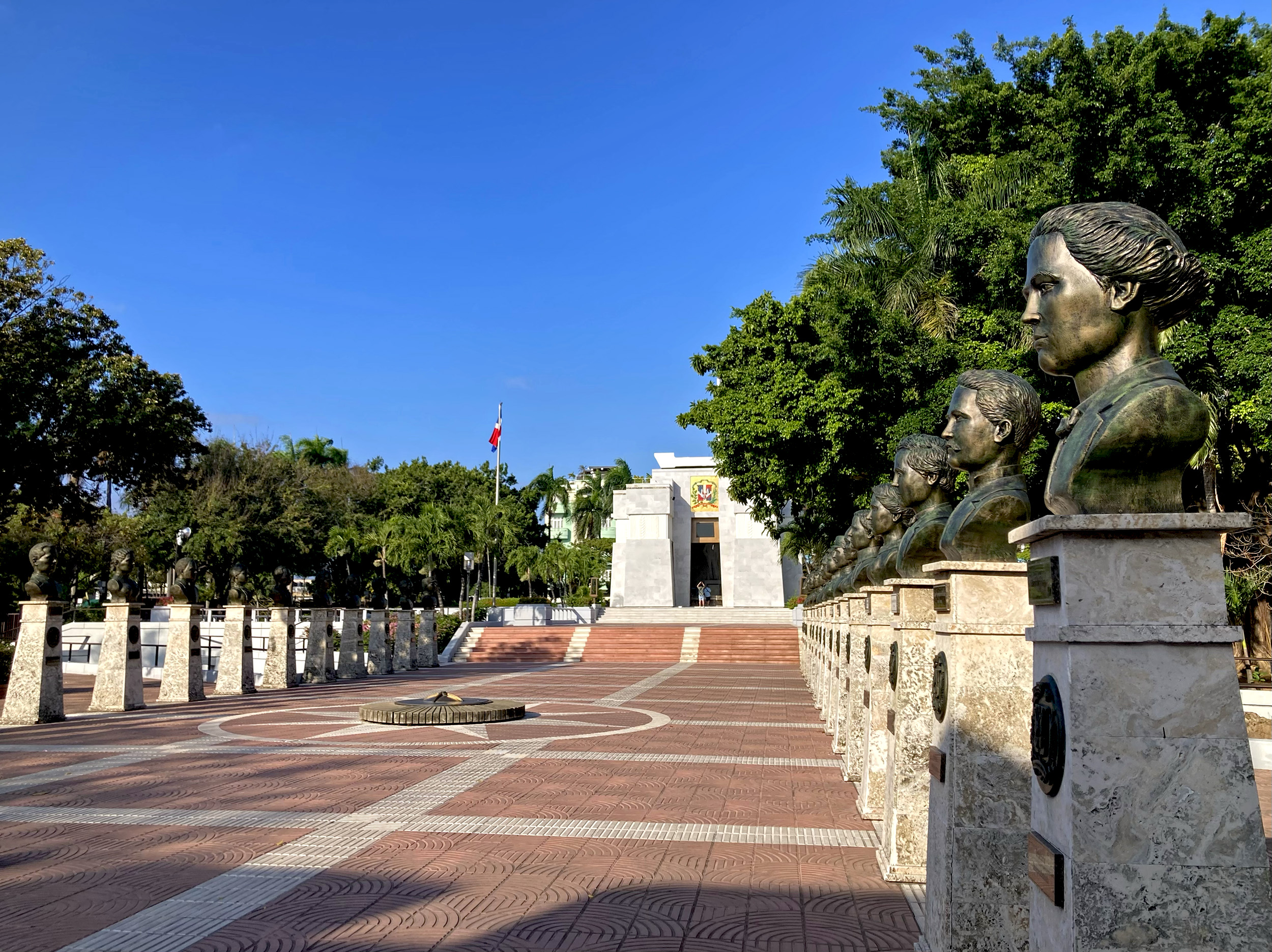
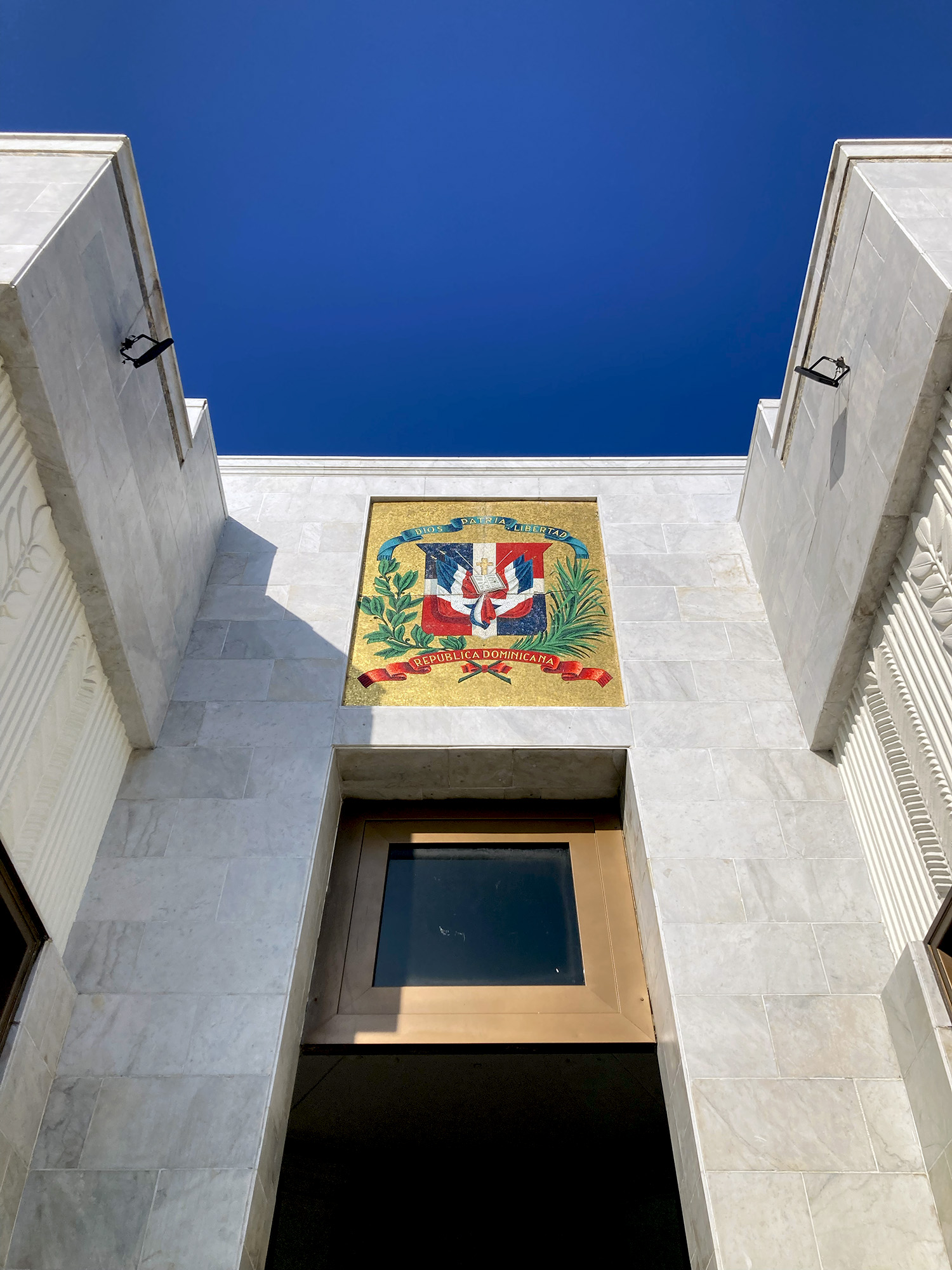
From Admiralty to Presidency. Beginning in 1492, Christopher Columbus made four voyages to the Caribbean, discovering “The Americas” in the process, eventually earning him the title, Admiral of the Ocean Sea. It was his brother, Bartholomew, however, who founded the settlement of Santo Domingo, which would go on to become the capital of all of Spain’s colonies in the New World. Between the late 15th and 19th centuries, the Dominican Republic or DR as we know it today, was ruled over by the Spanish, annexed by the Haitians, and despite declaring its independence in 1844, occupied twice by the United States. Today, an over-the-top monument to Columbus stands in stark contrast to the relatively sober memorial honoring the Republic’s founding fathers. But despite that obvious contradiction, and the symbolism of their location on opposite banks of the Ozama River, they appear to bind together the country’s checkered past.
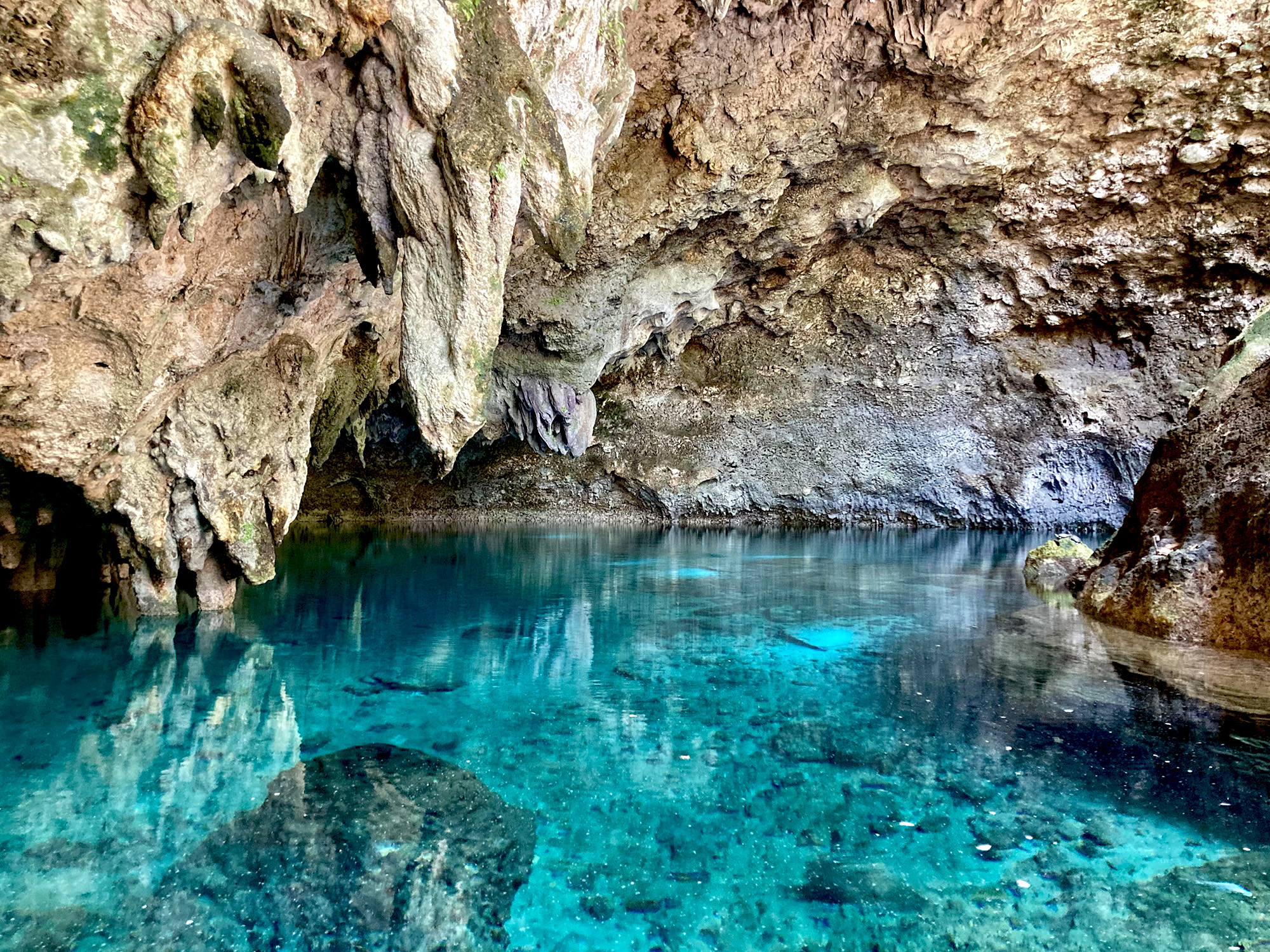
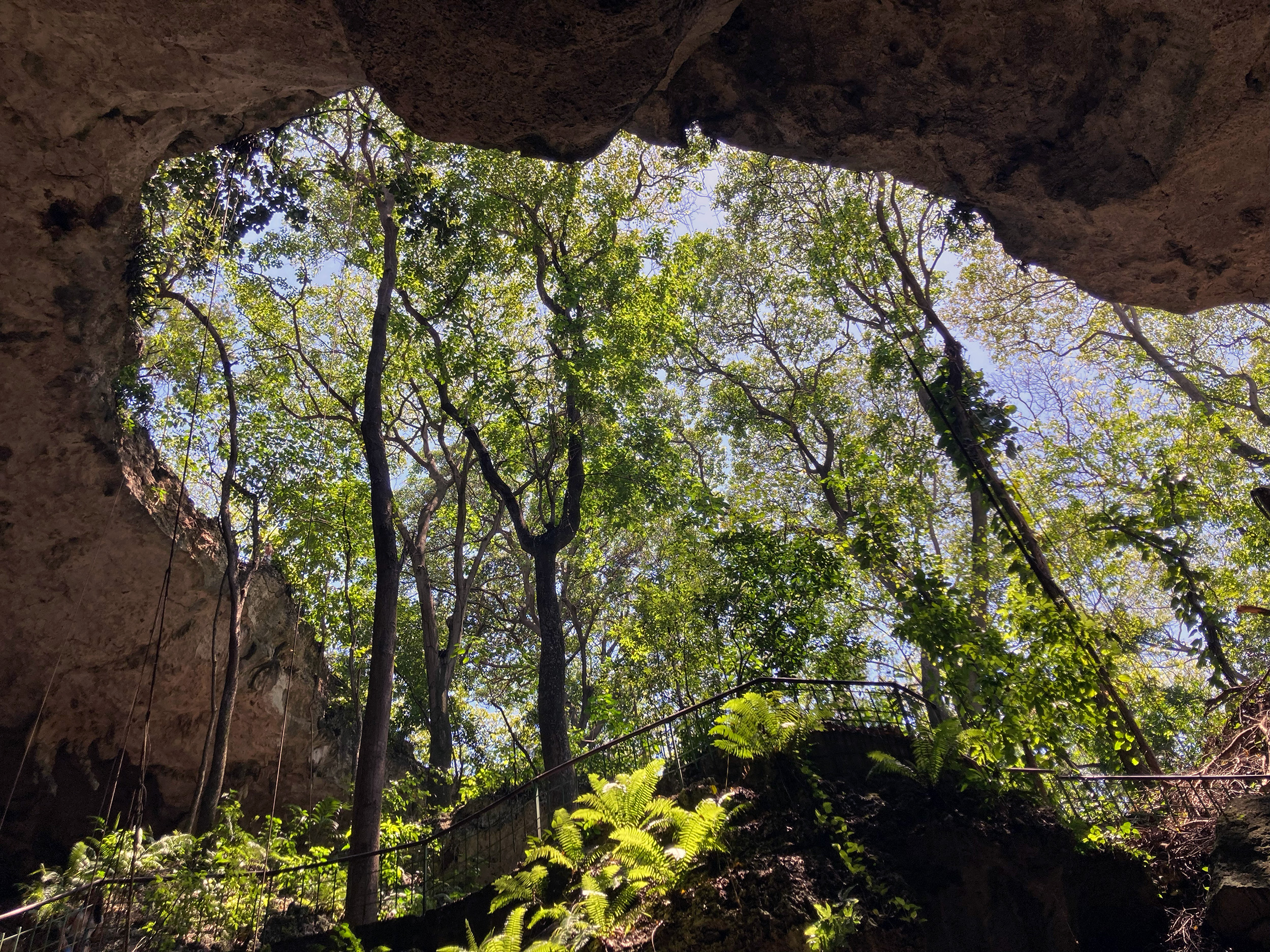
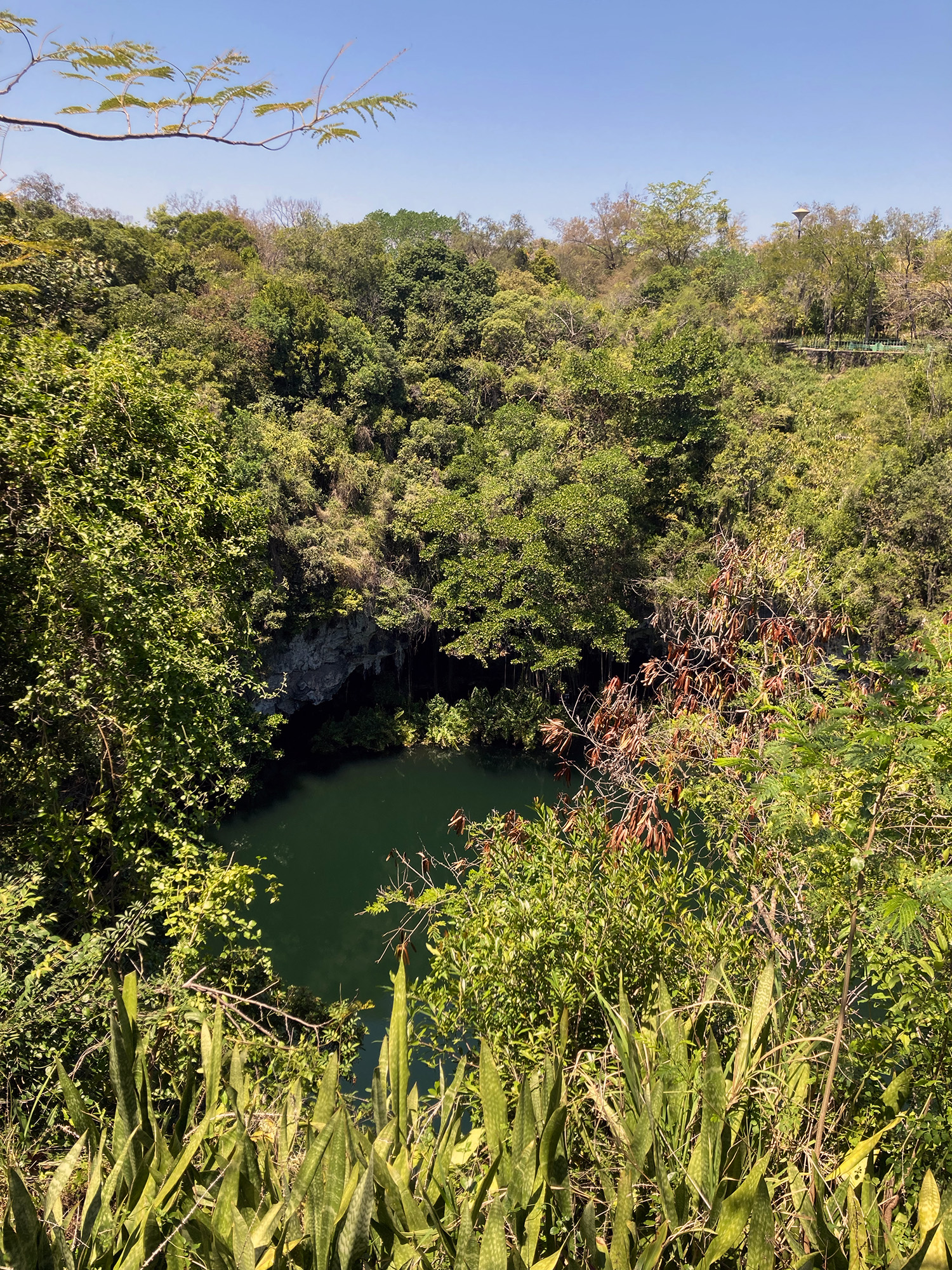
Eyes of the Taíno. Hispaniola, the island that Haiti and the Dominican Republic call home, belonged to the indigenous Taíno people. That is, until Columbus descended on its shores. Expectedly, not much remains of their lot today, barring a few traces of their habitat. Barely a 15-minute drive east from Santo Domingo’s city center lies Parque Nacional Los Tres Ojos or The Three Eyes National Park, an open air limestone cave system, fed by water from an underground river and surrounded by stalactites and stalagmites. The Taíno used the caves as a means of refuge and to perform their rituals, and referred to the trio of cave pools or cenotes as “the three eyes”. You may recognize the park from some of the bigger productions its featured in (Tarzan and Jurassic Park III, amongst them), but do yourself the favor of experiencing it in person. It’s every bit worth the detour from the old quarter, and a welcome respite from the built environment.
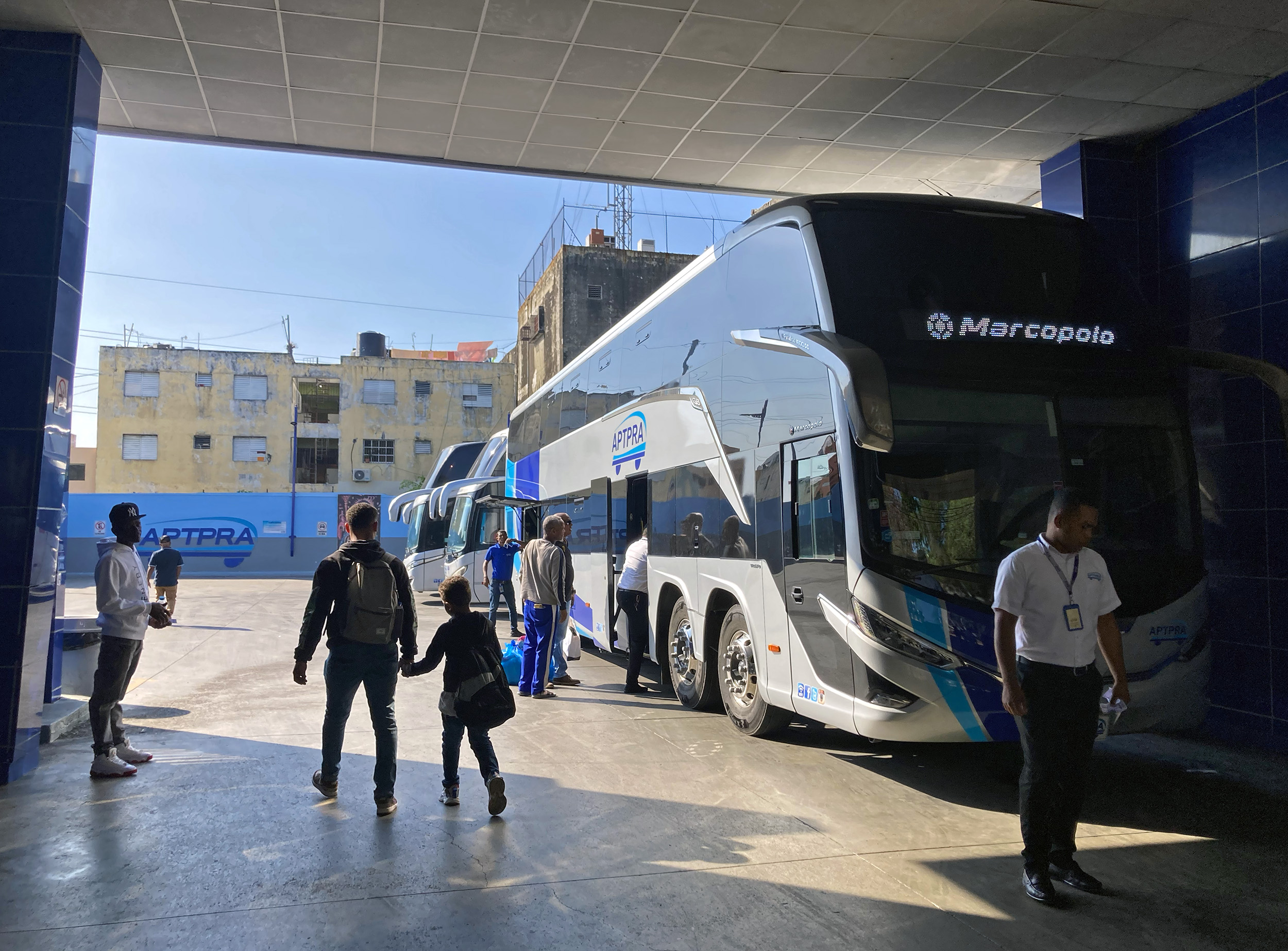
All that lies between. Across from Parque Enriquillo, in downtown Santo Domingo, lies the utterly chaotic APTPRA bus terminal. Tickets can only be bought in person within an hour of departure, and departures can be pushed back at the whim of the booking clerk. Easter is a big deal in these parts, and I should’ve known better than to try and get on a bus the Friday before. While most of the locals appear to be headed north towards Puerto Plata or the Samaná Peninsula this long weekend, I’m headed to the eastern tip of the DR, and probably the country’s biggest brand ambassador, Punta Cana.
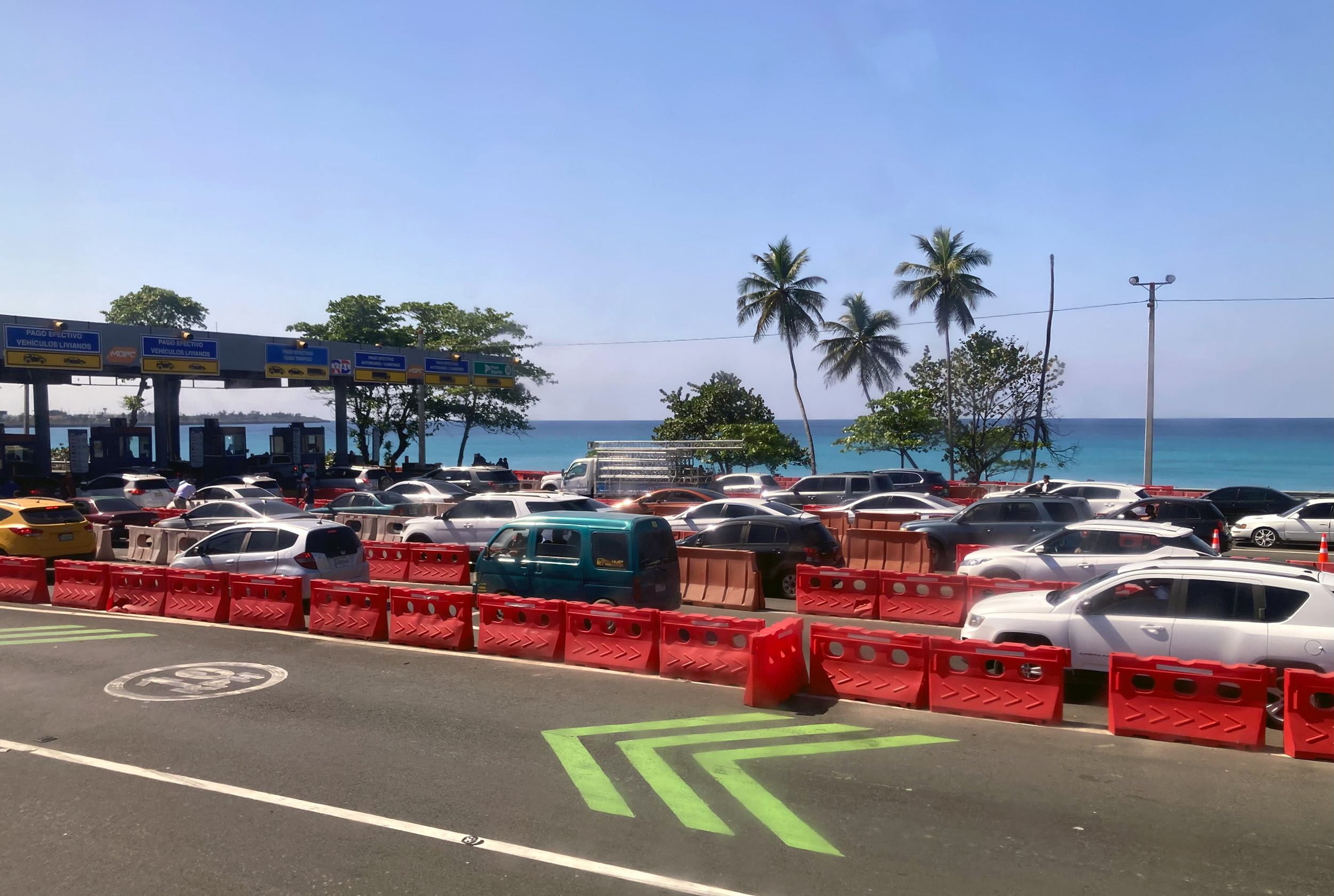
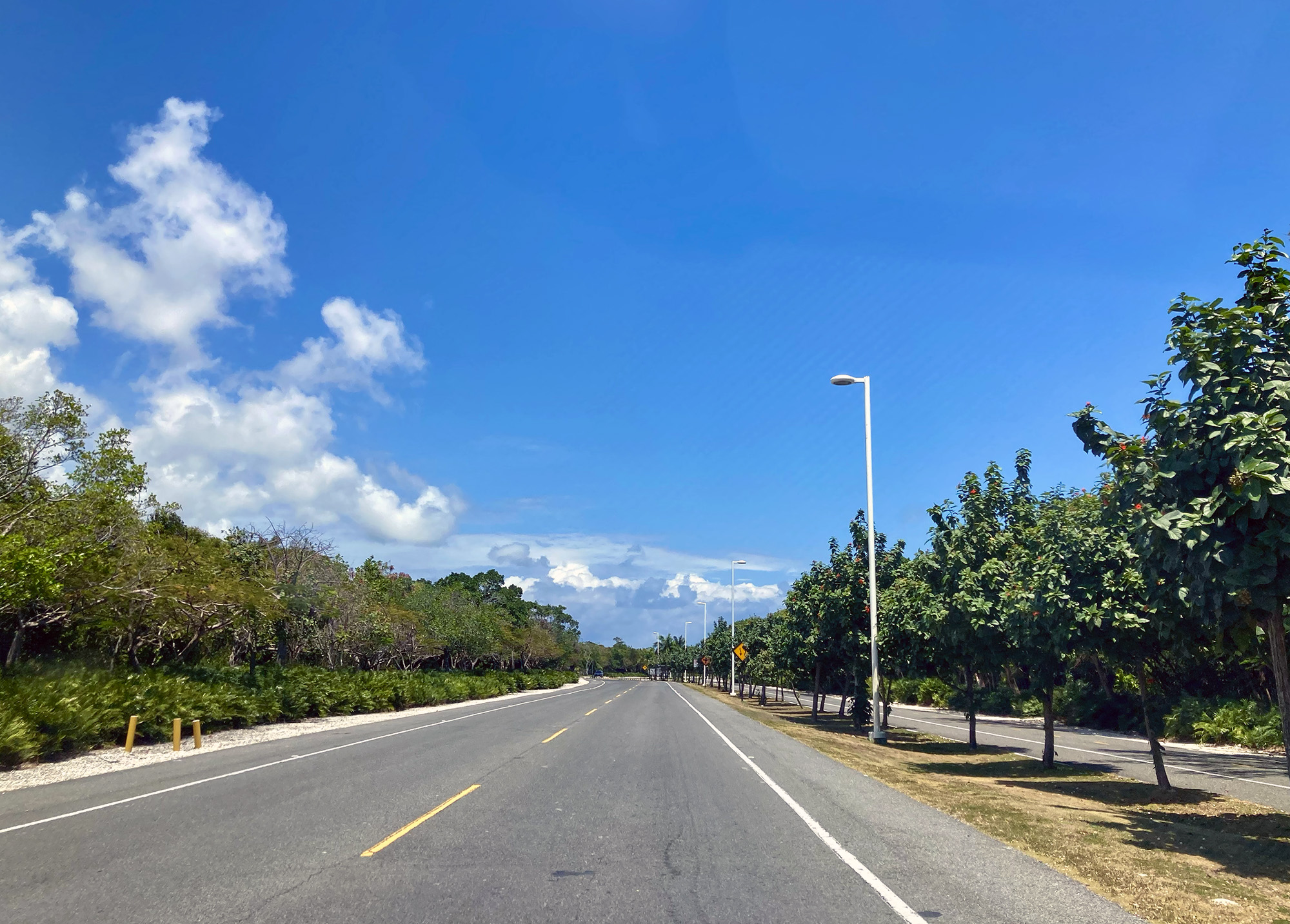
On my two hour bus ride this morning lie tantalizing views of the Caribbean, a peppering of savanna grassland, the sugarcane railroads of La Romana, and a handful of lush river valleys; the topography turning almost pancake-like as we edge further east. Closer to Punta Cana, the road surface improves, street side trash miraculously disappears, and landscaping makes an appearance. Nothing appears worn or neglected anymore. In fact, it might as well be a different country!
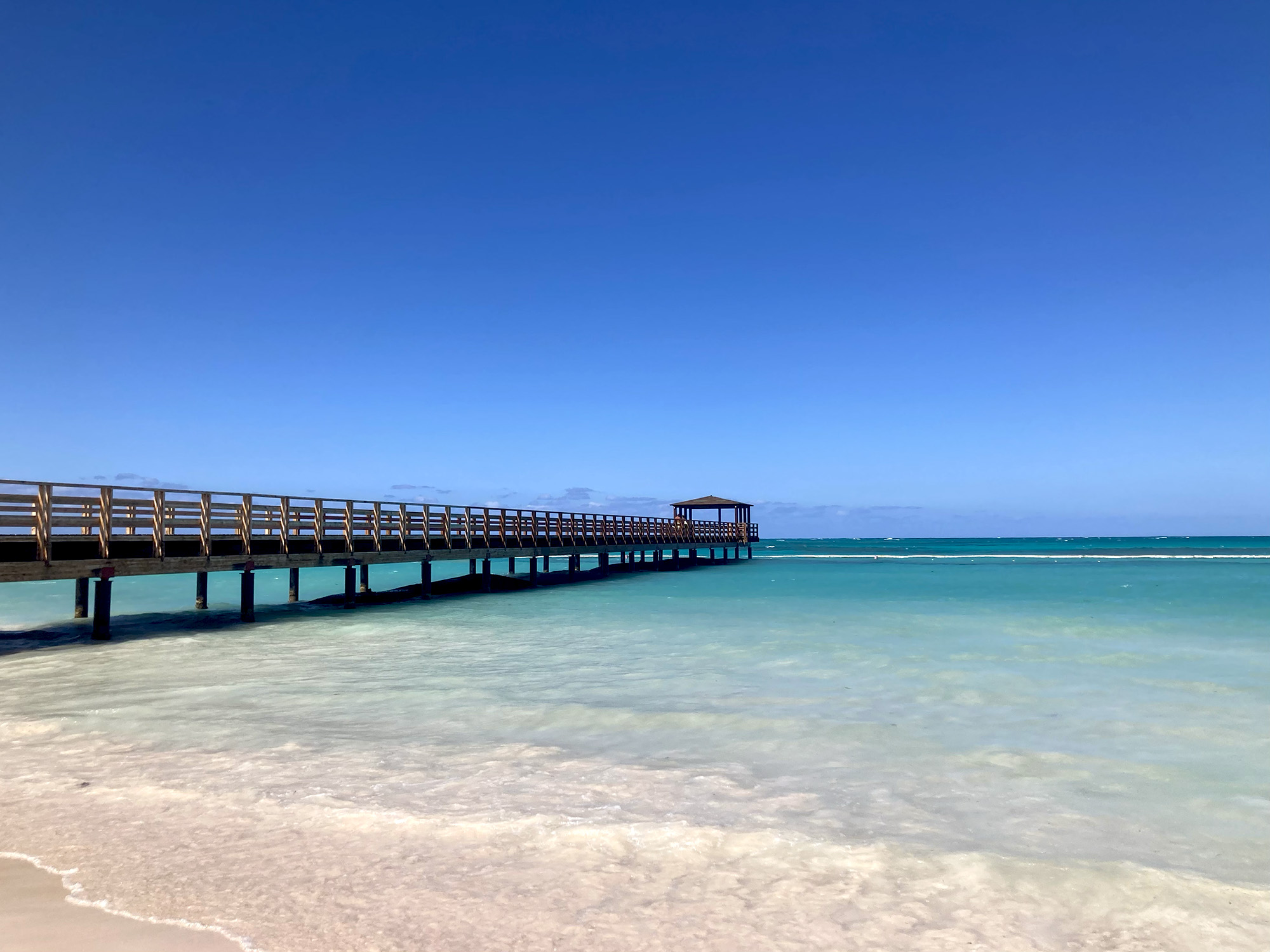
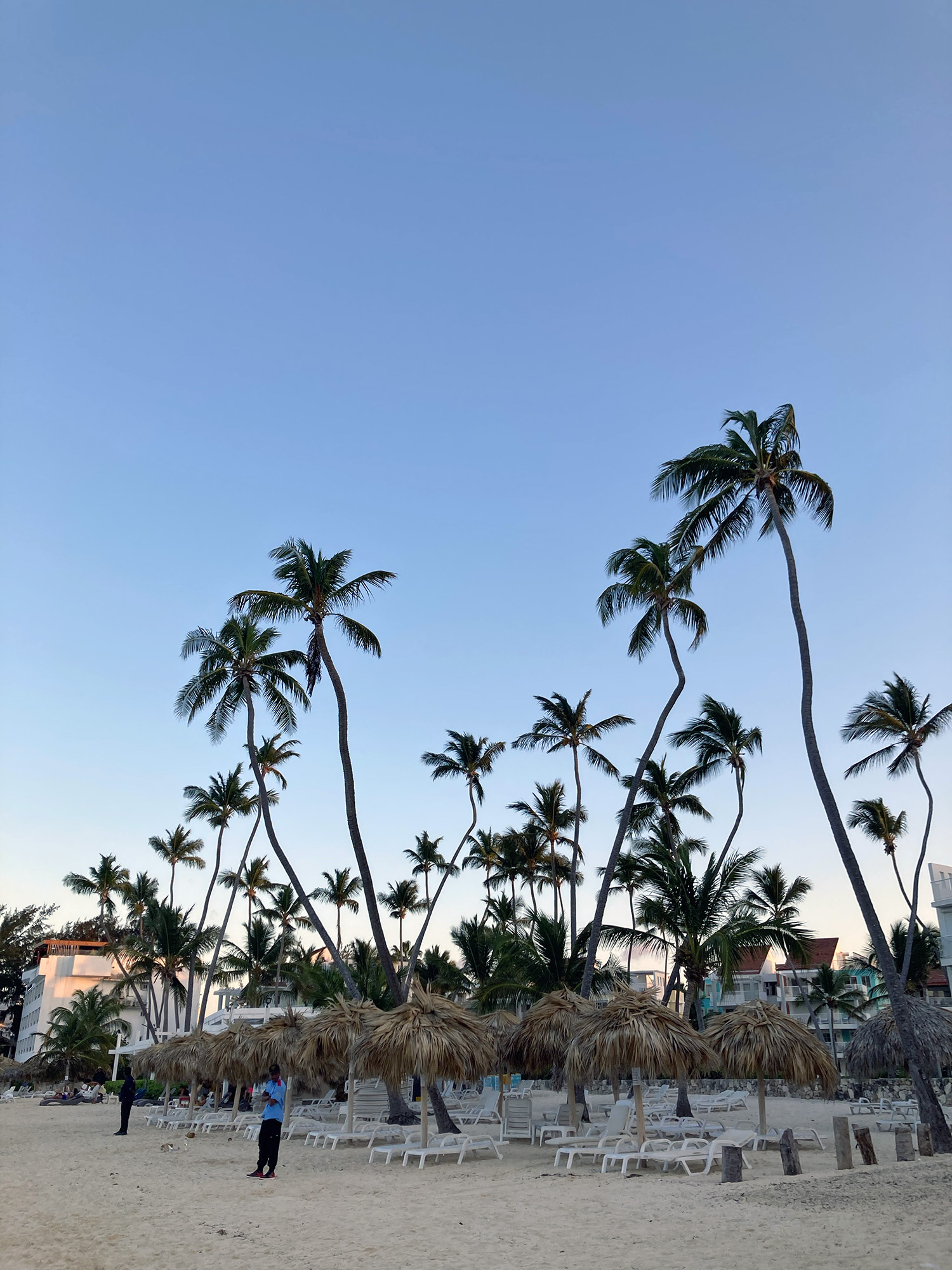
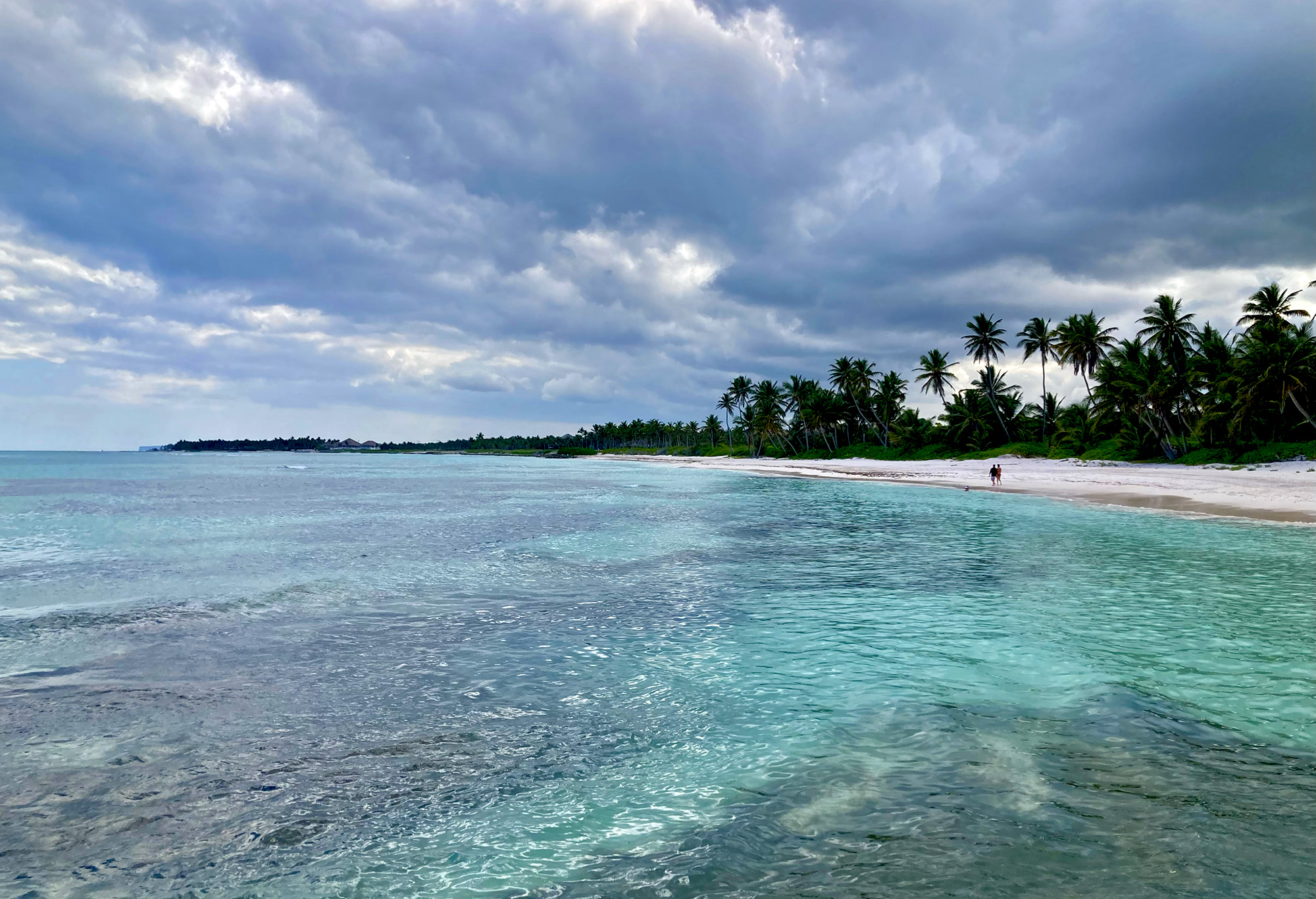
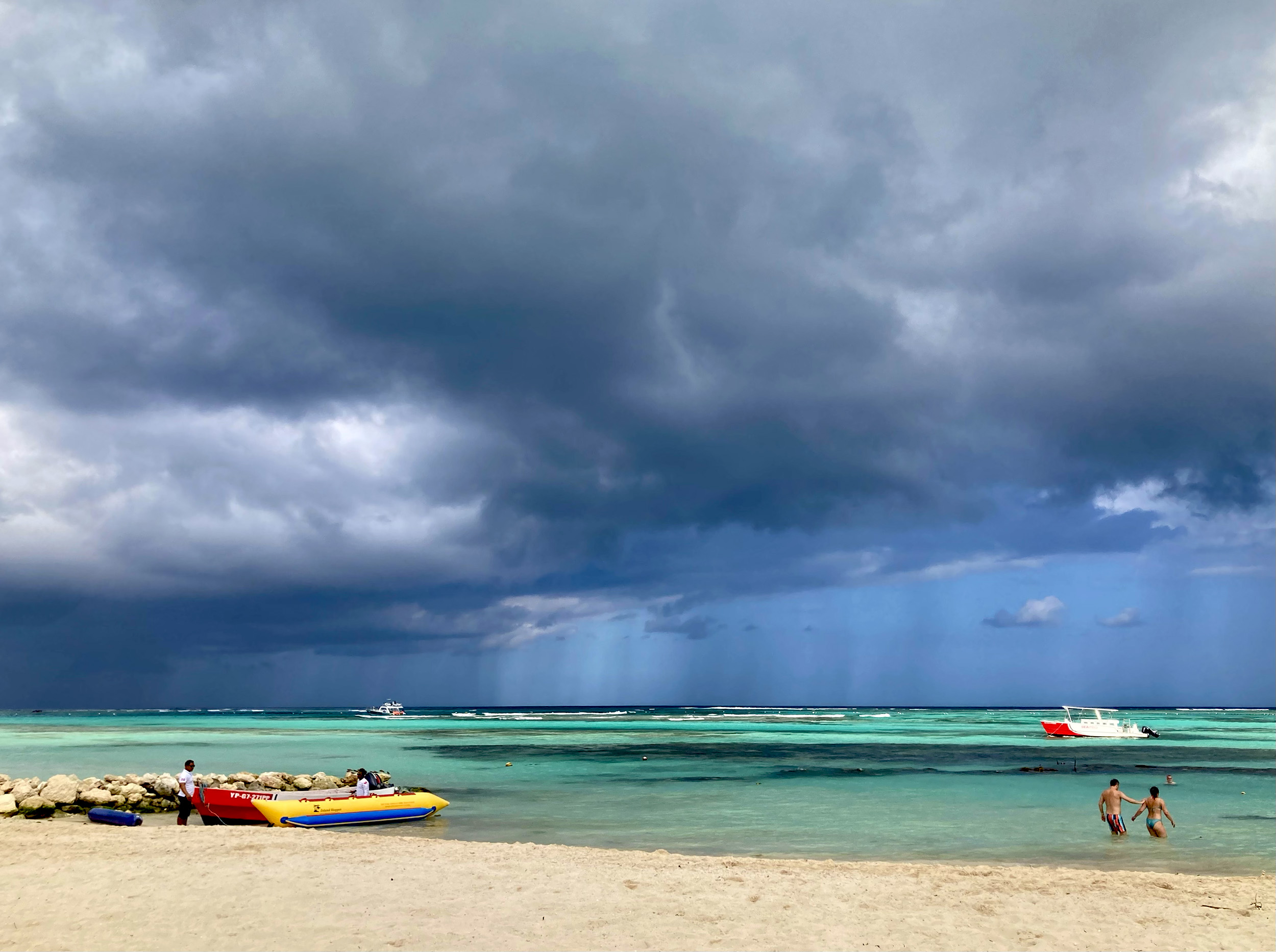
Beach strata. One of the most popular destinations in the Caribbean, Punta Cana certainly lives up to its promise of turquoise blue waters, white sand beaches and coconut palms sashaying in the wind. But not all of its enticing 30-mile coastline is publicly accessible. Hotels are few and far between here. Instead, it’s the many resorts, all inclusive’s, and gated communities that dominate this part of the DR. Even in Bávaro, perhaps the least exclusive part of Punta Cana, several lounging areas and entire piers on seemingly public beaches are off limits, guarded by private security. So if you’re not one with deep pockets, or don’t have a penchant for the “all inclusive” variety, you really have to know how to navigate the system, so to speak.
A lap of nature. One workaround, if you’re on a budget, is to simply buy that privilege on a pay-per-use basis, as my cousins and I have decided on doing. We’ve chosen wisely too. A day pass at the Punta Cana Resort gives us access to Reserva Ecologica Ojos Indigenas, a gorgeous nature reserve nestled within that sprawling property. We hike a little, observe reptiles of all kinds, swim in two distinct freshwater lagoons, and even dive deep into botany. It’s relaxing, educational, and soul-enriching all at once.
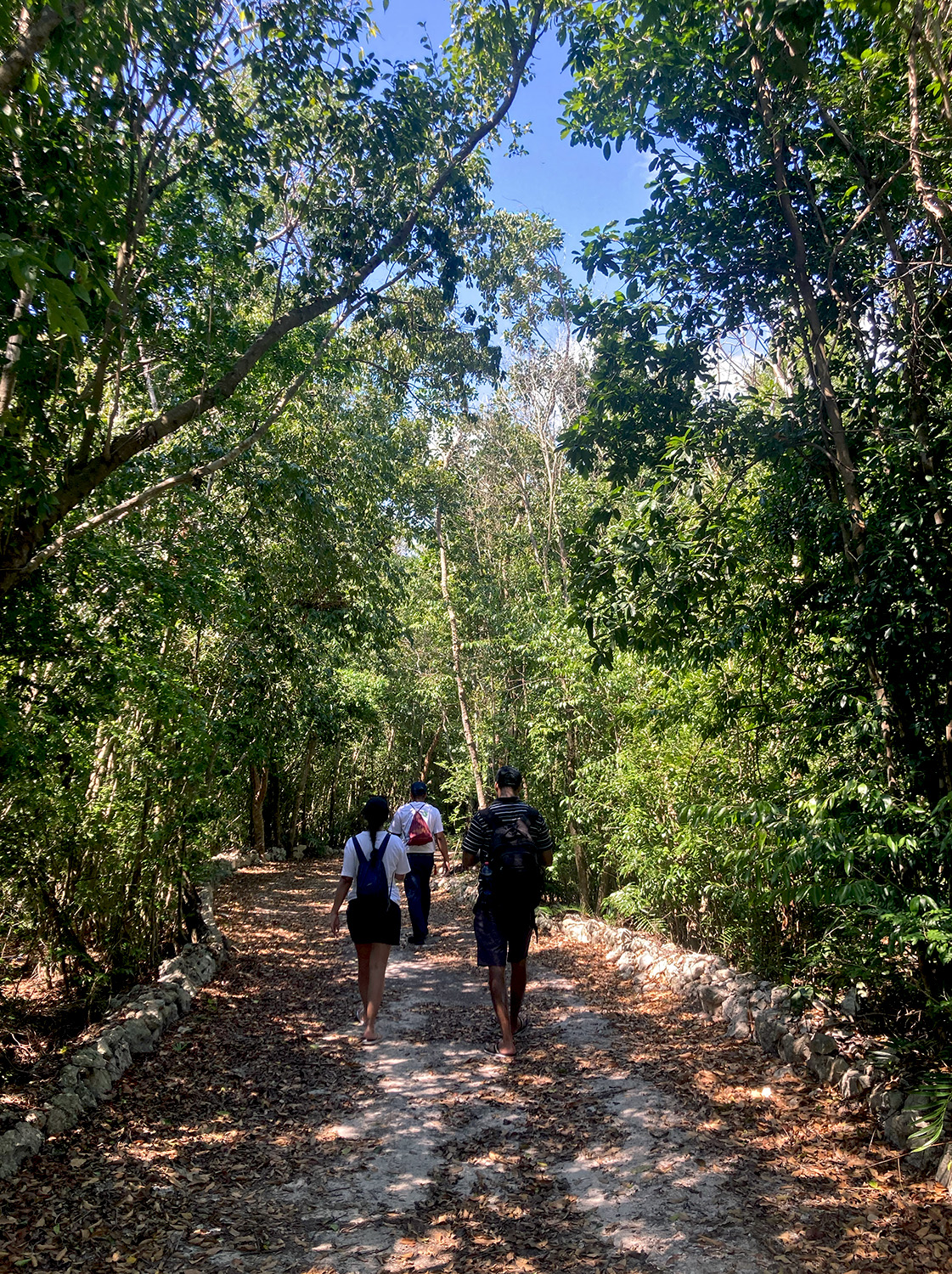
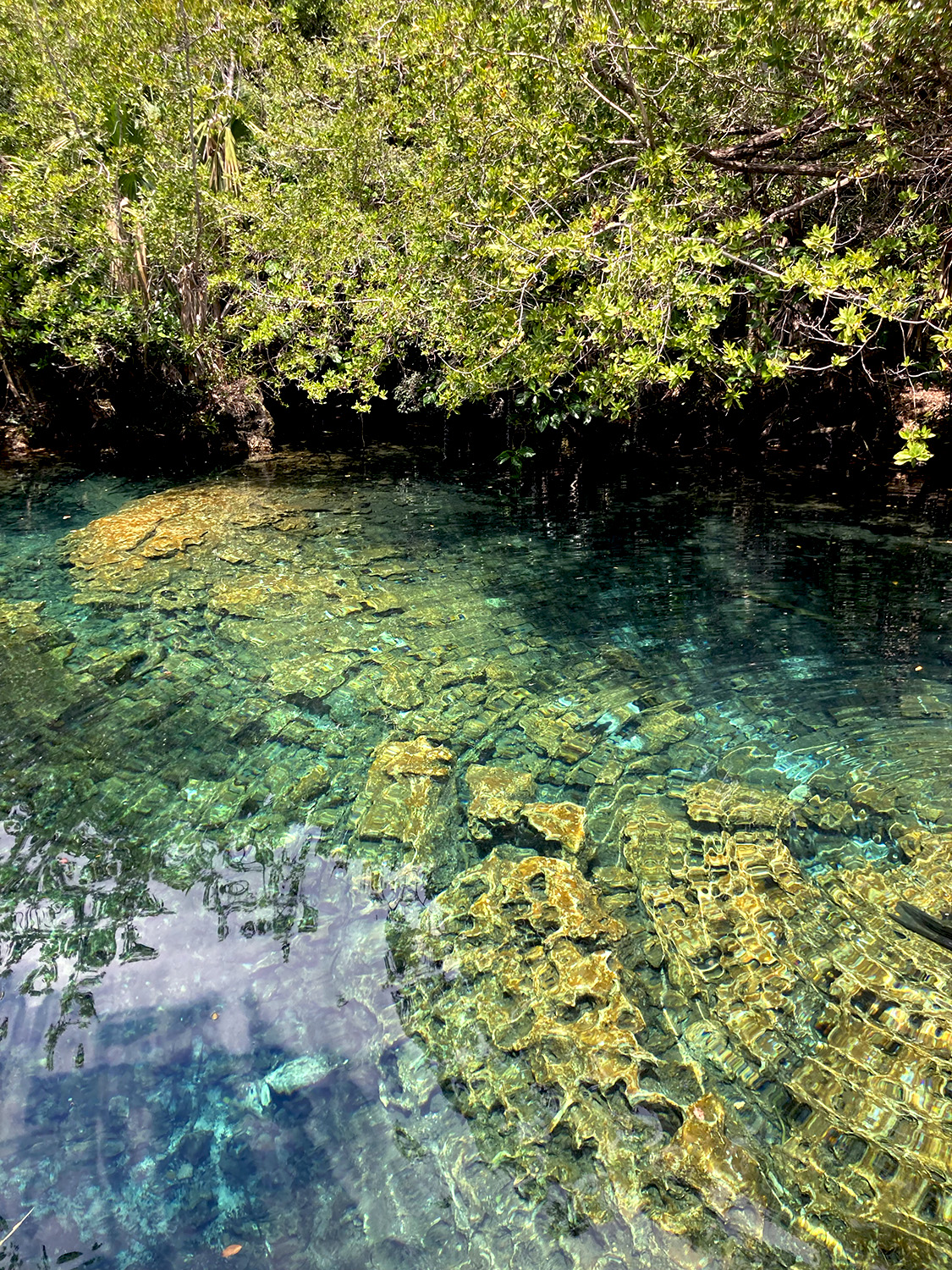
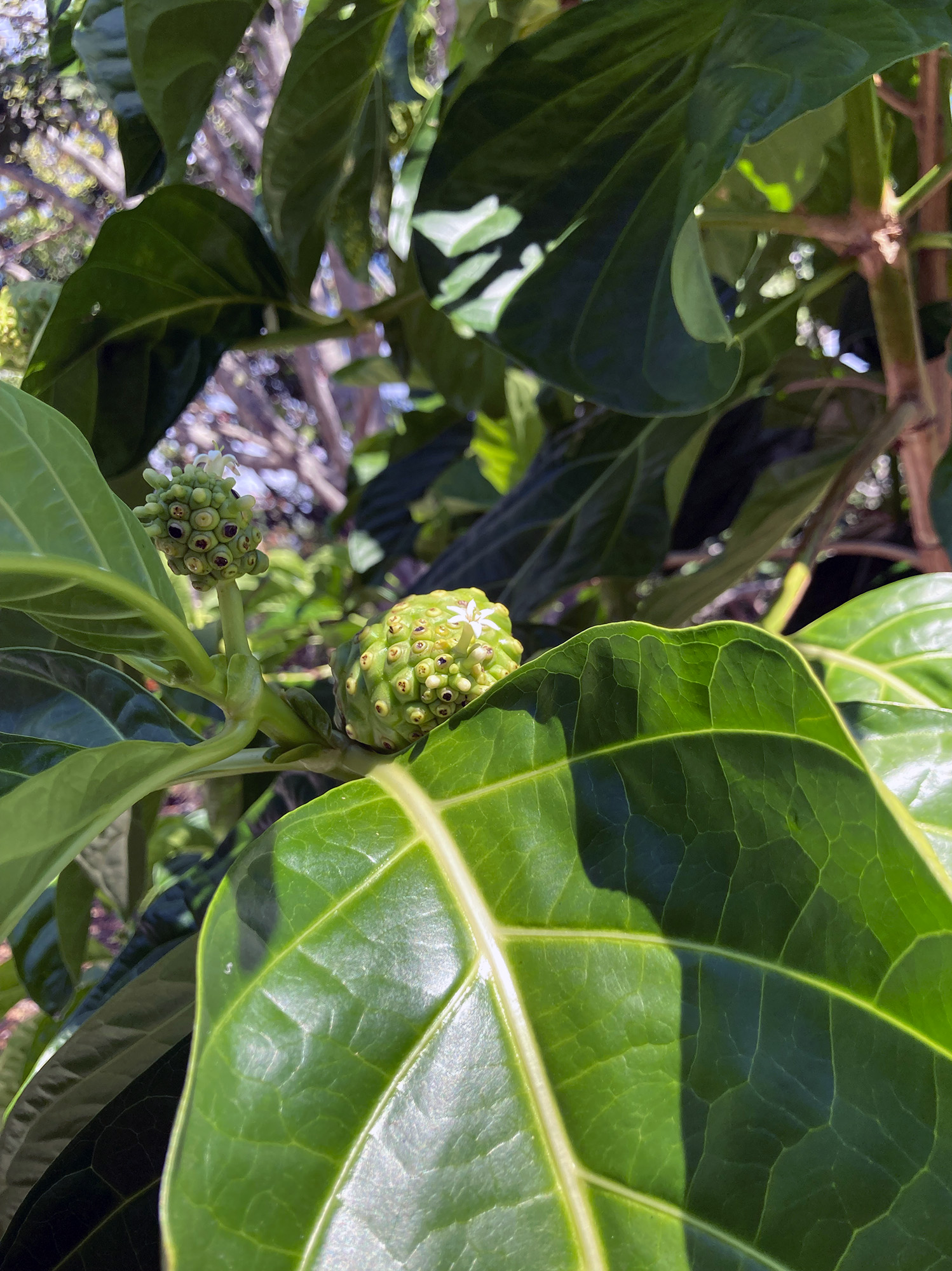

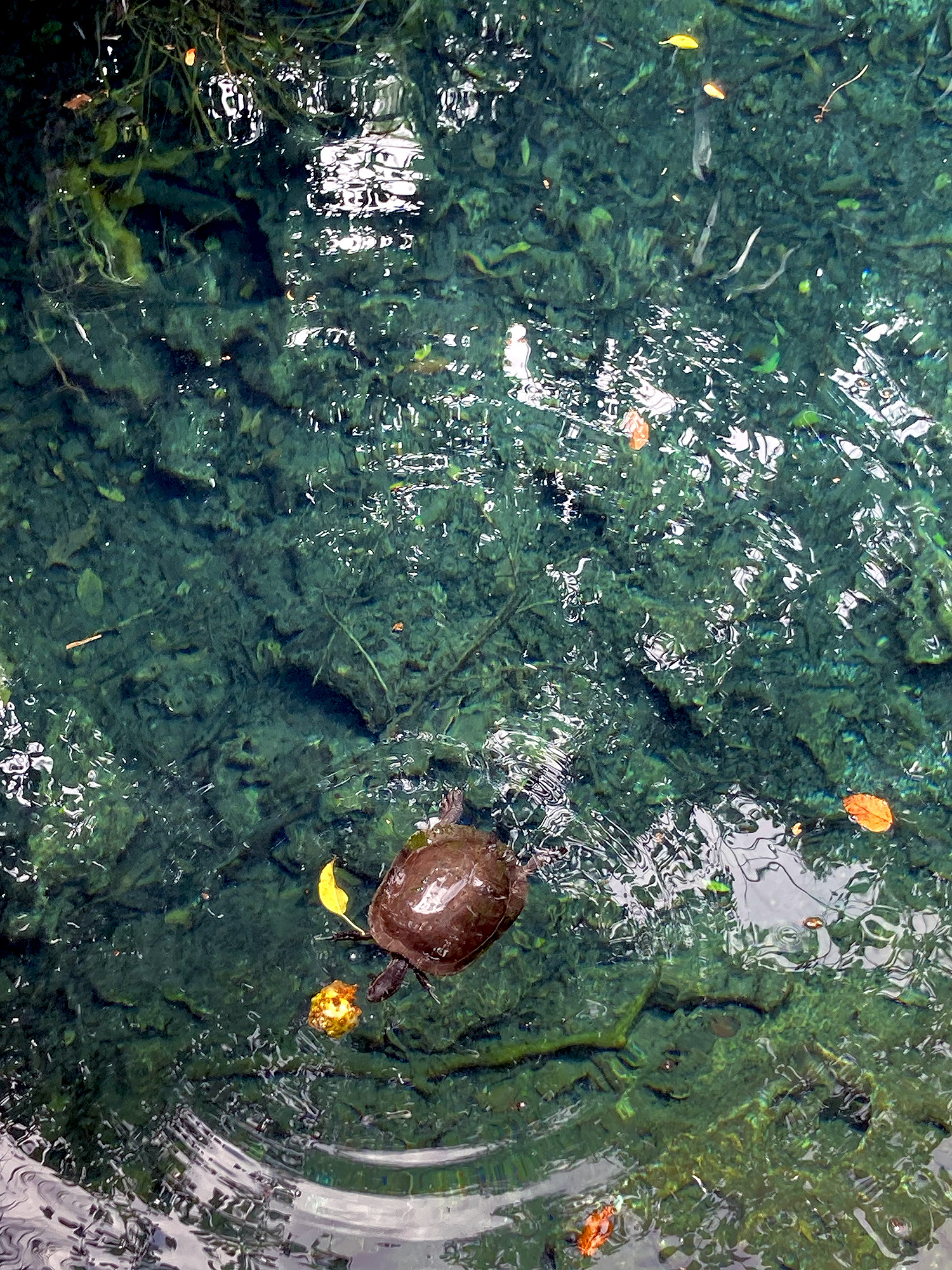
As one does. Our day pass also includes access to Playa Blanca, a swanky beach club, where the menus are strictly in English, the prices blatantly in US dollars, and where a perch at the bar comes with a healthy dose of people watching. Past the trio of Aperol-branded umbrellas lies the namesake and stunning beach. A busy one if you’re hankering that clubby vibe and choose to be close to the DJ station, but also lengthy enough that you can easily find your own spot in the sun, sans any semblance of man-made sounds. We soak it all up and then some. Or as us Desis would say, proper vasuliyat 👌

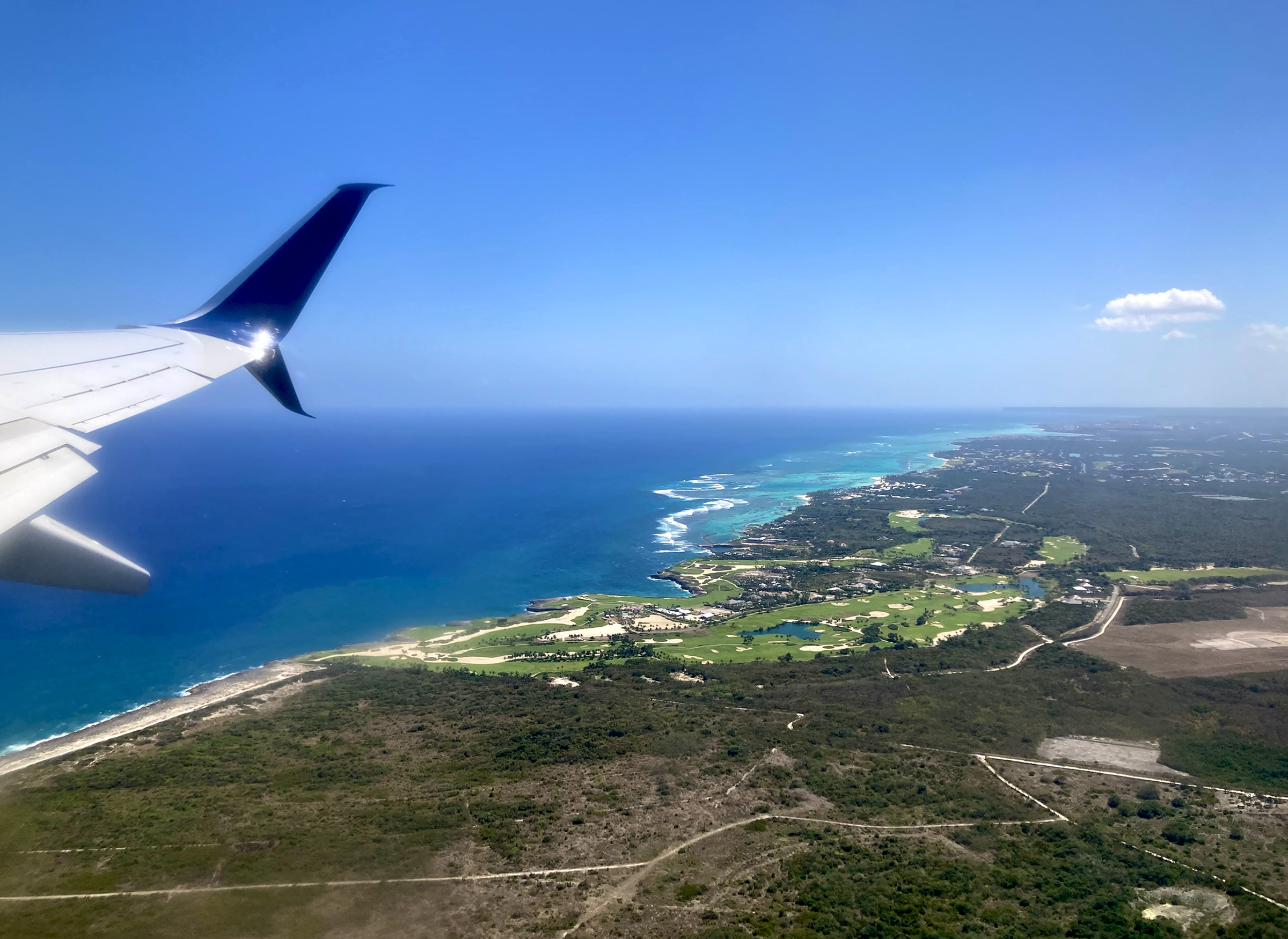
The legacy of Ranieri. My flight out of Punta Cana, the world’s first private international airport, is full of sun-baked gringos returning to the motherland. There’s not a local in sight. As we lift off, the ginormous empire of businessman and hotelier, Frank Ranieri, begins to reveal itself. Pretty much all the land visible below, including the airport that’s now out of view, is owned by him. That is, the entire eastern tip of Hispaniola! In some perverse sense, Ranieri and his ilk are writing a new history for the DR.
A full set of photos from my visit to the DR can be viewed on my Flickr.
 brat's ramblings