
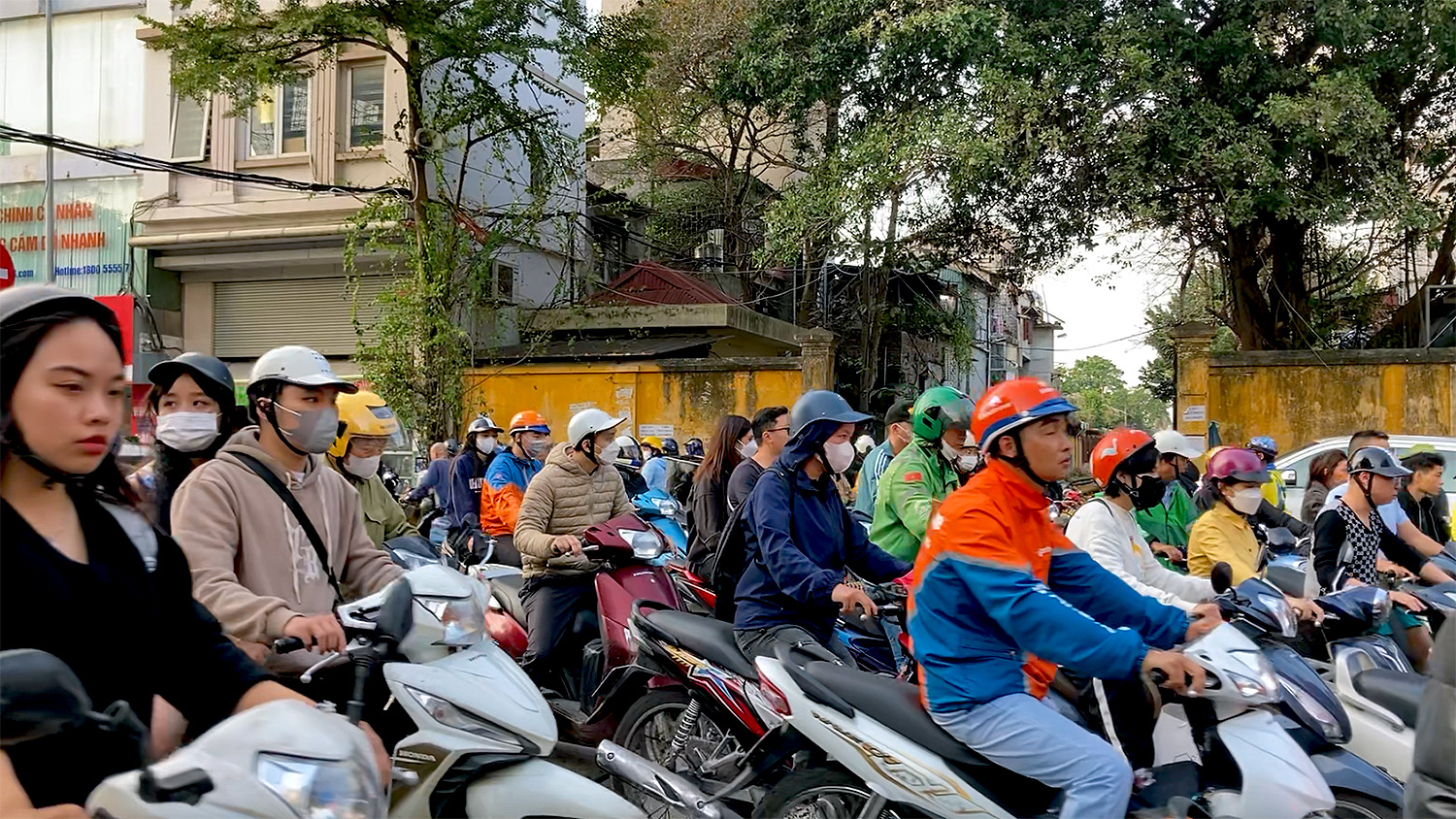
Coming in from the relative calm of Chiang Mai, and the overall order and efficiency one had gotten used to in Thailand, I have to admit, my arrival in Ho Chi Minh City was a tad jarring. From the severely congested airport, to the chaos of evening rush hour, to the overwhelming number of two wheelers, it was all a bit much. By the end of my first evening though, I was a pro. Simply putting my hand out, without ever making eye contact, and crossing lane after lane of traffic with the confidence of a local. Everyone on two wheels – which is essentially all the traffic there is – would either slow down just enough or miraculously weave past me. There was an order to the madness after all – I just had to submit to it. And once I’d made it to the lively streetscape of Nguyen Hue Boulevard, with the splendid City Hall building on one end and the riverfront on the other, I was sold on Saigon.


There was an air of festivity everywhere. Tết was still a few weeks away, but the city – and the entire country, as it turned out – was already prepared. Storefronts were tastefully decorated, thoroughfares were decked out with holiday lights, flowerbeds were pruned to perfection, and people were out in force, and in all their finery, enthusiastic photographers in tow. The Vietnamese take their New Year celebrations very seriously, and I couldn’t be more pleased, having made it there – by sheer coincidence – in the thick of it all.


It didn’t take long for me to realize, Tết or not, the Vietnamese love being outdoors, with a particular passion for their sidewalks. It might have something to do with the relatively tight quarters they live in, or not. I don’t know for sure, but what I do know is that the sidewalk culture in Vietnam is unlike any I’ve experienced. Between rows of neatly parked two wheelers, makeshift cafes, pop up food carts, and a colorful assortment of low plastic seating to complement it all, there’s barely an inch to spare. Not to mention the brick and mortar establishments that exist as a backdrop to it all. Like it is with their traffic though, there is a noticeable absence of aggression and everyone seems to accommodate the other just fine. As a pedestrian, it does take some getting used to, of course, and a detour onto the road is often necessitated and hardly uncommon. But it also makes for some spectacular people watching. Friends lingering hours over a single caffeinated beverage, solo customers chowing down a bowl of steaming noodle soup, kids playing a game of pick up badminton, and come evening, groups of raucous colleagues unwinding over Bia Hơi.


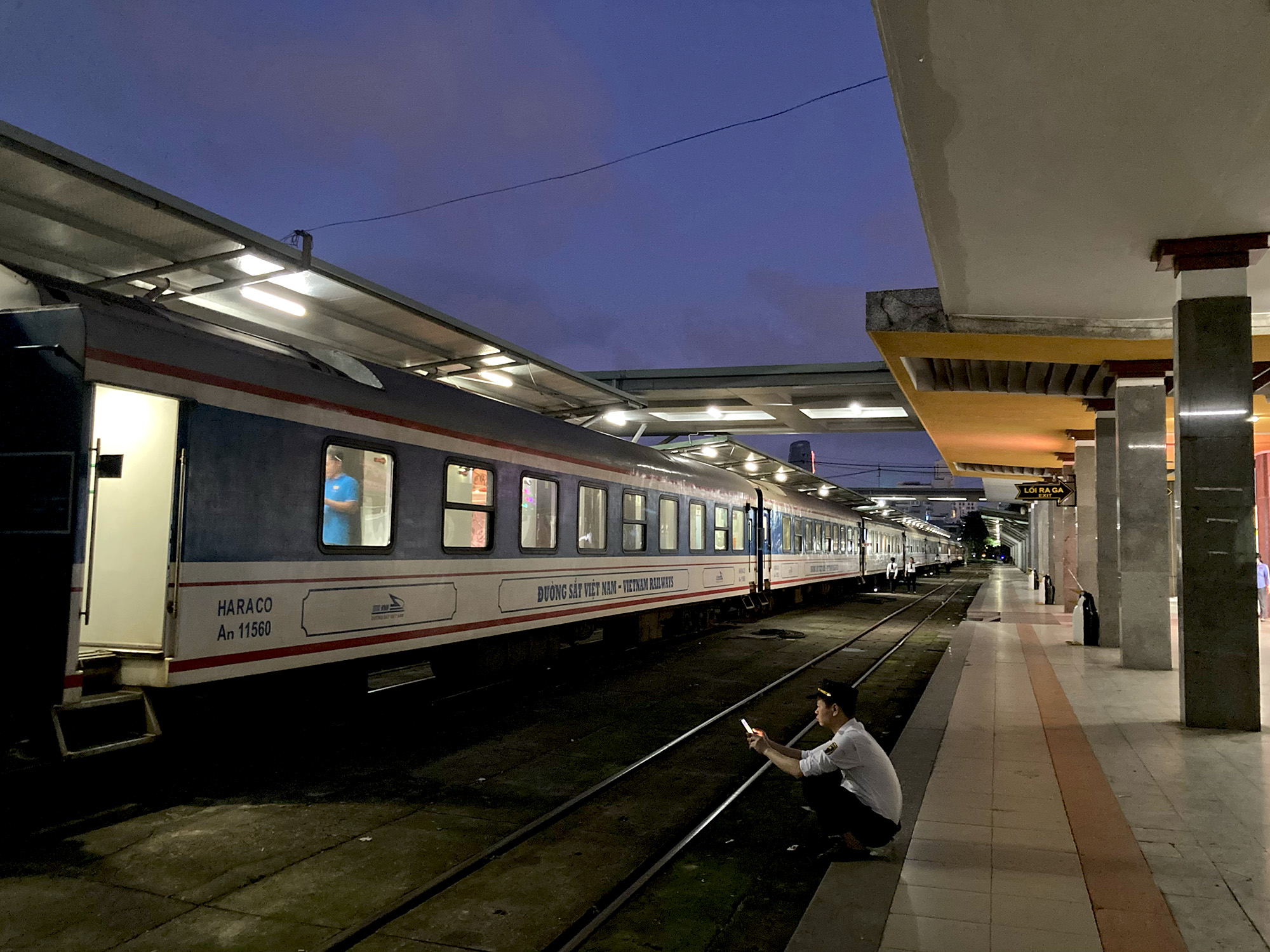
My plan had been to start in Saigon and work my way up north by rail, splitting that passage into two distinct sleeper train journeys, and in doing so, completing the route of the so called “Reunification Express”. Vietnam’s North-South Railway link had been severed when the country was split up in 1954, and was only reinstated after a gap of 22 years, following the end of the Vietnam War. While there is no single train by that name today, services plying on the route are often referred to so, as a symbol of reverence to the Reunification of Vietnam.
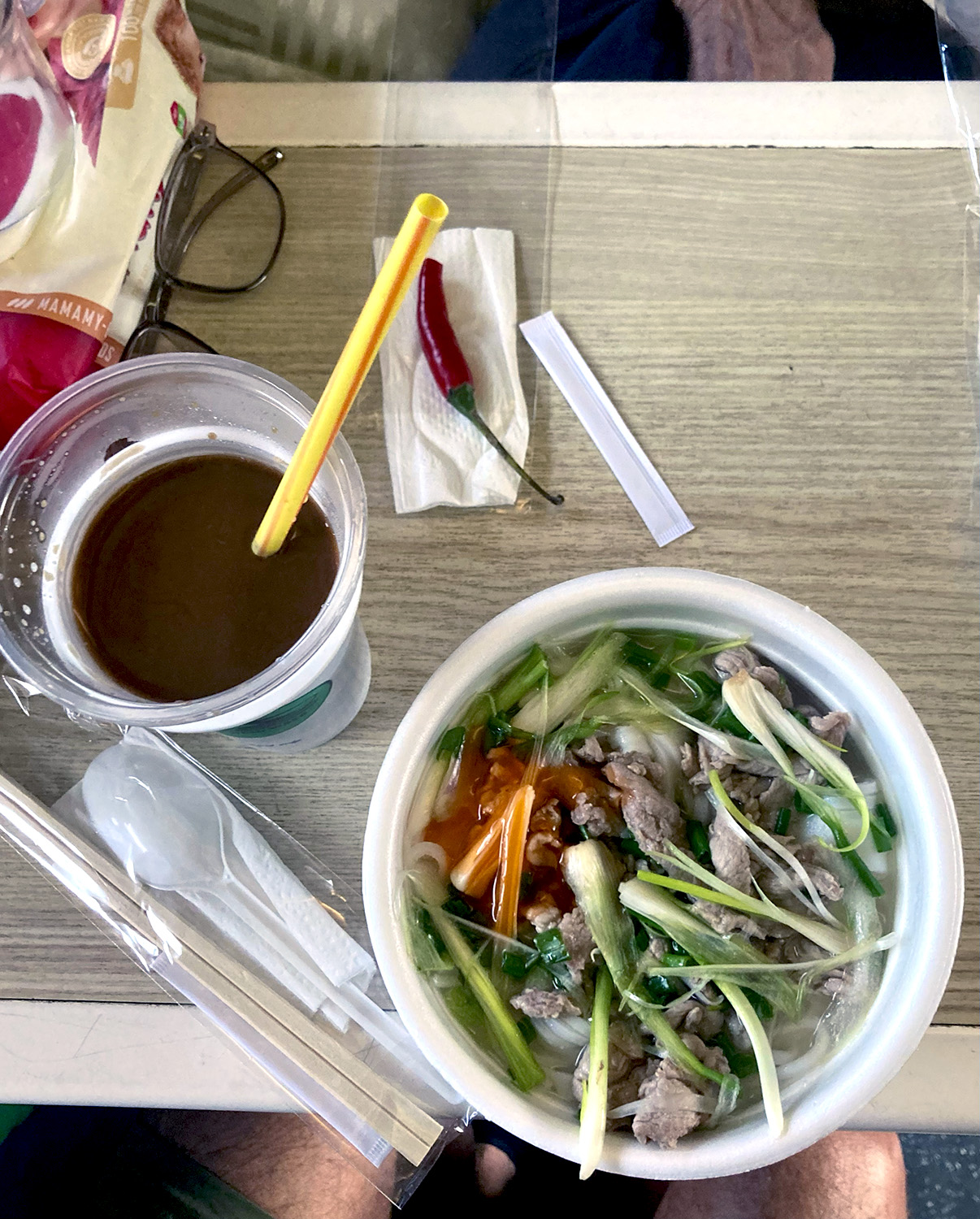
My first journey was from Ho Chi Minh City (the station is still referred to as Ga Sài Gòn) to Da Nang, a distance of ~500-miles, which took a leisurely 17-hours to cover. My cabin mates were an elderly couple and their middle-aged son, who, despite the obvious language barrier, would unfailingly flag down the staff wheeling food trolleys through the aisle, ensuring that I was well catered. Thanks to them, I had an unexpectedly satisfying dinner, and the revelation that Phở is in fact eaten at breakfast. I slept fairly well too – a combination of no one snoring, and the added pitch and sway of our meter gauge carriage – awaking to glorious paddy scapes in the morning.




Located along the South China Sea, Da Nang is an important port and the largest city in Central Vietnam. It’s also the gateway to Hội An, an ancient trading port and world heritage site today, reputed for its well preserved architecture. And that’s where I spent the better part of my day, between two trains. Ambling through its timeless old quarter, past utterly charming street corners, admiring its well worn merchant homes, the traditional lanterns and elaborate flower arrangements gracing its many facades, those perfectly faded yellow walls, and the delightful mix of influences in its architecture and aesthetic. Motor vehicles are banned in Hội An‘s old town, which was a pleasant surprise, and made the experience on two feet even more joyous. I missed out on the fabled 16th-century covered bridge though (undergoing renovation at the time), and sadly, I couldn’t stay long enough to witness the nightly lantern spectacle along its riverfront. Despite all of that, Hội An turned out to be a real gem, and I’d go back there in a heartbeat.


The overnight journey from Da Nang to the Capital, Hanoi, was of a similar distance and time, but cost me twice as much. I was in a private carriage this time, and in some sense, paying for the privilege of being a tourist. My traveling companions were a young lady from Australia, and joining us at Huế, a father and son duo from Slovenia, with absurdly oversized luggage. Upon boarding, a chilled can of beer was handed out gratis by our attendant, and on the tiny communal table in our cabin were placed individually packed breakfast boxes for the following morning, along with some snacks, all complimentary.
So was it worth it? Well, outwardly and mechanically, the carriages were identical, as was the cabin layout for that matter. Both trains were extremely punctual, but credit for that can only be given to the state-owned railway operator, VNR. That leaves the bells and whistles that Lotus Express, one of a handful of private carriage operators in Vietnam, threw in for the heftier price tag. For the experience alone, I would say, yes. Besides, it had that White Lotus vibe going for it, down to the most important detail, the wallpaper 😉


I had signed up for a street food crawl my first evening in Hanoi, and while I had every reason to look forward to it, fact is, barring hotel breakfasts, I had been eating off the street this whole while, relishing every last bite, leaving no broth behind. There were a few learnings. By default, almost nothing was spicy. Be rest assured though, there were plenty of spicy condiments available. For the consistently great quality one got, the food was incredibly cheap. Probably even cheaper than comparable establishments in India. And that’s saying something. It seldom felt like over indulgence, despite the generous servings. And the greens. Oh, the greens! Abundant, aromatic and flavorful, every one of them. The icing on the cake? I never fell sick from any of it.


I got adventurous too. After all, what could be worse than eating guinea pig, I thought to myself. More often than not, it was a rewarding endeavor. A cross section of desserts to begin with. Plenty of durian, rambutan and gelatin in the mix, along with taro, cassava, and beans for good measure. Surprisingly light, not overly sugary, and all very palatable. And then there was egg coffee. Maybe one of the most flavorful non-alcoholic beverages I’ve ever imbibed. And a meal unto itself. To all those who choose to skip out on the most essential meal of the day, just think of its practicality!
And speaking of which, I’d be remiss not to give a shout out to their robust coffee culture (see what I did there? 😉 ). Purists might turn their nose up at the very idea of condensed milk in their brew, but it’s worth delving into why that came to be, and how the Vietnamese, after inheriting coffee from their colonizers, managed to give it a whole new life. Not only is Vietnam the second largest producer of coffee in the world today, but the beverage is a staple of daily life. There are coffee houses everywhere. They begin brewing at the crack of dawn, stay open late, and like any other respectable establishment in the country, offer plenty of outdoor seating. They could range from entire two-storey buildings to the humble cart. So strong is their coffee culture that homegrown chains do exceedingly well despite the multitude of global brands present. Starbucks, now in the country for over a decade, has yet to make a dent.


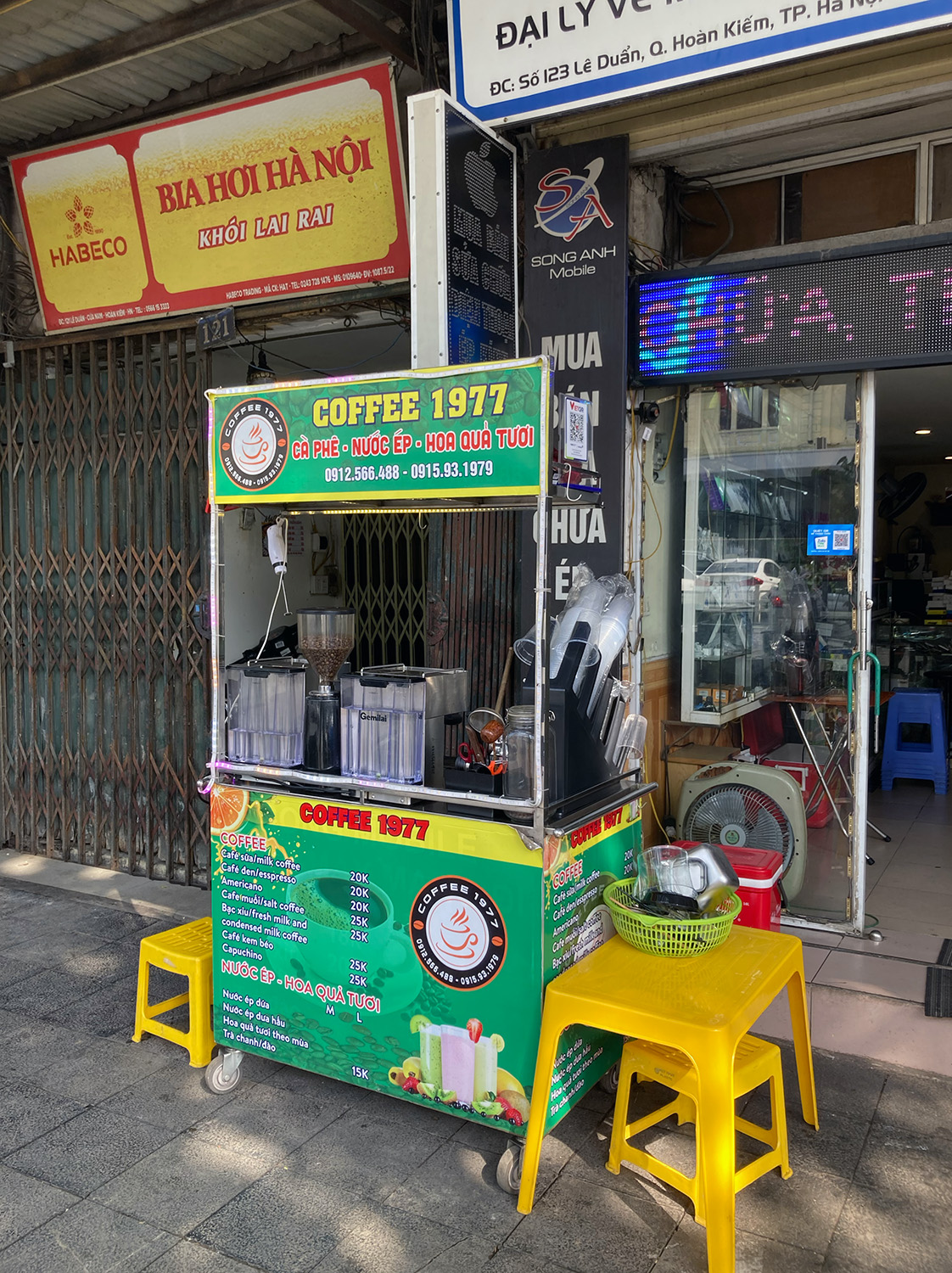

The Vietnamese got a lot of things from the French – coffee, baguettes, pâté, their railways, and some fabulous architecture, amongst others. A lot of which, to their credit, they’ve preserved, despite their race to modernize against the backdrop of a booming economy. They also got beer from the French. Bia Hơi, to be precise, which literally translates to “fresh beer”, the word Bia itself evolving from Bière. There are several established domestic brands today, as well as a flourishing craft beer scene, but the simple, light larger on tap remains the most preferred. So popular is the brew that Tạ Hiện street in Hanoi’s old quarter is unofficially referred to as “beer street”. Admittedly, that’s a tourist trap, but there are countless little bars across cities and towns in the country, where locals gather on their beloved sidewalks to relax and savor that humble but highly sought after beverage.


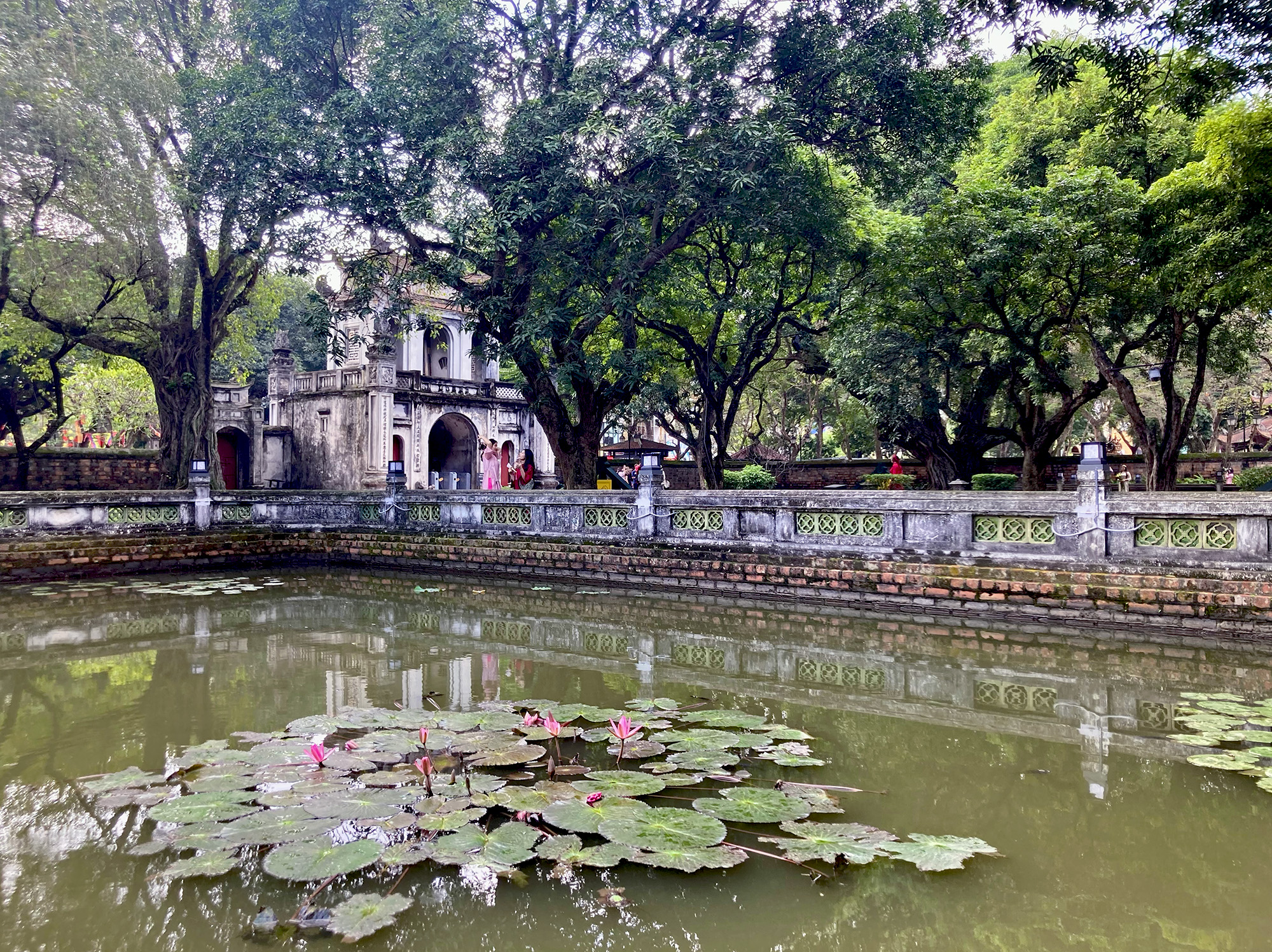
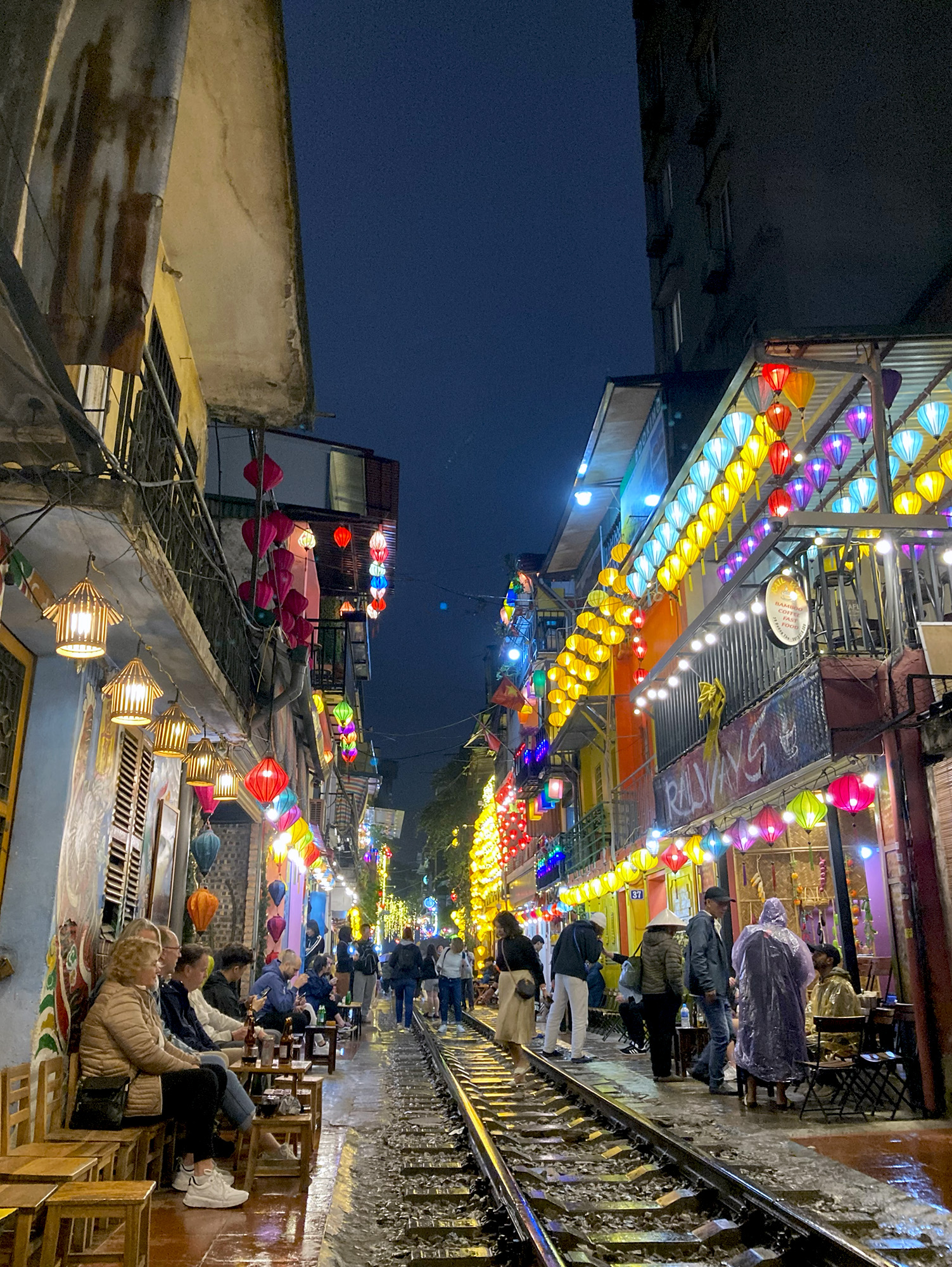
Saigon or Hanoi? I was torn. I couldn’t decide for the longest time which city I preferred. Saigon, the country’s financial capital and largest city, had definitely made an impression on me, what with all its beautifully-lit edifices, glamorous streets and high-rises. Or was it the more down-to-earth feel of Hanoi that appealed to me? As I look back, it may have been Hanoi, after all. It lacked the glitz and polish of Saigon, perhaps, but more than made up for that with its many attractive lakes, the wonderfully historic area around the old citadel, a plethora of colonial architectural relics, and its fascinating Confucian temples. It did help, of course, that the city not only boasted of a “beer street”, but is also home to the original “train street“.



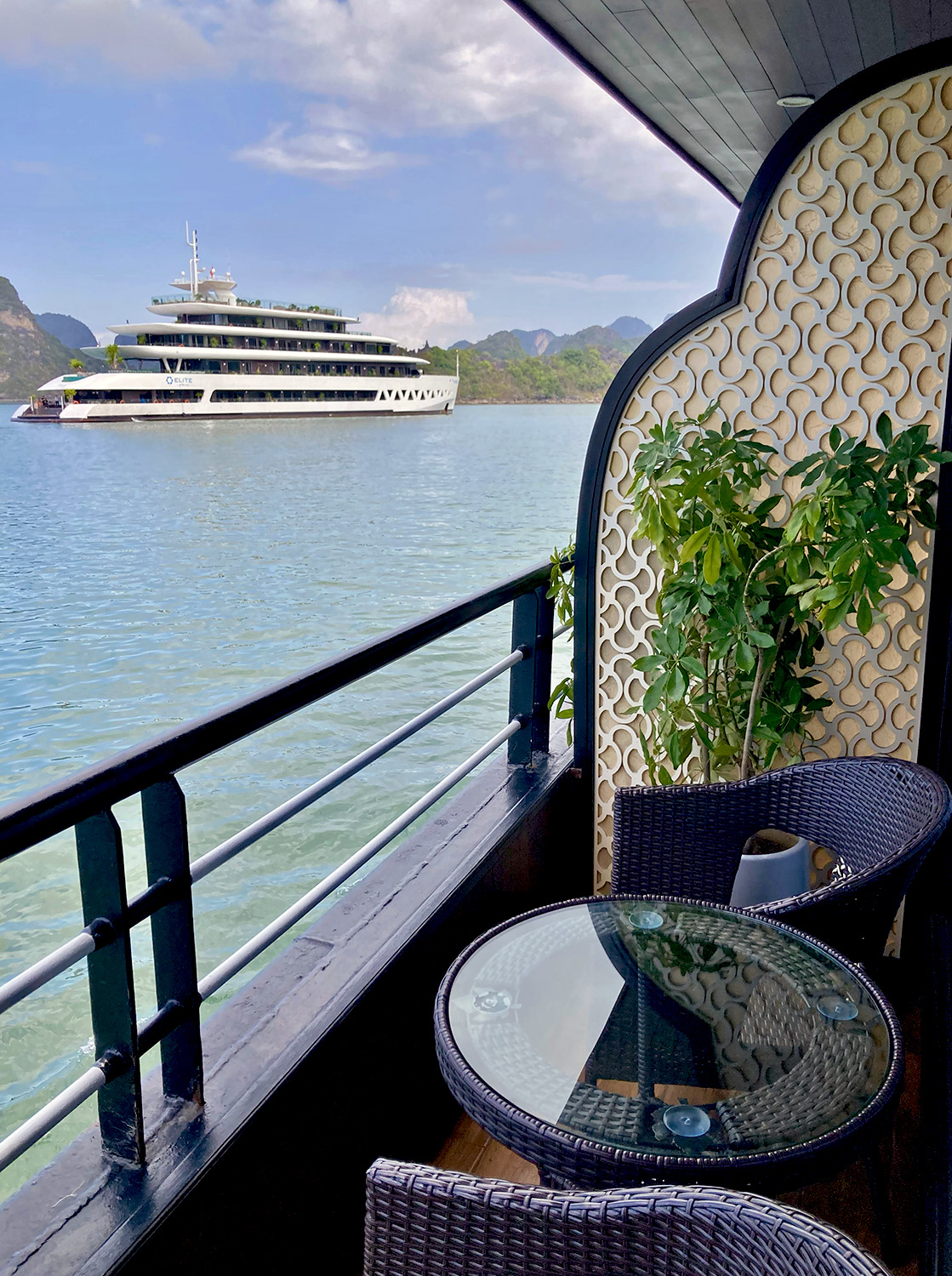
Hạ Long Bay was my last stop in Vietnam, its countless islets and staggering limestone formations definitely living up to all the hype. An area of immense natural beauty that has been on the World Heritage list since ’94, it was voted one of the New Seven Wonders of Nature in 2011. And while we didn’t quite get anything close to a gram-worthy sunset – or sunrise for that matter – it was a privilege being there all the same. My overnight cruise, complete with private balcony, turned out to be exactly as advertised too. There was really nothing to complain about.
Except, sadly, there was. The ill effects of over tourism, that is, which I certainly contributed to. For one, the tour itineraries are rushed and formulaic, and this was across the board, based on my research while trying to pick a cruise. The ever expanding flotilla of cruise ships – sailing out together, dropping anchor in close quarters, and then sailing back towards the mainland – is unsightly. And that’s being polite. Last but certainly not the least, the once pristine beaches and waterways of the bay are slowly but surely succumbing to the onslaught of reckless tourists and irresponsible tour operators. It’d be a real shame if nothing is done soon, for Hạ Long Bay truly is a very precious part of our planet.


I definitely had preconceived notions coming into the country, Vietnam being so physically close to Thailand. But things were quite different, at times delightfully so. It really hit home the fact that two nations sharing a border can be so unique, culturally, and in so many other respects. I probably won’t be repeating Hạ Long Bay again, but I have every reason to return to this amazing country someday. To see the terraced paddy fields of Sa Pa, or the landlocked karst towers of Ninh Bình, perhaps. And if nothing else, to revisit the route of the Reunification Express, and traverse the very scenic stretch of railway between Da Nang & Huế, which had eluded me at daylight.
A full set of photos from my visit to Saigon, Hoi An, Hanoi and Ha Long Bay can be seen on my Flickr.
 brat's ramblings