
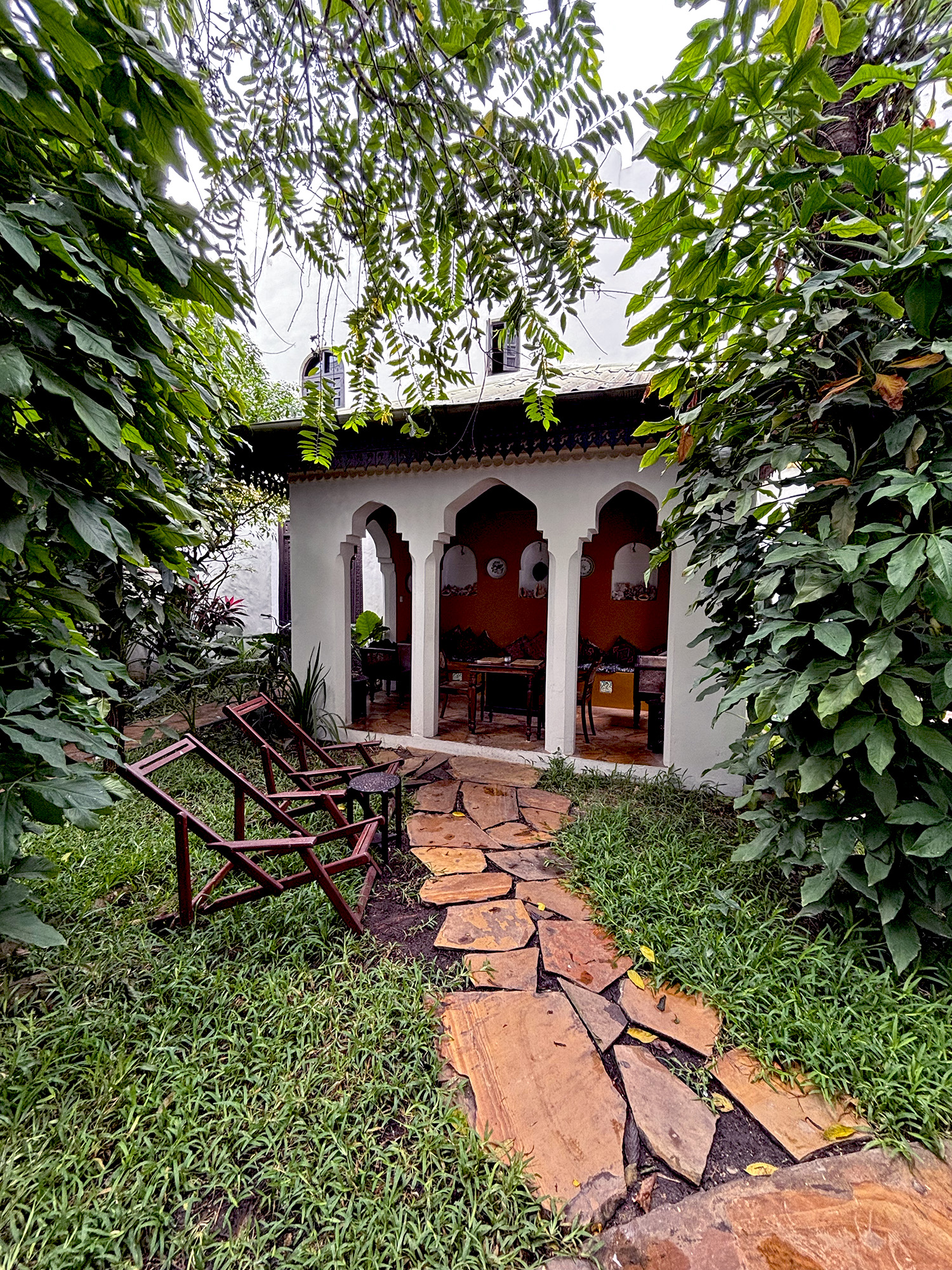
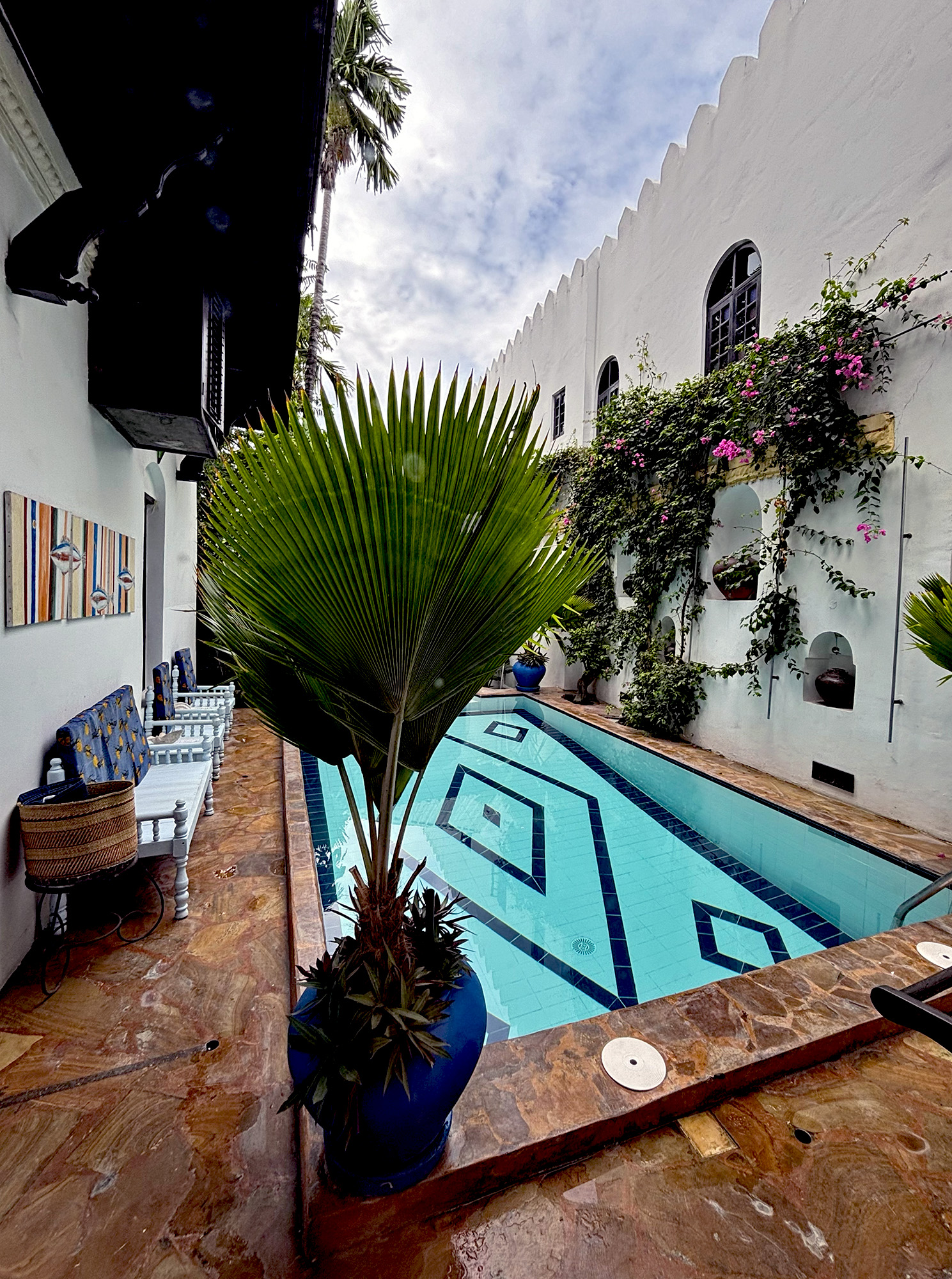
If Kholle House is anything to go by, I’m already smitten by Zanzibar. A ten-room boutique hotel today, the gorgeous property was built in 1860 by Princess Sayyidat Kholle, the daughter of the first Sultan of Zanzibar. With Swahili and French-Creole influences, Kholle House oozes charm in every nook and cranny, from its lush courtyard to its tasteful interiors. It is also, perhaps, a microcosm of everything Stone Town has to offer, and I couldn’t be more pleased with my decision to stay here.

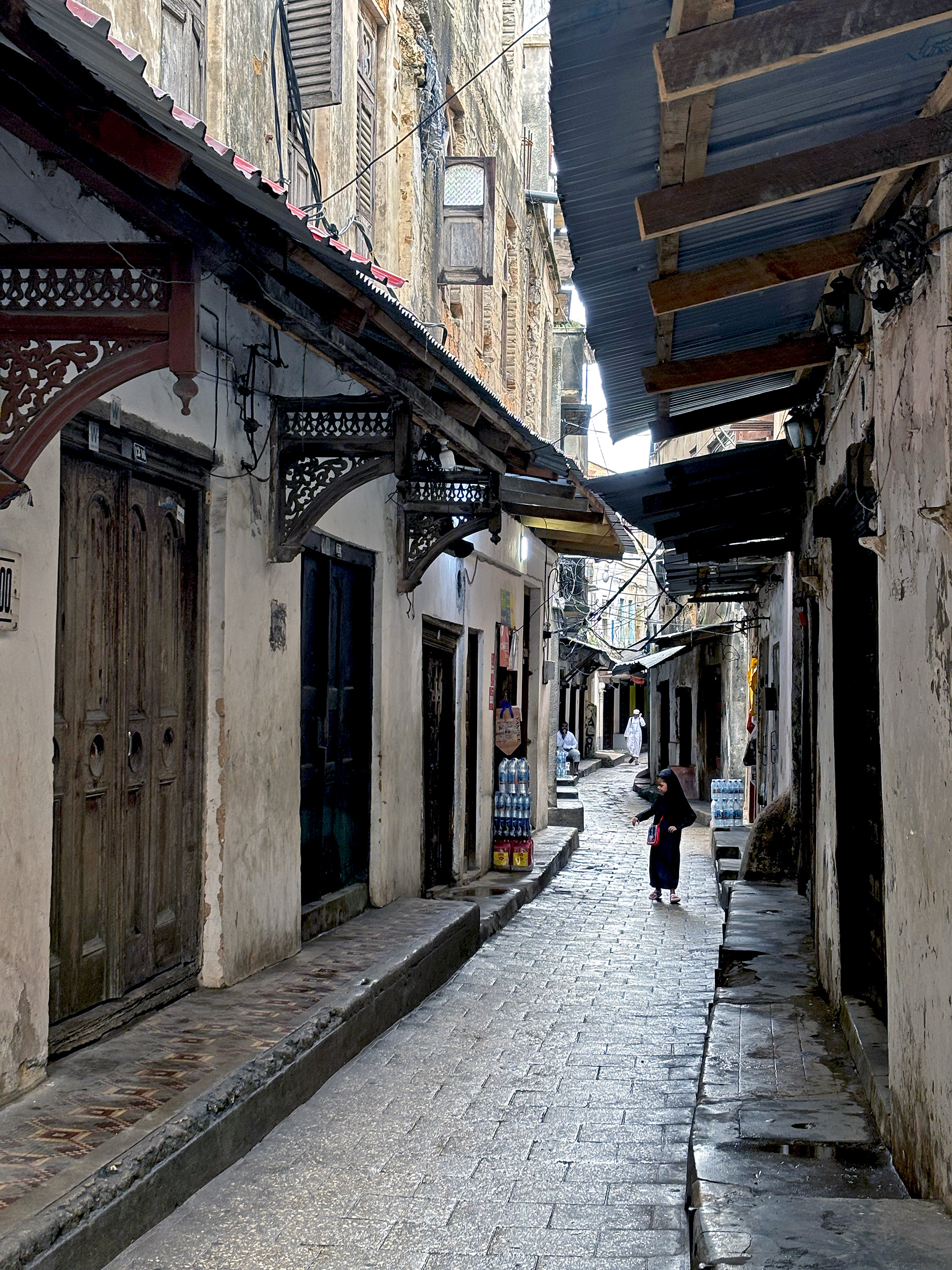
Stone Town or Mji Mkongwe – old town in Swahili – is the historic heart of Zanzibar City. The rest of the newer, much larger city, is simply referred to as Ng’ambo in Swahili, which means “the other side”. Stone Town occupies a little over 200-acres – about a quarter the size of Central Park – but that relatively small footprint packs in a great deal of humanity, plenty of character, and layers of rich history. The labyrinth of narrow alleys and passages that define Stone Town beg to be lost in, and it is, without doubt, one of the most fascinating places I’ve ever set foot in. It is reminiscent of the galis of India, only remarkably clean. Of preserved colonial town centers, only decidedly lived-in. Of medieval city’s in Europe, only delightfully rustic.


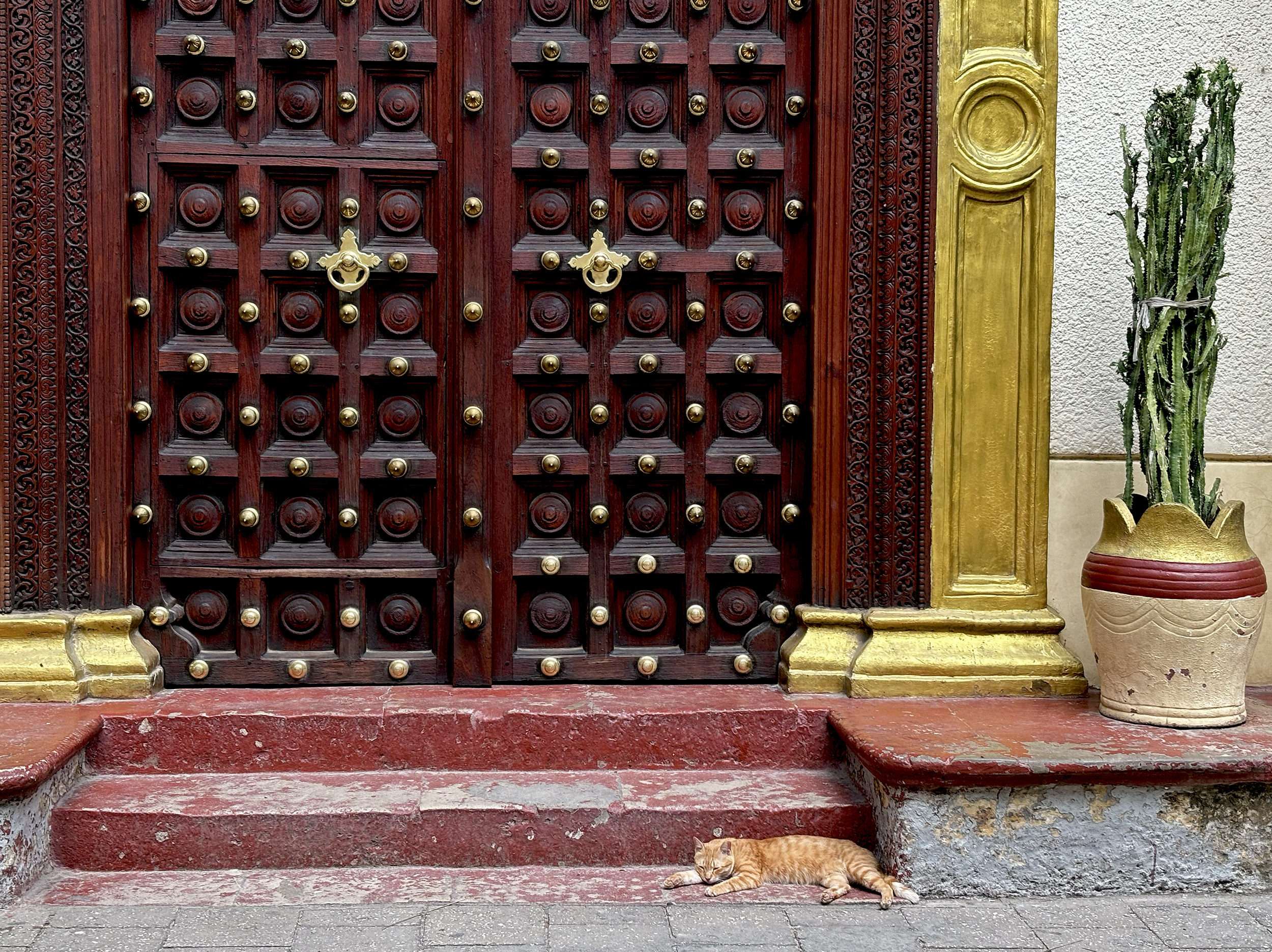
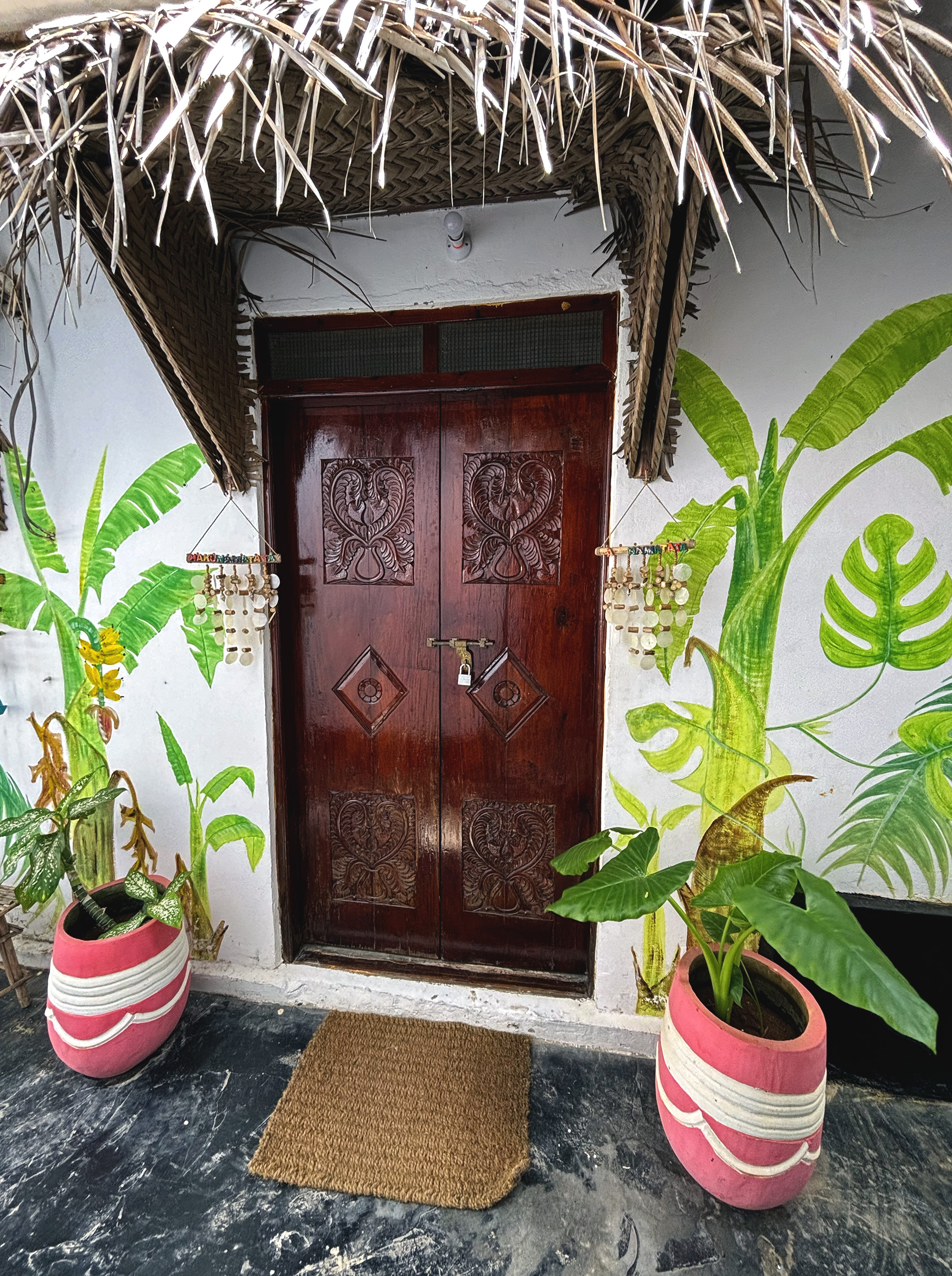
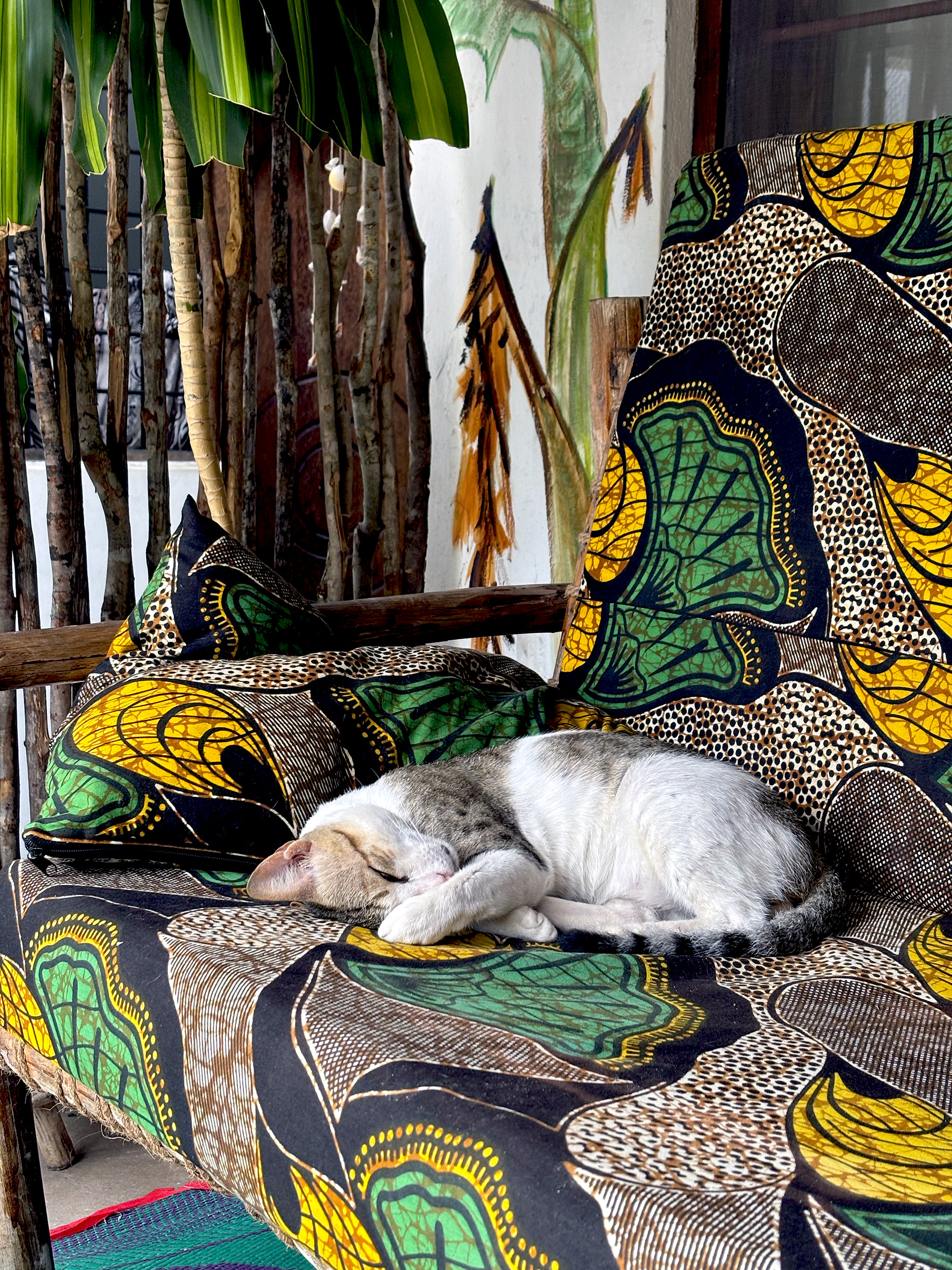
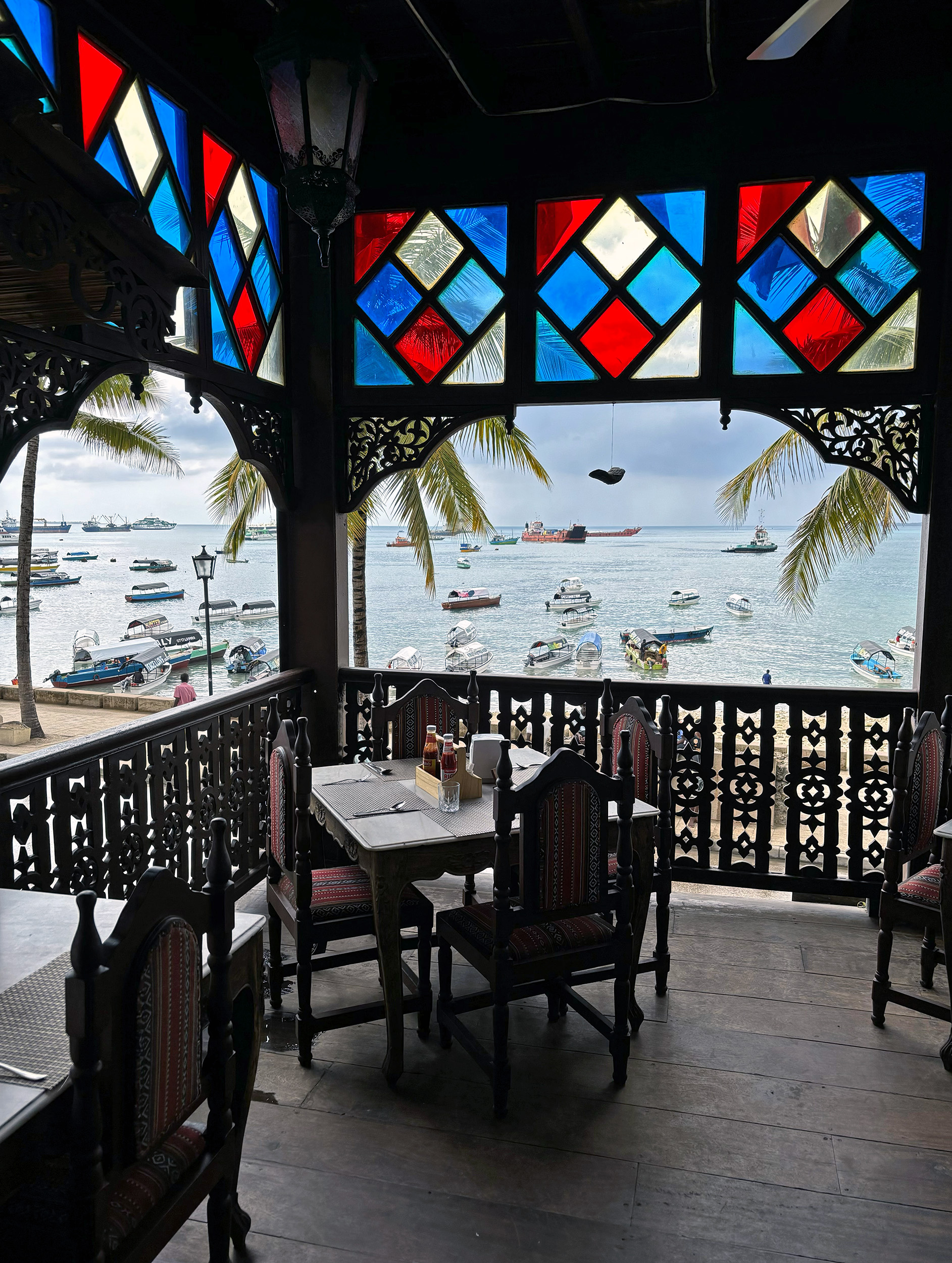
Intricately carved wooden doors, handsome overhanging balconies, and beautiful stained glass windows are all hallmarks of Zanzibari architecture, itself a fabulous hodgepodge of Swahili, Arab, Indian, and European influences. You’ll find helpful information boards near designated landmarks, and self-guided walking itineraries have been generously posted at several locations, but it’s those unplanned detours and unexpected finds that are so much more gratifying here. And if none of those end up capturing your attention, the adorable alley cats of Stone Town certainly will.
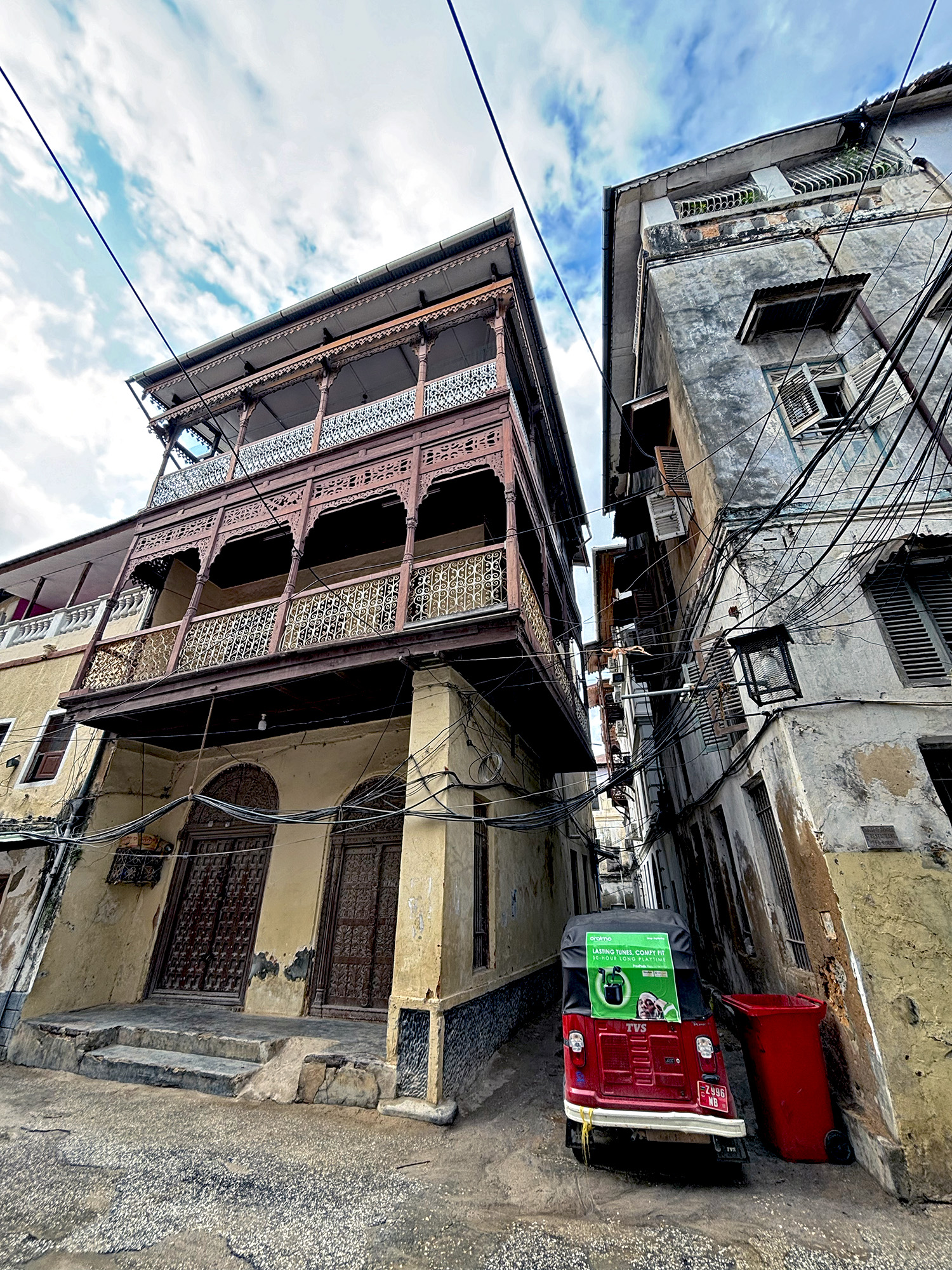
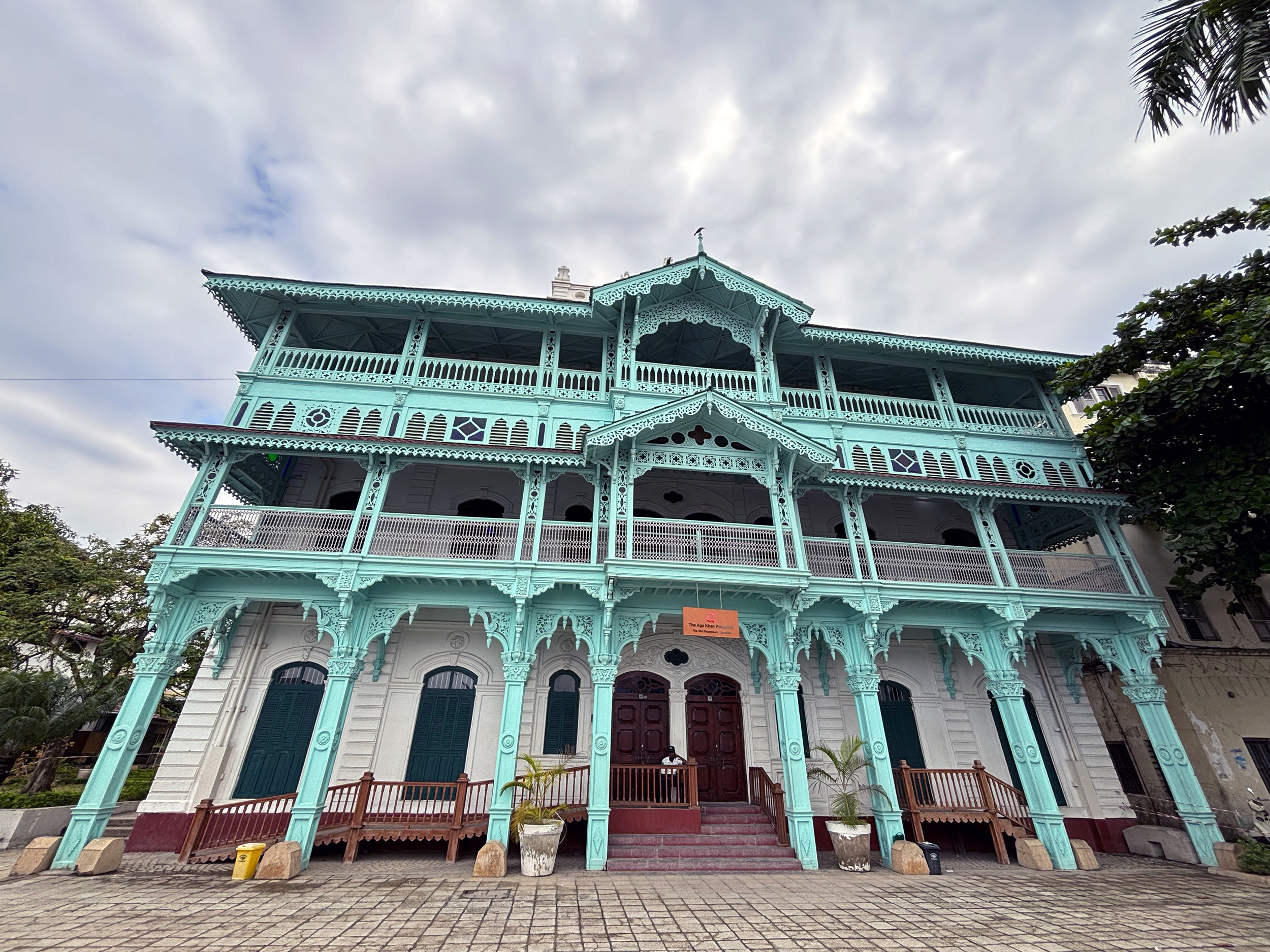
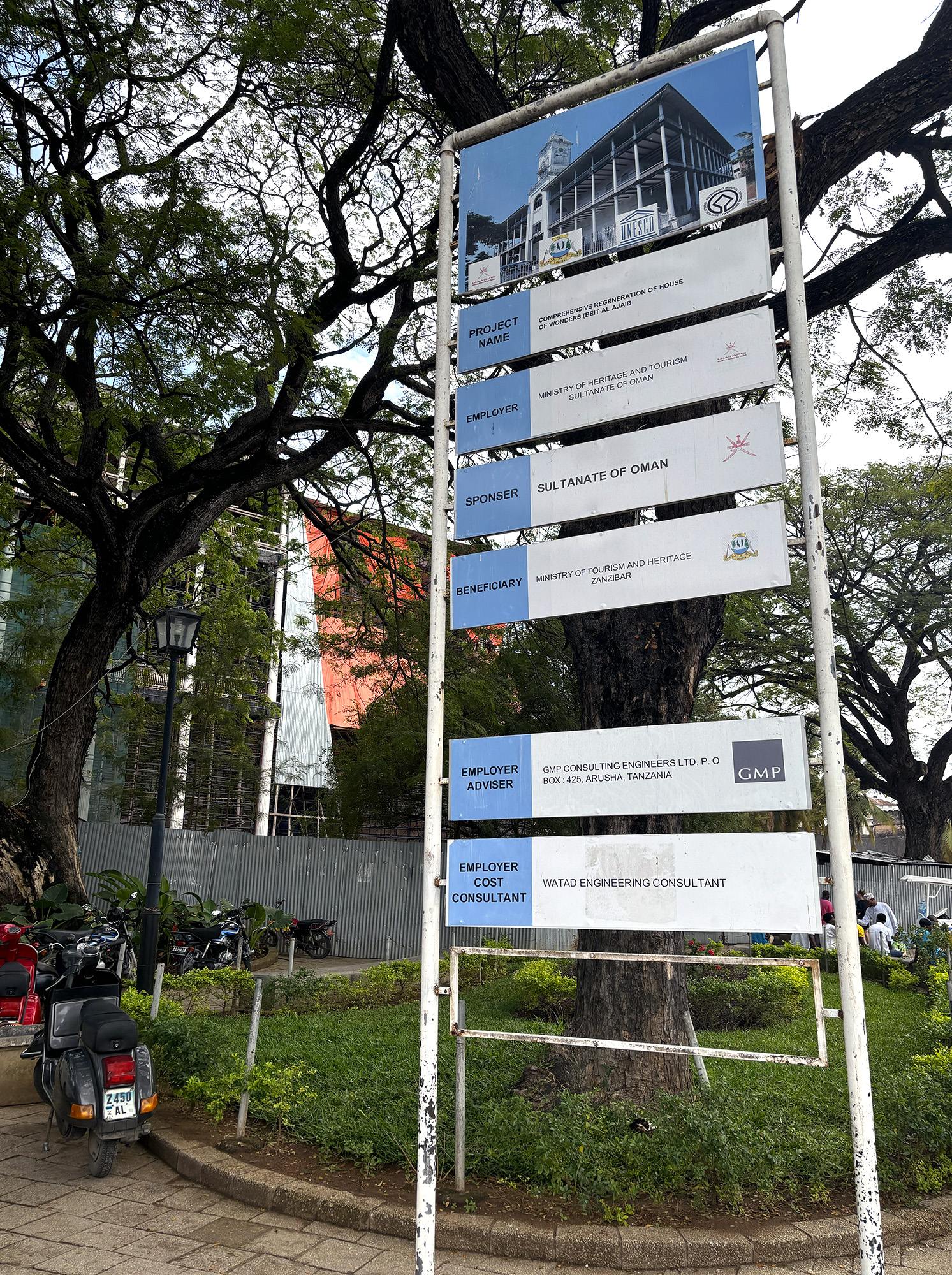
The mostly 19th-century buildings here are in varying states of repair. Some well worn, others steadily crumbling away. In fact, it’s not uncommon to stumble across complete ruins. But there is a lot of good work being done too, however piecemeal, in particular by the Aga Khan Trust for Culture. The imposing House of Wonders is under renovation presently, but not far from it lies the exquisitely restored Old Dispensary, bearing testament to what can be, and a sight to savor for anyone passing by.
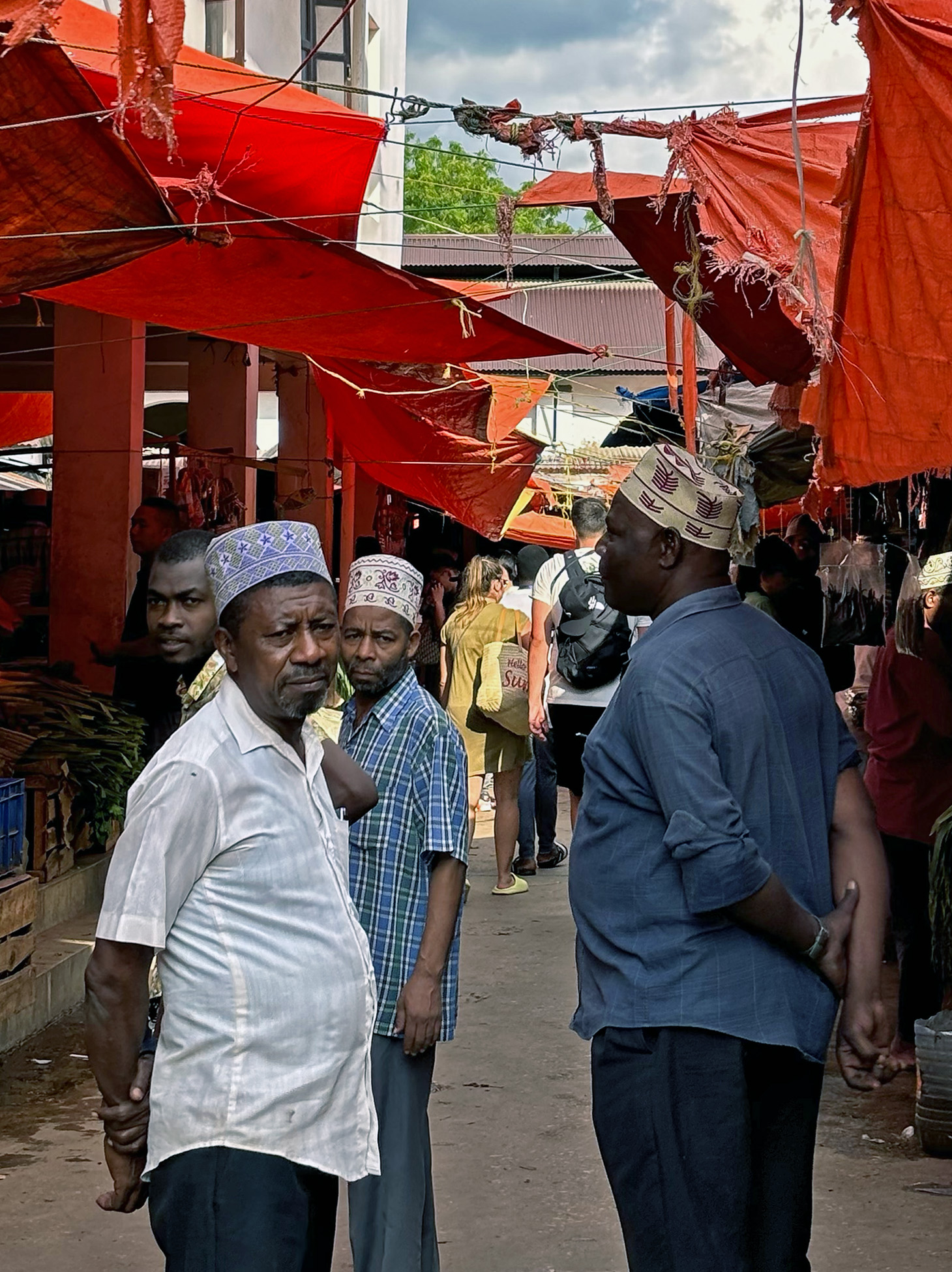
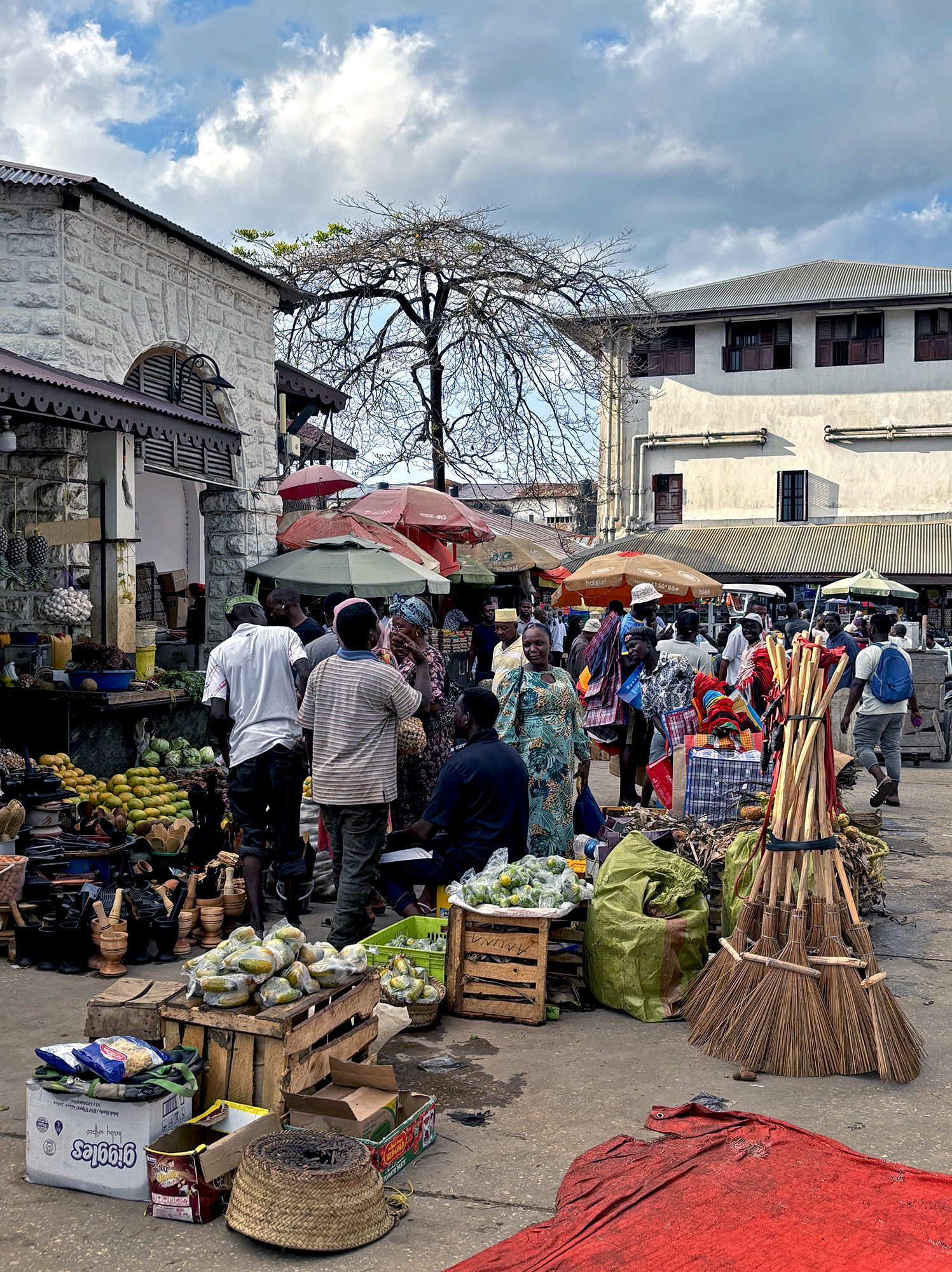
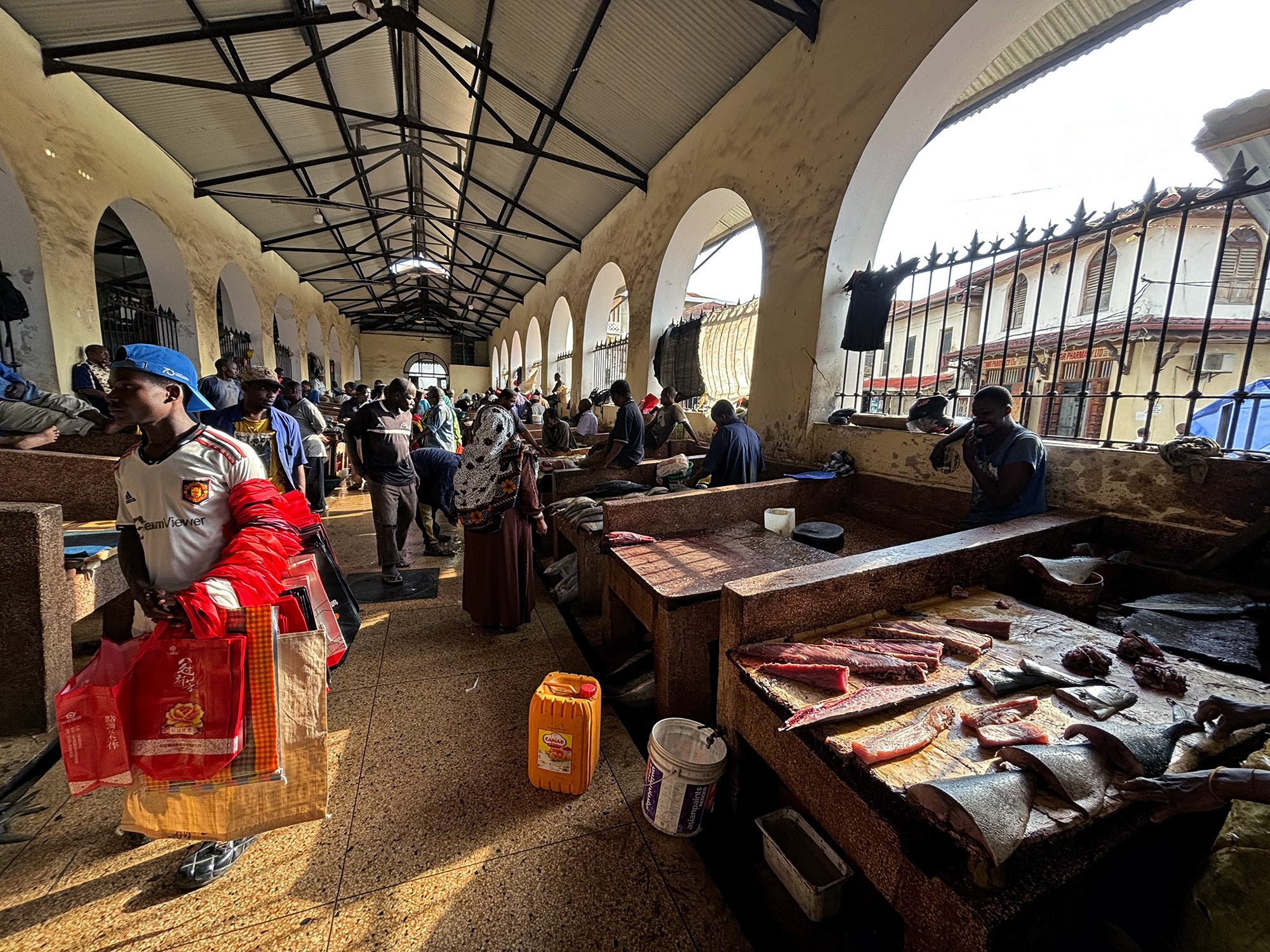
Of the many alleys Stone Town possesses, Darajani St. doesn’t appear particularly remarkable at first. But it does lend its name, and lead to one of the most vibrant spaces here, the central market. A bazaar in every sense of the word, Darajani Market offers everything from clothing to stationery, from fresh produce to the day’s catch. Each section of the market is a fascinating world unto itself, and often, in uncomfortably close proximity to the other. Turn the corner from a vendor hawking brooms, and you’re suddenly staring at a row of butchers. Small wonder then that you’ll only ever run into a tourist here within the market’s sprawling spice section.
Amongst the many spices Zanzibar is known for, cloves are perhaps its most famous, and remain its single biggest item of export today. Cloves are also one of the most labor intensive to harvest. No surprise then that the spice trade Zanzibar had long been synonymous with, was inextricably linked to a flourishing slave trade during the 18th and 19th centuries. While the Atlantic route is talked of most often, Zanzibar had the egregious distinction of being the epicenter of the East African slave trade. Slave markets were plentiful on the island, and by the mid 19th-century, slaves accounted for a staggering two thirds of Zanzibar’s population.
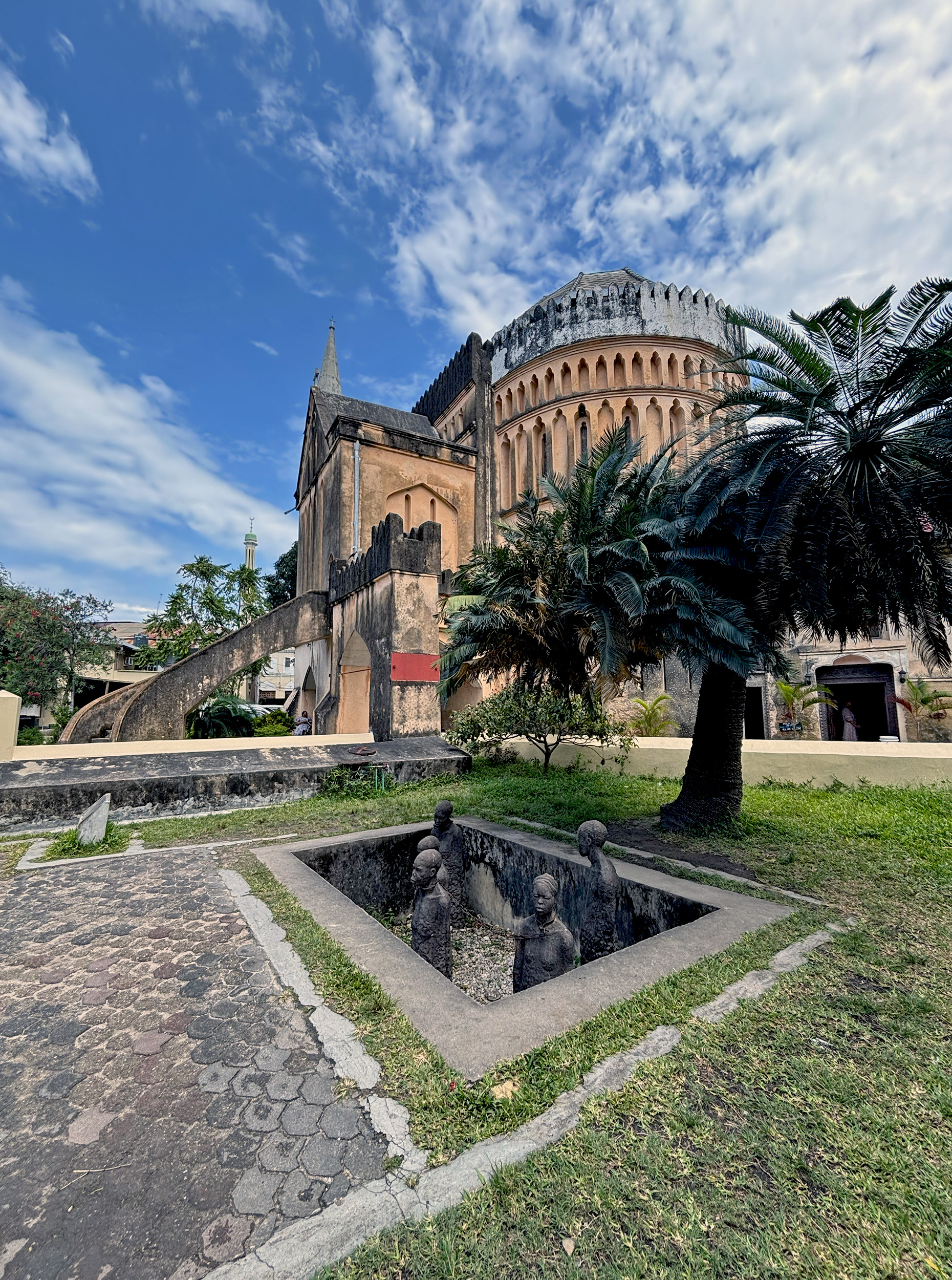
Slavery was officially abolished in East Africa in 1873, and six years later, the Christ Church Cathedral was built in Stone Town, on the site of what was once the largest slave market in Zanzibar. A monument to the slaves, as well as a hard-hitting exhibit on the slave trade, exist on the grounds of the church today, and a visit there is vital to understanding the complex and painful history that has shaped Zanzibar.


The Europeans profited from it, no doubt, but some of the biggest benefactors of the slave trade were the Arabs and Indians. While they were initially drawn to Zanzibar for financial gain, several of them stayed on for good, and over successive generations, contributed immensely towards the betterment of the island, enriching its culture in indelible ways. That impact can be seen today not only in the buildings Zanzibaris inhabit, but in the food they eat, and the clothes they wear, amongst others.
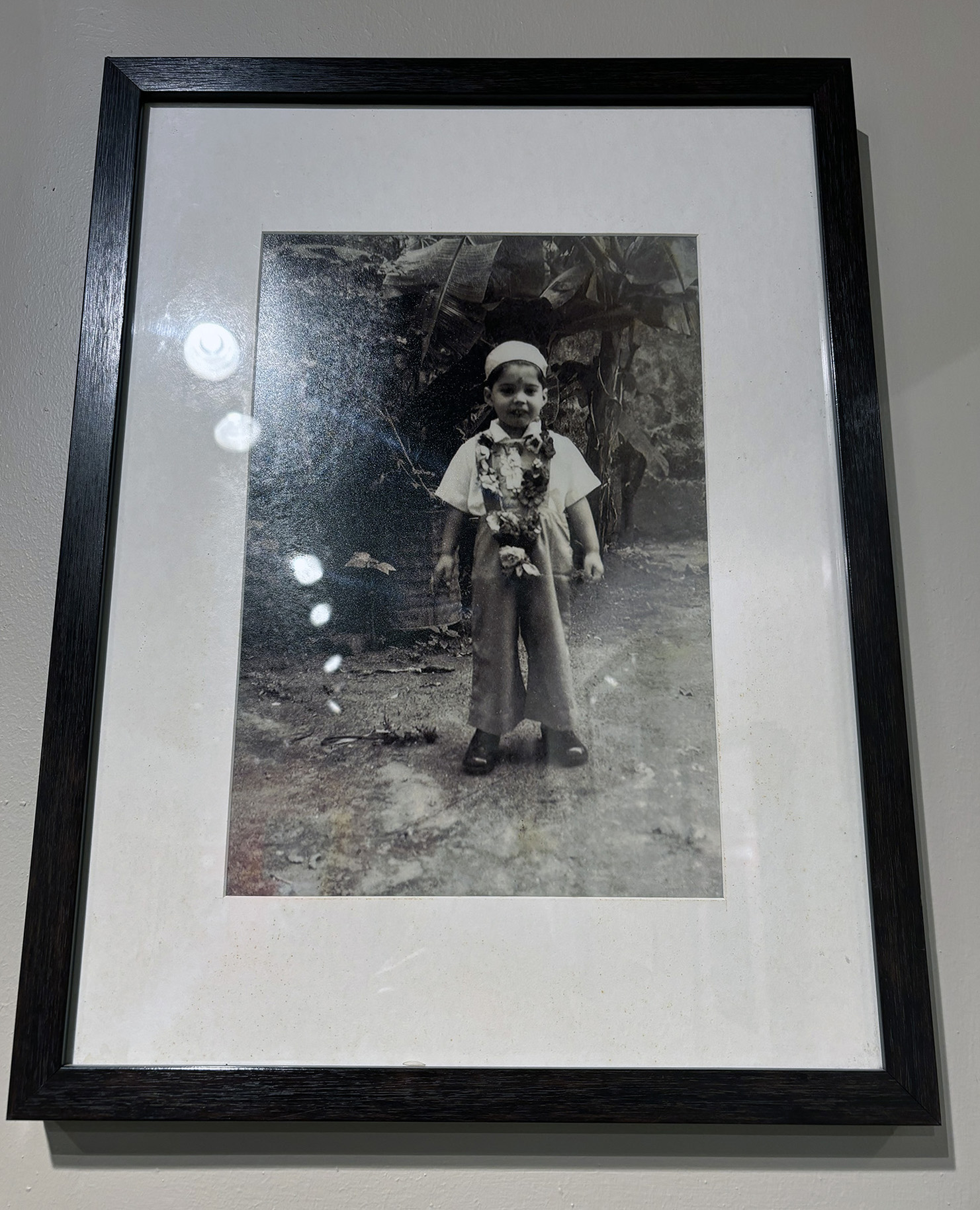
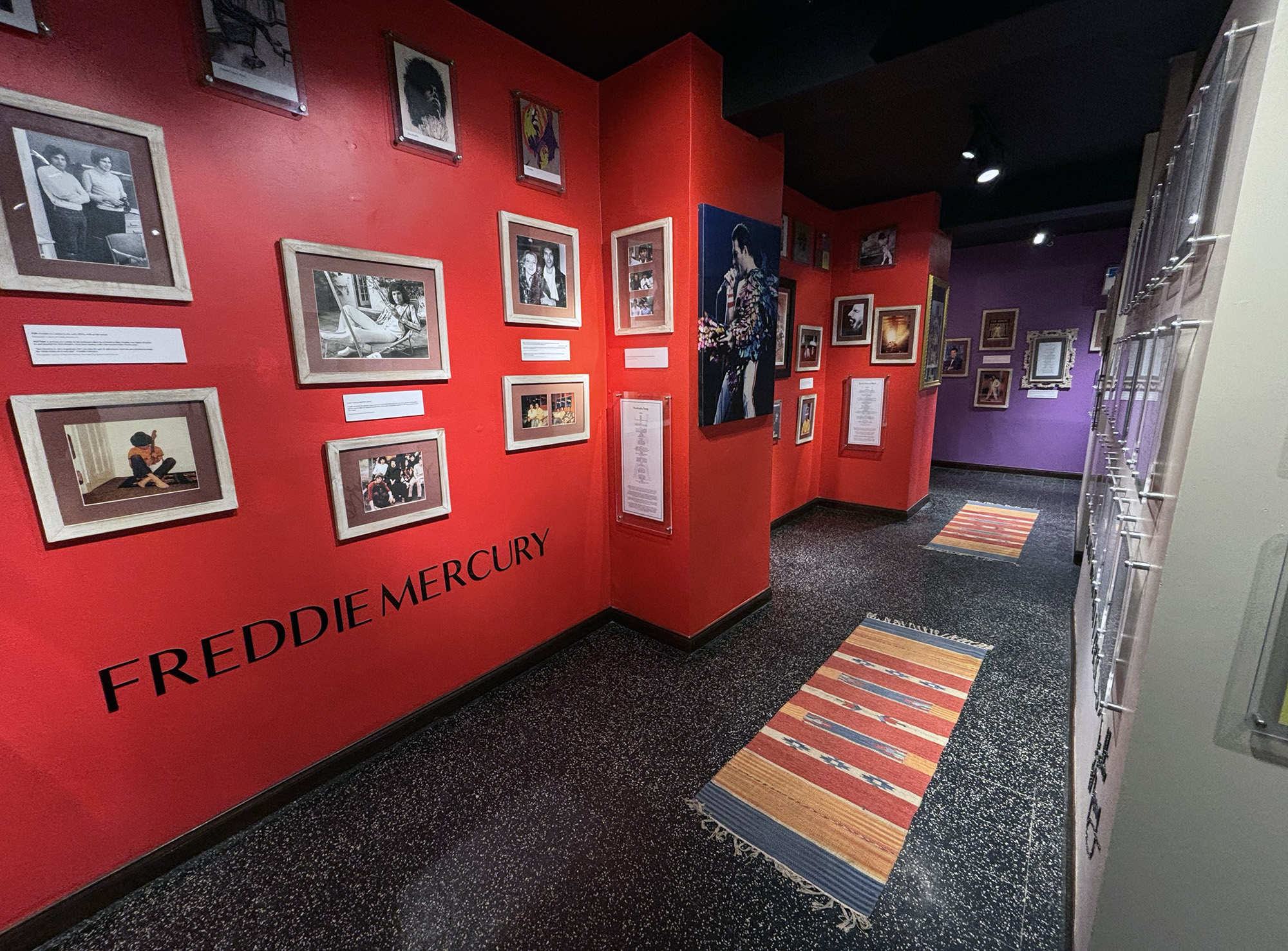
Plaques and signs in Gujarati are hardly a rarity. The names of Parsi entrepreneurs adorn century old facades. Darajani Market, in fact, was built by a Parsi gentlemen on the behest of the eighth Sultan. The Old Dispensary by an Ismaili. Together, these communities contributed not just great public institutions but also some remarkable residents. Farrokh Balsara was one of them. The second-generation Zanzibari was born in the Shangani neighborhood of Stone Town, and his childhood home has since been converted into a museum; a compact yet insightful one that’s not to be missed.
The island of Unguja, the largest of the islands within the Zanzibar archipelago, can be covered in just under two hours by road, north to south, making a beach getaway from Zanzibar City incredibly easily, customary even. Ask anyone who’s been and they’ll likely point you in different directions. Go to Jambiani in the south. Nungwi in the north is where it’s at. Pongwe in the east – there’s nothing like it. My two cents – go with your gut. You’re unlikely to be disappointed, no matter where you end up.
I’ve settled on Kendwa for two nights, and chosen perhaps the tiniest of hotels available there, Furaha, which has a grand total of three rooms. If you look it up, a beach bar and restaurant is the first match you’ll get, and that’s precisely what Furaha started life as, and continues to be known for. Furaha means happiness in Swahili, and modest as the property may be, a joyful stay here is guaranteed.
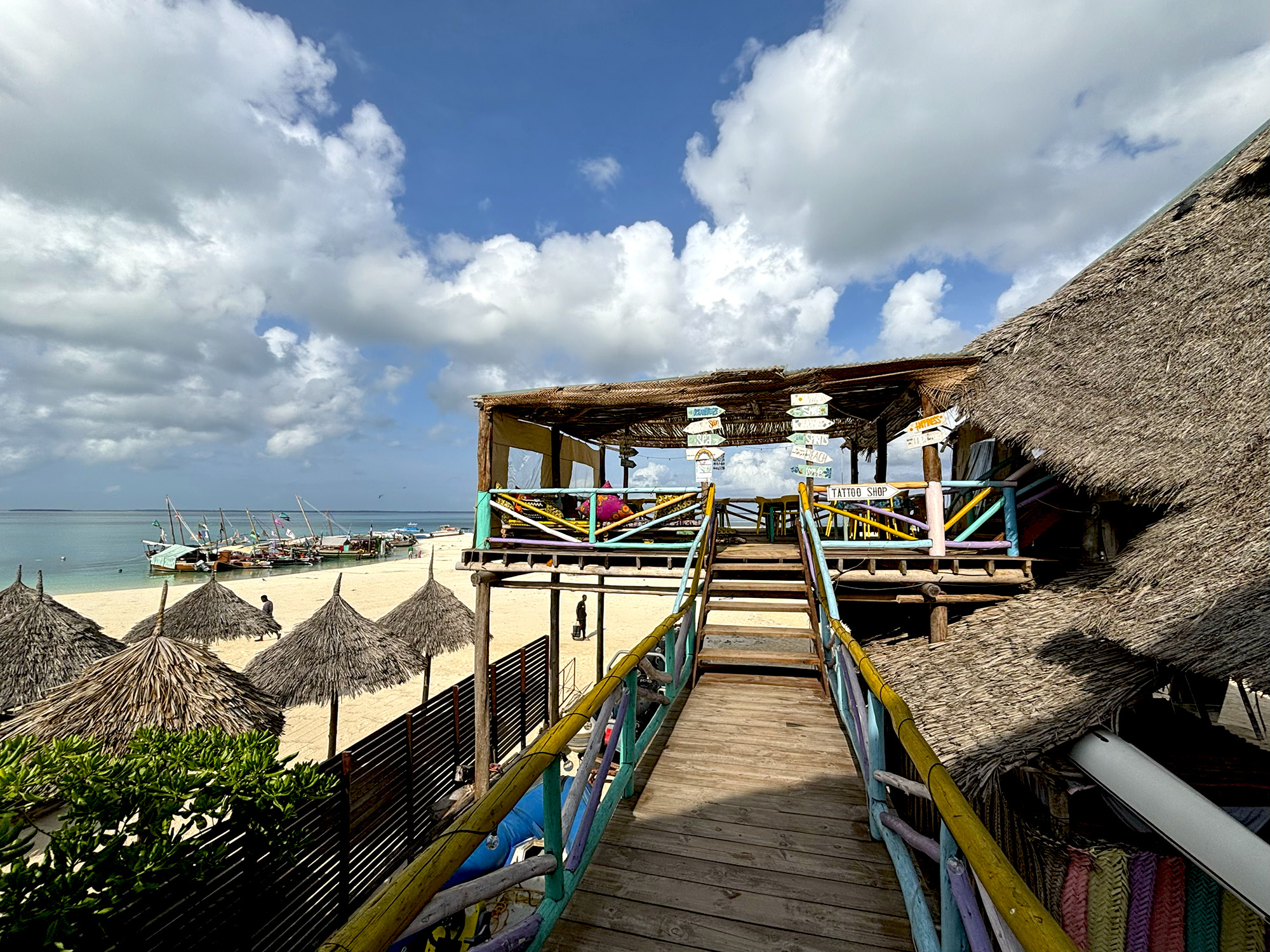
The village of Kendwa is located just a few miles south of Nungwi, the island’s northern tip. As beaches go, Kendwa is a busy one, dotted with resorts and hotels, and expectedly, plenty of tourists everywhere. But it’s also an activity oriented beach destination, meaning that most visitors decamp for snorkeling, scuba diving or dolphin watching excursions first thing in the morning, leaving that glorious white sandy stretch to anyone who chooses to linger.
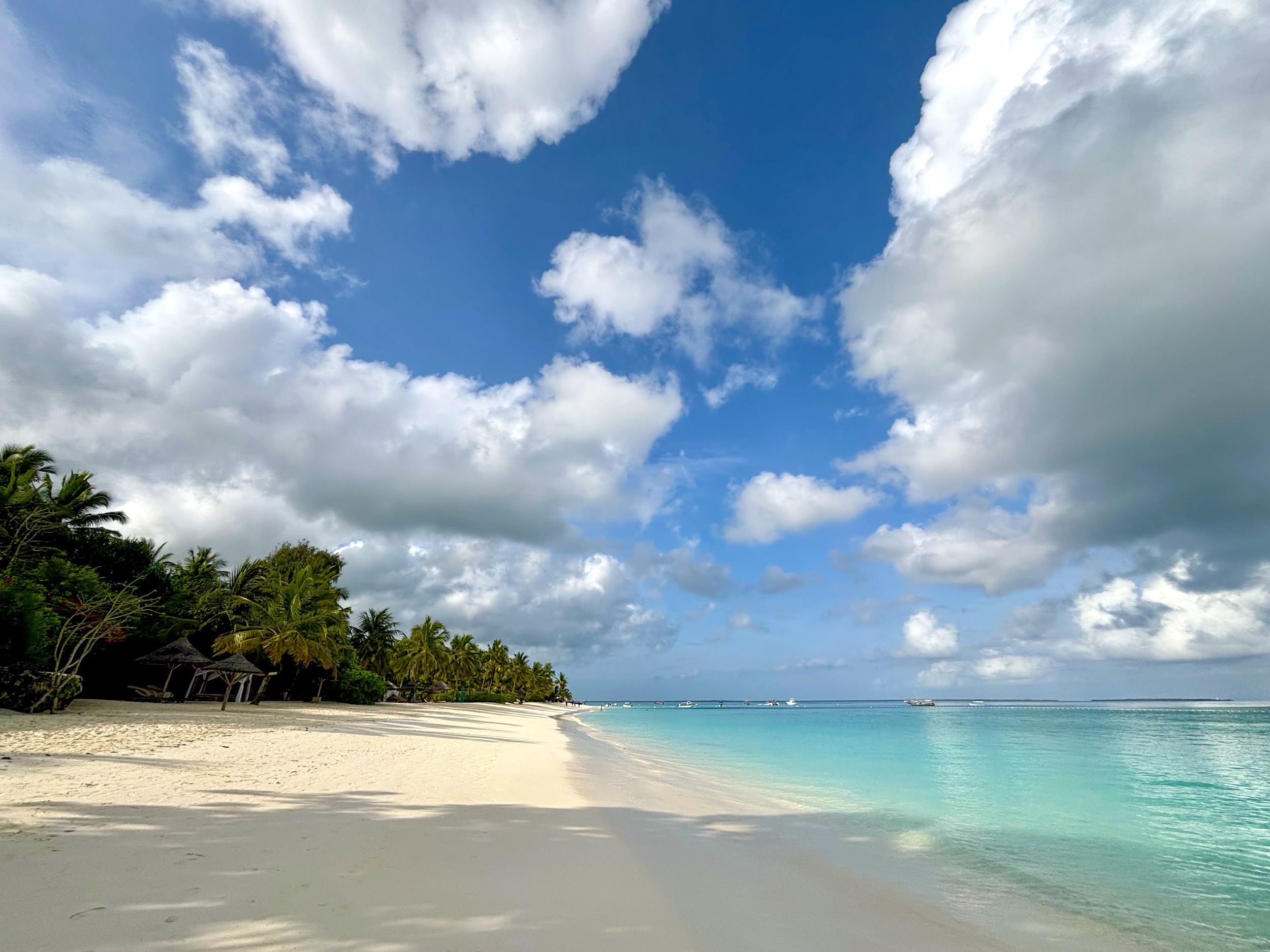
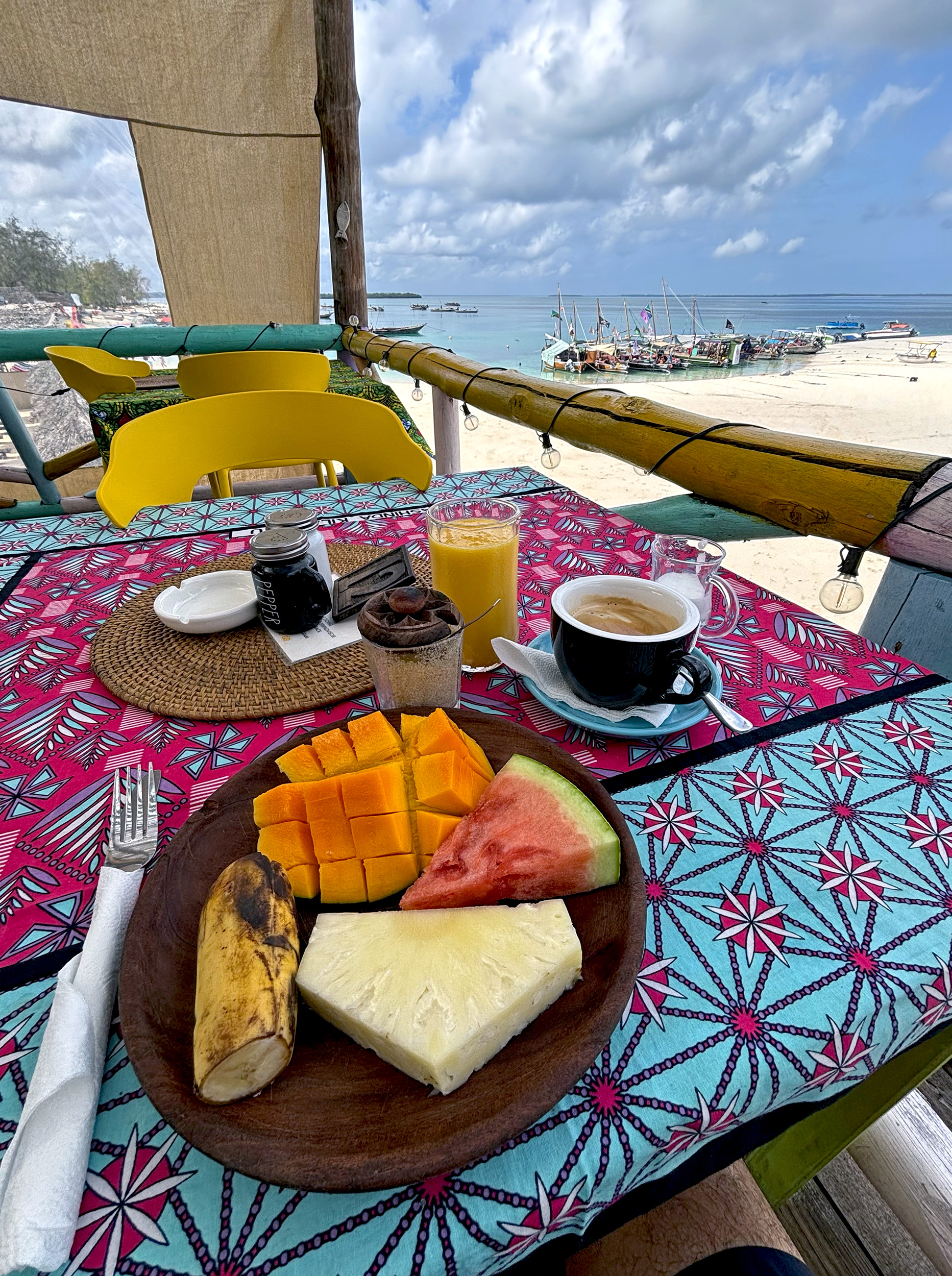
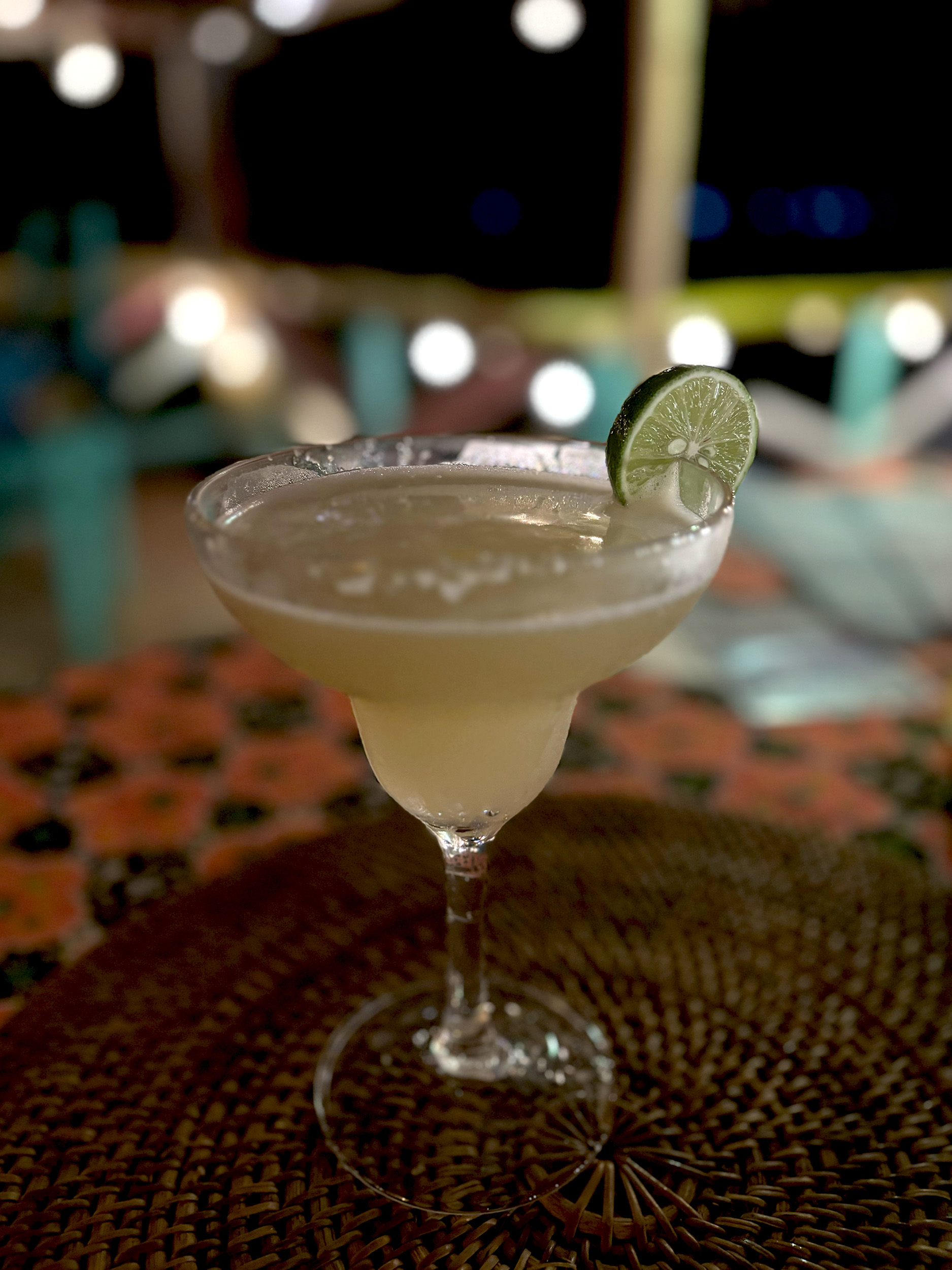
On my first full day here, I do exactly that. A morning run, followed by a sumptuous breakfast. A dip in those crystal clear waters. A late morning nap. Some lunch, not venturing further than Furaha Beach Bar and Restaurant. Another dip. A shower, and then a much needed afternoon siesta. A lazy evening walk timed around sunset, then dinner at the first restaurant that catches my fancy. And finally, a short stroll back to Furaha for a stiff nightcap. The kind of day I’ve always pictured having at a beach, but rarely manage to achieve.

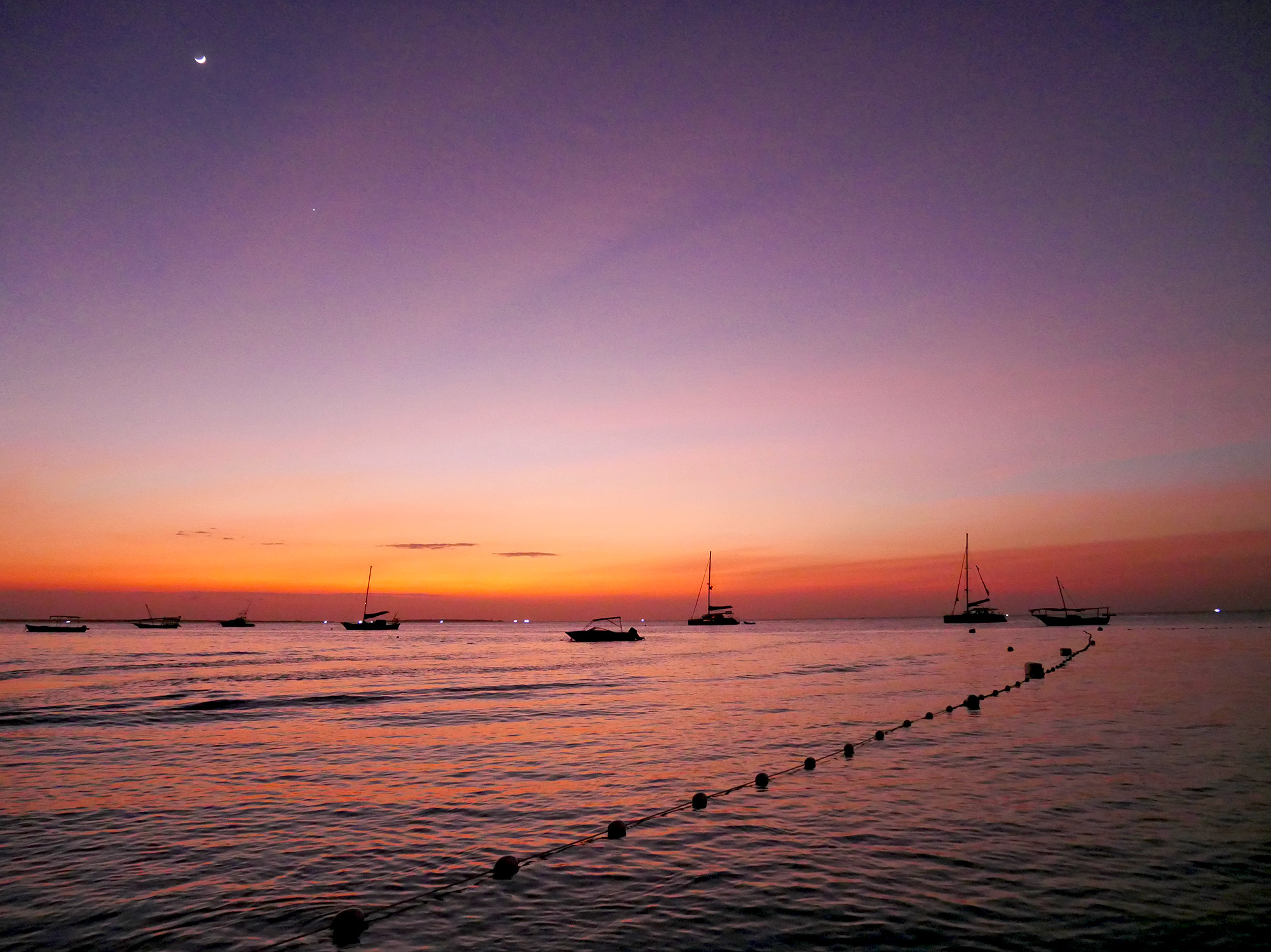
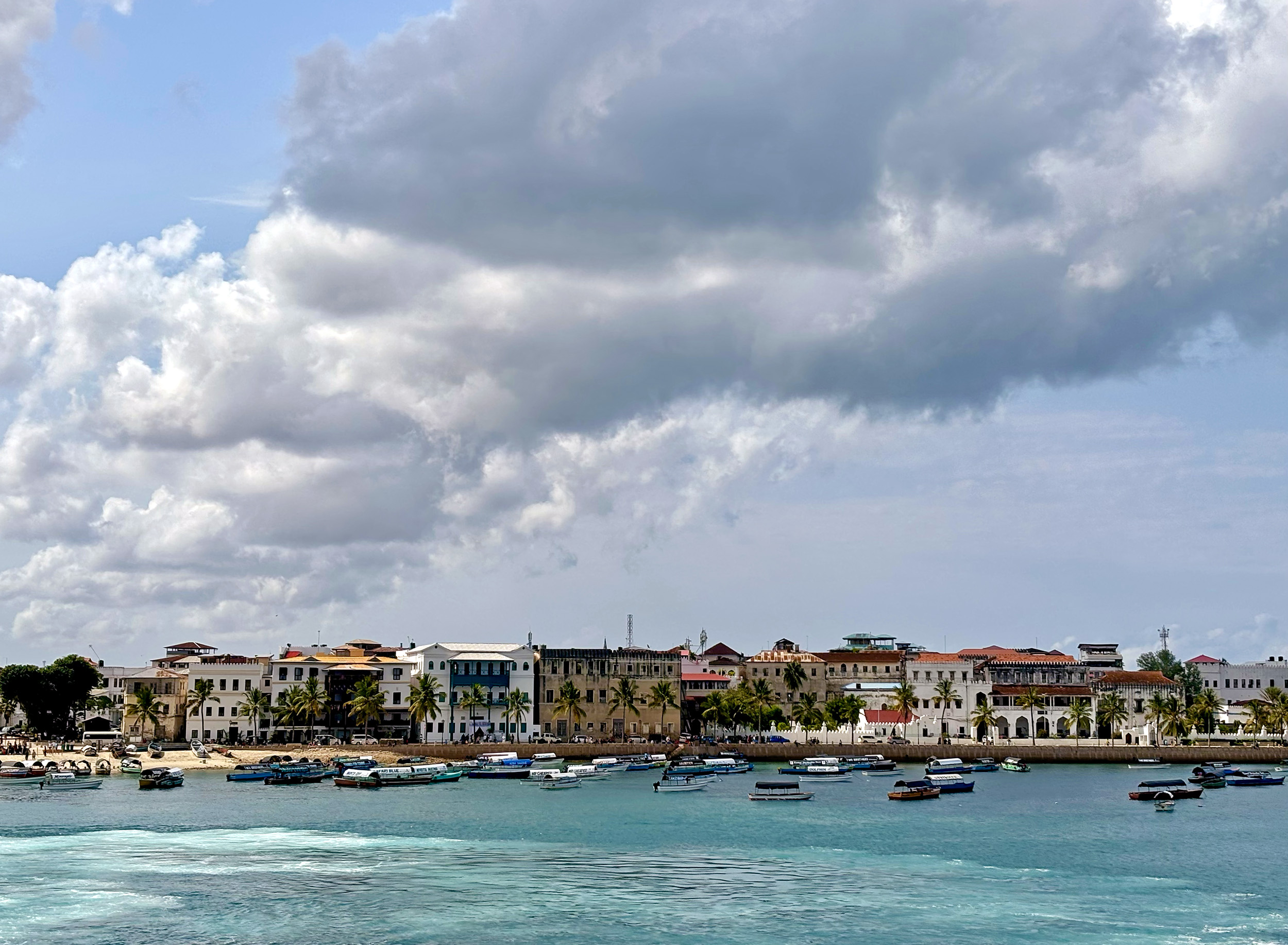
Back at Stone Town for my last night on the island, I’ve chosen to stay at the Mizingani Seafront Hotel. It’s no Kholle House, that’s for sure, but it does have some history, and I’m lucky to be staying in its original wing. Its location though is by far its biggest virtue, for the Stone Town waterfront is a very special place. Locals congregate along its charming promenade, taking in the goings on in the harbor. Lads take turns to dive off its historic bulwark. Further along, the sea-facing, frangipani-lined Forodhani Park offers the perfect balm for a sultry day, and come evening, a bustling night market sets up there along water’s edge. As you step off the ferry from the mainland, the seafront in Stone Town is your first introduction to Zanzibar. It’s also your last memory, as you sail away from this magical island.

A full set of photos from my visit to Zanzibar can be seen on my Flickr.
 brat's ramblings